Plum Paper vs Erin Condren vs Happy Planner: Which Custom Planner Wins?

A planner purchase in 2026 looks cool from the outside, but anyone who’s actually shopped for one knows otherwise. The phrase “custom planner” appears on what feels like every planner brand’s homepage, but the customization options vary wildly from brand to brand. One brand’s “custom” means a choice between four cover designs and two layouts. Another means a 25+ layout configurator with custom start months and add-on pages. Buyers shopping today face a year-long commitment to a tool they use every day, and there’s no easy way to tell from a homepage which brand actually delivers what they need.
The comparison ahead solves that visibility problem for the three biggest names in the custom planner space. Plum Paper, Erin Condren, and The Happy Planner each represent a different idea of what customization should mean, and each one wins for a different kind of buyer. The breakdown that follows walks through five customization choices buyers actually face at order time, then lands on honest verdicts that name the right brand for the right person. By the end, you should know which brand fits your actual plan.
Table of Contents
About Plum Paper

Plum Paper is a Vista, California-based planner brand that started in 2010 when founder Kristina Kardous, then a new mom running a small stationery business, couldn’t find a planner that fit her actual life. She’d been designing personalized stationery focused on the art of handwritten notes, and the off-the-shelf options she shopped for felt built around a “one size fits all” approach that didn’t align with how she planned. She set out to design a planner that customers could configure to their own needs.
Today, the brand calls itself “the original custom planner company” and “the most personalized planner” on the market. Every planner is handmade at Plum Paper’s San Diego headquarters in Vista, California, with the customization happening entirely at order time rather than through aftermarket inserts. Press coverage spans Forbes, The Strategist (NYMag), Good Housekeeping, Better Homes & Gardens, Life & Style, Medium, Scary Mommy, and Brit + Co.
About Erin Condren
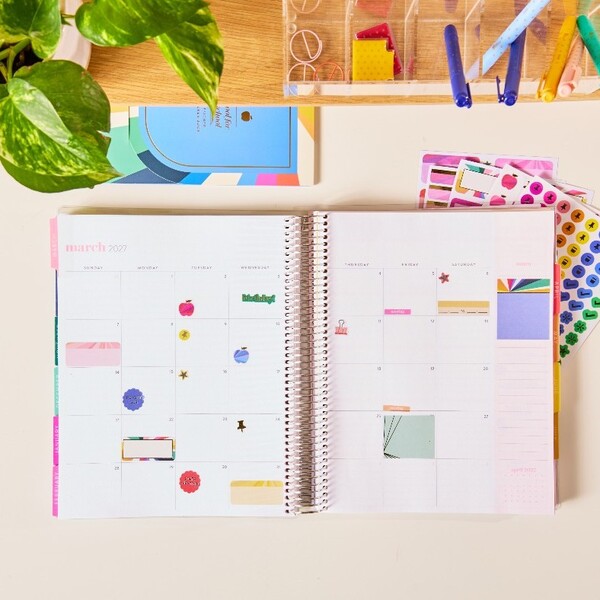
Erin Condren started in Austin, Texas in 2005 and built one of the most recognizable planner brands in the US over the next two decades. The flagship LifePlanner has sold over three million units, with the brand’s positioning leaning on premium aesthetics, hand-coiled US production, and 80lb premium paper. The catalog covers weekly LifePlanners (coiled, softbound, ring agenda), daily planners, monthly planners, teacher lesson planners, academic planners, and a wide range of accessories.
The LifePlanner’s customization runs heavier on the cover side than the interior, with a large rotating cover library, a constrained set of interior layouts, two main sizes plus A5, and three binding options. Physical retail locations in Austin and Irvine plus distribution through Target and Barnes & Noble give the brand broader retail reach than either competitor on this list.
About The Happy Planner
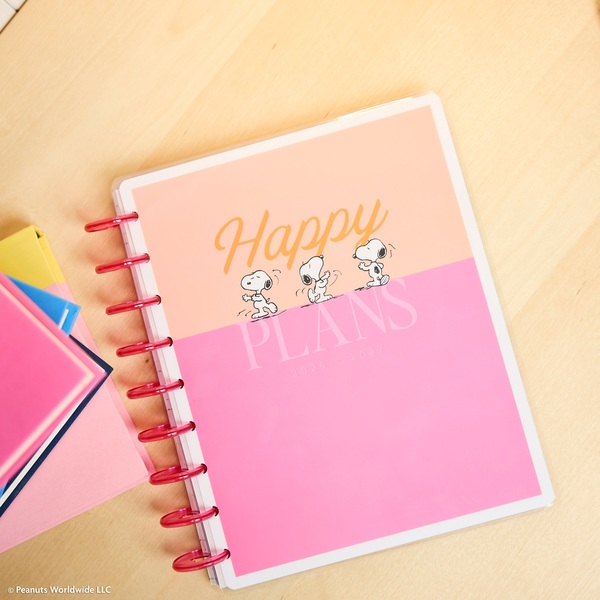
The Happy Planner is the planner line from Me & My Big Ideas (MAMBI), a stationery company built around a disc-bound system. The signature mechanism uses interchangeable plastic or metal discs that hold the planner’s pages together, which means customers can swap pages mid-year, add aftermarket inserts, and rearrange the order of sections forever after purchase. The brand sells direct-to-consumer at thehappyplanner.com and through major retail at Michaels, Hobby Lobby, and similar craft chains.
The catalog leans into themed designs more than any other major planner brand, with collections drawn from pop-culture properties (Disney, Peanuts, Harry Potter, Powerpuff Girls, Saved by the Bell, Wicked) alongside neutrals and seasonal florals. The custom planner builder lets customers choose size, cover, discs, and a layout style at purchase, and a sizable aftermarket of sticker value-packs, accessory packs, decorative discs, and washi tape lets buyers extend the planner over its life. A VIP rewards program returns points on every purchase for repeat buyers.
What to Consider?
Three different planner philosophies sit at the center of this comparison. The right pick depends on how much customization happens at order time versus through aftermarket additions, how much the aesthetic of the cover and interior counts, and how much the buyer is willing to wait for a planner that’s been manufactured specifically for them. The breakdown below covers five aspects where Plum Paper, Erin Condren, and The Happy Planner take measurably different approaches, with verdicts grounded in what each brand actually offers at the time of writing.
1. Customization Depth at Order Time
The clearest dividing line between the three brands is how much the buyer can customize the planner before it ships. Order-time customization means every decision (layout, paper start month, cover, binding) is locked in at purchase. Aftermarket customization means the buyer adapts a standard planner over time. Both approaches work for different planning styles, but they produce very different planners.
Plum Paper
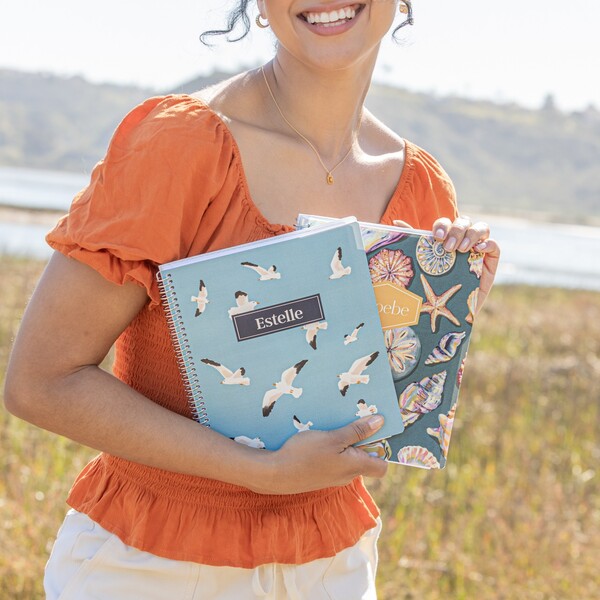
Plum Paper’s whole brand is built around order-time customization. The configurator presents the buyer with a sequential set of decisions (layout, size, cover, binding, start month, week start day, tab style, add-on pages) before manufacturing begins. The buyer locks in every detail upfront, and no decision is left for aftermarket inserts.
Erin Condren
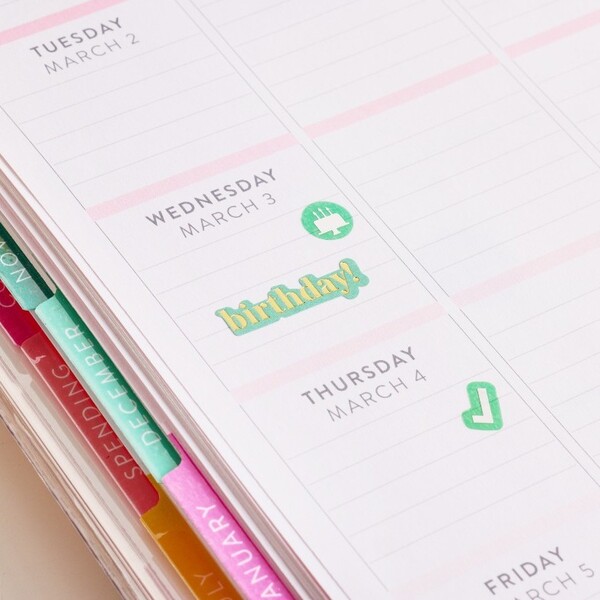
Erin Condren’s customization is heavier on the cover side than the interior. Buyers select a cover from a large library, pick a size, and choose a binding. Interior choices are more constrained, with a small set of weekly layouts and design themes plus a fixed page structure within each layout. The LifePlanner is designed to look beautiful out of the box rather than to be built to a buyer’s exact spec.
The Happy Planner
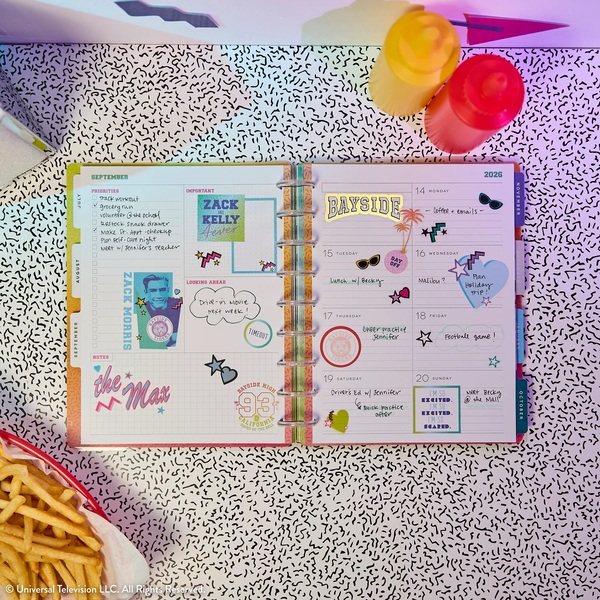
The Happy Planner’s splits its customization between order time and aftermarket. At purchase, buyers pick a size, a cover (often from a themed collection), the discs, and the layout style for that release. Past that point, customization moves to aftermarket additions like sticker packs, dashboards, decorative discs, and inserts. The disc-bound system means pages can be added, removed, or rearranged after the planner arrives.
Verdict
Plum Paper wins on what could be called pre-production control. Every meaningful choice is made before the planner is built, which is structurally different from how competitors operate. Erin Condren manufactures planners ahead of demand and lets buyers choose from a fixed configuration set at checkout. The Happy Planner builds an inexpensive base planner and offloads customization to the aftermarket. Plum Paper is the only one of the three where the buyer’s choices physically shape what gets manufactured.
For buyers who’d rather decide upfront than adapt later, Plum Paper is the pick.
2. Layout Variety and Specialty Options
The layout is the most important customization decision because the buyer writes in it every day. A weekly vertical layout works for list-makers. An hourly, daily layout works for meeting-heavy schedules. A specialty layout (teacher, student, financial) builds in structure that the buyer would otherwise have to create themselves. Layout variety is where the brands diverge most visibly.
Plum Paper

Plum Paper offers 25+ layouts organized across weekly vertical (Vertical Priorities, ME Layout, MAE time-blocking, Hourly, Vertical Columns, plus floral variants), weekly horizontal (Two Sided Days, Notes & Days, Weekly Overview, floral variants), daily (6-month, 12-month, 12-month hourly, floral variants), combined daily-and-weekly, monthly-only, grid layouts, and goal-setting layouts. The brand also offers specialty layouts that competitors largely don’t carry at all: Teacher 1 (Elementary), Teacher 3 and 4 (Preschool + Kinder, Middle + High School), Homeschool (Full Week and Mon-Fri), Student layouts (1-4 covering middle school through college), and a Horizontal Financial layout for budgeting and goal tracking.
Erin Condren
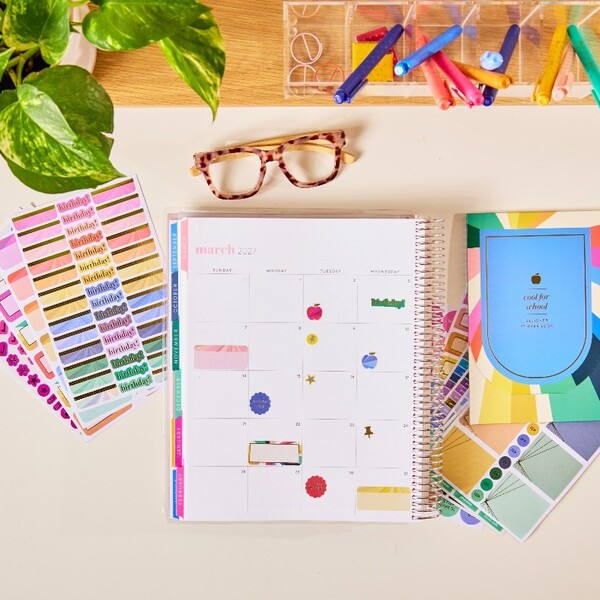
Erin Condren offers four core weekly layouts: Vertical, Horizontal, Hourly, and Dashboard. The brand has a separate Teacher Lesson Planner and Academic Planner as standalone products rather than integrated LifePlanner layouts. The number of layout options within the main LifePlanner is intentionally constrained to keep the design system coherent.
The Happy Planner
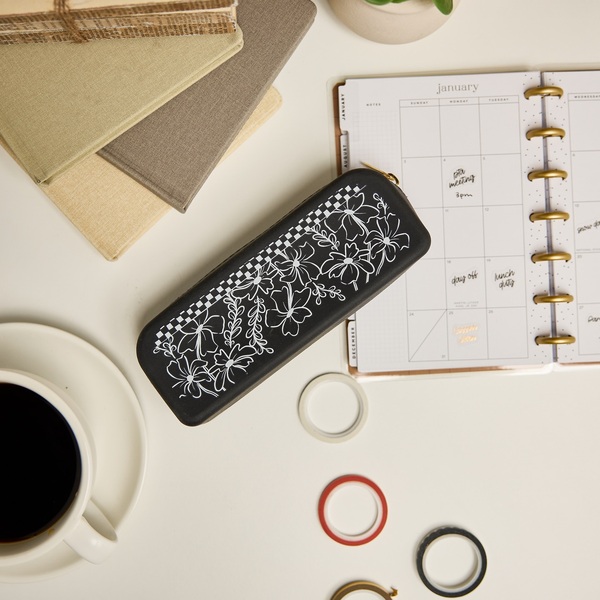
The Happy Planner offers a few core layout styles (Classic Dashboard, Vertical, Horizontal) across its themed planners. The layout selection per release varies by collection and cover. The disc system means buyers can theoretically mix inserts from different layouts after purchase, but at order time, the layout choice is limited to what ships with the planner they buy.
Verdict
Plum Paper takes the lead on role-specific planning. The brand’s catalog reads like a list of professional and life contexts, with separate layouts for elementary teachers, middle and high school teachers, homeschool parents, undergraduate students, and household budgeters. Each of those layouts builds in the structure that role actually uses day to day, rather than asking the buyer to bend a general weekly template to fit a teaching plan or a homeschool schedule. Erin Condren handles the role specificity by selling separate products (the Teacher Lesson Planner and Academic Planner), which works but splits the purchase into multiple planners. The Happy Planner doesn’t address role-specific planning at the layout level. For a buyer whose week is shaped by a defined role, Plum Paper is the only brand offering an integrated single-planner solution.
3. Start Date and Duration Flexibility
Most off-the-shelf planners start in January or July (academic year), with a fixed 12-month or 18-month duration. Custom start dates and flexible durations are real customization variables that meaningfully change who the planner works for. A buyer in May who wants to start planning this week shouldn’t have to wait for January or settle for a planner that’s already half over.
Plum Paper
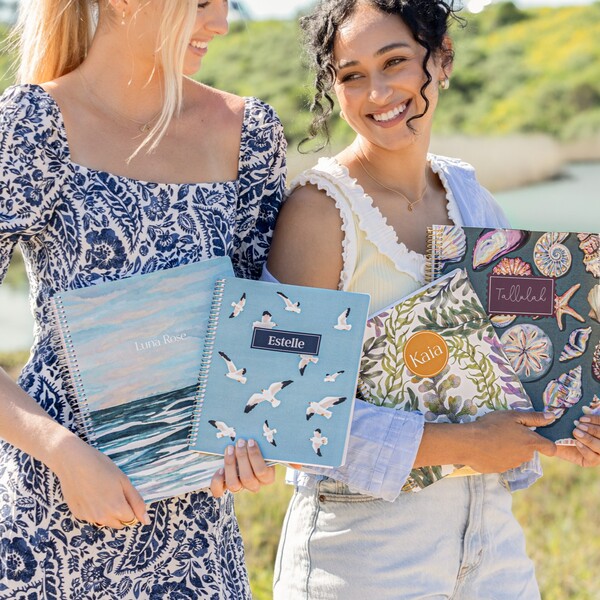
Plum Paper lets the buyer choose any start month and any number of months. An order placed in May can produce a planner starting in May, running 12 months through April of the following year, or running 6 months, or 18 months, whatever the buyer specifies. The buyer also selects Sunday or Monday as the week-start day for weekly and monthly spreads.
Erin Condren
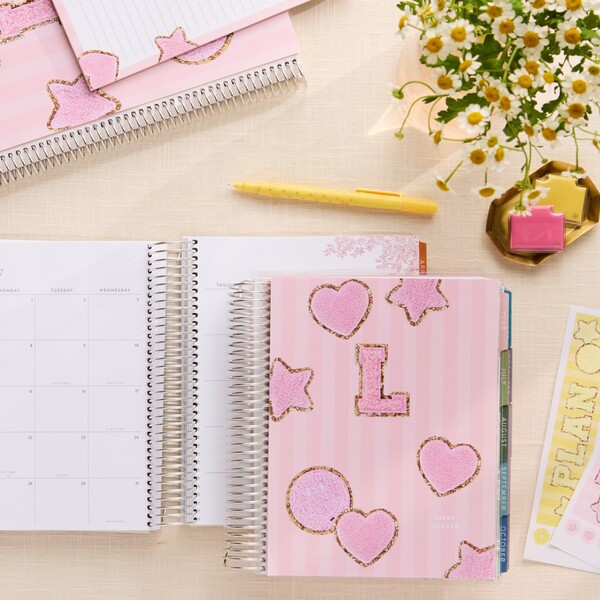
Erin Condren’s LifePlanner ships in fixed-start variants: typically January and July (academic year), and sometimes May for midyear starts. Within those start months, the duration is fixed at 12 or 18 months, depending on the specific product. The week start day is set per the product line and isn’t a buyer-configurable option.
The Happy Planner
The Happy Planner releases planners in standard start cycles: January, July (academic year), and mid-year refreshes. The current Custom Planner builder offers a 2026-2027 July start layout as the customizable option at the time of writing. Duration is fixed per product. The disc-bound system means buyers can theoretically piece together a custom start by using multiple insert packs, but at order time, the start date and duration are set.
Verdict
Plum Paper wins on calendar independence. The brand isn’t tied to a fixed annual release calendar, so the buyer’s planning year doesn’t have to match anyone else’s. A buyer who realizes in mid-September that they need a planner can order one that starts in September, runs through August, and matches their school year or fiscal year or personal year. Erin Condren and The Happy Planner both run release calendars (January, July, and occasional mid-year refresh) that the buyer has to work around. Erin Condren’s multiple cycles soften the constraint, and Happy Planner’s disc system lets buyers piece together a workaround through aftermarket inserts. For the buyer whose planning year doesn’t line up with January or July, Plum Paper is the only one of the three that builds the planner around the buyer’s calendar rather than its own.
4. Cover and Binding Options
The cover is the part of the planner the buyer sees every day. The binding determines how the planner lies on the desk and how it handles wear. For most buyers, cover variety and binding options are the most visible customization decisions even when they’re not the most functional ones.
Plum Paper

Plum Paper offers 25 hardcover designs at the time of writing, with cover personalization (name, custom details) layered on top. The binding options are disc or coil, with a gold-coil upgrade available in A5, 7×9, and 8.5×11 sizes. The hardcover construction is more durable than softbound alternatives and holds up to daily handling across a year of use.
Erin Condren
Erin Condren’s cover library is the largest of the three brands. 70+ cover designs at the time of writing span metallic, vegan leather (snap-in and standalone), floral, photo-personalized, vision board, custom-photo, minimal, monogrammed, and themed collaborations (Stoney Clover Lane). Three binding options cover coiled (spiral), softbound (lay-flat vegan leather), and ring agenda (six-ring). For coiled LifePlanners specifically, the covers are interchangeable, which lets buyers swap aesthetics on the same interior.
The Happy Planner
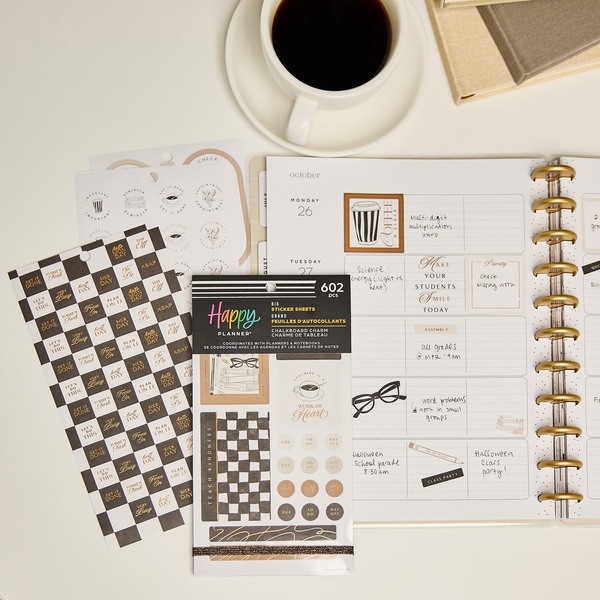
The Happy Planner’s cover variety leans into themed designs. Active collections include Disney, Peanuts, Harry Potter, Powerpuff Girls, Saved by the Bell, Wicked, alongside neutrals and seasonal florals.
Cover construction varies by collection (paper, fabric, vegan leather, specialty velvet). The disc-bound system is the brand’s binding signature, featuring standard plastic or metal discs in multiple sizes, with the option to upgrade to gold or specialty disc sets.
Verdict
Plum Paper takes the win for cover-and-binding flexibility, but the verdict is closer than in the previous three. Erin Condren has the strongest cover design library of any major planner brand, with 70+ designs spanning metallic, vegan leather, floral, photo-personalized, vision board, custom-photo, minimal, monogrammed, and themed collaborations like Stoney Clover Lane. For a buyer whose primary criterion is aesthetic, Erin Condren genuinely beats both competitors. The Happy Planner’s themed collections (especially the Disney and Harry Potter ranges) appeal strongly to a specific buyer who wants planner-as-fan-merchandise.
Hence, Plum Paper wins overall because the binding choice (disc, coil, or gold coil) plus 25 hardcovers plus name personalization plus the same 25+ layouts underneath gives the buyer the broadest combined cover-plus-binding configuration space at order time.
5. Price
Per-unit price is where the three brands genuinely differ. The Happy Planner sits at the accessible end, Erin Condren in the premium middle, and Plum Paper varies depending on customization choices. The honest comparison isn’t “Which is cheapest?” (Happy Planner usually) but “Which gives the best value per dollar for the planner the buyer actually wants?”
Plum Paper
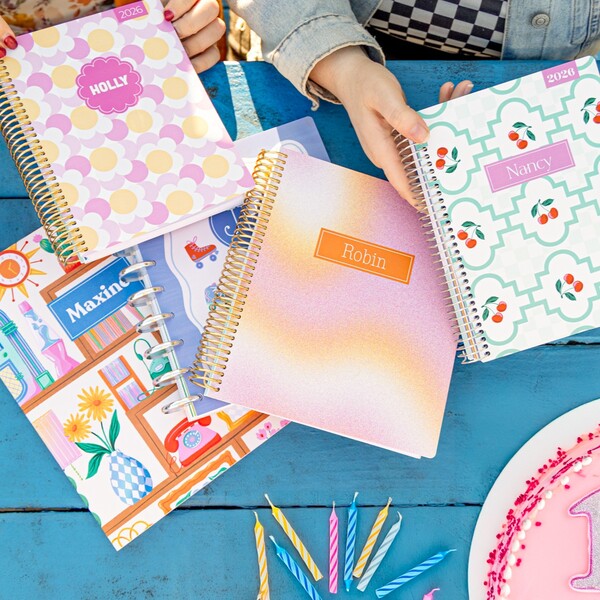
Plum Paper pricing ranges from $37 to $75+, with the upper end driven by customization options (specialty layouts, hardcover variants, gold coil, add-on pages, and special inserts). A standard 7×9 weekly planner with a hardcover and coil binding lands in the mid-range. A fully loaded planner with multiple add-ons, gold coil, and a specialty layout pushes toward the upper end. New customers get 10% off through the email signup promo.
Erin Condren
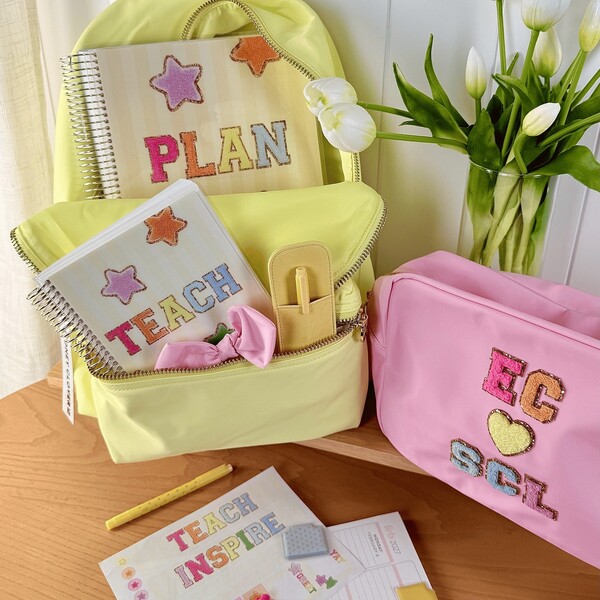
Erin Condren LifePlanner pricing runs from $32.50 (A5 softbound) to $67.50 (vegan leather snap-in), with most 7×9 coiled LifePlanners at $60.50. The pricing is consistent within each binding category, so the buyer’s cost is predictable once they’ve picked the binding and size. Premium add-ons (snap-in covers, ring agenda binders, accessory packs) push the all-in cost higher. Erin Condren runs email-signup discounts and seasonal promos through its mailing list.
The Happy Planner
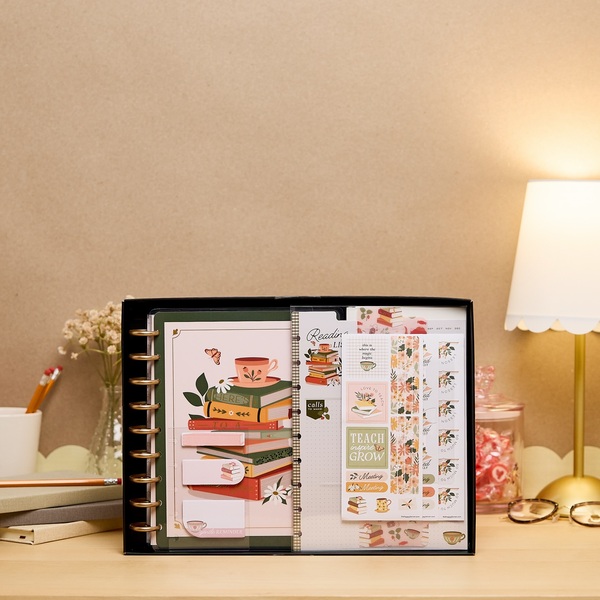
The Happy Planner’s standard customizable planners run $25-$50, while specialty-themed planners (like the Disney Best Pals 12-month) cost $39.99. The disc-bound base planner is the lowest entry point of any premium planner brand on the market, with the aftermarket accessories priced separately. A buyer can spend just on the base planner or add discs, dashboards, sticker packs, and accessories over time. The VIP rewards program returns points on every purchase.
Verdict
Happy Planner wins on the lowest raw entry price, and it’s an honest win. A buyer who needs a $25 planner today and plans to customize it with stickers and dashboards over time is genuinely better off with Happy Planner. Erin Condren sits in the premium middle with predictable pricing and consistent quality across the LifePlanner line.
Plum Paper takes the win on value per customization dollar, specifically: for a buyer who would otherwise pay for layout-specific add-ons, custom inserts, premium covers, and a long-form planner aftermarket, Plum Paper bundles all of that into a single order with a planner that already fits the buyer’s life. The verdict here favors Plum Paper for the buyer who values configuration over absolute lowest price, but Happy Planner’s price advantage is real and worth acknowledging.
Plum Paper vs Erin Condren vs Happy Planner: What Do Customers Think?
Plum Paper
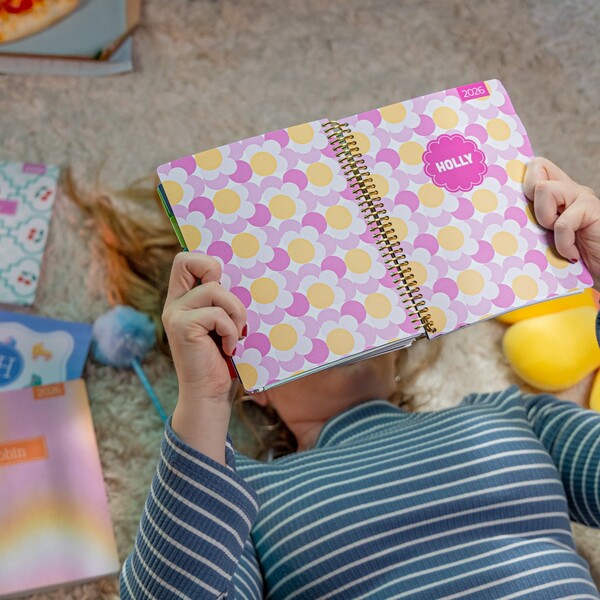
Customers consistently call out the planner’s ability to fit specific planning styles and the flexibility of the customization process. The homepage testimonial captures the recurring theme: “Plum Paper allows me the flexibility to stay organized in a way that works with my brain!! I seriously do LOVE my Plum Paper organizer!!”
The buyer community on Reddit’s r/Planners and on YouTube planner-review channels routinely highlights the specialty layouts as the brand’s standout feature. Teachers in particular tend to write about Plum Paper as the planner that finally matched their lesson-planning workflow, and homeschool parents often describe it as the first planner that handled their multi-student tracking without a hack. Press coverage in Forbes, The Strategist, and Good Housekeeping reinforces the brand’s standing among tastemaker recommendations.
Erin Condren
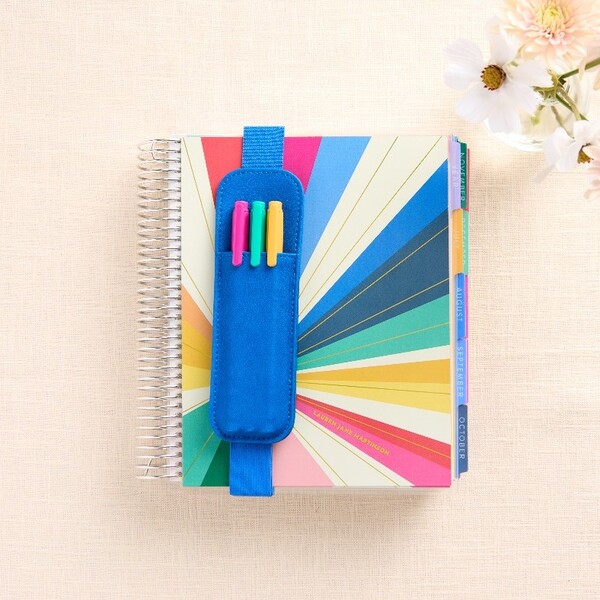
Erin Condren’s three million-plus sold units back the brand’s reach, and the LifePlanner has built a serious community of long-time users who reorder annually. The brand’s 2023 customer survey found that 99% of LifePlanner users said the planner helps them organize their lives, 98% said it brings them joy, and 95% said it helps them be more productive.
The Trustpilot review mix is more variable than the survey numbers. Recent reviews include positive notes on the LifePlanner’s design variety and personalization options, alongside some criticism of cover quality at the lower-priced tiers (specifically the laminate finish on certain covers, which some first-time buyers have called less premium than they expected). The 70+ cover designs and the brand’s strong retail presence at Target and Barnes & Noble give it a wider audience than either competitor on this list.
The Happy Planner
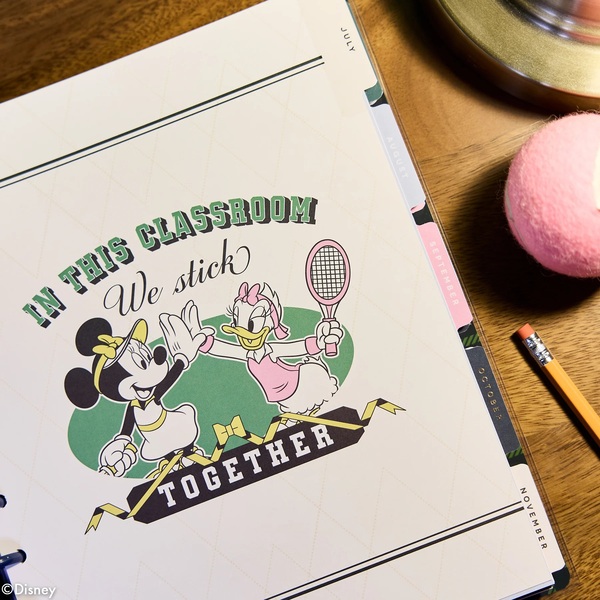
The Happy Planner’s customer reviews live mostly on the brand’s own product pages and in the disc-bound planner community. Product-level ratings on themed collections are strong (the Disney Best Pals 12-month planner sits at 4.8 out of 5 across 8 reviews at the time of writing, with sticker packs and accessory packs consistently in the 4.7-5 star range across hundreds of reviews per collection).
The recurring sentiment in those reviews is the joy of the themed designs and the flexibility of the disc system. Buyers who get into the Happy Planner ecosystem tend to expand into the aftermarket (sticker packs, accessory packs, dashboards) over time, which means the planner becomes a long-term hobby as much as a planning tool. Critics of the brand note that the sticker and accessory ecosystem can get expensive over time, but the entry-level planner pricing keeps the initial commitment low.
Plum Paper vs Erin Condren vs Happy Planner: Promotions and Discounts
Plum Paper
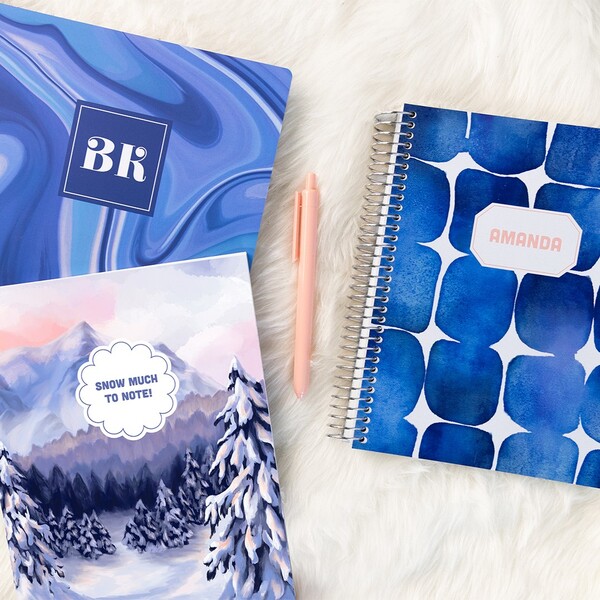
- 10% off your next order with email signup (current standing promo)
- Reorder template saving for repeat customers (previous orders save as templates)
- Gift cards available
Erin Condren
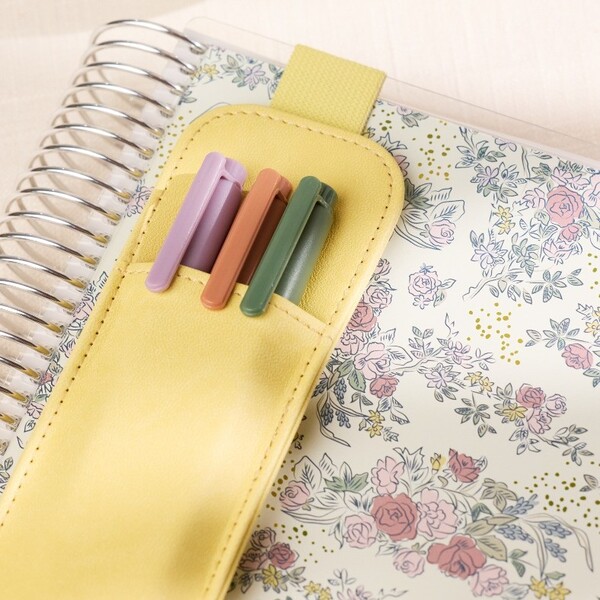
- Email signup discount (varies, typically 10-15% off first order)
- Seasonal sales rotating through the calendar
- Loyalty rewards through the Customer Care program
- Snap-in cover trade-up options for existing LifePlanner owners
The Happy Planner
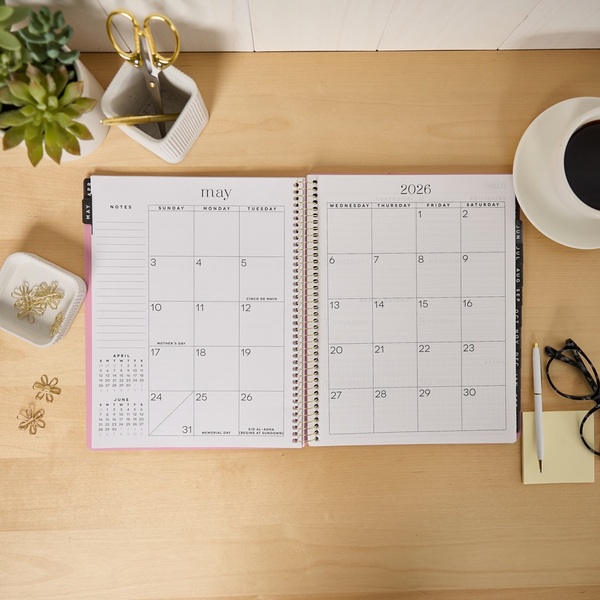
- VIP rewards program (earn points on every purchase, redeem for discounts and exclusive items)
- Frequent sitewide and category sales (40-60% off discs, sticker packs, and selected accessories at the time of writing)
- Bundle pricing across themed collections
- Retail availability at Michaels and Hobby Lobby with separate promotional cycles
Verdict
For customization-loyal repeat ordering, Plum Paper’s setup pays off across multiple years. With their 10% off promo, combined with the reorder-template feature, favors buyers who want a custom planner without re-entering their preferences every year.
On the other hand, The Happy Planner has the most active promotional cycle and the lowest steady-state pricing, which is a real advantage for buyers shopping primarily on price. And, Erin Condren’s loyalty rewards and seasonal promos can work well for repeat customers who reorder annually.
Plum Paper vs Erin Condren vs Happy Planner: Shipping and Returns
Plum Paper
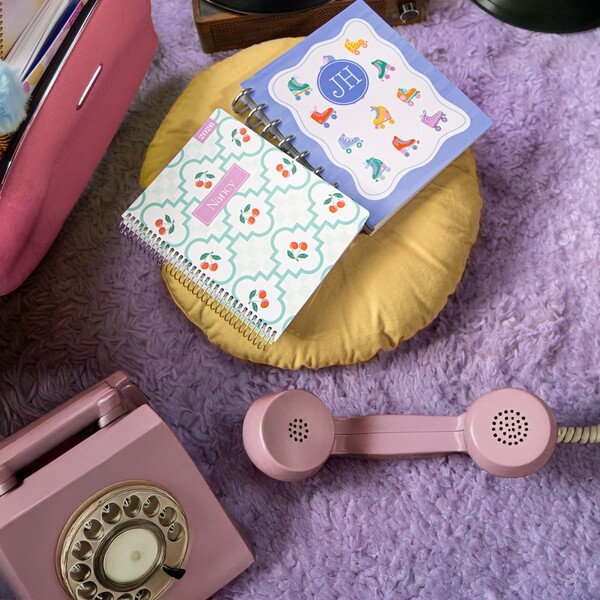
Plum Paper planners are made to order, which means production takes longer than off-the-shelf alternatives. The brand publishes current shipping timeframes on its site and typically runs 2-4 weeks from order to delivery during peak seasons. Customer service runs Monday through Friday from 8 AM to 4 PM Pacific via email ([email protected]), and the brand handles customization changes and order revisions through that channel. Returns on custom-made products are limited per the brand’s policy.
Erin Condren
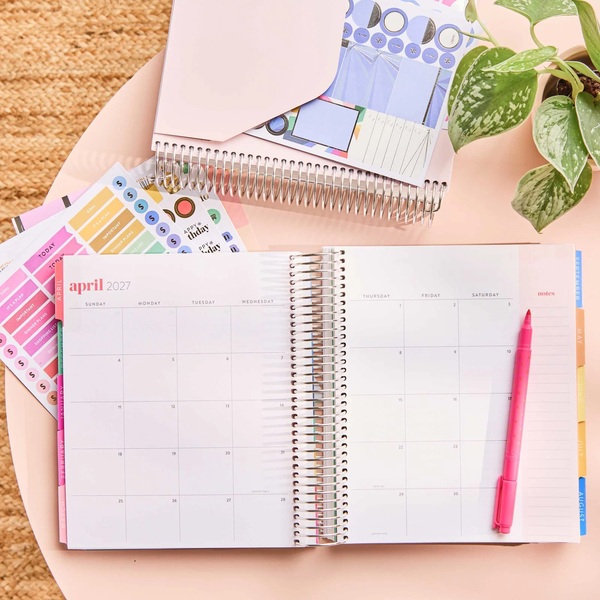
Erin Condren ships from US warehouses with standard ground and expedited options. LifePlanners typically ship within 1-3 business days for in-stock products, since the planners are pre-manufactured rather than made to order. The brand offers a return window for standard products, but personalized items (custom photo covers and monogram covers) are final sale. Customer service is available via phone, chat, and email through the Customer Care portal.
The Happy Planner
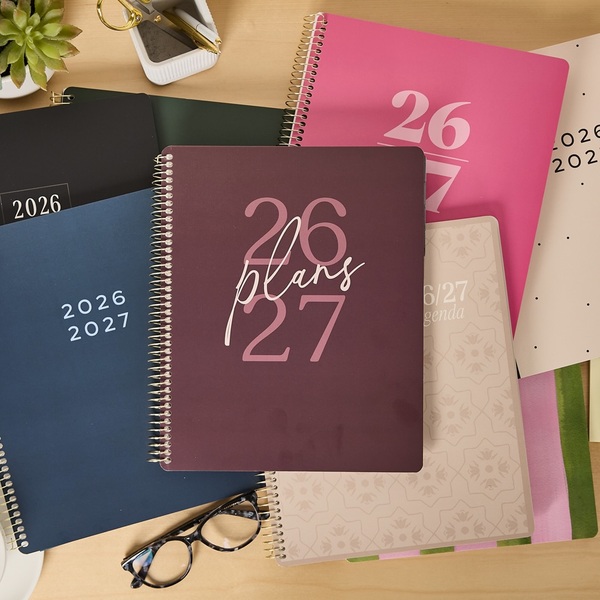
The Happy Planner ships from US warehouses via standard ground. Most products are in stock and ship within a few business days. The brand offers a return policy on standard products in original condition. Retail availability at Michaels and Hobby Lobby gives buyers a same-day pickup option for many of the standard planners and accessory packs, which is unique among the three brands on this list.
Verdict
Erin Condren and The Happy Planner both win on shipping speed because their planners ship from inventory rather than being made to order. The Happy Planner adds the unique advantage of same-day retail pickup at Michaels and Hobby Lobby. Plum Paper’s made-to-order model is a real tradeoff: the buyer waits longer, but the planner that arrives has been built specifically for them. For buyers who can plan ahead and want customization, the wait is worth it. For buyers who need a planner this week, the competitors are faster.
Who Will You Shop With in 2026?
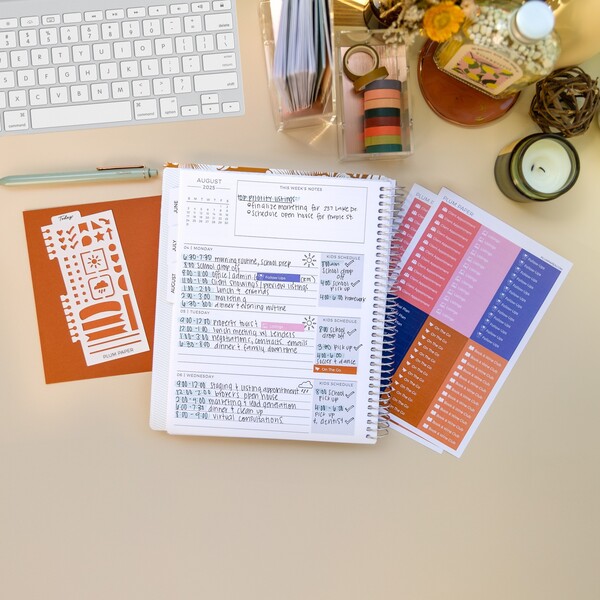
For buyers shopping the custom planner space in 2026, the choice between these three brands comes down to philosophy more than product. For buyers who actually want to customize a planner (rather than choose from a small set of pre-made options or build a planner through aftermarket accessories), Plum Paper is the clear pick among the three. The 25+ layouts, including the specialty teacher, student, homeschool, and financial options, handle planning use cases that the competitors don’t offer at all. The custom start month and custom duration make the planner usable on the buyer’s schedule rather than the brand’s release calendar. The 25 hardcover designs with disc, coil, or gold coil binding give a wide cover-and-binding configuration space, and the handmade-in-San-Diego production model keeps quality consistent with the customization depth.
Erin Condren is a real choice for buyers who care more about cover aesthetics than interior customization. The 70+ cover designs, strong brand identity, hand-coiled US production, and retail availability at Target and Barnes & Noble make the LifePlanner the easiest premium planner to discover and reorder. For buyers who want a beautiful planner with good (not extreme) customization, Erin Condren is the safer brand-recognition pick. The Happy Planner is the best value entry point and the right call for buyers who want to start with an affordable base planner and build customization over time through the disc system and aftermarket ecosystem.
Across the three brands, the trade-off between Plum Paper’s customization depth and competitors’ shipping speed and entry price advantage is real. For buyers who can wait two to four weeks for a planner that genuinely fits how they plan, Plum Paper delivers more configuration per dollar than either competitor. For buyers who need a planner this week or want the lowest entry-price option, the competitors win on speed and price. Whichever brand you pick, one rule holds across all three. Plan the customization carefully before ordering, especially for the made-to-order Plum Paper builds, since a planner is a year-long commitment and worth taking the time to set up right.


Ask the community or leave a comment
WRITE A REVIEWCustomer Reviews
Leave a review