
Age is one of the hardest details to pin down with adopted and rescue dogs. Shelter intake forms, surrendered notes, and quick visual assessments often lead to age ranges that do not quite match how a dog moves, behaves, or responds over time. A dog listed as “around two” might show clear signs of slowing down, while an “older” dog can suddenly act younger once they feel safe, nourished, and settled.
Dog age tests help cut through that guesswork. By analyzing biological markers rather than just teeth, coat, or energy level, these kits provide a more realistic estimate of where a dog is in their life stage. That information directly shapes daily care: how long walks should be, which food formula makes sense, what to prioritize at vet visits, and when to watch for age-related changes.
The options on the market are still limited compared with standard DNA kits, but several age tests stand out. Some estimate a likely birthday window, others track biological aging, and some pair results with stage-based care guidance. The products below are the tests that consistently deliver age estimates and insights that can be used to make smarter decisions about a dog’s long-term health and routine.
1. Embark Dog Age Test

The Embark Dog Age Test stands out for accuracy and practical usefulness, especially for dogs with uncertain backgrounds. The test estimates biological age and provides a likely birthday window by analyzing DNA methylation. It’s an approach that gives a clearer picture than relying on teeth, coat, or behavior alone.
What separates this test from basic age guesses is the context it provides. Results include life-stage guidance developed with veterinarians, helping dog owners understand how much activity, joint support, and nutritional adjustments make sense at different phases of life. It is also a strong fit for rescues or adopted dogs whose history is incomplete or conflicting.
Turnaround time averages four to five weeks, and the process is built around a simple cheek swab. Once results arrive, owners gain a realistic timeline of where their dog is developmentally, which makes planning long-term care significantly easier.
Highlights
- Estimates your dog’s age and gives a likely birthday
- Includes life stage info created with veterinarians
- Uses DNA methylation, which tracks aging patterns more accurately than physical signs
- Works best for dogs past the puppy stage
- Results land in about four to five weeks
- Good fit for anyone caring for a rescue or a dog with an unknown background
2. EpiPaws pet age test

EpiPaws focuses specifically on age estimation, making it a strong option when the main goal is to understand where a dog falls on the life-stage timeline. The test uses DNA methylation patterns to estimate biological age and provide a birthday window, which is often more reliable than visual cues alone—especially in dogs whose teeth, weight, or coat condition are misleading.
Results include straightforward life-stage guidance that helps owners align exercise, nutrition, and vet care with the dog’s actual age range.
Then, the test is slower in terms of turnaround, but if you want something focused solely on age, this is a solid pick. It leans more toward basic age insight without the extra layers of data some of the bigger DNA companies add. In other words, it is a simple, focused choice when detailed breed or trait data is not a priority.
Highlights
- Estimates age using DNA methylation
- Gives an age window and a likely birthday
- Offers simple life stage info
- Results usually take about four to six weeks
- A good standalone option if you only care about age
3. DNA My Dog premium test (genetic age)
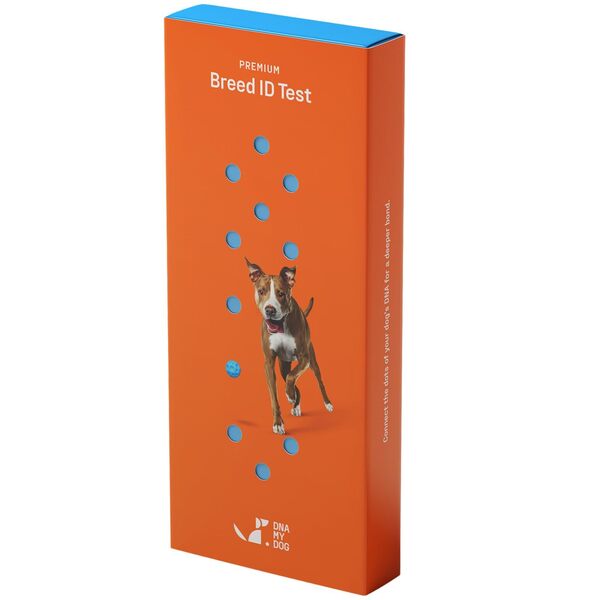
DNA My Dog’s premium option combines a basic breed report with a genetic age estimate, giving a broad snapshot of who the dog is and roughly where they are in their lifespan. The test is relatively budget-friendly and easy to explain, which makes it a common choice for adopters and rescue organizations working with limited information.
The biological age estimate helps set realistic expectations around energy, training needs, and long-term care without overwhelming the user with complex data. Results arrive quickly and are presented in a straightforward, readable format.
Highlights
- Estimates biological age using their genetic markers
- Includes basic breed and trait info
- Clear, quick results
- More affordable than most age tests
- Good option for rescues or adopters who want something simple
4. WoofAge DNA birthday test kit

WoofAge is designed for dog owners who want age clarity with extra context around life stage. The test estimates a likely birthday and age range using DNA methylation, then pairs those results with care suggestions tailored to that stage of life. The emphasis is on practical guidance rather than an overload of technical detail.
The report reads more like a structured age-and-care overview than a dense lab document, which makes it especially useful for dogs coming from unknown or unstable backgrounds. Knowing whether a dog is entering, in the middle of, or moving past adulthood makes it easier to adjust exercise, diet, and monitoring accordingly.
Highlights
- Estimates birthday and age range using DNA methylation
- Places your dog in a specific life stage
- Includes care suggestions based on age
- Good for dogs with unclear medical or behavioral history
- Results take about four to five weeks
5. myDogDNAge Biological Age Test

myDogDNAge is a biological-age test designed to estimate how old your dog is at the cellular level rather than by appearance. Using a simple cheek swab, the test analyzes epigenetic patterns that change as dogs age.
Highlights
- Estimates your dog’s biological age using epigenetic analysis.
- Uses a simple at-home cheek swab.
- Helps identify if your dog is aging faster or slower than average.
- Offers insights that support diet, exercise, and care decisions.
- Designed for proactive, long-term health monitoring.
The result is a report that shows whether your dog is aging faster, slower, or right on track compared to typical dogs of the same size and type. It’s meant to give owners a clearer picture of their pet’s internal health and overall aging process.
Beyond age estimation, the test also provides insights that can help guide long-term care decisions. By understanding how your dog’s body is aging, you can adjust diet, exercise routines, and wellness plans to better support their health.
It’s a tool meant for proactive pet care—helping owners identify potential age-related concerns earlier and make more informed choices for their dog’s lifestyle and longevity.
How To Use Dog Age Results?
Dog age results can seem like fun trivia at first glance, but they become far more valuable when applied to everyday care. A clearer understanding of a dog’s life stage makes decisions more accurate, prevents avoidable issues, and supports long-term health in practical ways.
Adjust diet with intention
Life-stage nutrition matters. Young dogs often need higher protein and calories to support growth, while older dogs do better with joint-friendly formulas and meals that are gentler on digestion. Aligning food choices with age prevents underfeeding or overestimating what a dog’s metabolism can handle.
Set exercise levels that match life stage
Activity needs shift over time. Younger dogs typically benefit from longer walks, structured play, and more mental work. Mature and senior dogs usually need shorter sessions with planned rest. Matching the intensity to the dog’s age helps protect joints and avoid unnecessary strain.
Bring up the right screenings at vet visits
Knowing age helps determine which health checks to prioritize. Young adults benefit from growth and behavior evaluations. Middle-aged dogs often need baseline bloodwork. Seniors typically require more frequent monitoring to catch changes early.
Spot age-related changes sooner
The correct age range makes it easier to recognize when something isn’t just “slowing down.” Conditions such as arthritis, cognitive changes, and dental issues show up differently depending on life stage, and age data helps differentiate between normal aging and early warning signs.
Support realistic expectations
Dogs with unknown or unstable backgrounds often behave differently once they feel safe. An accurate age estimate helps set training goals, adjust routines, and understand what the dog is capable of at that point in their development.
Why an Age Test Matters for Rescue Dogs?
Age estimates for rescue dogs are often built on guesswork. Stress, nutrition, past living conditions, and inconsistent care can easily distort the physical signs typically used to gauge age. An accurate DNA-based age test removes that uncertainty and replaces it with information that actually supports better long-term care.
Shelter estimates can be misleading
A dog under significant stress may look older than they are, while a timid or under-stimulated senior may appear younger. Teeth, coat texture, and behavior provide clues, but none of them offer a precise answer. An age test closes that gap so care decisions aren’t based on assumptions.
Age labels influence adoption outcomes
A dog listed as “senior” often gets fewer inquiries. A dog labeled as “young” may be adopted by someone unprepared for higher energy levels. Accurate age testing gives each dog a fairer chance by aligning expectations with reality.
Incorrect age affects healthcare
An underestimated age can delay critical screenings and joint support. An overestimated age may push a dog into senior-care protocols before necessary. Knowing the correct life stage helps owners and veterinarians make timely decisions.
Training plans depend on life stage
Understanding whether a dog is still developing or entering maturity shapes the structure of training, exercise, and behavior management. Clear age information avoids mismatched expectations and frustration on both sides.
Care plans become more accurate
Age testing provides clarity that leads to better feeding guidelines, appropriate activity levels, and predictable life-stage transitions, especially valuable for dogs with unknown or inconsistent backgrounds.
Give Your Dog Care That Matches Their Real Age
A dog’s true age influences everything, from nutrition and exercise to veterinary planning and the strategies that make daily life smoother. When the guesswork disappears, decisions become easier and caregivers gain confidence knowing they’re supporting the dog’s actual needs.
Embark’s Age Test stands out for its detail, accuracy, and clear life-stage guidance. It offers an estimated birthday window, a realistic age range, and insights built with veterinary input, all valuable for dogs with unclear histories or those whose physical cues don’t tell the whole story.
Understanding a dog’s true age is more than information. It’s a way to give them care that finally aligns with where they are in life, and it makes every choice that follows more grounded, thoughtful, and effective.
Check out some of our other curated lists:





Ask the community or leave a comment
WRITE A REVIEWCustomer Reviews
Leave a review