
In partnership with The Farmer’s Dog
Table of Contents
About The Farmer’s Dog
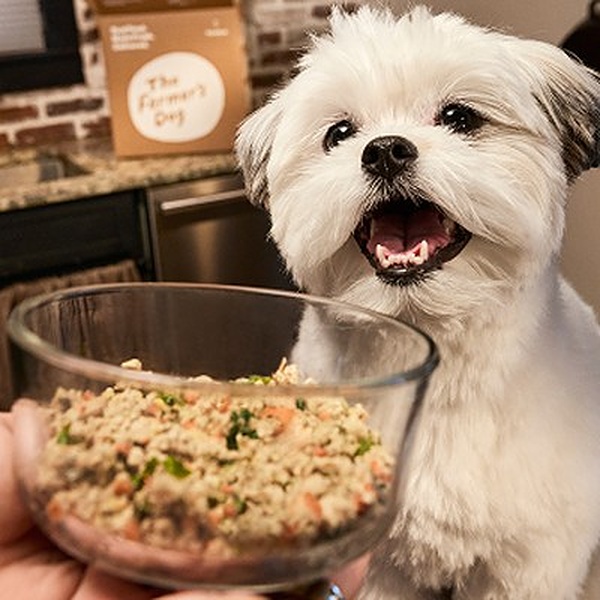
The bag in the pet food aisle shows a cut of steak beside fresh carrots. Nothing on the front tells you how much meat is inside or what happened to it on the way to becoming a dry brown pellet. Pet food packaging is allowed to say a great deal while disclosing very little, so a decision people care about gets made on the strength of a photograph.
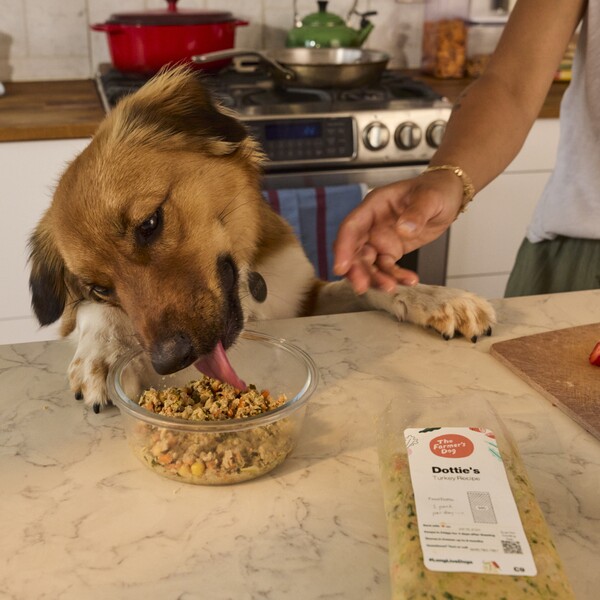
The Farmer’s Dog built a business on removing that ambiguity. The company sends freshly made, human-grade food to your door, pre-portioned for one specific dog, in packs you keep in the freezer and thaw as you go. It has been around for about a decade, has delivered more than a billion meals, and has become the brand most people picture when they hear the words fresh dog food.
The pitch rests on three things. Recipes are formulated by on-staff Board Certified Veterinary Nutritionists® and production runs in facilities registered for both human and animal foods, operating to human food safety standards. Fresh food plans are portions that are calculated for your dog’s individual needs instead of scooped against a weight range printed on a bag.
Whether that combination justifies the cost and which households it suits in practice deserves closer scrutiny than the marketing gives it. The research, the tradeoffs, and the parts the brand talks about less are what we’ll get into below.
Highlights
- The Farmer’s Dog delivers freshly made, human-grade food, pre-portioned into daily packs for one specific dog.
- Recipes are developed by on-staff Board Certified Veterinary Nutritionists® to meet or exceed AAFCO requirements and WSAVA guidelines.
- Food is gently cooked at low temperatures and then quickly frozen, rather than extruded at high heat.
- Production happens in facilities that handle human food, under human food safety and handling standards.
- More than one billion meals have been delivered across roughly a decade in business.
- Freshly made food sits around 71% moisture, against roughly 6% for dry food.
- A 2024 University of Illinois study found that extruded food came last on all four digestibility measures tested against other formats.
- Instant Fresh is a shelf-stable line made with low-heat drying, aimed at households short on freezer space.
- Personalized meal plans have been available through retail since April 2026.
- Snap Sticks training treats reached retail on August 1, 2026, as a one-time purchase.
- The introductory discount is 50% off the first box, with free shipping on every order.
Why You Should Trust Us
Our mission is to help you make better, more informed purchase decisions.
Our team spends hours researching, consulting with medical experts, gathering insight from expert professionals, reviewing customer feedback, and analyzing products to provide you with the information you need.
The Farmer’s Dog Review
The word “fresh” gets used loosely across this category, so it helps to be specific about what arrives. The Farmer’s Dog makes food from whole meats and vegetables, gently cooked at relatively low temperatures to kill pathogens while maximizing nutrition and moisture, then quickly frozen for delivery.
Frozen Fresh is the brand’s original gently cooked food, delivered in pre-portioned daily packs. The Farmer’s Dog also offers treats, providing another option for dog owners looking to incorporate the brand into their pet’s daily routine. Frozen Fresh meals and treats are currently available through Amazon.
What follows covers how the food is made and planned, what the published research does and doesn’t show, what it costs, what customers report, and which households it fits.
Unique Features
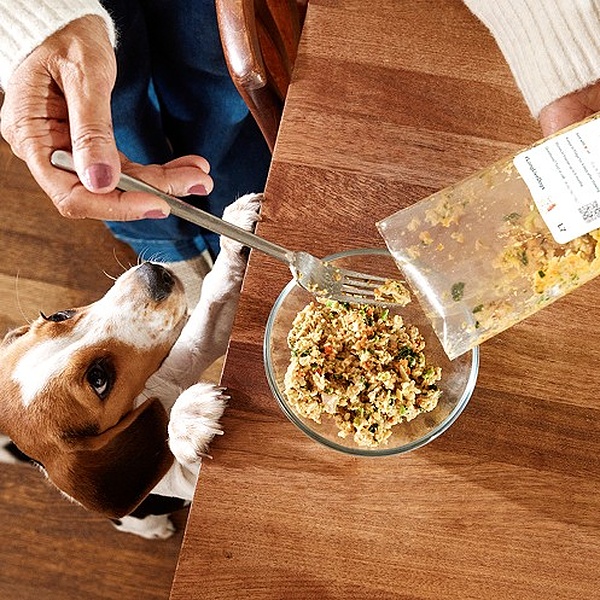
Six things separate the operation from a bag on a shelf. Some are about the food, and some are about the system that decides how much of it your dog gets.
1. Freshly made, human-grade food
Whole meats and vegetables go in, gentle cooking at low temperatures helps retain nutrients, and quick freezing preserves the result without stripping the moisture or adding preservatives. The distinction the brand draws hardest isn’t freshness on its own. Plenty of products call themselves fresh while being produced to animal feed standards. Their food is made in facilities that follow human food safety and handling rules, and the company says it checks each batch before it ships.
2. Recipes developed by on-staff Board Certified Veterinary Nutritionists®
Board Certified Veterinary Nutritionists® are a small profession, and most pet food brands contract the work out or consult on a formula once and move on. The Farmer’s Dog keeps them on staff, and the recipes are built to meet or exceed AAFCO requirements and WSAVA guidelines. The company also states that multiple recipes carry the AAFCO feeding trial statement, which is the stricter of the two routes to a complete-and-balanced claim.
3. Pre-portioned daily packs
Food arrives frozen in packs labeled with your dog’s name, each one holding the proper portion calculated for that dog. There’s no scoop and no weight range to interpret. You thaw the next pack when it’s time, and the pack itself has the measurement.
4. A plan built around your dog
You answer questions covering age, breed, weight, body condition, activity level, and neuter status, and a plan comes back with portions calculated from those answers. The brand is particular about one distinction here, and it’s a fair one. The plan is personalized. The recipes are not. You’re getting a complete and balanced recipe portioned to your dog’s calculated needs, not a custom formula assembled ingredient by ingredient.
5.Research and publications
Most pet food brands don’t publish. The Farmer’s Dog has been funding and putting out research, including a year-long study of senior dogs run with Cornell researchers and published in Metabolites in October 2025, and it put a further $10 million toward veterinary research in March 2025. Read it with care, for reasons the next section gets into.
What Fresh Food Does, According to the Evidence
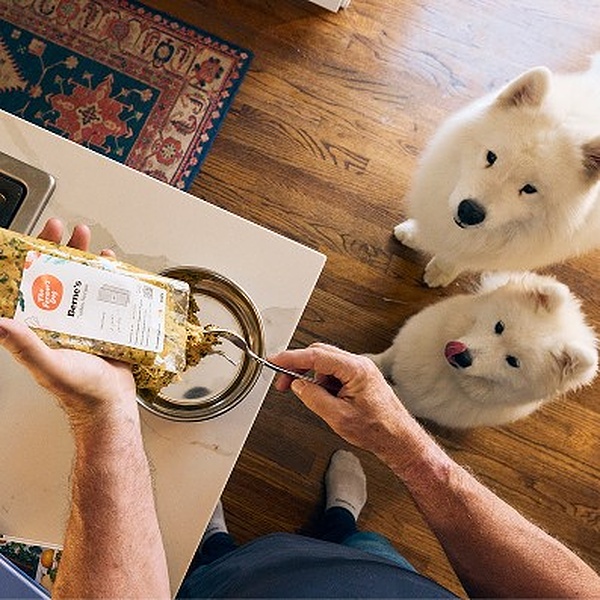
Here’s the educational part, and the part where it pays to separate what’s demonstrated from what’s inferred. Some of these claims have independent support behind them. Others rest on studies the brand paid for.
Digestibility
Fresh, human-grade food is highly digestible, meaning a dog can absorb more of the nutrients in the bowl instead of passing them through. Smaller, firmer stools are the visible result, and they’re often the change owners notice first.
The evidence behind this is reasonably strong. Compared with extruded diets, gently cooked fresh food tends to perform better on measures such as dry matter, protein, fat, and energy digestibility. Dogs eating fresh food may also produce less fecal matter and require less total food to maintain body condition.
There’s an important caveat, though. These comparisons don’t isolate processing alone. The diets typically differ in both how they’re made and what they’re made from, so it’s difficult to say how much of the difference comes specifically from processing. Some of the research has also been supported by fresh-food companies, which is worth keeping in mind when interpreting the results.
Still, the overall direction of the findings is consistent: fresh, gently cooked diets appear to be highly digestible, although the question is not completely settled.
Moisture
Dry food has around 6% moisture. Freshly made food sits around 71%. A dog eating dry food has to make up that difference at the water bowl, and many don’t entirely manage it. A 2025 study in Frontiers in Veterinary Science measured total daily water intake and found that dogs on fresh food reached 141% of their minimum water requirement, against 102% on dry.
Two honest notes belong with that. The study was fully funded by The Farmer’s Dog, two of its three authors were employed there, and the third was affiliated with the company alongside a Cornell position. And a second arm of the same work found that dogs on canned food took in significantly more water than dogs on fresh, with both groups meeting their requirement. Moisture is doing the work here, not freshness as such.
Portion control and weight
The claim with the most weight behind it is also the least glamorous. Plans arrive pre-portioned for each dog’s calculated needs, which makes weight management easier than scooping from a bag and estimating.
The reason is that maintaining a healthy weight is a proven longevity booster, and lean dogs can live up to 2.5 years longer. That figure comes from a large 2019 study of roughly 51,000 dogs across 12 breeds, and it’s worth reading precisely, because it’s widely misquoted. The 2.5-year figure is the upper end of a range, seen in male Yorkshire Terriers. Male German Shepherds sat closer to five months. The finding is real, and it’s about body condition rather than about any particular food.
So the chain runs like this. Pre-portioning makes it easier to keep a dog lean. Lean dogs are associated with living longer. The food isn’t doing the work on its own.
Coats, immune support, puppies, and seniors
Gentle cooking preserves vital nutrients that can help support immune system function. Fresh food supports healthy skin and glossy coats. Puppies do well on it and can start once weaned, with plans easy to update as their needs change. For seniors, the moisture and the easy digestibility suit older mouths and older bodies.
Where the evidence gets contested
The senior sled dog study published in Metabolites in October 2025 found favorable metabolic markers within a month of switching. In December 2025, a pet food consultancy published a detailed methodological critique arguing the study was confounded, since the diets differed in composition as well as processing, and questioning some of the nutrient calculations. The Farmer’s Dog responded that limitations were transparently acknowledged and that the critique came from a firm serving conventional manufacturers.
There’s a commercial interest on both sides here. The fair reading is that fresh food research is young, improving, and not yet settled, and any article telling you otherwise is selling something.
How Much Does The Farmer’s Dog Cost?
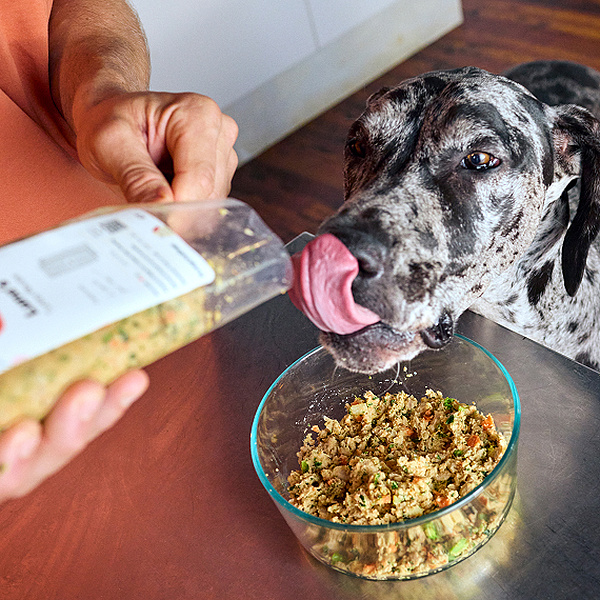
Price is quoted per dog, per day, after a questionnaire covering age, breed, weight, body condition, and activity level. A small dog eats less, so the food costs less. A large dog eats more, and the food costs more. Any single number published as the price is wrong for most of the dogs reading it, which is why the independent trackers that do publish pricing tables disagree with each other by as much as two to one inside the same weight band.
So we ran the questionnaire ourselves to see how the quote is built, and the structure turns out to be the useful part.
Your daily rate comes back after the questions, tied to your dog’s calculated calorie needs. From there, you pick a feeding level. A full portion feeds fresh food as the whole diet. A mixing plan feeds the same food alongside your dog’s existing meals, and on the quote we ran it cut the daily rate by roughly a third.
The introductory discount arrives in two steps rather than one, which is worth knowing before you budget around it.
- The trial box comes at 50% off. Fourteen days of food, built as a transition that mixes fresh food into your dog’s current meals before moving to full portions.
- Full price applies from the next box onward. So the figure to pay attention to for the price going forward is the one on the checkout screen, not the trial discount rate.
- Shipping is free on every order, with no minimum, and billing runs per shipment rather than monthly.
Fresh food costs more than kibble per calorie, and the gap widens as the dog gets bigger. For a large breed, it’s a real household budget line rather than a rounding error.
One note on the brand’s own framing. The Farmer’s Dog describes plans starting at as little as two dollars a day, and that figure applies to a small dog. The rate a household settles into after the first box is higher, and depends on the size and needs of your dog.
The Farmer’s Dog Review: What Do Customers Think?
Two things are true about this brand’s review record, and reading only one of them gives a distorted picture.
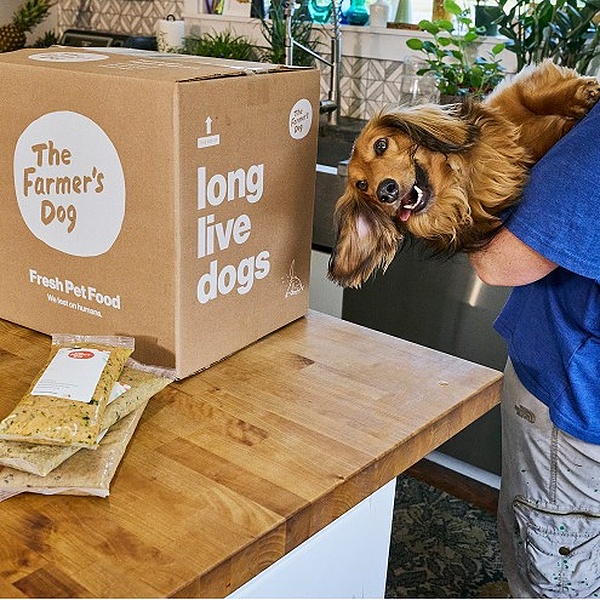
The volume is enormous and mostly positive. Over a billion meals have been delivered, the brand says thousands of veterinary professionals recommend the food, and the recurring themes in positive reviews are consistent. People report their dogs being noticeably more interested in meals. They mention easier cleanup. A striking number praise the customer service specifically. One Trustpilot reviewer wrote that it is “the most compassionate, caring company I have ever dealt with,” which isn’t a sentence people usually write about a food company.
The testimonials the company publishes on its own site cluster around the same two themes, and they’re worth reading as company-selected rather than independent. Pre-portioning comes up constantly. One customer quoted on the site says the packaging in daily amounts means “no measuring, no preparation, just take it out of the fridge and feed.” Picky eating is the other. Another describes years of standing beside her dog at mealtimes to get her to eat, and writes that “now, Winnie can’t wait for her meals.” Both match what the independent reviews report, which is the useful test to apply to any testimonial a brand chooses itself.
The picture on independent platforms is more mixed than the enthusiasm suggests. Trustpilot sits around 3.9 out of 5 across roughly 1,700 reviews, which is good rather than spectacular. Recurring complaints focus on delivery and packaging issues, on some dogs not taking to the food, and on the cost. Worth noting that the BBB picture has changed materially, so older reviews may not fully reflect the current experience.
Overall, the feedback suggests a company with plenty of satisfied customers, but one that isn’t without its share of complaints.
Is The Farmer’s Dog Legit?

Yes, The Farmer’s Dog is absolutely legit. It has operated for about a decade and has delivered more than a billion meals in that time. Its recipes are developed by on-staff Board Certified Veterinary Nutritionists® to meet or exceed AAFCO requirements and WSAVA guidelines, and the company states that multiple recipes carry the AAFCO feeding trial statement rather than relying on formulation alone.
Production runs in facilities that handle human food, under human food safety and handling standards. It has been BBB accredited with an A+ rating since September 2024, it publishes peer-reviewed research, including a 2025 Cornell collaboration in Metabolites, and it put a further $10 million toward veterinary research in March 2025. The April 2026 Walmart.com launch added a second, independently verifiable place to buy.
Is The Farmer’s Dog Worth It?
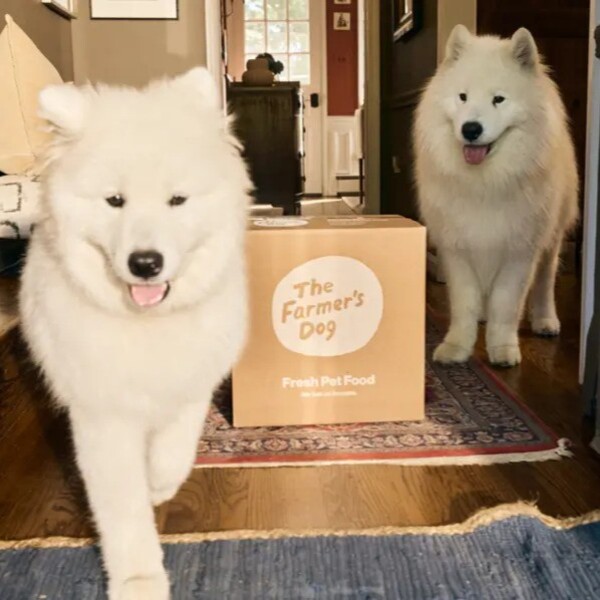
For the right household, The Farmer’s Dog is our favorite fresh food option, and the reasons have less to do with the food itself than with the system around it. Recipes come from on-staff Board Certified Veterinary Nutritionists®, the food is made to human food standards rather than feed standards, and the portions arrive calculated rather than estimated. That last part is the one to point to first. The single most evidence-backed thing an owner can do is keep a dog at a healthy weight, and pre-portioning turns that into the default rather than a project.
The cost is the sticking point, and it should be. For a small dog, it’s a manageable line item. For a large breed, it’s a serious monthly number, and no amount of research changes that arithmetic. The topper route exists for exactly this reason, and feeding fresh food over kibble captures some of the benefit at a fraction of the cost. Plenty of people feed that way on purpose rather than as a compromise.
The fit is clearest for owners who were already thinking about their dog’s food and want the guesswork removed, for anyone whose vet has raised body condition, for owners of picky eaters, for puppies during growth, and for seniors who do better with moisture and easy digestion. It suits less well where freezer space is tight or travel is constant, though Instant Fresh now answers both. It isn’t the right answer for every household, and the cost is real. What it does remove is the aisle. No photograph of a steak on the front of a bag, no guessing at a scoop size, no wondering what the word “natural” was doing there.
The Farmer’s Dog Discounts and Promotions
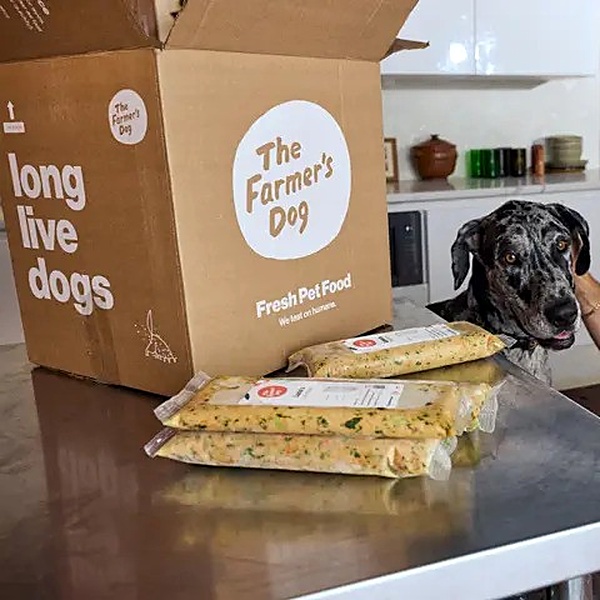
The brand leans on a standing new-customer offer rather than a rotating calendar of sales, so most of the savings sit at the start and in how you feed. Get 50% off your first box of The Farmer’s Dog, now available at Amazon. This gives new customers another convenient way to try the brand’s fresh dog food while taking advantage of an introductory saving.
- The introductory discount is 50% off your first box.
- The site’s standing headline offer is 20% off. Gifted and partner links have been running at 50%, so it pays to check which rate your link carries before checking out.
- Free shipping applies to every order, with no spend minimum.
- The trial box holds 14 days of food and is built as a transition, mixing fresh food into your dog’s current meals before moving to full portions.
- Snap Sticks treats are valued at $11.99, when added to a plan.
- A limited satisfaction guarantee covers new trial customers. Read the terms on the site, since it isn’t a blanket money-back policy.
- The plan builder supports fresh food as a topper over kibble, which is the most direct way to lower the monthly cost.
- Plans can be paused, adjusted, or cancelled at any time, and billing runs per shipment.
Where Can I Buy The Farmer’s Dog?
You’ve got three routes now, which is two more than the brand had a year ago.
The main one is thefarmersdog.com. You complete the questionnaire about your dog, review the plan that comes back, and the food ships frozen in a box with dry ice and a cooler bag. Meal plans run on a subscription, and delivery frequency is yours to set.
The second is Walmart.com. Personalized meal plans launched there in April 2026, still pre-portioned for your individual dog rather than sold as a generic bag. Snap Sticks training treats follow on August 1, 2026, and that listing is a one-time purchase, which makes it the first thing anyone has been able to buy from the brand without signing up for a plan.
The third is Amazon.com, which opened in September 2026 and carries more of the range than anywhere outside the brand’s own site. Fresh food behaves the way it does at Walmart, arriving as a personalized plan with recipes, portion sizes, calories and delivery frequency set for your dog. Snap Sticks sit there as a one-time purchase in Beef and Apple or Pork and Pear, in 3oz and 8oz bags, alongside Crunchy Biscuits on the same terms. Instant Fresh is the one worth knowing about: it’s the shelf-stable version you rehydrate in the bowl, sold in 2lb and 6lb bags of the Chicken and Grain recipe, and Amazon is the fastest way to get a bag of it in the house.
The Farmer’s Dog FAQs
Is the food raw?
No. It’s gently cooked at low temperatures to eliminate pathogens, then quickly frozen for delivery. It is not raw, freeze-dried, or canned wet food.
Does it require a subscription?
Meal plans run on a subscription, which is what keeps the right portions arriving as your dog’s needs change. You can adjust, pause, or cancel whenever you want through their 24/7 customer care team. Snap Sticks training treats have their own listings on the brand’s Amazon storefront, in 3oz and 8oz bags.
Is it complete and balanced?
Yes. Recipes are developed by on-staff Board Certified Veterinary Nutritionists® to meet or exceed AAFCO guidelines, and the company states that multiple recipes carry the AAFCO feeding trial statement. A feeding trial is the stricter of the two routes to that claim, since it requires dogs to be fed the food under monitoring rather than the nutrients simply being calculated on paper.
Can puppies eat it?
Yes, once weaned. Plans update as a puppy grows, so the portions track the change rather than staying fixed.
How long does it keep?
Around five days in the fridge after thawing, and considerably longer in the freezer. Instant Fresh is shelf-stable and needs neither.
Can it be used as a topper instead of a full switch?
Yes, and plenty of people do exactly that to manage cost. The plan builder supports feeding fresh alongside an existing food rather than replacing it outright.
We also recommend checking out similar dog food brands that you and your pet will also enjoy:


Ask the community or leave a comment
WRITE A REVIEWCustomer Reviews
Leave a review