adidas vs Asics Running Shoes: The Better Choice for Daily Miles and Race Days

I’ve logged thousands of miles over the years on pavement, dirt, race courses, and everything in between. I’ve experienced the thrill of hitting new personal records and the frustration of gear that didn’t deliver. Two names always come up when runners talk about trusted brands: adidas and ASICS. I’ve used both in all kinds of conditions, from marathon training blocks to weekend trail runs. Some shoes impressed me. Some fell short. But both brands have a real presence in the running world.
With all the buzz and opinions out there, it can be hard to tell what actually works and what’s just good marketing. That’s why I wanted to break things down in a way that’s honest and useful. If you’re looking for a reliable pair of running shoes and you’re trying to decide between adidas and ASICS, this comparison will walk you through what matters.
Let’s dig in and see which brand truly delivers for runners.
Table of Contents
About adidas
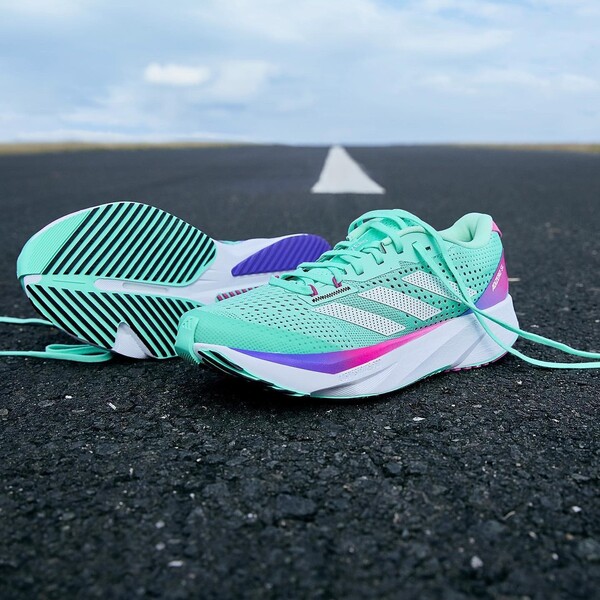
adidas started in Germany in 1949 and has grown into one of the most influential sportswear brands in the world. Its focus has always been performance and innovation, with an eye on how sport can improve lives. The brand makes a wide range of running shoes, from fast, carbon-plated race models to cushioned daily trainers. Technologies like Boost, Lightstrike, and Lightstrike Pro foams have changed how adidas shoes feel underfoot, especially for long-distance runners.
More recently, adidas has leaned into sustainability with products made from recycled materials and a goal of creating a circular product lifecycle. The brand is also visible in elite racing, sponsoring world-class athletes and events, and continues to expand its footprint with both performance and lifestyle gear. It’s a brand that blends sport, style, and technology in a way that feels modern and fast-moving.
About ASICS
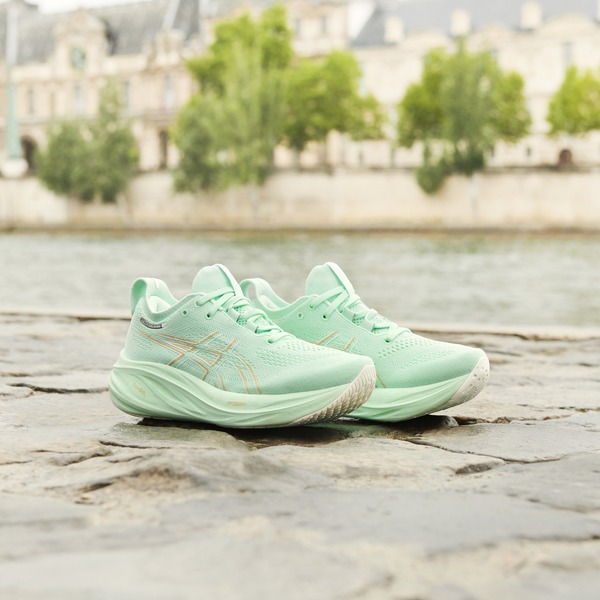
ASICS was founded in Japan in 1949 and stands for Anima Sana In Corpore Sano, which means “a sound mind in a sound body.” The brand has long been rooted in research, with a focus on biomechanics and comfort. ASICS running shoes are known for their GEL cushioning and consistent feel, especially in neutral and stability trainers. The brand takes pride in science-backed innovation, often refining proven features like FlyteFoam midsoles and structured uppers for a reliable fit.
ASICS has built a strong reputation among runners who value comfort and steady support over trends. It operates with a clear mission to help athletes and active individuals reach their goals, and continues to develop performance gear shaped by years of lab testing and athlete feedback.
What to Consider?
If you’re choosing between adidas and ASICS for your next pair of running shoes, it helps to break things down by what really matters on the run. Let’s compare the features that impact comfort, performance, and overall experience from a runner’s point of view. We’ll look at what each brand brings to the table so you can decide which one fits your running goals best.
1. Energy Return and Responsiveness
When I’m picking a shoe for speed workouts, tempo runs, or race day, responsiveness is one of the first things I look for. It’s about how quickly the shoe reacts when I push off and how much energy I get back with each stride. That springy, energetic feel can make a big difference when I’m chasing a personal best or just trying to keep my pace consistent.
adidas

With adidas, the responsiveness is immediate. The Lightstrike Pro foam feels alive underfoot. I’ve used models like the Adizero Adios Pro and even the more affordable Adizero SL, and they’ve all delivered that springy feel that helps me keep a rhythm going. The Energyrods add to that forward motion, which makes a big difference when I’m trying to hold pace or push through tired legs.
ASICS

ASICS does well in this area too, especially with their FlyteFoam Blast+ and Turbo setups. The bounce is soft and noticeable, but in my experience, it feels more vertical. It cushions well, but I don’t always get that same sense of forward roll or momentum. GEL cushioning also adds comfort, but it’s not something I’d choose for speed days
Verdict
I say adidas takes the lead when it comes to energy return. The way its foam and structure work together creates a smoother and more efficient ride, especially at faster paces. It’s the kind of responsiveness that makes you feel like the shoe is working with you.
2. Ride Comfort
I can usually tell right away if a shoe’s going to work for me just by how it feels underfoot during the first few steps. Some days I want something soft and cushy, especially on recovery runs. Other times, I prefer a firmer feel that keeps me connected to the ground. Either way, comfort plays a big role in how my legs feel at the end of a run.
adidas

With adidas, I’ve found a lot of variety in how the shoes ride. The Supernova models give me that plush, stable feel when I need something gentle on my feet. Ultraboost, on the other hand, is noticeably more cushioned, which I like on slower days.
And when I’m logging long miles, the Adistar lineup has the kind of structure and support that keeps me going without feeling weighed down. Across the board, the foam setups feel balanced and modern. They manage to be soft without turning mushy.
ASICS

ASICS is a bit more traditional in how their shoes handle comfort. The GEL cushioning definitely works to absorb impact, and paired with FlyteFoam or Blast+, the ride feels dependable.
Shoes like the GEL-Nimbus or GEL-Kayano are good examples of this. But for me, the ride can sometimes feel flat, especially when I’m looking for more rebound or fluid movement through each stride.
Verdict
I bet adidas comes out ahead here. The comfort feels more refined and better suited to different types of runs. I get the support I need without losing that smooth, natural feel underfoot. It’s the kind of ride that holds up from the first mile to the last.
3. Fit and Feel
The way a shoe wraps around the foot can completely change the running experience. A good fit means no distractions, like no slipping, no rubbing, and no pressure points. It should feel secure but not restrictive, and the upper should move naturally with your stride. Over time, this becomes one of the most important factors in long-term comfort.
adidas

adidas tends to strike a good balance between lockdown and flexibility. The upper materials vary depending on the model, but most feel breathable and adaptive. The Adizero range, for example, offers a performance fit without being overly snug. The Primeknit upper on the Ultraboost molds comfortably to the foot. The padding is kept in check and usually delivers a dialed-in feel that works for both short sessions and long hauls.
ASICS
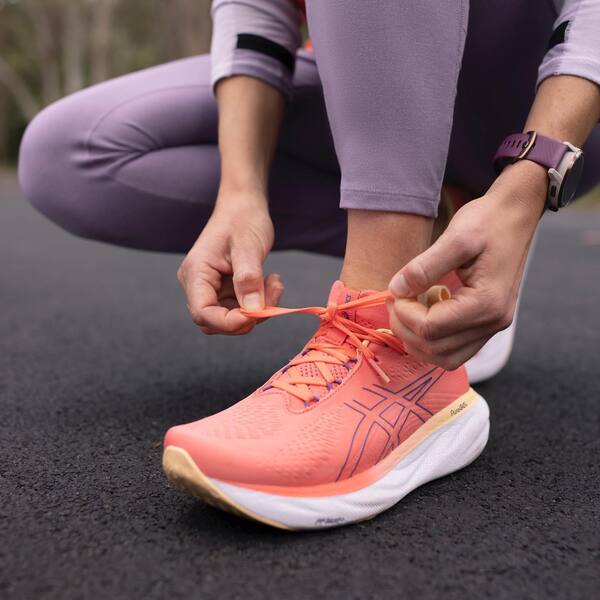
ASICS usually leans more traditional when it comes to fit. Their shoes often have more structure and padding around the heel and collar, which can be great if you’re looking for extra support or a roomier toe box. In some models, especially the more supportive ones, the fit can feel bulky or less streamlined. It’s functional, just not always as fluid when transitioning between pace changes.
Verdict
adidas comes out ahead on fit and feel. The uppers feel more modern and performance-driven without giving up comfort. There’s a lightweight quality across the board that makes each run feel less weighed down, especially compared to the heavier and more built-up feel of some ASICS options.
4. Performance on Long Runs
On longer efforts, the shoe really shows what it’s made of. I notice how my legs and feet respond once the miles start stacking up. Comfort matters, but so does the way the shoe supports my form and helps me stay efficient deeper into the run.
adidas

From my experience, adidas handles this well. The Adistar gives me that steady, supportive feel I rely on for slow, consistent mileage. When I want something with more cushion, the Ultraboost keeps things soft without getting too squishy. Even the lighter Adizero models feel controlled and smooth when I stretch out the distance.
ASICS

ASICS has a few good choices too. The GEL-Nimbus and Kayano hold up for marathon training and offer soft cushioning. But once I pick up the pace or go longer than usual, they start to feel bulkier than I’d like. I just don’t get the same responsive feel that I’ve come to expect from adidas.
Verdict
For distance days, adidas is the brand I keep reaching for. Their shoes stay balanced and responsive even as the miles add up, and that’s exactly what I need when I’m running long.
5. Race Day Performance
When it comes to race day, I need shoes that feel fast, efficient, and built for the job. The weight, propulsion, and responsiveness all need to click into place because even small differences show up when you’re pushing your limits.
adidas
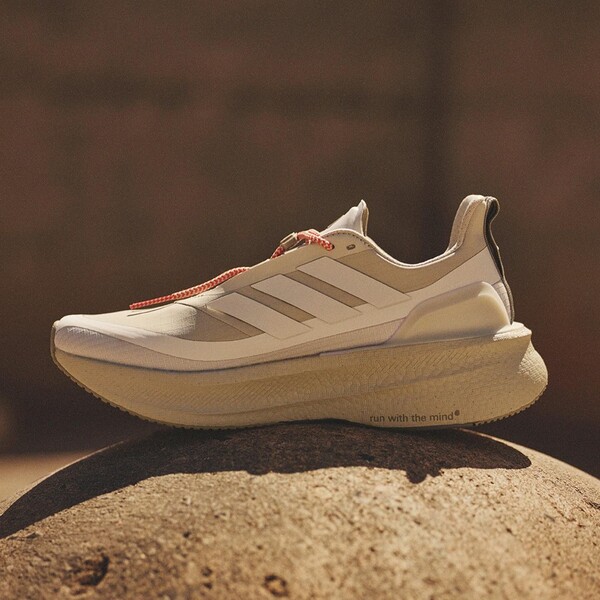
adidas absolutely delivers in this area. The Adizero Adios Pro and Takumi Sen models feel like they’re made for chasing PRs. They’re light, snappy, and loaded with energy. The Lightstrike Pro foam paired with Energyrods gives a strong push-off without feeling harsh. Every step feels like it counts, and that matters when seconds matter.
ASICS
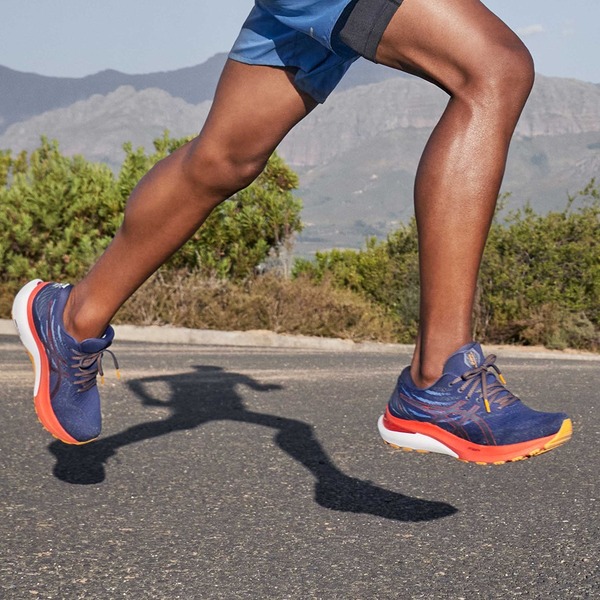
ASICS has a race-ready option with the Metaspeed Sky+ and Edge+, and they’ve gotten a lot of attention for good reason. They offer a smooth ride and a comfortable fit, especially for mid- to long-distance races. But for me, they don’t feel as lively. I find the foam a little flatter on toe-off, and the propulsion isn’t as sharp compared to what I get from adidas.
On race day, I want a shoe that moves with me and keeps energy high from start to finish. That’s why adidas gets the edge. Their race-day lineup feels fast and responsive in a way that pushes me to run harder.
6. Durability and Longevity
Durability matters more than most people think. When I’m training week after week, I need shoes that can handle the mileage without breaking down too quickly. It’s not just about the upper staying intact. It’s also about how well the cushioning and support hold up over time.
adidas

adidas performs well in this area. The Continental rubber outsoles on many of their running shoes provide strong traction and hold up well across different surfaces. I’ve logged plenty of miles in Ultraboosts and Adizero models, and they stayed supportive without losing bounce or structure. The foam doesn’t flatten out too fast, and the upper materials continue to feel secure even after extended use.
ASICS
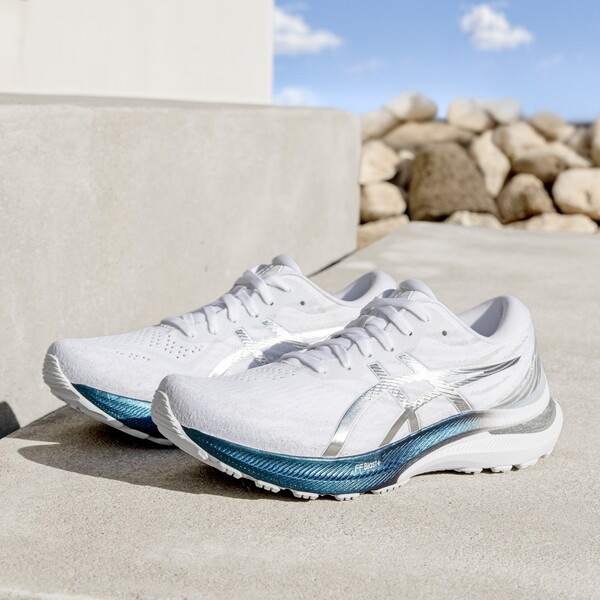
ASICS is also dependable when it comes to build quality. Their GEL cushioning remains stable over time, and the AHAR outsoles are built to last. Some of their models, like the GEL-Kayano, have a reputation for withstanding high mileage. However, after extended use, the foam can sometimes lose that springy feel, which affects the overall experience.
Between the two, adidas holds the advantage for me. The shoes not only last, but they also keep delivering the kind of comfort and performance I started with. That consistency is what makes them more reliable over time.
7. Lightness and Range
For me, how a shoe feels in motion matters just as much as how it fits. I pay close attention to weight, especially during longer runs or tempo workouts. A lighter shoe can make a big difference in how smooth and efficient my stride feels. But I also want something that doesn’t just disappear underfoot, as it needs enough structure to handle different kinds of runs, not just speed days.
adidas

adidas has done a great job balancing both lightness and range. The Adizero line, especially models like the SL and Adios Pro, manages to feel quick without losing stability. Even daily trainers like the Supernova Rise feel light enough to pick up the pace when I need to. I appreciate that I can rotate across their lineup and still get that consistent, responsive feel across different runs.
ASICS

ASICS, on the other hand, leans slightly more toward structured builds. Their lightweight options are improving, especially with shoes like the Novablast or Metaspeed Sky. But some of their daily trainers still feel a bit more built-up, which isn’t always ideal when I want to switch gears mid-run. They work, but don’t always move the way I need them to.
Verdict
I’ve found adidas to be the better option when it comes to lightness and adaptability. If I’m going long, easy, or picking up speed, the shoes feel tuned to what the run demands. It’s light on foot without sacrificing support.
8. Design and Daily Wear
Looks aren’t everything in a running shoe, but I’d be lying if I said they don’t matter at all. I want gear that performs well but also fits into my day when the run is over. A pair I can wear to grab coffee or walk around after training without feeling like I’m wearing bricks on my feet.
adidas

adidas really gets this part. Their running shoes often blend performance with a clean, athletic look that works beyond just workouts. Shoes like the Ultraboost and Adizero SL feel at home on the track but don’t look out of place when I’m running errands. They’ve managed to hit a balance between style and function that feels effortless, especially with their use of color and materials.
ASICS

ASICS is more hit-or-miss for me in this area. While they’ve made progress with designs like the Novablast or the METASPEED series, a lot of their lineup still leans toward the more traditional running shoe aesthetic. It’s not bad, just less versatile if I want a shoe that looks good outside the context of running.
Verdict
adidas edges ahead here by making shoes that feel as good off the run as they do on it. The styling is sharp, and I don’t feel the need to swap them out the moment the workout ends. That kind of versatility matters more than I used to admit.
9. Traction and Grip
Traction matters more than people think, especially when you’re running on wet roads, sharp turns, or uneven terrain. A shoe that grips well can boost your confidence and help you stay efficient, no matter the conditions underfoot.
adidas

adidas consistently delivers strong traction across a variety of running surfaces. Many of their road shoes, particularly in the Adizero and Ultraboost lines, use Continental™ rubber outsoles. I’ve run through wet pavement, loose gravel, and even light trails without feeling unstable. The rubber pattern tends to bite into the surface without feeling bulky, which helps keep transitions smooth.
ASICS

ASICS also has dependable outsole designs. The AHAR (ASICS High Abrasion Rubber) used in many of their shoes does a decent job of handling slick pavement and offers durability as well. The grip is solid, especially in stability models like the GT-2000 or Kayano, but some of their lighter trainers don’t feel as grippy when the conditions get tricky. I’ve noticed slippage here and there in wetter situations.
Verdict
adidas gets the edge here. The traction feels a little more dialed-in, especially across more types of terrain. The Continental™ rubber consistently performs well and makes every step feel more grounded, even when the weather isn’t ideal.
10. Price
How much a shoe costs definitely matters, but I tend to think more about what I’m actually getting for the price: how it performs, how long it lasts, and how it feels on my runs.
adidas

adidas shoes usually fall into the mid to higher range, but there’s real value behind the number. Models like the Supernova Rise and Ultraboost Light are priced around $140 to $190, while race-ready pairs like the Adizero Adios Pro 3 and Takumi Sen 10 go for about $180 to $250.
What makes that price easier to justify is the tech you get: Lightstrike Pro, Energyrods, and reliable comfort over time. On top of that, adiClub offers perks, and seasonal promos help lower the cost for those watching their budget.
ASICS
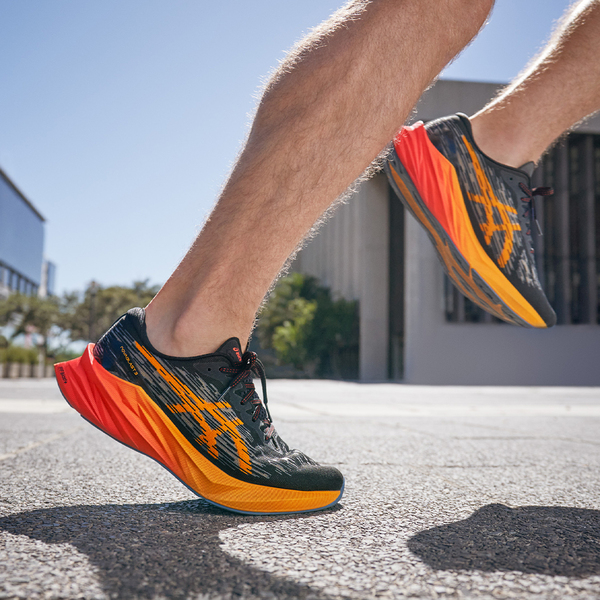
ASICS gives a bit more variety when it comes to price. You’ll find budget-friendly picks like the GEL-Excite or GEL-Contend under $80, which work for lighter runs or casual use. At the top end, shoes like the GEL-Nimbus 26 or Metaspeed Sky+ also climb above $200.
In my experience, though, the more affordable pairs tend to sacrifice energy return and overall ride feel, especially compared to what adidas packs into their lineup.
Verdict
adidas stands out when it comes to value. Even at similar prices, its shoes feel more up to date and performance-driven. I’ve had better long-term wear, more responsive rides, and a more dialed-in experience overall. That’s what makes adidas feel worth the investment.
adidas vs ASICS Running Shoes: What Do Customers Think?
adidas

Many runners highlight how adidas consistently delivers shoes that feel ready to go straight out of the box. There’s a lot of appreciation for how little break-in time is needed. The overall fit and underfoot comfort get mentioned a lot, especially in models like the Adizero Boston, Ultraboost, and Supernova Rise.
“No break-in needed. Right out of the box, the ride felt smooth and stable. Definitely coming back for another pair.”
Performance is another strong point. Runners who train for races, especially tempo runs and marathons, often choose adidas for how light and responsive their shoes feel. The Lightstrike Pro foam and EnergyRods are frequently called out for giving that energetic ride without feeling harsh. People like the balance between bounce and control.
“Super light and responsive. Great for speed work and tempo runs. I feel fast every time I lace them up.”
On the daily wear side, adidas still gets a lot of love for its comfort tech. Models with Boost midsoles continue to be favorites for both casual wear and long miles. The cushioning is described as soft but still stable, which appeals to runners with joint sensitivities or those recovering between hard sessions.
“The Boost foam is just so comfortable. I can walk, run, or even stand in them for hours.”
Durability and quality also stand out. Customers often note that their adidas shoes last longer than expected, especially considering how light some models are. The upper materials tend to hold up well, and outsole grip is another strength across the board.
“I’ve worn these for everything from daily jogs to a half marathon. Still holding up great. Very impressed with the durability.”
There’s also a subtle but consistent appreciation for the brand’s balance of performance and looks. Runners like that adidas gear also transitions well into everyday life, which adds value beyond the run itself.
ASICS

ASICS seems to have a loyal following among those who prioritize comfort and stability. Many runners appreciate how the shoes handle both long distances and everyday wear, especially for those who spend hours on their feet. A common theme is how dependable and comfortable ASICS shoes feel from the very first run.
Several reviewers point out how supportive the cushioning is, especially for people dealing with foot issues like plantar fasciitis or needing reliable shock absorption. One review reads, “Incredibly comfortable and well cushioned. I suffer from plantar fasciitis and have tried many different shoes hoping to find good support. These are comfortable and supportive, even when on your feet for extended periods.”
Durability and build quality come up often, with runners using ASICS for years across different models. A seasoned runner said, “Favorite running shoe. This is my 4th year with ASICS Novablast.” Others praised the lightweight feel and smooth ride during both short sprints and longer efforts. “These shoes are the first shoes that make me feel like I am running without much force.”
People also like how ASICS shoes perform across different settings—whether it’s walking, Jazzercise, training, or marathon prep. One user summed it up well: “Very comfortable, good colorways and my feet don’t hurt while I do walking and running!”
adidas vs Asics Running Shoes: Promotions and Discounts
As someone who shops for running gear regularly, I always keep an eye out for good deals, especially when I’m stocking up on shoes I’ll be training in for months. Here’s how adidas and ASICS compare when it comes to saving opportunities.
adidas

adidas frequently runs seasonal sales and member-exclusive promotions. Signing up for the adiClub not only gives you 15% off your first order but also unlocks free shipping, early access to product drops, and birthday rewards. Throughout the year, adidas also offers up to 40% off during major sale events and often includes their most popular running shoes like the Ultraboost and Adizero lines.
Their online store highlights limited-time offers clearly, and their returns process is free and straightforward if you’re a member. It’s easy to find styles on discount, and shipping is fast, especially with Prime-enabled options.
ASICS

ASICS offers discounts through its OneASICS membership, which includes free shipping, returns, and occasional exclusive offers. New members usually get 10% off their first order. The brand hosts promotions throughout the year, but the sale selection can be more limited depending on the model. Some popular lines like the GEL-Nimbus or Novablast are sometimes included, but not always in the latest colorways or builds.
ASICS’ return window is generous at 45 days, and free returns are available for members. However, I’ve found that discount visibility and timing can be more hit-or-miss compared to adidas.
Verdict
adidas stands out for its wider selection of discounted models, more aggressive promotional campaigns, and member perks through adiClub. It feels like there are more consistent chances to save without compromising on the models or sizing options I want. If you’re a runner who likes grabbing premium shoes at a better price, adidas makes that easier and more rewarding.
adidas vs Asics Running Shoes: Shipping and Returns
Before clicking that checkout button, I always look into how brands handle shipping and returns. It might not seem like a big deal at first, but once you’ve had to deal with slow deliveries or complicated return processes, you learn to appreciate the ones that actually make it easy.
adidas
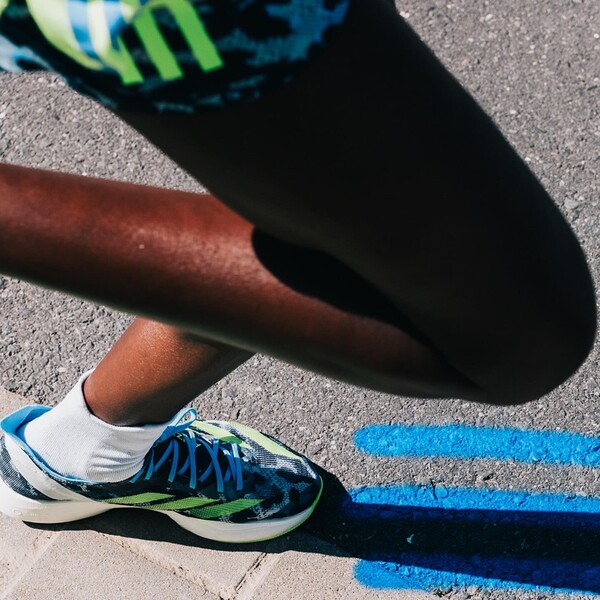
adidas makes the experience feel smooth from the start. Joining adiClub is free and comes with perks like free standard shipping and easy returns. Most orders arrive within two to five business days, and tracking is reliable. Returns are simple and usually processed fast. If you’re a member, you don’t pay for return shipping either. For regular purchases, there’s a 30-day return window, which is more than enough for trying things out.
ASICS

ASICS takes a more traditional approach. Standard shipping is slower, usually around four to seven business days, and there’s a flat $10 fee unless you’re a OneASICS member spending over $50. Faster options cost more. Returns are allowed for up to 90 days, which is a nice plus. That said, only members get free returns. Otherwise, a return by mail comes with a $4.99 charge. You can also return in-store, which helps if there’s a location nearby.
Verdict
adidas handles shipping and returns better overall. You get faster delivery, fewer fees, and a return system that feels more modern and user-friendly. As a runner, I appreciate when a brand makes the whole shopping process easier, and adidas does that from start to finish.
Who Will You Shop With?

After logging countless miles in both adidas and ASICS shoes, I’ve come to a pretty clear conclusion… adidas is the one I keep going back to. Their running shoes strike a balance that’s hard to find. I get cushioning that feels responsive but never too soft, uppers that fit snug without pressure points, and a ride that just works across different runs, from easy jogs to longer efforts. They’ve dialed in something that keeps my feet feeling fresh and supported no matter the pace.
Well, ASICS has its strengths, especially when it comes to structure and support. I’ve used some of their models for recovery runs, and they do a good job keeping things stable. But over time, I’ve found myself wanting more feedback from the ground, more energy with each step, and more variety across different runs. So, that’s exactly where adidas delivers.
If you’re looking for a running shoe that feels right straight out of the box, holds up across miles, and adapts to different kinds of workouts, adidas is the brand I’d recommend.
adidas has earned my trust one run at a time. And if you’re looking for that one go-to pair that can keep up with you, they might just earn yours too.
Check out similar brands you might like:




Ask the community or leave a comment
WRITE A REVIEWCustomer Reviews
Leave a review