Pair Eyewear vs America’s Best: Which Is Better for Everyday Glasses?

Glasses get bought in two very different ways. The first is a chain of more than a thousand shops built around a bundle deal you pick up in person. The second is an online brand built around a frame whose front you can change whenever you feel like it.
Either route puts a prescription in front of your eyes at a price below an optician’s high-street price. What separates them is what happens after that: how much of the range you can actually choose from, what you’re paying for before the upgrades start, and whether one pair of glasses stays one pair of glasses.
Here’s how Pair Eyewear and America’s Best compare on seven things to check before you order.
Table of Contents
About Pair Eyewear
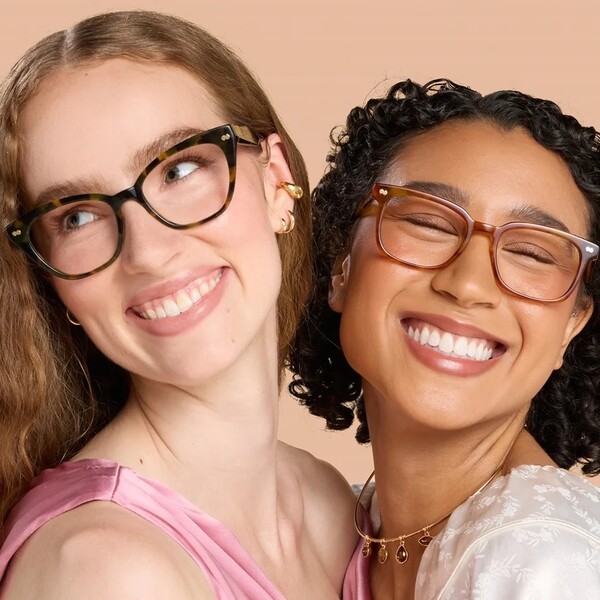
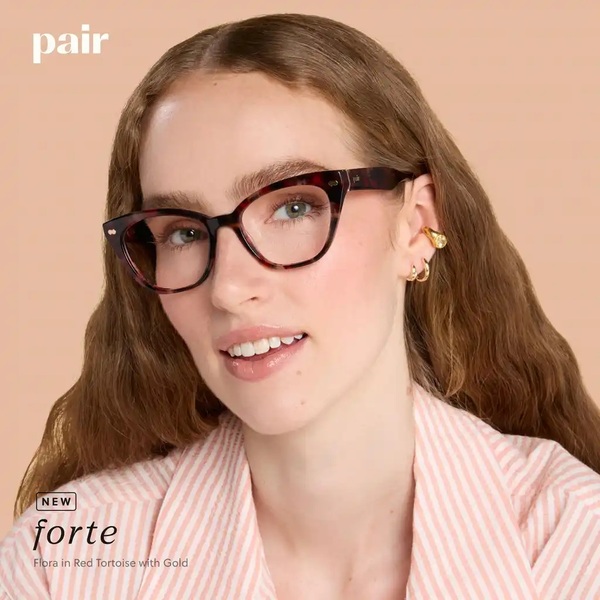
Pair sells prescription glasses in two parts. The Base Frame carries your prescription and stays put, starting at $80 for acetate, $90 for mixed materials, $110 for the Forte collection, and $130 for titanium frames. A discontinued-color tier runs at $60. Single vision, readers, and non-prescription lenses are included in those prices, along with anti-reflective and scratch-resistant coatings, and every lens is made in Pair’s own California lab.
The second part is the top frame, which most people call a topper. A pair of magnets, each weighing under a gram, holds a new front over the base frame, and the system is patented. Toppers start at $25, and the catalogue features over 1,800 designs across patterns, sparkles, and licensed collections from Disney, Marvel, Star Wars, Harry Potter, Pokémon, MLB, and NHL.
Ordering happens entirely online, with a browser-based virtual try-on, free shipping to the US and Canada, and a 30-day return period.
About America’s Best

America’s Best Contacts & Eyeglasses is part of National Vision and operates over 1,000 stores across 31 states and the District of Columbia. The business is built around bundle offers rather than single-pair pricing.
The headline deal is two pairs of glasses plus an eye exam for $95, which covers frames tagged at $79.95 with single-vision uncoated plastic lenses. Bifocal and progressive versions of the same bundle cost $145 and $195, respectively. The offer is badged in-store exclusive. Separately, an online-only code takes 30% off complete pairs, with the exam not included.
Around 1,087 frames are available to browse on the website, with virtual try-on and home delivery. Stores offer free frame adjustments as often as you need them, and an Eyecare Club membership runs $150 for three years, covering 10% off glasses and free exams, though it isn’t valid in California.
What to Consider?
You’ll get glasses on your face for well under $100 either way. So the useful questions are the ones that come after the headline number: how many frames you can actually pick from, what the price covers before you start adding things, whether you can find out what those additions cost, and what you end up owning.
1. Interchangeable Fronts
Glasses are the only accessory most people never take off. The same frame turns up in every photograph, every meeting, every morning in the mirror, for two or three years at a stretch. Plenty of people would happily own several pairs and don’t, because a second prescription pair means paying for the prescription twice. So the question worth asking of any eyewear brand is what it offers someone who wants variety without having to buy the same lenses again.
Pair Eyewear
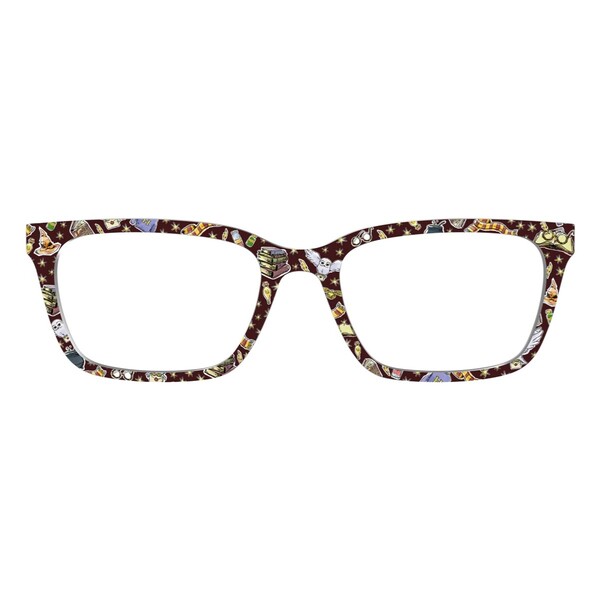
You buy one base frame, then as many fronts as you want. A pair of magnets holds a Topper over the frame, so the same glasses can be tortoiseshell on Monday and a Van Gogh print on Friday. The catalogue runs past 1,800 designs, sorted into florals, plaids, stripes, tortoise, sparkles, gradients, and marble, alongside seasonal drops and licensed collections from Disney, Marvel, Star Wars, Harry Potter, Pokémon, MLB, and NHL.
The swap takes about a second, and nothing touches your prescription lenses, because the magnets sit at the upper corners of the frame rather than clamping anything. Sun Tops work the same way, so a polarized front for the drive home is another $35 rather than a second pair of sunglasses.
America’s Best
A second complete pair. The 2-for-$95 offer is built around buying two sets of frames and lenses at once, which is a genuine way to have two looks.
There is nothing interchangeable in the range. America’s Best sells no magnetic fronts, no clip-ons, and no decorative attachments of any kind, and publishes no accessories catalogue online. Their product categories are eyeglasses, sunglasses, and contact lenses.
Verdict
Pair takes this one on scope. A single frame that becomes 1,800 different pairs of glasses is a different proposition from two frames that stay two frames, and every extra look costs $25 rather than another full pair. Nothing in America’s Best range does anything comparable.
2. Frame Selection
Frame choice sounds like the fun part, and it’s really an elimination exercise. A frame has to fit your face, suit your face, and be something you’d happily put on every morning for the next few years. Each of those cuts the pool down, and they compound rather than add up. Filter a thousand frames by width and bridge, and you might have eighty left. Filter those by shape and color, and you’re down to a handful. So the number that matters isn’t how many frames a retailer stocks. It’s how many are still on the table once the fitting is done and the quoted price is fixed.
Pair Eyewear
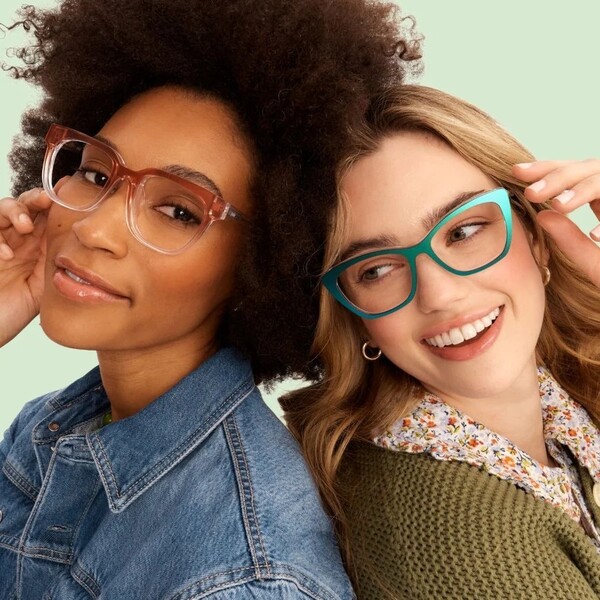
All of it is available at the listed price, with the range filterable by width, bridge type, material, and face shape. Nothing sits behind a bundle, and single-vision lenses come included with whichever frame you pick. Filtering by width and bridge first means the shortlist you end up choosing from is already limited to frames that will fit you, which is a different starting point from browsing a rack.
America’s Best
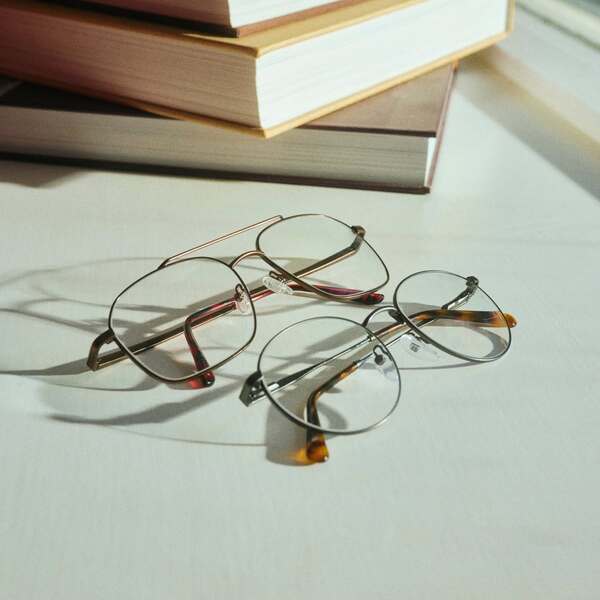
Around 1,087 frames are browsable online. The $95 offer covers a defined subset of those, described on one page as “more than 150” frames and on another as “almost 200”, which works out at roughly 14 to 18 percent of what’s on the site. Anything outside that subset is priced individually on top of the bundle.
A couple of further conditions shape what you can actually pick. The site notes that “frame selection may vary by location,” so the qualifying rack depends on which store you walk into. And because the bundle is in-store only, the 30% online code is a separate route that can’t be combined with it, which means choosing your channel before you’ve seen either.
Verdict
Pair takes this comfortably. Choosing from a whole catalogue at a published price is a different experience from choosing from a sixth of one, and Pair’s filters mean the shortlist you end up with is built around frames that actually fit your face rather than frames that happen to qualify.
3. What the Base Price Includes
Advertised eyewear prices are entry points, not totals. What fills the gap between the number in the ad and the number on the receipt is a list of items the base price leaves out, with coatings at the top. Anti-reflective is the one most people end up adding, because without it you get headlight glare at night and two white discs where your eyes should be in photographs. Knowing what’s bundled and what isn’t moves the real cost more than the headline figure does.
Pair Eyewear

Single-vision readers and non-prescription lenses are included in the frame price, as are anti-reflective and scratch-resistant coatings. Anti-reflective is the one coating almost everyone benefits from, since it cuts glare and stops your lenses from reading as two white discs in photographs.
America’s Best

The $95 offer specifies “single-vision uncoated plastic lenses only”. Anti-reflective coating, sold as NeverGlare, is a paid upgrade, and the scratch-resistant coating is listed separately as an additional option. Their own FAQ puts it plainly: “Upgrades like tint, NeverGlare anti-reflective coating and Verithin or Verilite lenses will be an additional cost.”
Uncoated CR-39 is the entry-level lens material, and the two things it lacks are the ones you notice daily. Without anti-reflective, you get headlight glare at night and white discs where your eyes should be in photographs. Without scratch resistance, the lens picks up marks faster than you’d expect from a wipe with the wrong cloth.
Verdict
Pair takes this on what lands in the box. Getting anti-reflective and scratch-resistant coatings at no extra charge means the price you see is close to what you pay, whereas an uncoated lens is the starting point of a conversation about upgrades rather than the end of one.
4. Lens Upgrade Pricing
Lens upgrades are where an eyewear purchase quietly doubles in cost, and where most buyers have the least information. The list is long, the product names are proprietary, and the moment you’re asked to choose is usually the moment somebody is standing across a counter waiting for an answer. Working out a total at home, with nobody watching, is a different exercise from working it out on the spot. So whether a retailer publishes its prices at all is worth checking before you get that far.
Pair Eyewear
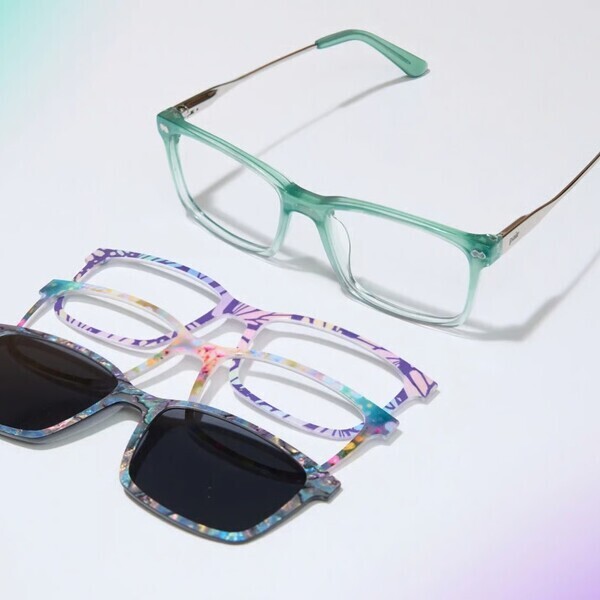
All the lens options carry a published price. Progressives are $199, or $249 for a wider field of view. Thinner lenses run $39, $59, and $119, depending on index. Blue-light filtering is $49, light-responsive lenses are are $149, anti-fatigue is $89, and polarized prescription sun lenses are $99. Pair also publishes the threshold where thinner lenses start being worth it, recommending them above +3.00 or below -6.00, rather than for everyone.
America’s Best
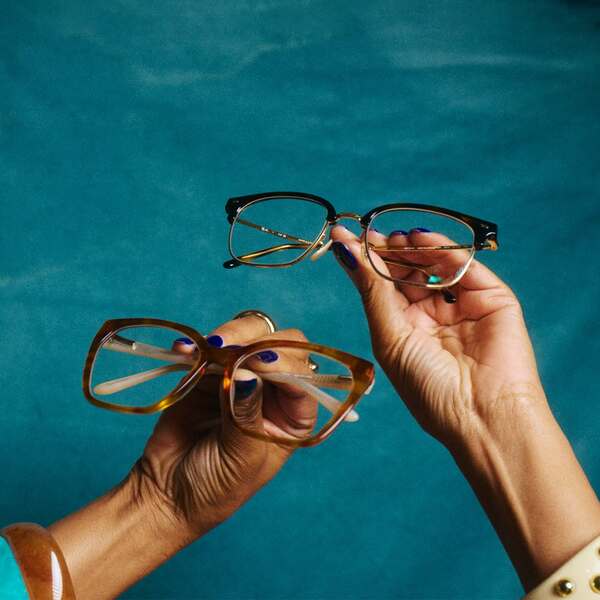
Lens upgrades are named but not priced. Progressives, Verithin high index, Verilite polycarbonate, NeverGlare anti-reflective, NeverBlue blue light, Transitions, and polarized lenses each have their own page, and none of the eleven carries a dollar figure. The lens hub directs you to “talk to your America’s Best associate” and find a store.
Verdict
Pair takes this decisively, and it’s the most practical difference on the list. You can price a complete pair of Pair glasses, upgrades included, without leaving your sofa. With America’s Best, the $95 is a floor, and where the ceiling sits depends on a conversation you haven’t had yet.
5. Prescription Sunglasses
Anyone with a prescription faces the same annoyance outdoors: squint or carrying a second pair. Contact lens wearers can buy sunglasses off a shelf for twenty dollars. Everyone else is looking at a whole second set of lenses. How a brand answers that question determines whether sunglasses are a modest add-on or a second full purchase, and the gap between the two can run into hundreds of dollars over a few years.
Pair Eyewear

Pair publishes two routes. Polarized prescription sun lenses go into any base frame for $99, blocking 100% of UV, which gives you a dedicated pair of sunglasses. Or a magnetic Sun Top clips over your everyday glasses for $35, with the polarized ones named as such on the site. Long days outdoors, buy the lenses. In and out all day, buy the top.
America’s Best
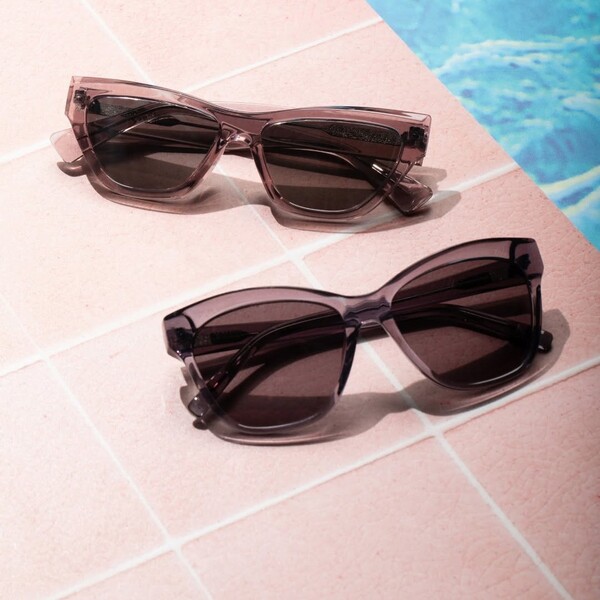
Sunglasses are a separate category of around 110 frames, and polarized lenses appear on the lens menu as an upgrade. Neither route carries a published price. The 2-for-$95 bundle is single-vision uncoated lenses only, so the sun isn’t part of it, and what a tinted or polarized pair costs is a conversation in the store.
Verdict
Pair takes this on, having two answers instead of one, at two prices you can see before you commit. A $35 magnetic front and a $99 set of polarized lenses cover two different kinds of day, and both are priced on the page rather than quoted at a counter.
6. Insurance and FSA
Most people don’t pay for glasses with ordinary money. Vision plans, flexible spending accounts and health savings accounts all exist to cover exactly this, and plenty of buyers time the purchase around a benefits year running out. What varies between retailers is which purchases that money can be used on, and whether it sits alongside a promotion or has to replace it. The answer moves the real price more than any coupon does.
Pair Eyewear
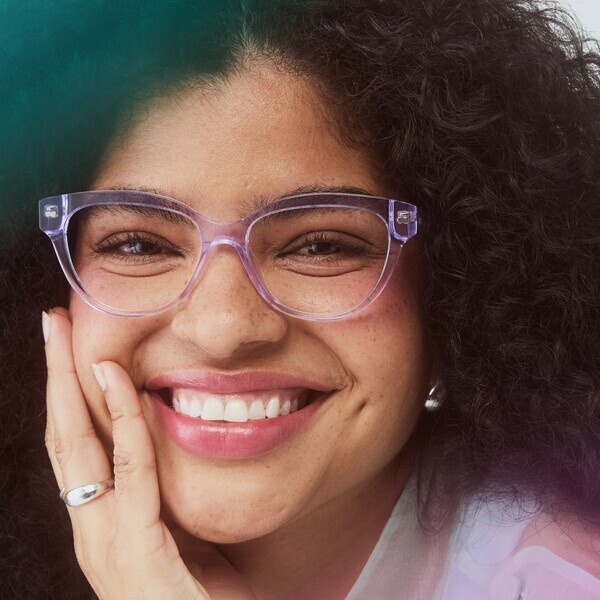
FSA and HSA funds are accepted on prescription eyewear, and Pair runs in-flow eligibility checkers for UnitedHealthcare and Spectera vision plans. The money applies to the order you were going to place anyway, at the prices already on the page.
America’s Best
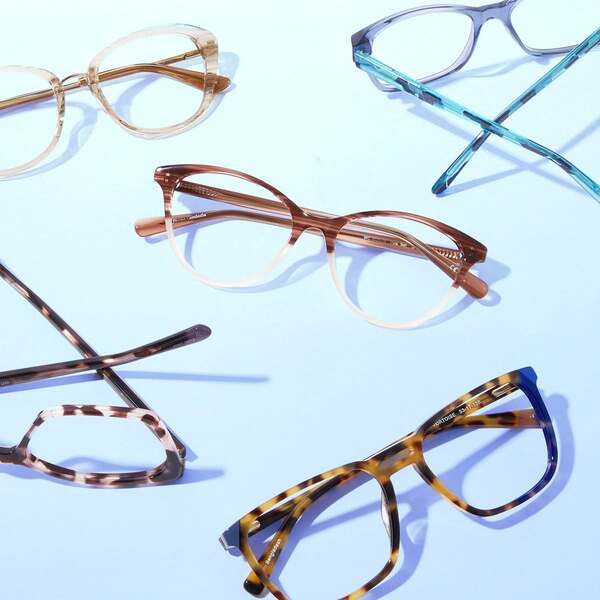
Insurance is accepted, and there’s a benefit offering 40% off a second pair. What it can’t do is stack. The terms on the 2-for-$95 bundle state the offer “cannot be combined with any other discount, coupon, or insurance plan,” and the online 30% code carries the same line. So a customer with vision coverage picks one route or the other and has to work out which leaves them better off before they’ve seen the total.
Verdict
Pair takes this because nothing is mutually exclusive. Pre-tax dollars go against published prices with no decision to make first, where America’s Best asks you to choose between its headline offer and your own benefits without showing you both numbers.
7. Kids’ Glasses
A child’s glasses have two jobs, and they pull in different directions. The frames have to survive a playground, and the child has to agree to put them on. Parents tend to arrive worried about the first and leave defeated by the second, because a pair that lives in a school bag corrects nothing, however tough it is. So the durability question and the will-they-wear-it question are worth weighing separately, since brands tend to be better at one than the other.
Pair Eyewear
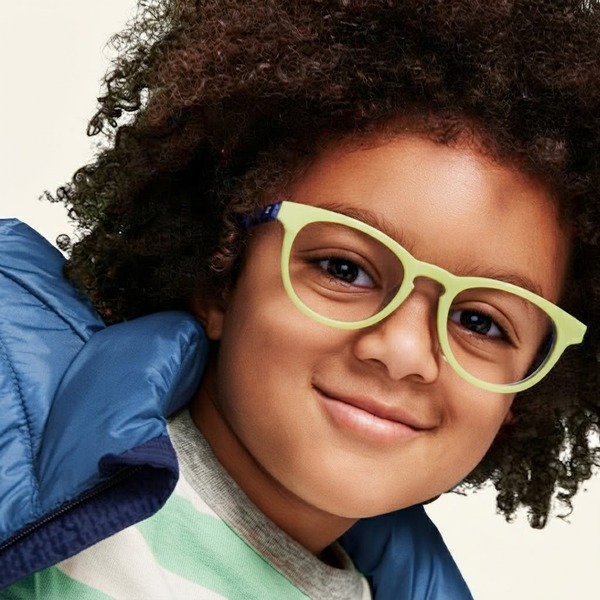
Kids’ Base Frames run alongside the adult range, and every Topper in the catalogue fits the same magnetic system. That includes the licensed lines, so a child can have Pokémon for school and Marvel at the weekend without a second pair of glasses existing in the house. The swap also means a child who’s gone off their glasses gets new ones for $25.
America’s Best
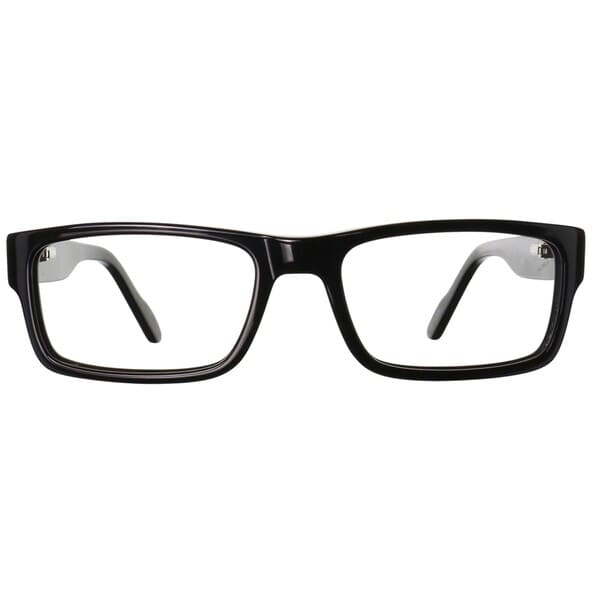
Kids get free impact-resistant polycarbonate lenses under 13, a breakage protection plan, and a kids’ frame range covering Heartland, Inflex, Jonas Paul, Mini-Bronx, Mini-Spada, MyHashtag, Oakley, Ray-Ban Jr., Skechers, and a house Youth Collection.
No licensed character eyewear appears anywhere in the range. Searches of their catalogue for Disney, Marvel, Pokémon, Nickelodeon, Hello Kitty, and Barbie all return no results.
Verdict
Pair takes this on the thing that actually gets a child to wear their glasses. A seven-year-old has opinions about Pokémon and no opinions about frame materials, and a $25 front that changes the character on their face is a different answer to that problem than a new pair of glasses.
Pair Eyewear vs America’s Best: What Do Customers Think?
Pair Eyewear

Pair publishes review counts on individual product pages, and the volume is the striking part. The Larkin base frame alone carries 10,830 reviews, and the company reports more than 200,000 five-star reviews across the site. For a brand younger than its competitor, that’s a lot of feedback attached to a single frame.
America’s Best

Feedback tends to attach to the store rather than the glasses, which is the nature of a chain with over a thousand locations. What you’re reading about is the branch, the optometrist, and the wait, and how useful any of it is depends entirely on which branch happens to be near you. A glowing review of a store in another state tells you nothing about the frames.
Pair Eyewear vs. America’s Best: Promotions and Discounts
Anyone buying glasses is likely to come back for more, so what a brand does about the repeat order matters as much as the first price.
Pair Eyewear

- Free Topper on orders over $200 with code FREETOP
- Free shipping on all US and Canada orders, no minimum
- Pair+ membership, 15% off every order
- Topper Sets are priced up to 15% below buying the same Toppers singly
- Framed Finds clearance, up to 30% off
- FSA and HSA funds accepted
America’s Best
- Two pairs plus an eye exam for $95, in-store only
- Two pairs of bifocals plus exam at $145, two pairs of progressives plus exam at $195
- 30% off complete pairs online with code AB30OFF; exam not included, excluding Meta and clearance frames
- Eyecare Club at $150 for three years, including 10% off glasses, not valid in California
A line worth reading twice appears on nearly all of it: “cannot be combined with any other discount, coupon, or insurance plan.” The in-store bundle and the online discount are separate channels, and vision insurance sits outside both.
Verdict
Pair takes this on how the offers stack. A membership, bundle pricing, a clearance shelf, and a gift threshold can all apply to the same order and reward the second and third purchase, where America’s Best’s offers are mutually exclusive by design and ask you to choose one route at the start.
Pair Eyewear vs. America’s Best: Shipping and Returns
Pair Eyewear
Free standard shipping to any US or Canada address with no minimum spend, and expedited options from $15. Returns are free for 30 days from delivery, with a choice of box-free drop-off or a prepaid mail label, and one policy covers the base frame, the lenses, and every Topper bought in the same order.
America’s Best

Free standard shipping on online orders, with free return shipping and a 30-day window. Their published refund wording is “Merchandise accompanied by a receipt may be returned within 30 days for a full refund less the eye exam fee.” In-store orders take seven to ten business days to arrive for collection, and online prescription orders take nine to fourteen.
Verdict
Pair takes this on what comes back. A full refund with no deductions, covering the frame, the lenses, and the Toppers in one policy, is a cleaner promise than a refund with the exam fee deducted, and there’s no trip to a store at either end.
Who Will You Shop With?
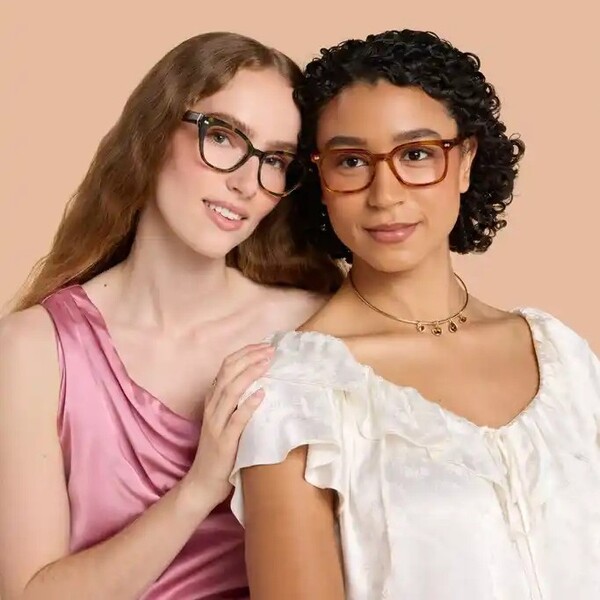
Pair Eyewear splits a pair of glasses in two. The prescription stays put in the base frame. The front doesn’t have to. A magnetic Topper changes the whole look for $25, and the catalogue runs past 1,800 designs covering sun, patterns, licensed collections, and seasonal drops, all landing on the same pair you’re already wearing.
The practical part is what it does to a wardrobe. Around $180 gets you a prescription pair that shows up in five different ways, and every look after that is another $25 rather than another set of lenses.
The rest is set up to be worked out in advance. Lens options have published prices, so you can total an order before committing, and guidance on thinner lenses tells you when to skip the upgrade rather than take it. The whole catalogue is available at its listed price. Anti-reflective and scratch-resistant coatings come with the lenses. FSA and HSA money goes straight against those prices, and returns run a full 30 days.
For a child, it lands differently again. Pokémon on Monday and Marvel on Saturday, for the price of a front rather than a frame, is the sort of thing that decides whether glasses get worn at all.
Bottom line… If what you want is one pair of glasses that never looks the same twice, Pair is the one selling it.
Explore your options for eyewear with these top brands:



Ask the community or leave a comment
WRITE A REVIEWCustomer Reviews
Leave a review