Winona vs. Midi: Which Platform Delivers More Consistent Menopause Care?

Table of Contents
About Winona

Winona is a telehealth company centered entirely on perimenopause and menopause care. The focus stays narrow by design. Every part of the experience revolves around hormone therapy, symptom tracking, and ongoing adjustments as the body changes over time. Care starts with an in-depth intake, moves to physician-guided treatment, and continues with follow-ups that allow doses and delivery methods to be adjusted as needed. Medications are prescribed by licensed clinicians and filled through patient-specific compounding pharmacies, keeping treatment closely tied to individual needs rather than standard protocols.
What defines Winona most is its continuity. Care doesn’t reset every visit, and patients aren’t passed between multiple departments or goals. The offerings stay centered on hormone therapy and related treatments, supported by education and access to clinicians who remain involved long-term. Winona exists to make menopause care consistent, accessible, and focused on symptom relief that evolves rather than stays fixed.
About Midi

Midi is a virtual women’s health provider that takes a broader view of midlife care. Its scope includes perimenopause, menopause, weight management, mood, sleep, sexual wellness, hair and skin, and survivorship care. Visits are conducted face-to-face with clinicians who develop multi-layered care plans that may combine hormone therapy, non-hormonal prescriptions, weight medications, supplements, and lifestyle guidance. Insurance coverage plays a central role in how care is accessed and priced.
Alongside clinical care, Midi also operates a large supplements business aimed at midlife support, with products sold directly to consumers. The company emphasizes speed of access, insurance compatibility, and a wide range of treatment paths under one umbrella. Midi exists to holistically address midlife health, bringing together many services in one place for women who want a broad, clinician-led approach.
What to Consider?
Comparing menopause care platforms works best when the focus stays on how care is structured rather than on surface features. Differences in scope, continuity, and decision-making can shape the experience just as much as the treatments themselves. The sections below walk through those differences one by one, starting with how each brand defines its core focus.
Primary focus of care
The main focus of a care model sets the direction for how treatment unfolds over time. It shapes how symptoms are interpreted, how priorities are set, and how steady care feels as needs shift. Some platforms concentrate deeply on one area, while others distribute attention across multiple aspects of midlife health.
Winona

Winona keeps its attention firmly on perimenopause and menopause hormone care. Treatment decisions remain rooted in hormonal changes and how they manifest day to day. As care progresses, adjustments tend to build on previous steps rather than branching into parallel tracks. Hormone therapy remains the central thread throughout the experience.
Midi

Midi takes a broader view of midlife health. Hormone therapy sits alongside weight care, mood support, sleep treatment, supplements, and other services. This structure allows multiple concerns to be addressed within a single plan; however, it also means care may shift between several focus areas depending on symptoms and goals.
Verdict
Therefore, when consistency around hormone management is the priority, Winona’s narrower focus often results in a clearer and more steady care path over time.
Continuity of care over time
Continuity matters because menopause care rarely follows a straight line. Symptoms change, hormone needs shift, and treatment often works best when adjustments build on what came before. How a platform handles follow-ups and long-term involvement can shape whether care feels steady or fragmented.
Winona

Winona is structured around ongoing hormone management rather than isolated visits. Care continues past the initial prescription, with adjustments made as symptoms evolve. Because treatment stays centered on hormones, changes tend to feel incremental and connected to earlier decisions, which supports a longer-term view of care.
Midi

Midi also supports follow-up care, though it operates within a broader clinical framework. Care plans may expand or shift across different focus areas, such as weight, mood, or sleep, depending on current needs. This flexibility allows multiple concerns to be addressed, but it can also introduce more moving parts over time.
Verdict
As a result, when the goal is sustained hormone-focused care that builds gradually, Winona’s structure tends to offer a more continuous and cohesive experience.
Cost structure and payment model
How care is paid for plays a big role in how predictable the experience feels over time. Some platforms tie care closely to insurance billing, while others operate on a direct pricing model. Each approach shapes not only cost but also access, pace of care, and how often treatment decisions intersect with coverage rules.
Winona

Winona uses a direct subscription-style model where pricing is set upfront around treatment and ongoing clinician involvement. Care decisions stay separate from insurance requirements, which keeps adjustments focused on symptoms and response rather than coverage constraints. That structure tends to make costs easier to anticipate from month to month.
Midi

Midi leans heavily on insurance coverage, with most virtual visits and prescriptions billed through PPO plans when available. This can reduce out-of-pocket costs for some, though coverage details, copays, and deductibles vary by plan. As a result, cost and access may shift depending on insurance terms rather than staying fully consistent.
Verdict
When predictability and separation from insurance rules matter most, Winona’s pricing structure often leads to a more straightforward and stable care experience.
Scope of treatments and care paths
The range of treatments a platform supports affects how focused or expansive care feels. A narrower scope can keep decisions streamlined, while a wider scope can introduce more options and combinations. The difference often shows up in how much choice versus clarity someone experiences over time.
Winona

Winona’s care stays concentrated around hormone therapy and related menopause treatments. Estrogen, progesterone, and supportive options form the core of care, with adjustments made within that framework. This keeps treatment paths relatively contained and centered on hormonal balance rather than branching into multiple parallel tracks.
Midi
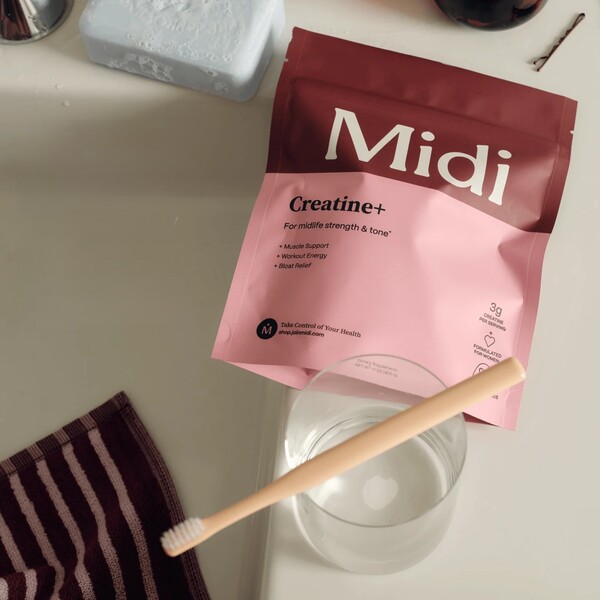
Midi supports a broader set of care paths. Hormone therapy may be combined with weight medications, supplements, lifestyle guidance, and non-hormonal prescriptions, depending on symptoms. That flexibility allows many needs to be addressed at once, though it also means care plans can become more layered.
Verdict
Clarity and simplicity in treatment direction are priorities. Winona’s more focused range of care often feels easier to navigate over time.
Speed and ease of getting started
How quickly care begins can shape the early experience, especially when symptoms feel disruptive. The intake process, appointment availability, and steps between signing up and starting treatment all play a role in how accessible a platform feels at the outset.
Winona
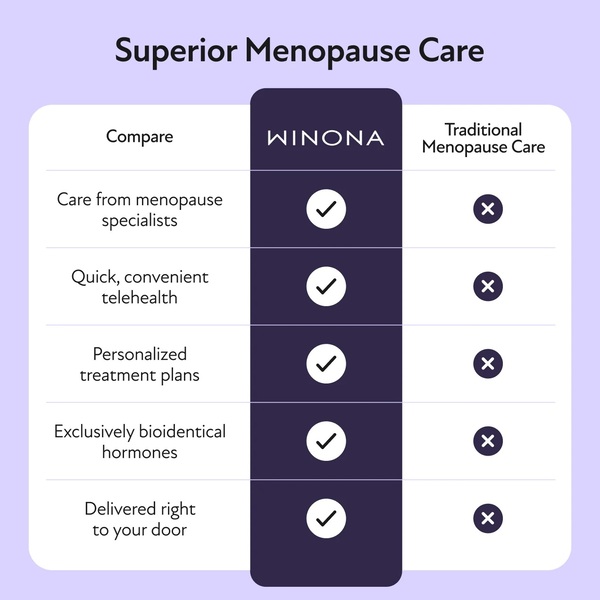
Winona’s process starts with an online intake that leads directly into physician review and treatment planning. Because care stays focused on menopause hormone therapy, the path from intake to prescription tends to feel direct, with fewer decision points along the way. That structure helps keep momentum steady at the beginning.
Midi

Midi emphasizes rapid access to clinicians, often with same-day or next-day virtual visits. The intake process feeds into a broader care discussion that may cover multiple areas at once, such as hormones, weight, mood, or sleep. This can feel comprehensive early on, though it may involve more choices upfront.
Verdict
A more streamlined start with fewer early decisions is preferred. Winona’s setup often leads to a smoother entry into care.
Medication sourcing and treatment consistency
Where medications come from and how they’re prepared can influence how consistent treatment feels over time. Control over formulation, dosing, and refills often determines whether care stays aligned or shifts as logistics change.
Winona

Winona fills prescriptions through its own patient-specific compounding pharmacies. Medications are prepared for the individual and adjusted as needed without switching products or sources. That setup keeps formulation and dosing closely tied to treatment decisions, which helps maintain continuity as care evolves.
Midi

Midi sends prescriptions to external retail or partner pharmacies, depending on location and insurance. Medications may be FDA-approved commercial products or compounded through outside partners. This approach offers flexibility, though sourcing and formulation can vary based on availability and coverage.
Verdict
In terms of consistency in formulation and tighter alignment between prescribing and fulfillment, Winona’s in-house pharmacy model tends to offer a more controlled experience.
Education and guidance alongside treatment
Education plays a quiet but important role in menopause care. Understanding why a change is made, what to expect next, and how symptoms connect can make treatment feel steadier rather than reactive. How guidance is delivered often shapes confidence over time.
Winona

Winona weaves education directly into the care experience. Information about hormone changes, treatment options, and symptom patterns is shared alongside prescribing, with clinicians staying involved as questions come up. The focus stays on helping people understand what’s happening in their bodies as treatment evolves.
Midi

Midi also provides education through clinician visits, written resources, and a large content library. Guidance often spans multiple topics, from hormones to weight and lifestyle considerations, reflecting the platform’s broader scope. This offers a wide context, though education may cover several areas at once.
Verdict
Therefore, when ongoing guidance stays closely tied to hormone treatment decisions, Winona’s approach tends to feel more focused and easier to connect back to care changes.
Winona vs Midi: The Comparison
Comparing HRT providers requires a clear look at how each company handles medical oversight, treatment design, follow-up care, access, and pricing structure. The differences often come down to depth of physician involvement and the level of ongoing support offered after the initial prescription.
The table below summarizes these criteria side by side, presenting a structured view of how Winona and Midi align across the most relevant evaluation categories.
| Criteria | Winona | Midi |
|---|---|---|
| Doctor Access | ✓✓✓ | ✓✓✓ |
| Personalization | ✓✓✓ | ✓✓ |
| Follow-Up Care | ✓✓✓ | ✓✓ |
| Cost Transparency | ✓✓✓ | ✓✓ |
| Symptom Coverage | ✓✓✓ | ✓✓✓ |
| Overall Rank | #1 | #2 |
The table shows two strong platforms, but with different centers of gravity. Both provide direct access to licensed clinicians and address a broad range of midlife symptoms, which places them on solid clinical footing. Doctor access and overall symptom coverage are strengths for both brands, and neither falls short in those core areas.
The separation becomes clearer in how care is structured over time. Winona places greater emphasis on hormone-specific personalization, tighter follow-up cycles, and a more contained prescribing-to-fulfillment process. Midi offers wide-ranging support across midlife health, though its model spreads attention across multiple tracks rather than concentrating primarily on hormone optimization.
When considered collectively, the comparison supports Winona’s top placement for women seeking sustained, hormone-focused treatment with consistent monitoring and predictable care flow. Midi remains a credible alternative, particularly for those who want a broader midlife care umbrella, but the scoring reflects Winona’s stronger alignment with long-term HRT management standards.
Winona vs Midi: What Do Customers Think?
Reviews give a clearer picture of how each platform fits into daily life once care begins. Looking across feedback from both brands, patterns emerge around symptom relief, ease of treatment, and how supported the experience feels over time.
Winona

Across feedback, the same themes keep appearing. People talk about feeling steady again, not just briefly better. The focus stays on relief that carries through daily life, along with care that feels attentive rather than rushed.
Many report noticeable changes in sleep, hot flashes, and energy within the first few weeks, often accompanied by clearer thinking and a calmer baseline overall. Hormone creams and supplements often come up as easy to use and comfortable to stick with long-term. The care experience itself matters just as much in these comments. People repeatedly mention feeling heard, taken seriously, and guided with clarity, rather than being brushed off or told to wait things out.
Several reviews also point to a sense of balance returning, both physically and mentally, which seems to stand out most. Improvements are described as layered rather than isolated, affecting sleep, mood, focus, and even confidence simultaneously.
“Since starting Winona cream and DHEA supplements, I have found my periods are lighter again, my hot flashes and night sweats have stopped, and I feel much more balanced.”
“The medications are awesome! My energy is back and I feel like like my old self, before menopause started.”
“The product has exceeded my expectations. Hot flashes were gone in under 2 weeks. Restful sleep, no night sweats, and the brain fog has subsided.”
“Connection with doctor and customer care team is wonderful. They respond instantly to questions and do regular check-ins as I have adjusted to the regime.”
Midi

Feedback around Midi leans heavily toward day-to-day improvements tied to supplements and symptom support. Reviews often focus on how specific products fit into routines and what changes people notice after consistent use, especially around digestion, sleep, focus, and energy. The tone across reviews feels practical and experience-driven, with many comments centered on how quickly certain supplements became noticeable.
Digestive support products come up often, particularly gummies and fiber blends. People frequently mention feeling fuller, less bloated, and more regular, along with appreciating taste and ease of use. Sleep-focused supplements also draw strong reactions, with repeated mentions of longer, uninterrupted sleep and calmer nights. Cognitive support products receive attention for helping with focus and mental sharpness, while creatine and metabolism-related supplements are described as supportive for energy, recovery, and appetite control.
“I am menopausal and can’t ever seem to feel full. Since taking these I feel satisfied, don’t get hunger pangs and have my eating under control.”
“This cortisol support supplement helped me finally sleep again. I kept waking up after only 3 hours of sleep… But now, I sleep for 7–8 hours right through the night!”
“I’ve been taking it for a few weeks and it has already helped with my cognitive fog. My focus is so much better!”
“Since taking Berberine I’ve been able to seriously reduce my cravings without negatively impacting my energy levels!”
Across categories, reviews highlight consistency rather than one-off results. Many comments reference sticking with the same product for weeks or months and noticing steady changes rather than sharp spikes. Taste, convenience, and how easily supplements fit into daily habits appear just as important as the outcomes themselves.
Winona vs Midi: Promotions and Discounts
Pricing incentives tend to look different across these two platforms, largely because of how care is structured. One leans toward bundled medical treatment, while the other layers in retail-style offers around supplements and services. Here’s how promotions typically play out on each side.
Winona

Winona keeps promotions relatively simple. Discounts usually appear as introductory offers tied to getting started with care rather than rotating sales or frequent promo codes. The focus stays on reducing friction at the beginning, such as lowering the cost of the first month or initial visit, rather than encouraging ongoing deal-hunting. That approach keeps pricing predictable once treatment is underway.
Midi
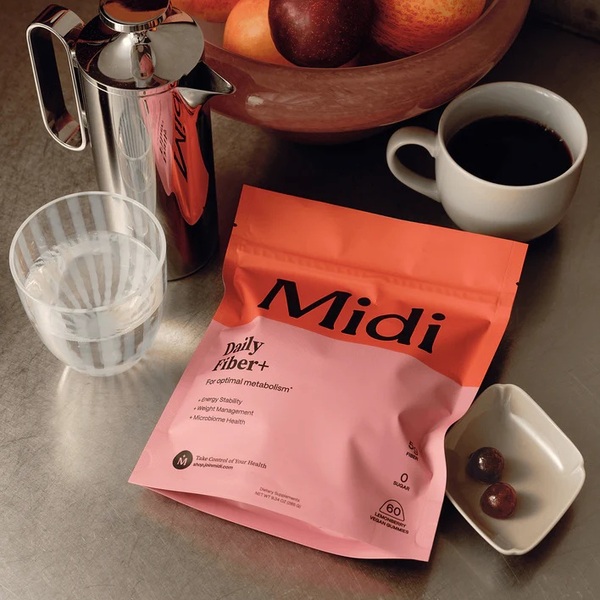
Midi runs more visible promotions, especially around supplements and partner brands. These often include percentage-based discounts, referral credits, and limited-time codes tied to specific products. Because Midi operates across care visits, prescriptions, and a separate supplements shop, discounts tend to appear in pieces rather than as part of one unified plan.
Verdict
Overall, the difference comes down to simplicity versus variety. Winona’s promotions feel quieter and are built into the start of care, while Midi’s discounts show up more often and across a wider mix of offerings.
Winona vs Midi: Shipping and Returns
Shipping and return policies can shape the overall experience just as much as the care itself. While both brands aim to set clear expectations upfront, they take notably different approaches to fulfillment timelines, flexibility, and what happens once an order is placed.
Winona

Winona’s shipping process is tightly integrated with its medical care model. Once a treatment plan is approved, prescriptions move through a defined fulfillment timeline with built-in checkpoints, including a 24-hour window that allows for cancellations or changes before compounding begins.
Standard shipping is included, with clear estimates for preparation and delivery, and optional expedited services available for those who need faster turnaround.
When it comes to cancellations, Winona is transparent: orders can be fully refunded within that initial 24-hour window, and subscriptions can be paused or canceled at any time through the account portal. This structure prioritizes predictability while still allowing early adjustments.
Midi

Midi’s policies vary depending on whether the purchase involves care visits, prescriptions, or supplements. Supplements are treated more like retail items, with subscription options and recurring shipments, but returns and exchanges are generally not accepted due to product handling considerations.
Refunds may be reviewed on a case-by-case basis, particularly for damaged or incorrect items. Subscription cancellations require advance notice before shipment, and once an order is fulfilled, flexibility becomes more limited.
Shipping timelines are outlined, though delivery dates are positioned as estimates rather than guarantees.
Verdict
Overall, Winona’s shipping and returns framework feels more streamlined and forgiving, especially at the start of treatment. The built-in cancellation window and clear subscription controls create a smoother experience, particularly for those navigating prescription-based care for the first time.
Who Will You Shop With?

Winona stands out as the more reliable choice for ongoing menopause care. The brand operates within a clearly defined system where evaluation, prescribing, and fulfillment remain connected, reducing gaps that can interrupt treatment. That continuity matters when consistency is not optional.
The scope of Winona’s care stays tightly aligned with hormone therapy, allowing attention to remain on treatment accuracy and follow-through. Prescriptions are managed through an integrated pharmacy process, refills follow a predictable cadence, and communication remains centralized rather than fragmented across platforms.
For patients deciding where to commit long term, Winona offers a more stable path. The structure supports continuity, the process feels deliberate, and care remains focused on sustained results rather than short-term convenience.
Looking for more insights? Explore these reviews:





Ask the community or leave a comment
WRITE A REVIEWCustomer Reviews
Leave a review