
In partnership with Bambu Lab
I spend a lot of my free time making things. Small props for friends, parts to fix gear around the house, and little experiments that turn into all-night print sessions. Over the years, I’ve tested enough printers to know the routine: endless calibration, failed runs, and hoping the next print actually sticks. It’s satisfying when it works, but the effort wears you down.
That’s when I came across Bambu Lab. People in my maker group wouldn’t stop talking about how their printers actually ran straight out of the box. I didn’t believe it, but I was curious enough to see for myself. I started with the A1 for everyday projects like phone stands and organizer parts, then added the P1S Combo for larger builds such as a full-size helmet and a drone frame. Later, I picked up the AMS 2 Pro to try multi-color prints for props and models.
Now those same machines are getting attention across every Black Friday deal thread, and it’s easy to see why. They’ve taken a lot of the frustration out of 3D printing.
Still, talk online doesn’t always match real use. I’ve spent time printing with them, testing different filaments, and seeing how far they can go before issues start showing up. Here’s what I found.
Highlights
- Bambu Lab focuses on making 3D printing easy and reliable for both beginners and experienced makers.
- The brand is known for out-of-the-box printers that need little to no manual setup.
- Its lineup balances speed, precision, and automation across all models.
- The A1 is compact, affordable, and ideal for everyday projects.
- The P1S offers a fully enclosed design for better temperature control and high-speed performance.
- The AMS 2 Pro expands multi-color printing up to 16 colors without manual filament swaps.
- Each printer connects seamlessly with Bambu Studio and Bambu Handy for remote control and monitoring.
- Auto-calibration and smart sensors reduce print failures and wasted material.
- Bambu Lab printers are built to handle daily use, with sturdy construction and dependable performance.
- The brand’s Black Friday deals include major discounts on printers and consumables, making it the best time to buy or restock.
Why You Should Trust Us
Our mission is to help you make better, more informed purchase decisions.
Our team spends hours researching, consulting with medical experts, gathering insight from expert professionals, reviewing customer feedback, and analyzing products to provide you with the information you need.
Table of Contents
Bambu Lab Review
Bambu Lab has built a name around making 3D printing easier and faster, but the real question is how that plays out once the printers are on your desk. Here, I’ll walk through what I learned after using their machines for everyday projects, how the brand approaches printing, and what stood out to me.
Brand Features
- Provides a smoother way to print
When I first started using Bambu Lab printers, what caught my attention wasn’t just the print quality but how little I had to do to get there. Calibration, leveling, and tuning usually eat up hours with other machines. Here, it all happens automatically. I could load a file, hit print, and walk away without worrying if the first layer would fail. - Connects tools that actually work together
The setup feels cohesive. Bambu Studio on my computer and Bambu Handy on my phone both connect instantly to the printer, so I can monitor a job even when I’m out of the workshop. The AMS units fit right into that system, handling filament changes without me stopping a print halfway through. It’s a simple setup that fits how I work day to day. - It’s built to last through long prints.
After weeks of testing, the hardware still feels tight. The frame doesn’t rattle, and the magnetic build plate pops off easily, even after heavy use. The sensors that pause printing when filament runs out have saved more than a few long jobs. It’s clear that the people designing these machines actually use them. - Speed feels controlled
Fast printers usually mean rough edges or failed prints. Bambu Lab balances that speed with accuracy. I’ve printed large models overnight without any of the minor defects I’d expect at higher speeds. It’s consistent enough that I trust it to run while I’m doing something else.
Featured Product
After trying different Bambu Lab machines, I wanted to see how each one fits into real projects. The lineup covers a wide range of users, from beginners learning the basics to makers who print for hours at a time. I tested five of them to get a feel for how they handle setup, speed, and day-to-day printing.
Bambu Lab P1S Review
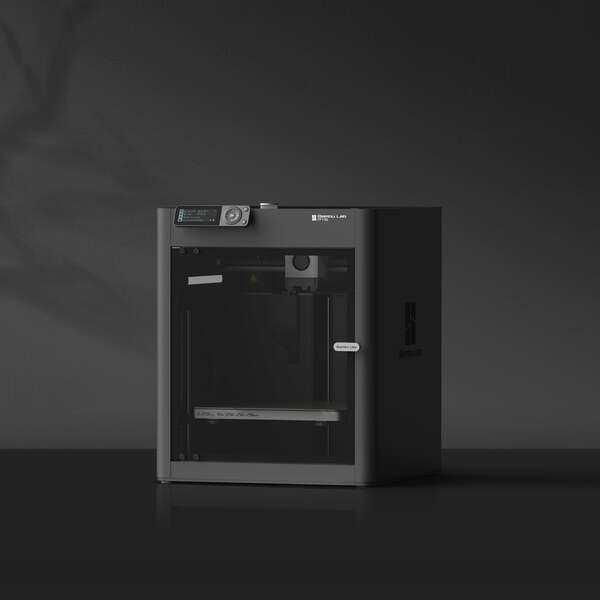
I didn’t expect much when I unpacked the P1S. I’ve used enough 3D printers to know the usual drill. It usually takes hours of calibration, half-finished test prints, and minor tweaks that never seem to end. But this one caught me off guard. I had it printed in about fifteen minutes with no adjustments needed. The auto-leveling and vibration checks ran quietly, and before I realized it, the first model was already taking shape.
I started with a small tabletop figure, then printed a multi-part phone stand in PETG to see how it handled more rigid material. Both came out clean and sharp, with smooth edges and even layers. The enclosed chamber kept the temperature steady through long runs, and the built-in camera made it easy to keep an eye on things without hovering over it.
Once it got going, the P1S felt steady and reliable. The metal frame and enclosed design gave it the kind of balance that makes long prints easy to trust. When I added the AMS system, it handled color changes smoothly, opening the door for more creative builds.
The P1S sells for $399 on its own. With the current Black Friday sale, it’s a strong option for anyone ready to move past entry-level printers and start building with consistency.
Bambu Lab P1S + AMS 2 Pro Combo Review
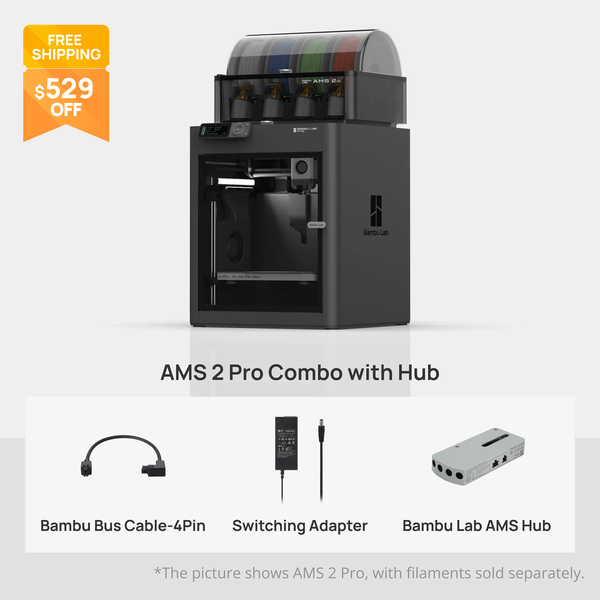
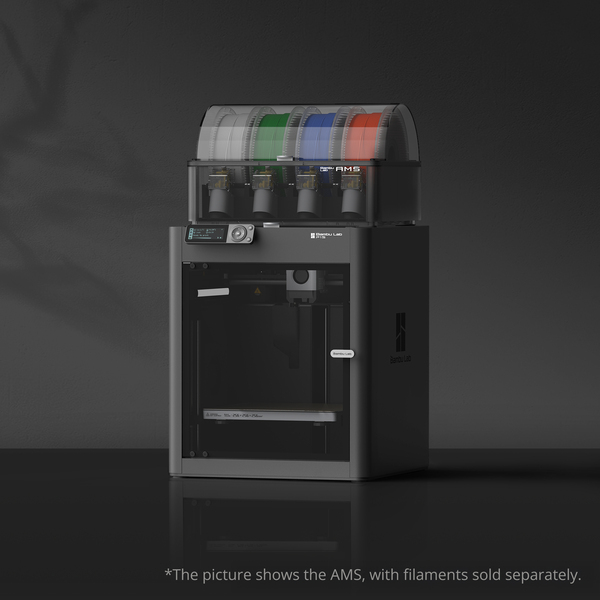
The P1S already impressed me with how quick it was to set up, so pairing it with the AMS 2 Pro felt like the next step. The combo comes ready for multi-material printing, which means you can load up to sixteen colors if you add more AMS units later. That sounded like overkill at first, but once I started experimenting, it completely changed how I planned my prints.
I ran a few color tests with simple keychains and logo plates, then pushed it further with a small mechanical part that needed both flexible and rigid sections. The AMS 2 Pro handled the swaps cleanly, keeping the filament dry and moving without tangles. The setup includes its own hub and buffer system, so it feeds smoothly even during long prints.
What I appreciated most was how organized everything felt. The AMS automatically recognized the filament type and adjusted settings to match, which saved time and wasted less material. I didn’t need to babysit it or recalibrate between spools.
At $619, the P1S + AMS 2 Pro Combo costs more than the base model, but it adds real flexibility for anyone who likes experimenting with design or works on functional parts that mix materials.
Bambu Lab A1 3D Printer Combo Review

I started with the standalone A1 and liked how easy it was to set up. It handled calibration and bed leveling on its own, which made the whole process feel refreshingly simple. But after a few weeks, I wanted more control over color and decided to upgrade to the A1 Combo with the AMS Lite system. That small addition changed the experience entirely.
The Combo setup was just as smooth. Once it powered on, the printer ran its checks automatically and synced with the AMS Lite. I printed a detailed tabletop figure in PLA, then switched to a multi-color logo plate to test the AMS system. The transitions between colors were clean, and it adjusted to each filament without me tweaking a thing.
Noise was minimal, which I appreciated since I often run long prints overnight. The enclosed design kept temperatures consistent, and the flow control gave each layer a neat, even texture. It’s the kind of setup that feels made for daily use — fast, steady, and dependable.
At $379 for the Combo and $279 for the standalone, it’s an easy step up if you’re ready to add color to your projects without a complicated setup.
Bambu Lab A1 Review
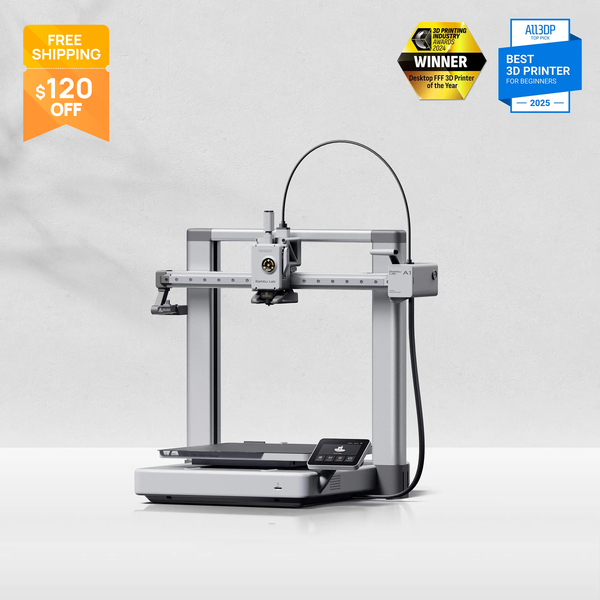
The A1 feels like Bambu Lab’s way of lowering the entry point without cutting corners. Setup was quick, and the printer handled its own calibration from start to finish. It leveled the bed, tuned the nozzle, and ran a quick vibration check before the first job. I loaded a roll of PLA and started printing within minutes.
I used it to make a small desktop planter, followed by a detailed key organizer that needed a tighter tolerance. Both came out cleaner than I expected for a printer in this price range. The texture on the surfaces looked even, and it handled curves and edges without smudging details. The motor ran quietly, too, which made it easier to leave running overnight.
The A1’s auto calibration and one-click printing make it simple for anyone learning the ropes. The build area is large enough for mid-sized projects, and when paired with the AMS Lite system, color prints are easy to manage. It reads the filament automatically, adjusting settings without manual tweaks.
At $279, it’s a strong option for anyone starting or looking for a backup machine that doesn’t feel stripped down.
Why Bambu Lab?
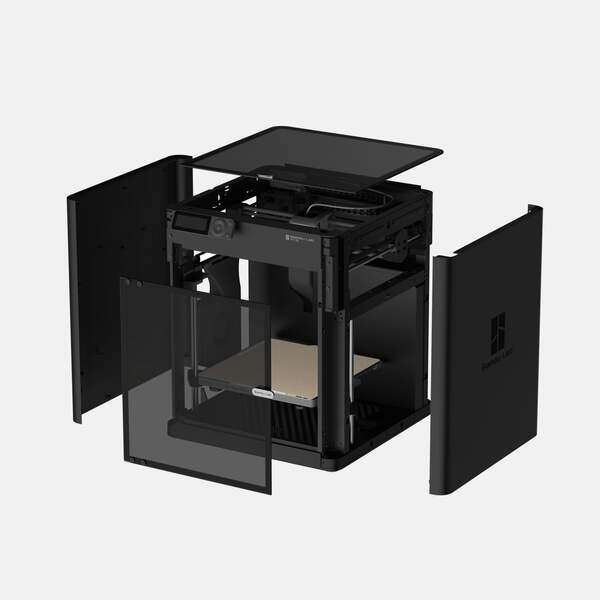
After going through my share of printers, I stopped caring about flashy specs and started paying attention to what actually makes life easier. Bambu Lab got that part right. Their printers take the hassle out of 3D printing and make it something you can actually enjoy using day after day. Here’s what stood out for me.
- Simple setup
I didn’t need a weekend to get it running. It calibrated itself, leveled the bed, and started printing without a single adjustment. It’s the kind of setup that lets you focus on what you want to make instead of how to make it work. - Fast but still precise
The speed caught me off guard. I’ve had prints that used to take hours finish in less than half the time, and they still came out clean. No layer shifts, and no rough edges. Just done right. - Color that actually works
The AMS system is what made me stick with Bambu. It switches colors smoothly, keeps track of each filament, and saves me from the mess of swapping spools mid-print. Once you get used to that, it’s hard to go back. - Quiet enough to forget about
I often print overnight, and the noise is barely noticeable. The motor hum is soft, and the room doesn’t heat up like it does with other printers. It’s easy to forget it’s even running. - Built-in smart tools
I like checking progress from my phone instead of hovering around the printer. The app and built-in camera make that possible, and it’s nice to get a timelapse without setting anything up. - Feels like a better long-term deal
It’s not the cheapest printer out there, but it wastes less material and rarely fails a print. Over time, that pays off more than the price tag suggests.
Bambu Lab’s printers take out the parts of 3D printing that used to drain my patience. They let me spend more time designing and less time troubleshooting. That’s what keeps me using them.
Bambu Lab Review: What Do Customers Think?

I read through dozens of real customer reviews on the Bambu Lab US Google store page and Trustpilot, where verified buyers share both short comments and long personal experiences. Across the board, it is clear that people trust the brand for reliability, smooth setup, and print quality that lasts.
What stands out most is how easy these printers are to start using. Many mention going from unboxing to a perfect first print within an hour, without the frustration that usually comes with 3D printing. “I set everything up and was printing the little ‘benchie’ in less than an hour.” “Unpacking and assembly was flawless and I was doing a sample print within the same day.” It’s rare to see this level of simplicity in tech that’s usually seen as intimidating.
Consistency comes up again and again. Users talk about printing hundreds of hours with no drop in performance. “Very consistent results with this machine.” “Printers are working as efficiently as they did out of the box more than a year ago.” That kind of reliability is what keeps people in the Bambu ecosystem.
The AMS system gets special praise for convenience. It makes switching colors or materials effortless, and most say it’s one of the features that turns 3D printing from a chore into something they enjoy. “The AMS is ingenious. Being able to load up 4 filaments at once is awesome.”
People also like the buying experience itself. The US store’s shipping speed, packaging, and communication earn strong mentions. “Everything is always packaged well and arrives much sooner than predicted.” “Easy selection, purchasing, and fast delivery of quality products.” “Shipping is FAST.” That kind of consistency builds trust.
A few reviews mention how quiet and stable the printers are day to day. “Smooth and quiet operation, self-leveling, cleaning/purging, worth the price easily.” That sense of polish makes the machines feel premium without the fuss.
Is Bambu Lab Legit?

Yes, Bambu Lab is legit. Their printers deliver strong build quality, consistent results, and well-thought-out software and hardware integration, all of which stand out in the 3D-printer market. They support upgrades, provide smart automation, and their ecosystem spans hardware, materials, and apps in a way that shows real investment in the user experience.
Is Bambu Lab Worth It?

For me, Bambu Lab has been worth every dollar. The first thing that stood out was how little setup it needed. I didn’t have to spend hours calibrating or adjusting settings like I used to with other printers. Once I hit print, it just worked. The built-in checks and smart calibration made the whole process smoother than I expected.
In daily use, it’s the reliability that keeps impressing me. I can start a print, walk away, and come back to something clean and finished. The AMS system makes color work easy, and switching filaments mid-print doesn’t turn into a headache. That kind of stability makes it easier to take on more detailed or time-sensitive projects.
The software feels made for real users, too. Bambu Studio takes away a lot of guesswork, and MakerWorld is full of ready-to-print models when I just want to experiment. It’s a complete setup that doesn’t get in the way, which I’ve learned to really appreciate.
Looking back, what makes Bambu Lab worth it is how much time it saves. The printers run fast, stay consistent, and let me focus on building instead of fixing. For someone who just wants tools that work right out of the box and keep working, it’s hard to beat.
Bambu Lab Discounts and Promotions
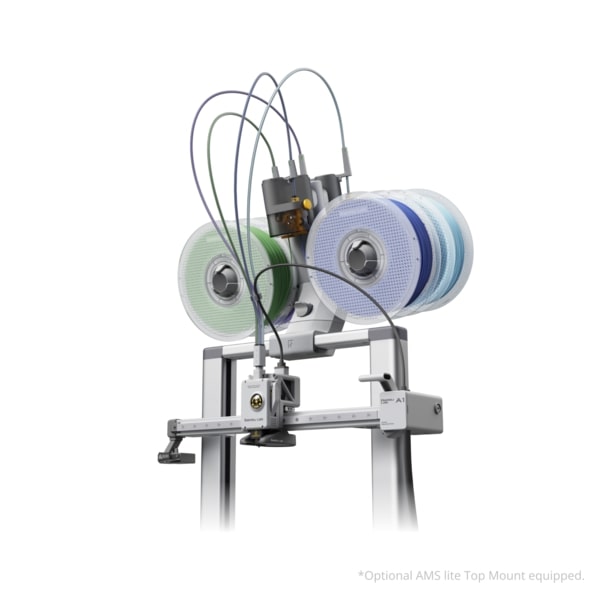
Every year, Bambu Lab’s Black Friday sale sets the mark for when to buy. It’s the one event where every part of their lineup, such as the printers, filaments, accessories, and maker tools, gets a real price cut. The sale runs from late October through early December, and it’s designed so both new and long-time users can make the most of it. Here’s what’s on offer and why it matters.
1. Lowest Prices of the Year – BLACK FRIDAY DEALS!
Black Friday brings the deepest discounts Bambu Lab has ever offers. Printers like the P1S, A1 Combo, and A1 Mini are up to 47% off, with free shipping included.
The P1S Combo drops from $1,148 to $619, while the A1 sits at $279—nearly half its usual cost.
Even the flagship H2D models are marked down by around 13%, which is rare for premium gear. If you’ve been waiting for a complete setup, this is the moment to do it without overspending.
2. Flash Sales and Giveaways
The Black Friday event includes rolling flash sales that refresh across four sessions between October 30 and December 3. These flash deals drop up to 60% off items like the Bambu Cool Plate SuperTack, PLA Tough+ filament, and CyberBrick kits. There’s also a major giveaway this year—20 winners worldwide will get the new H2C 3D printer for free by simply subscribing to the store’s Black Friday newsletter.
3. Exclusive Bundles and Add-Ons
Many printers come with bundled accessories or small extras during the sale. Some combos include anti-vibration feet, AMS systems, or even limited-edition plates and hub accessories.
You also get free shipping on printers and AMS units in most regions, which saves a noticeable amount when buying heavier gear.
4. Bulk and Bundle Filament Deals
For current users, the bulk filament sale is the biggest reason to stock up early. Rolls start at $10.99 when you buy in sets of four or more, covering everything from PLA Basic and Matte to PETG and ABS.
Buying in bulk locks in your materials before stock dips or prices rise again in December.
5. Accessory and Maker’s Supply Discounts
Accessories, build plates, and maker tools are up to 45% off, including newly released parts like the tungsten carbide nozzles and engineering plates. Maker’s Supply items are also part of a mix-and-save deal, 20% off single pieces or 30% off when you buy three or more.
6. Added Perks and Free Gifts
Select printers include bonus gifts like extra filament or build materials. Higher-end combos, such as the H2D Laser Full Combo, come with two free material kits of your choice: wood sheets, vinyl, or stainless steel tags.
BLACK FRIDAY is the only time of year when every piece of the ecosystem, printers, AMS units, filaments, and accessories, lines up at its lowest cost with full availability. Waiting until later usually means missing out on bundles or finding key items sold out.
Where Can I Buy Bambu Lab Products?

You can buy Bambu Lab products from several trusted sources:
- Official Online Store: The U.S. web store at us.store.bambulab.com offers the full lineup of printers, accessories, filaments and bundles.
- Authorized Resellers: There’s a full list of authorized dealers in the U.S. and Canada on the Bambu Lab website. E.g., retail stores like Micro Center and Best Buy.
- Business / Education Purchases: If you’re buying for a school, business or want a tax-exempt account, you can submit a B2B purchase request through Bambu Lab for support and tailored service.
FAQs
1. How long does shipping usually take from the Bambu Lab store?
Most U.S. orders arrive within three to five business days once processed. During Black Friday, it can take slightly longer due to high order volume, but the store sends tracking updates once each package ships. Printers and accessories may arrive in separate boxes.
2. Does Bambu Lab offer international shipping?
Yes. Bambu Lab operates regional stores for the U.S., EU, UK, Canada, Australia, and Asia. If your country isn’t listed on their online store, you can order through one of their authorized resellers, which are listed on the official Bambu Lab website.
3. What’s the warranty on Bambu Lab 3D printers?
Printers purchased directly from Bambu Lab or authorized sellers include a one-year limited warranty. It covers manufacturing defects and hardware issues that aren’t caused by misuse or unauthorized modifications.
4. How do I contact Bambu Lab?
You can reach Bambu Lab in several ways, depending on what you need. Here’s how to contact the right team:
1. For customer support
If you need help with an order, setup, or technical issue, go to their online support page. You’ll find troubleshooting guides, ticket forms, and access to their support team.
2. For marketing or influencer collaborations
Email [email protected] to discuss media or influencer partnerships.
3. For business or bulk purchases
If you’re buying for a school, company, or want to apply for a tax-exempt account, visit the Corporate Sales section on their website and submit a purchase request.
4. For reseller or supplier partnerships
If you want to sell or supply to Bambu Lab, apply through the Partner with Us page under “Business Opportunities” or “Supply Chain.”
5. For general feedback
Use [email protected], but note this email isn’t for support or orders. It’s for suggestions or general comments.



Ask the community or leave a comment
WRITE A REVIEWCustomer Reviews
Leave a review