ezCater vs Fooda: A Side-by-Side Comparison of Two Workplace Catering Platforms

Workplace food programs have moved far past the deli-on-speed-dial model in recent years. Offices today choose between dedicated platforms built specifically for the corporate setting, each with its own operating model, restaurant network, and service philosophy. Two of the most-discussed names in the category are ezCater and Fooda. Both serve the workplace exclusively. Both partner with local restaurants. Both have grown into national-scale operations over the past decade or more.
Where the two brands differ is in the actual shape of the customer experience. ezCater runs the largest workplace catering marketplace in the US, with a massive restaurant network and a self-serve digital platform that handles everything from one-off office events to recurring lunch programs. Fooda runs an on-site popup model, where rotating restaurants come into the workplace to serve meals directly to employees, supplemented by office pantry solutions, lunch delivery, and event catering as additional service lines.
The breakdown below covers six aspects where the two platforms differ in measurable ways. The information is grounded in each brand’s published service descriptions and the current state of their direct-to-business offerings.
Table of Contents
About ezCater

ezCater is the largest workplace catering platform in the United States, with a network of more than 125,000 restaurants and a customer base covering all 50 states. The brand was founded in 2007, is headquartered in Boston, and has built its reputation by focusing specifically on the workplace use case rather than consumer food delivery. The platform handles one-off office events, recurring lunch programs, large all-hands catering, and enterprise-scale food programs through a single account.
ezCater’s offerings include the core Marketplace (the main self-serve restaurant catalog), Meal Program (recurring lunch program with rotating restaurant selection), group ordering (per-employee meal selection with company-level invoicing), meeting and event catering, and enterprise integrations with corporate finance systems, including Concur, Coupa, Ariba, and Jaggaer. The platform supports tax-exempt status, centralized billing, and dedicated account management for larger customers. Coverage spans every major US metro plus most secondary markets.
About Fooda
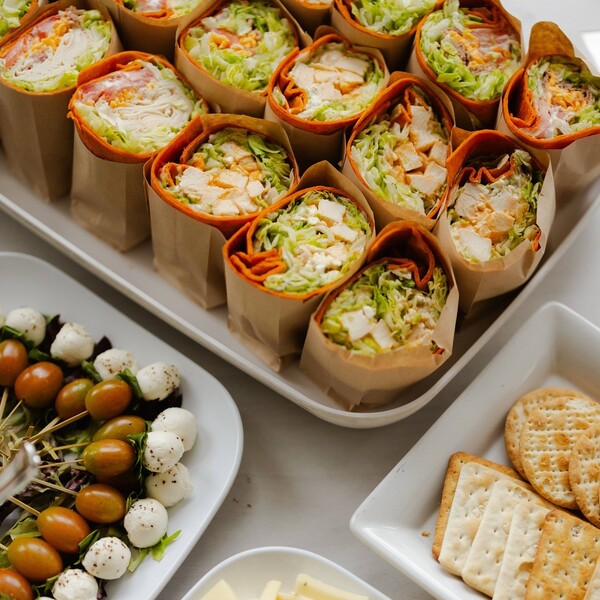
Fooda is a workplace food program built around an on-site pop-up vendor model. Rotating local restaurants and food trucks come into the workplace on a scheduled cadence to serve meals directly to employees, creating a daily changing menu rotation without the company having to coordinate individual vendors. The brand was founded in 2011 and is headquartered in Chicago, with operations across major US cities and a network of 2,000-plus restaurant partners.
Beyond the signature pop-up model, Fooda runs Orange by Fooda (full workplace caféterias), lunch delivery, catering for meetings and events, and pantry and micromarket programs. The brand’s positioning emphasizes employee experience and on-site hospitality, with a model where Fooda partners with restaurants on the back end rather than charging employers per-order service fees. Fooda serves clients ranging from startups to Fortune 500 companies.
What to Consider?
Two different workplace food philosophies sit at the center of this comparison. ezCater represents the digital catering marketplace model, where a self-serve platform connects offices with a massive restaurant network for delivery, recurring lunches, and event catering. They also have Enterprise solutions, designed for large, multi-location offices, with procurement and expense integrations, centralized billing and dedicated account management. Fooda represents the on-site hospitality model, where rotating restaurants come to the workplace to serve employees directly, with optional add-on services like caféteria popups, delivery, and event catering.
Neither model is wrong. The right one depends on what the office wants out of its food program, how the workplace is structured, and how much the company values on-site employee experience versus delivery convenience. The breakdown below covers six aspects where the two platforms take measurably different approaches.
1. Restaurant Network and Variety
The restaurant network behind a workplace catering platform defines what customers can actually order. A broader network means a wider variety of cuisines, better representation of local restaurants, and stronger coverage across cuisines and dietary requirements.
ezCater
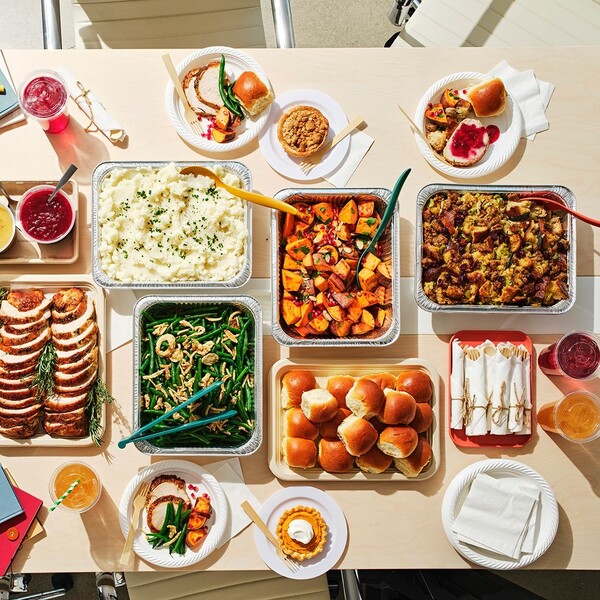
ezCater’s network includes more than 125,000 restaurants across the US, spanning national chains, regional favorites, local independents, and specialty caterers. The catalog covers every major cuisine category and most dietary preferences, with the platform handling menu curation, dietary tagging, and order routing across the full restaurant set.
Fooda
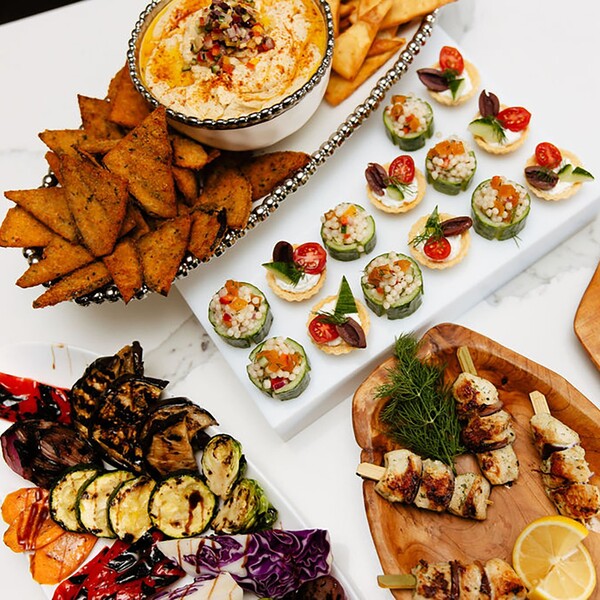
Fooda’s network includes 2,000+ restaurant partners, with the brand emphasizing chef-driven curation over raw network size. The partners include independent restaurants, food trucks, and chef-led operations selected for quality and the pop-up-friendly operational fit. The smaller network reflects Fooda’s curated approach rather than the breadth of an open marketplace.
Verdict
ezCater wins on the scale of restaurant networks by a wide margin. The 125,000-plus restaurant catalog gives offices far more options for cuisine variety, dietary accommodation, and finding local favorites in any given market. Fooda’s curated 2,000-partner approach has real merit for offices that value quality consistency over breadth, but the raw numbers favor ezCater for offices that want maximum choice across every catering occasion.
2. Service Model and Operational Approach
The operational model determines what the food program actually looks and feels like inside the workplace. Delivery-focused platforms send food to the office. Popup platforms bring restaurants into the office. Café platforms set up dedicated dining spaces. Each model fits different office types and employee experiences.
ezCater
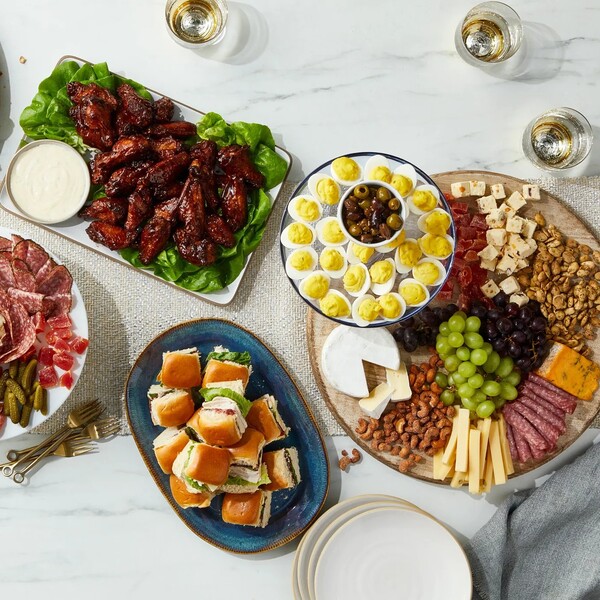
ezCater operates largely as a self-serve digital marketplace, with managed accounts for larger companies with more complex workplace food needs. Office managers, executive assistants, or whoever handles food orders log into the platform, browse the restaurant catalog, build the order, and schedule delivery. The group ordering feature lets each employee choose their own meal from a curated restaurant menu, while the company receives a single invoice. ezCater’s Meal Program runs recurring lunch deliveries on a set schedule. All ordering is handled through the platform, without requiring sales conversations or on-site coordination.
Fooda
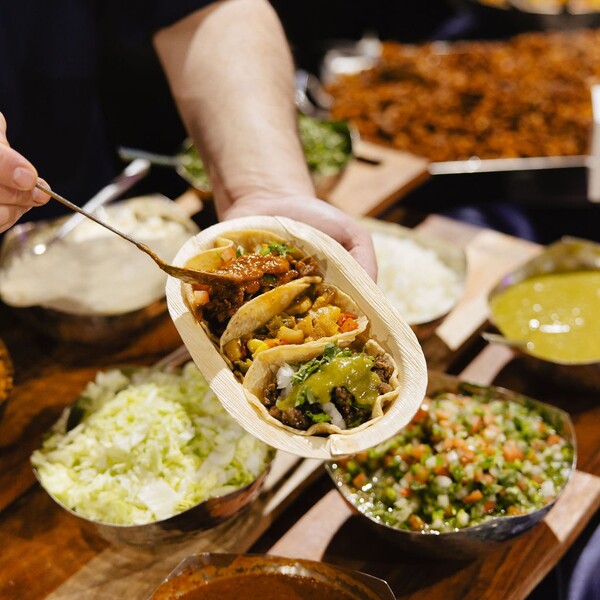
Fooda operates as an on-site program where restaurants come to the workplace to serve meals directly. Each Fooda day features a rotating vendor, so the office gets a menu that changes daily throughout the week. The pop-up model requires physical space in the office (cafeteria, lobby, or shared common area) and ongoing coordination between Fooda, the restaurants, and the workplace. Orange by Fooda extends the model further into full café operations. Fooda also offers contactless lunch delivery as an alternative for offices without the space or appetite for on-site pop-ups.
Verdict
Both models work, but they serve fundamentally different office setups. ezCater is the better fit for the typical US office that wants reliable catering delivered without operational overhead or physical-space requirements. Fooda is the better fit for offices that have the physical space and the culture to support an on-site dining program with restaurant rotation. ezCater wins for the broader workplace audience, since most offices in 2026 are looking for delivery-driven catering rather than committing to an on-site pop-up setup.
3. Coverage Area and Scale
A workplace catering platform’s geographic footprint determines whether the service is even available to a given office. Coverage depth varies significantly between national delivery platforms and on-site service models.
ezCater

ezCater covers every major US metro and most secondary markets through its network of 125,000-plus restaurants. The delivery-based model scales naturally nationwide because the platform doesn’t require physical infrastructure or on-site coordination in each market. Companies with offices in multiple cities can use ezCater consistently across the entire footprint.
Fooda

Fooda operates in major US cities and is actively expanding into new metros. The on-site pop-up model and café operations require physical presence and local vendor relationships in each market, which limits how quickly the brand can enter new geographies. Companies with offices outside Fooda’s coverage areas would need a different platform for those locations.
Verdict
ezCater wins on breadth and consistency of coverage. For multi-office companies or offices in secondary markets, ezCater’s national footprint removes the geographic constraints of on-site service models. Fooda’s coverage is real and growing, but the operational realities of running on-site programs mean the brand can’t match ezCater’s coast-to-coast delivery reach. For offices that need a single platform across multiple locations, ezCater is the clear pick.
4. Enterprise Features and Finance Integrations
Larger companies often need their food program to plug into corporate finance, procurement, and HR systems for billing, expense management, and compliance reporting. Enterprise feature depth distinguishes serious B2B platforms from consumer-style delivery services adapted to office use.
ezCater

ezCater publishes documented integrations with major corporate finance and procurement systems, including Concur, Coupa, Ariba, and Jaggaer. The platform supports tax-exempt status for qualifying organizations, centralized billing structures with single-invoice options for multi-order accounts, and dedicated account management for enterprise customers. The group ordering feature in particular was built around the enterprise need for per-employee meal selection within a single company-billed transaction.
Fooda
Fooda provides corporate billing and account management for its enterprise programs, with sales-team support handling onboarding and ongoing program management. The brand’s tech stack includes a data-driven solution that uses AI to learn from order patterns, optimize menu mixes, and reduce food waste over time. Public documentation of specific finance system integrations (Concur, Coupa, Ariba, Jaggaer) is less detailed than ezCater’s, and most enterprise implementations are handled by Fooda’s sales and account management teams.
Verdict
ezCater wins on enterprise feature depth and finance system integration. The published integrations with major procurement systems are a real advantage for companies whose IT and finance teams need clean integration points before approving a new food program. Fooda’s enterprise capabilities are real, but more sales-team-mediated and less visibly documented as standardized integrations. For companies with strict procurement or finance integration requirements, ezCater reduces implementation friction further.
5. Pricing Model and Cost Structure
How a workplace catering platform makes money shapes what the company actually pays. The two brands here use different pricing models, and the right one depends on whether the office wants predictable per-order costs or a subsidized hospitality program.
ezCater
ezCater pricing varies by order and is shown live on the platform during order building. Restaurant menu items are priced individually, with the platform handling order assembly and delivery fees as part of the order total. Enterprise accounts have access to volume pricing and custom invoicing structures arranged through the sales team.
Fooda
Fooda’s pricing structure is a revenue-share model, where the brand partners with restaurant vendors on the back end rather than charging employers per-order service fees. Employers can choose to subsidize meals partially or fully, or run programs where employees pay for their own meals at the pop-up. The model is positioned as low-cost to employers compared to traditional catering programs, with the trade-off being that program pricing depends on workplace setup and is custom-quoted by sales.
Verdict
The pricing comparison is genuinely close because the two brands use fundamentally different models. ezCater’s per-order transparency makes budget planning easier for offices running discrete catering orders. Fooda’s revenue-share model can be lower cost for employers running ongoing programs, especially when employees pay for their own meals at the pop-up. ezCater wins for offices that want predictable per-order pricing visible upfront. Fooda holds its own for offices running ongoing food programs where the revenue-share structure aligns with the program shape.
6. Hospitality Experience and Employee Engagement
The food program’s effect on employee experience and workplace culture is the part that’s hardest to measure but most important to actually feel. Different models create different daily experiences for people who eat the food.
ezCater

ezCater’s delivery-based model treats food as a logistics function. Orders arrive at the scheduled time, the food gets set up in a conference room or break area, and employees eat. The variety across orders comes from the breadth of restaurants available rather than from any on-site vendor experience. The platform optimizes for reliability and order accuracy rather than for the in-person food culture moment.
Fooda
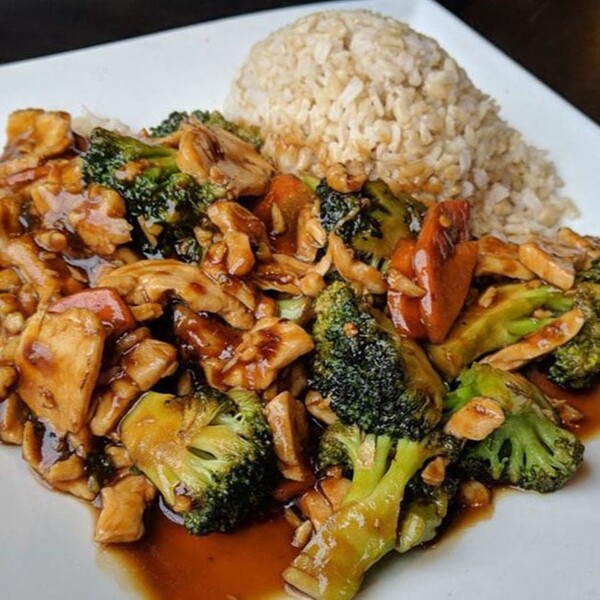
Fooda’s pop-up model is built around the on-site experience. Each Fooda day brings a different vendor physically into the workplace, with employees lining up to order from the chef or vendor directly. The model creates a daily-changing food culture event rather than a static delivery routine. Companies report that Fooda becomes part of the workplace social rhythm, with mealtime serving as a recurring opportunity for employees to gather and interact around the food.
Verdict
Fooda wins on the hospitality experience and employee engagement dimension. The on-site popup model creates a genuinely different daily experience than scheduled delivery, and offices that prioritize food as a culture-building element find Fooda’s model delivers something ezCater can’t replicate through delivery alone. That said, ezCater wins overall in the comparison because the brand serves a much broader range of workplace setups, including offices that don’t have the physical space or culture fit for on-site pop-ups. The honest read is that Fooda is the right pick when on-site hospitality is the explicit goal, and ezCater is the right pick when reliable delivery-based catering across a wider range of office types is the priority.
ezCater vs. Fooda: What Do Customers Think?
The two platforms publish customer feedback through different channels. ezCater focuses its reviews on Trustpilot, with thousands of verified reviews, while Fooda highlights named workplace testimonials on its main marketing site. The patterns in each brand’s reviews closely track the operational model of each platform.
ezCater

ezCater is widely recognized as the default workplace catering platform in the US, with recent 2026 editorial coverage positioning it as the most complete option in the category. ChooseMy.Food, in its April 2026 best corporate catering services roundup, called ezCater “the best corporate catering platform overall” and highlighted its breadth of selections, enterprise invoicing, and consistent quality. The brand carries a 4.4-star Trustpilot rating across more than 19,700 customer reviews, with 83% of those reviews at five stars.
The recurring themes in recent reviews center on ease of ordering, reliable on-time delivery, helpful delivery staff who often assist with setup, and consistent quality across the restaurant network. A handful of verified reviews from the past few weeks:
“ezCater makes it so EASY to host meetings in my office. I have never had a meal show up late and the delivery people are happy to set up and give that extra 10%!”
“I had a last-minute same-day request, and ezCater made it happen. The website was clear and easy to navigate, and delivery was even a couple of minutes early. It was amazing and I will use them again.”
“The delivery was early, the deliverer was quick and polite, and the food was good. Getting corporate deliveries is very easy with ezCater, so happy I found them.”
“The staff-Marco and his assistant- were absolutely amazing. The personal touches they put into the display were wonderful. Top-Notch customer service and the food…..AMAZING! We as a corp. order alot, and I will not forget the service and treatment I received from this Black Bear Diner location!!”
Fooda
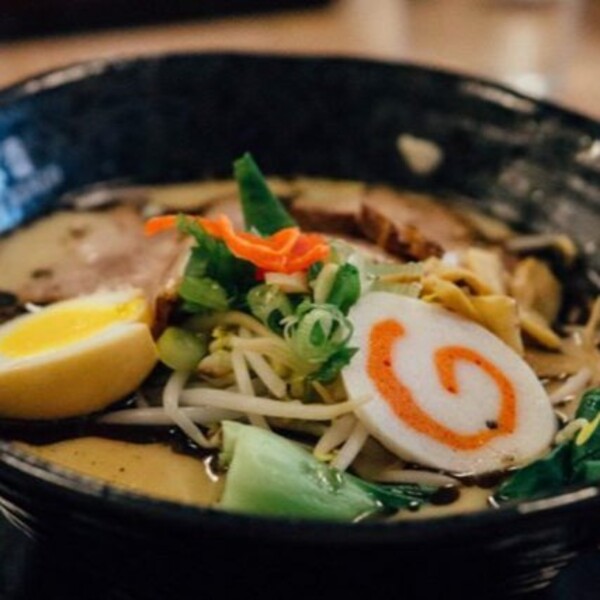
Fooda’s customer feedback emphasizes the on-site experience and the variety created by the daily vendor rotation. A reported 90-plus percent client retention rate signals strong satisfaction among offices that have adopted the program. Verified customer testimonials on the brand site include:
“If I were to ever move to a different company that didn’t have a lunch program, it would be a little bit of a shock.”
“Our experience has been nothing but positive. The difference in food quality and variety is massive, and we really like the idea of offering our people a different menu from local businesses every single day.”
ezCater vs. Fooda: Discounts and Promotions
The two platforms structure savings and promotional offerings in ways that reflect their business models.
ezCater

ezCater offers a points-based loyalty program called ezCater Rewards, where customers earn rewards on eligible orders that can be redeemed for credits on future orders.
Beyond the standard rewards program, the brand provides enterprise-level pricing and account management for larger customers arranged through the ezCater sales team. Custom volume discounts, dedicated billing structures, and consolidated invoicing are all available through enterprise contracts.
New customer promotions and limited-time discounts rotate through email signups and partner channels.
Fooda
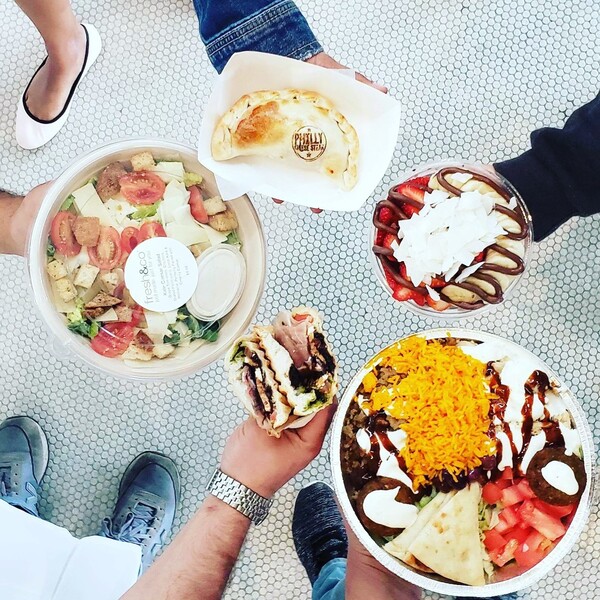
Fooda’s revenue-share model with restaurant partners is the primary cost savings angle for employers. Rather than charging companies a service fee per order, the brand structures revenue through partnerships with the participating restaurants and chefs, which keeps employer-side costs lower than traditional catering models.
Employers can choose to subsidize meals partially or fully, run programs where employees pay for their own meals at the pop-up, or layer in hybrid models. Specific program pricing is custom-quoted by Fooda’s sales team based on workplace setup, frequency, and subsidy structure.
Verdict
ezCater’s promotional structure is more transparent than the other, with a published Rewards loyalty program, enterprise-level pricing, and rotating customer promotions that customers can engage with directly. Fooda’s savings live mainly in the structural model rather than as discrete promotions, which works well for programs that benefit from the revenue-share approach but offer less in the way of named promotional offers.
If a company wants clear, named savings programs to point at, ezCater is the cleaner option. When the program runs on an ongoing employer-subsidized basis, Fooda’s revenue-share structure can deliver comparable value through a different mechanism.
ezCater vs Fooda: Delivery and Service Policies
Different operational models lead to different policies around order management, cancellation windows, and ongoing customer support. ezCater handles delivery through individual restaurant partners with platform-level support layered on top. Fooda’s on-site programs run through scheduled vendor visits with account management as the primary support layer.
ezCater

ezCater handles delivery through two main fulfillment paths: restaurant partners can deliver orders themselves with their own drivers, or they can use Dispatch, which is ezCater’s managed network of professional delivery providers.
Order modification and cancellation windows depend on the specific restaurant’s lead time requirements, with most orders supporting changes up to a few hours before the scheduled delivery time.
Customer service operates 24/7 via phone, chat, and email, with the team available to handle day-of issues such as delivery delays, order errors, or last-minute changes. Credits and refunds for issues are handled directly through the support team and applied to the customer’s account.
Fooda
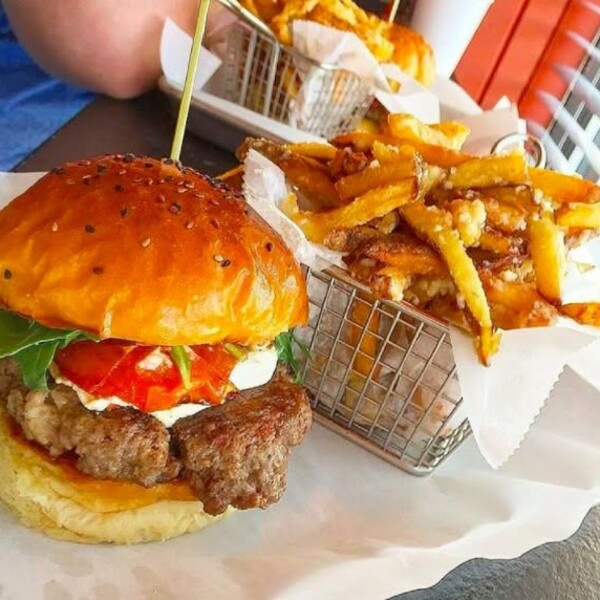
Fooda’s on-site programs run on scheduled vendor visits arranged in advance with the assigned Fooda account manager.
Program changes, such as vendor swaps, schedule adjustments, or subsidy modifications, are handled by the account management team rather than through self-serve. Cancellation and modification windows for one-off catering orders or events depend on the specific program structure and Fooda’s commitments to the participating restaurants.
Customer service for enterprise programs is account-managed, with day-of support handled by the on-site Fooda team or local account contacts.
Verdict
ezCater offers greater self-serve flexibility for individual orders, allowing customers to manage changes, cancellations, and credits directly through the platform without involving a sales contact.
Fooda’s account-managed approach works well for ongoing programs where the same account contact handles all coordination, but creates more friction for ad hoc changes that fall outside the planned program.
If a company values the ability to manage every order self-serve and resolve issues quickly through 24/7 support, ezCater is the clear fit.
Who Will You Pick?
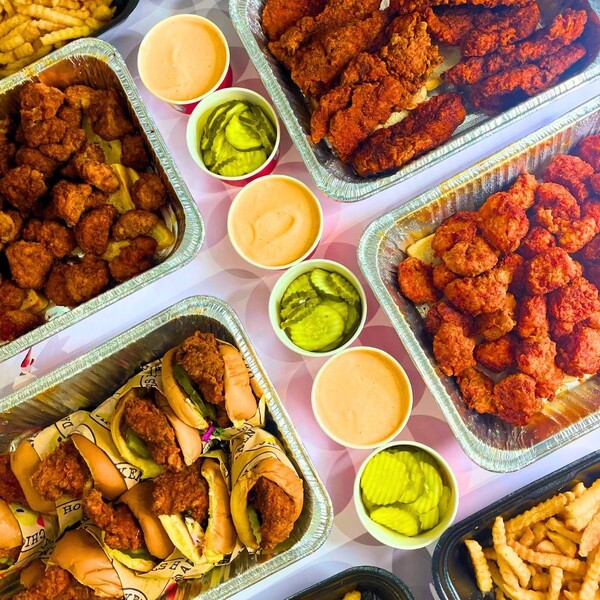
For the typical US office looking for a workplace catering platform that handles the full range of catering needs through a single account, ezCater is the clear choice. The 125,000-plus restaurant network, national coverage across every major metro and most secondary markets, published enterprise integrations with corporate finance systems, and the self-serve digital ordering flow combine to create the most flexible workplace catering platform available in 2026. Most offices, especially multi-location companies and those without the space or culture fit for on-site pop-up programs, will find ezCater the more practical default.
Fooda remains a real choice for offices that want food to function as a hospitality and engagement program rather than a delivery service. The on-site popup model creates a daily food culture event that delivery platforms can’t replicate, and Orange by Fooda extends the model into full café operations for workplaces that want managed dining infrastructure. Companies with the physical space, operational appetite, and cultural fit for on-site rotation programs will find Fooda’s model genuinely differentiated, with high client retention as honest social proof that it works for the offices it serves.
The decision between the two comes down to what the food program needs to accomplish in the workplace. Reliable delivery catering across a broad restaurant network and consistent enterprise tooling favor ezCater. On-site hospitality programs with rotating vendor variety and integrated café options favor Fooda. Either platform delivers a real workplace food solution. The choice depends on how the office wants the program to feel and what role food plays in the daily workplace rhythm.
Looking for more meal subscription services to choose from? Here are a few other brands we reviewed:


Ask the community or leave a comment
WRITE A REVIEWCustomer Reviews
Leave a review