Fresh Clean Threads vs Big-Box T-Shirts: Is the Upgrade Worth It?

Walk into any big-box store, meaning the large chain retailers and warehouse clubs where most people do their everyday shopping, and you can leave with a multi-pack of t-shirts for less than the price of lunch. That option has always existed, it works, and millions of people are perfectly happy with it. The question is not whether a cheap tee is a rip-off, because it is not.
The question is narrower and more useful. If you wear t-shirts most days, is there a meaningful difference between a basic tee and one designed specifically as a wardrobe staple? Fabric behavior after a dozen washes, whether the collar holds its form, whether the length suits your torso, and whether the next one you order matches the last one all decide that. Fresh Clean Threads has built a decade-long business on the argument that those things are worth paying for.
The breakdown below runs the two options against each other on the points that separate them, and it concedes the two where the cheaper shirt wins outright.
Table of Contents
About Fresh Clean Threads
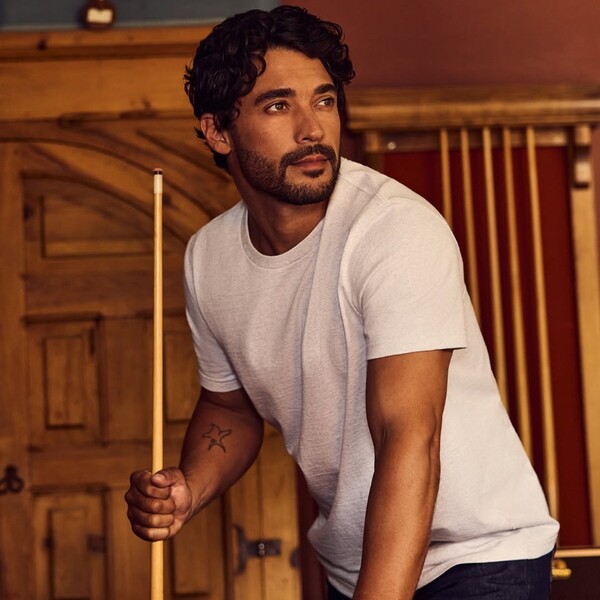
Fresh Clean Threads is a San Diego company that has been making men’s basics since 2015, when husband-and-wife team Matthew and Melissa Parvis started producing shirts out of their garage. It sells almost entirely in discounted multi-packs rather than single items, on the theory that nobody buys one t-shirt.
Their fresh clean tees are built around named fabrics. StratuSoftR, the knit in the best-selling crews, blends 60% cotton with 40% polyester for softness that resists stretching out, while TUFFSPUN and Performance Cool cover heavier-duty and moisture-wicking needs respectively. Every product is pre-shrunk so it holds its size after the first wash.
The range now covers crews, V-necks, henleys, polos, long sleeves, button-up shirts, hoodies, sweatshirts, and boxers. Fresh Clean Threads sells directly through its own site, backs orders with a 100-day guarantee, and offers a ThreadBox subscription for anyone who would rather not think about restocking.
What Counts as a Big-Box Tee
There are real strengths to the big-box approach: low prices, wide availability, and the convenience of replacing a worn-out tee without much thought. For plenty of situations, that combination is exactly the right set of tradeoffs.
Where things can differ is how a tee holds up over time. Some mass-market tees hold up for years, while others may shrink after the first wash or lose their collar shape over time. These differences aren’t necessarily noticeable when you first put a tee on—they tend to become clearer after months of wear. That variability is part of the tradeoff: the lower price and convenience can come with less consistency in fit and longevity.
What to Consider
Either option puts a t-shirt on your body, so the decision comes down to what happens in the weeks and months after that. How the shirt fits a specific torso, what the fabric does after repeated washing, whether it still looks presentable on a Tuesday, how easily you can get one, and what you are paying for all of it pull in different directions. Here is how each option handles them.
1. Fit and Feel
A basics purchase lives or dies on whether it fits the person buying it, and the two approaches solve for different things.
Fresh Clean Threads

These Fresh Clean Tees are offered in three torso lengths. A Short runs about two inches shorter on the body, a Regular is the standard, and a Tall adds two inches of length plus an inch of sleeve. A shorter man avoids a shirt that hangs like a tunic, and a taller one keeps his midriff covered when he reaches up, without sizing up and losing the fit through the chest. The StratuSoftR knit is soft from the first wear without feeling flimsy, which is the balance the blend is tuned for.
Big-Box Tees
Store-brand basics run a single length per size, which is the correct choice for a category built on volume. One length per size means fewer variants, simpler inventory, and a lower price, and for anyone whose proportions sit near the middle of the range it works fine. Anyone outside that range has one lever available, which is to size up or down as a whole and accept the compromise elsewhere.
Verdict
Fresh Clean Threads takes this clearly. Three torso lengths across a size run reaching 4XL solves a problem a single length structurally cannot, and it is the reason tall and short buyers gravitate toward the brand.
2. Fabric and Construction
Any tee feels acceptable in the packaging. The honest test is what it looks like after a month in the laundry.
Fresh Clean Threads

The StratuSoftR knit blends 60% cotton with 40% polyester, and the polyester content is doing specific work rather than cutting cost. Enough of it in the knit resists the slow stretch that turns a cheap cotton tee slack around the hem and sleeves. Fresh Clean Tees are tighter in the arms and shoulders to show off muscle, but looser through the torso so it will never cling to your midsection. Their fabric is pre-shrunk, so the shirt that arrives is the size it stays.
Big-Box Tees
Mass-market tees are usually all-cotton or a light cotton blend, which carries real advantages. All-cotton breathes well, takes dye cleanly, and feels natural against skin from the first wear rather than needing a break-in. Construction is generally simpler, which is where the savings come from. However all-cotton is much more likely to shrink, so the care label is worth reading and following closely if you want the shirt to maintain its same size wash after wash.
Verdict
Fresh Clean Threads has the edge on construction, and a fit that flatters. And their pre-shrunk fabric removes uncertainty around fit after a few washes. All-cotton has its own appeal though, and anyone who dislikes polyester in a knit may prefer an all-cotton big box brand instead.
3. Durability and Washing
This is the section that gets past “this one feels nicer,” because it can be checked against a shirt already in your drawer.
Fresh Clean Threads
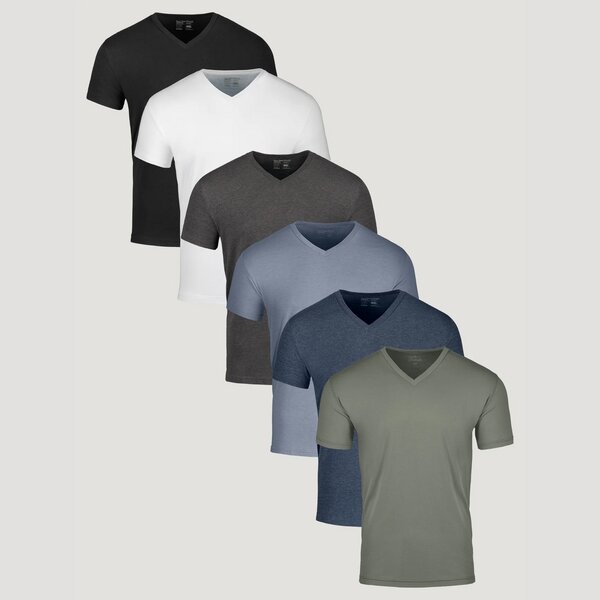
The design decisions here are aimed squarely at the wash cycle. Pre-shrinking means the first wash does not change the fit. The polyester in the blend holds the knit’s structure through repeated tumbling, so hems and sleeve openings stay where they started. The collar reinforcement exists for the same reason, since the collar absorbs the most stress from pulling a shirt on and off daily. The brand backs all of this with a 100-day guarantee that accepts worn and washed returns, which is a longer window than most apparel brands offer on a product that has already been used.
Big-Box Tees
Longevity across the category ranges widely, which is the fair way to put it. Heavier-weight cotton tees can last for years and often do. Lighter ones may change size or lose their form sooner. Because the replacement cost is low, a shirt that gives out is an inconvenience rather than a loss, and some people simply prefer a rotating supply of inexpensive shirts to a smaller number of expensive ones.
Verdict
Fresh Clean Threads wins on predictability more than on any single durability number. Pre-shrunk, blended, reinforced construction produces a known outcome, whereas the mass-market category produces a range of outcomes at a much lower price. A buyer who replaces tees often and does not mind doing so is not being poorly served by the cheaper option.
4. Style and Everyday Wear
The difference that shows up when you get dressed rather than when you shop, and the one hardest to see on a product page.
Fresh Clean Threads
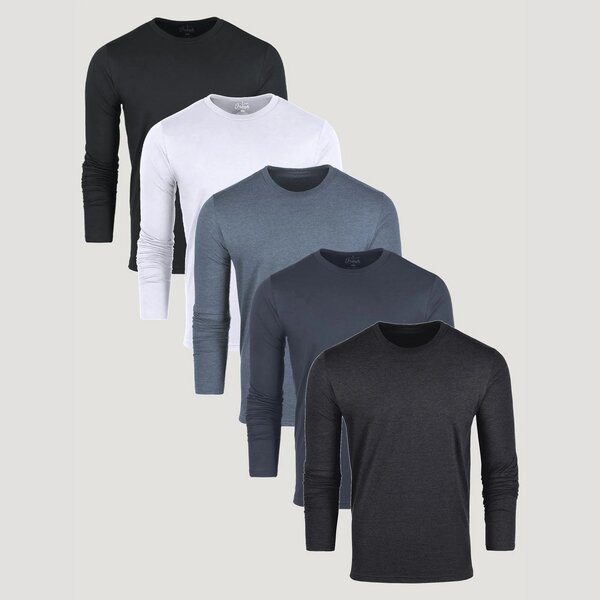
The pitch here is a repeatable staple rather than a shirt. Same fabric, same cut, same length option, order after order, so a Fresh Clean Tee bought this year matches one bought two years ago and a drawer full of them reads as intentional rather than accumulated. The three-length system means the shirt sits where it should on your specific torso, which is most of what separates a tee that looks put-together from one that looks like a t-shirt. The ThreadBox subscription exists for people who want that consistency on autopilot, and because the same fit system carries into henleys, polos, and button-ups, a whole casual wardrobe can run on one silhouette.
Big-Box Tees
Store-label basics are built to cover a broad range of shoppers at once, which means the cut aims for the middle and the assortment rotates with the season. Colorways change, fabric weights get revised between production runs, and a shirt you liked last year may not be on the rack this year. For a supply of shirts to wear around the house, at the gym, or under something else, none of that is a real drawback.
Verdict
Fresh Clean Threads takes this one, and it is the difference the price is buying. Anyone who has found a t-shirt that fits properly knows the small frustration of going back for another and finding it changed or gone. A shirt you can reorder identically, in a cut chosen for your proportions, is a wardrobe decision you get to stop making.
5. Price vs Value
The section where the cheaper option wins on two counts at once, and pretending otherwise would not be credible.
Fresh Clean Threads

The Crew 6-Pack runs $105, reduced from $138, which lands at about $17.50 a shirt and roughly 24% below buying six singly. A single crew is $23 for anyone testing one color first. Free US shipping applies over $100, which a six-pack clears on its own, and the 100-day guarantee covers returns after wearing and washing. What the brand cannot do is put a shirt in your hands this afternoon, since orders run through its own site with a delivery wait and a size chart in place of a fitting room.
Big Box Tees
Store multi-packs undercut that substantially, and it is not close. The category exists to hit the lowest possible unit price, and it succeeds at that. Immediacy comes with it, which is the second advantage and a real one. The shirt is on a shelf in a store you were already going to, you can feel the fabric before you commit, you can carry it out the same day, and if it is wrong you can walk it back to a counter without printing a label or waiting for a refund to clear.
Verdict
Big-box tees win on upfront price and on convenience, plainly and without qualification, and buying in person removes the two friction points that make online apparel a gamble, which are waiting and guessing.
What the extra money buys is a cheaper cost per wear with a fresh clean tee that holds up wash after wash.
A tee that holds its collar and its size stays in the good half of your wardrobe rather than getting demoted to yard work, and if you wear t-shirts most days, that is what you are paying for.
Who Should Buy Fresh Clean Threads?
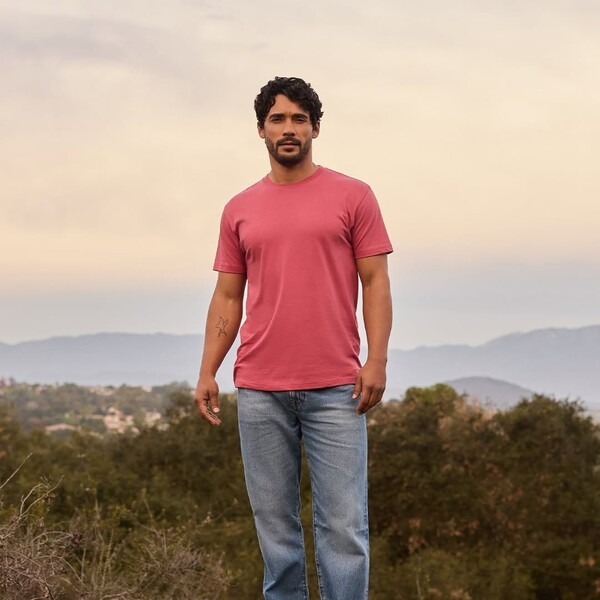
These Fresh Clean Tees make sense for somebody who wears t-shirts most days rather than occasionally. At that frequency, fit and consistency compound. A shirt that sits correctly on your torso, holds its collar through a year of washes, and can be reordered identically next year removes a small recurring annoyance from your week. It suits anyone whose proportions are poorly served by single-length sizing, which covers far more people than the industry acts like it does, and anyone who wants a whole casual wardrobe built on one fit system rather than assembled piecemeal.
Big-box basics remain the right call for others. Anyone who needs shirts today, anyone building a supply of work or gym shirts where longevity is beside the point, anyone shopping on a tight budget, and anyone who simply prefers all-cotton is well served by the cheaper option. Buying the premium shirt for a use case that does not reward it is just spending more money.
The deciding question is not which shirt is better in the abstract. It is how many days a week you put one on, and how much you would like the answer to stop being a compromise.
Looking for more options when it comes to men’s clothing? Then check out these brands below:




Ask the community or leave a comment
WRITE A REVIEWCustomer Reviews
Leave a review