Pair Eyewear vs. Traditional Glasses: Is Customization Worth It?

Table of Contents
About Pair Eyewear
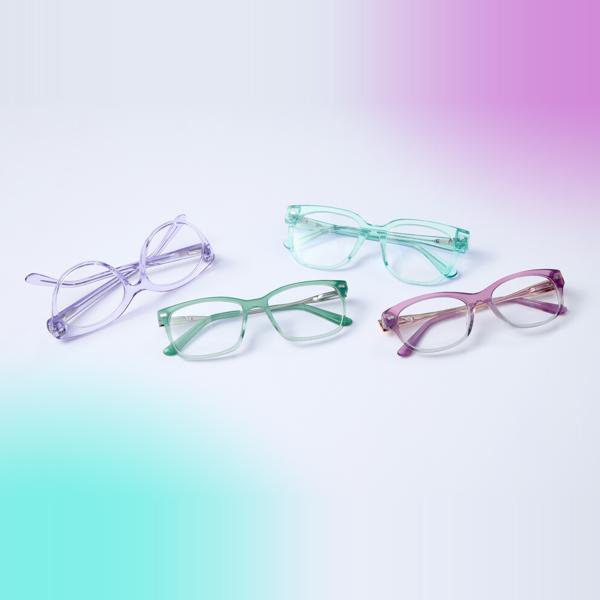
Pair Eyewear is a direct-to-consumer eyewear brand built around a two-part setup. A Base Frame holds the lenses, then magnetic Top Frames change the front look while the prescription stays the same. The site positions it as one pair with “infinite possibilities” and sets the starting point at “From $60, including Rx.”
The brand keeps the buying flow structured and clear. Shoppers choose a Base Frame, select a lens type, then add Top Frames, with lens categories and add-ons shown in the Lens Lineup under names like FinestFocus, BlueBarrier, SolarSense, and OfficeOptics. Pair also runs frequent themed drops, such as Twilight Moon, paired with a mixed material base frame like Purple Confetti Tortoise.
About Traditional Glasses
Traditional glasses are the standard way most prescription eyewear is sold. A shopper chooses a frame and lenses as one finished pair, then wears that same combination until they decide to buy another pair. This model is available through local optical shops, optical chains, and many online retailers, and it remains familiar because the purchase is straightforward.
Traditional eyewear shopping typically centers on fit, lens choice, and long-term wear, with style decisions made at the frame level. Many buyers prefer this approach because it keeps the product simple, and it fits a wide range of personal style preferences and prescription needs.
What to Consider Before Choosing
Pair Eyewear and traditional glasses both solve the same core problem: clear vision in something you can wear every day. The difference shows up in the flexibility you get after the first purchase and in how you end up spending over time. The points below first define the key comparison areas, then break down how each option handles them, and finally provide a clear call.
Number of looks per prescription
A single prescription can either stay tied to one look until you replace the whole pair, or it can act like a base you keep while the “front look” changes. This matters for anyone who gets bored with the same frame or wants to match glasses to work, weekends, and events without buying multiple prescription pairs.
Pair Eyewear
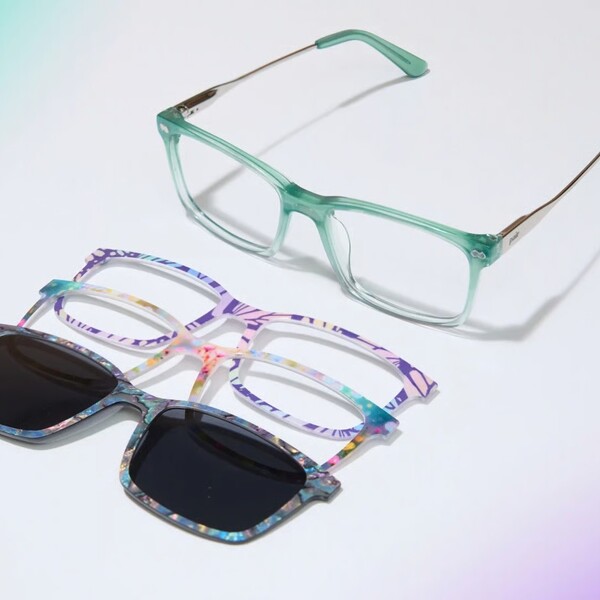
A Base Frame holds the lenses, then magnetic Top Frames change the front look while the prescription stays the same. Pair positions it as a single pair with “infinite possibilities,” which aligns with how the system is meant to be used in practice.
Traditional glasses
The typical model ties the prescription and style into a single finished product. A prescription pair arrives as one frame, and one look, and a different style usually means buying another complete pair.
Verdict
Pair wins because one prescription setup can cover multiple looks without repeating the lens order.
Repeat costs over a year
A single checkout total seldom accurately reflects eyewear spending. Over a year, people buy backups, sunglasses, seasonal styles, or just something different because the same pair gets old. A better comparison looks at what you usually pay each time you want variety.
Pair Eyewear

Repeat spending can shift toward Top Frames instead of new prescription builds. The Twilight Moon collection shows standard tops at $25 and Premium at $30, plus a set listed at $72 with $80 crossed out, which is exactly the kind of “add looks without new lenses” pricing that defines the system.
Traditional glasses
Repeat spending usually means another full purchase when someone wants a noticeably different look, because lenses and frames are bundled as one finished pair.
Verdict
Pair wins because variety across the year can be built through Top Frames instead of additional prescription pairs.
Ease of changing styles
Customization only matters if it feels realistic on a normal day. If changing styles requires effort, extra tools, or a long routine, it stops happening. Ease is the difference between “nice idea” and something that becomes part of how you use your glasses.
Pair Eyewear
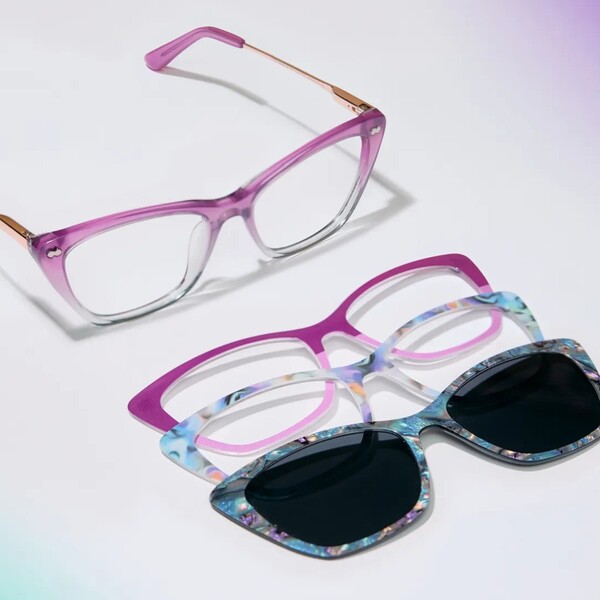
Top Frames attach magnetically and snap on quickly. Pair also calls out patterns, classic colors, and UV-blocking Sun Tops as swap options, so the style change does not require touching lenses or switching prescription frames.
Traditional glasses
Style changes usually happen by switching to another full pair. That can still work well; it just assumes you already own multiple pairs.
Verdict
Pair wins because the product model is designed around quick swaps rather than owning several complete prescription pairs.
Price drivers
Most “surprise totals” in eyewear come from the same place: lens choice and lens upgrades. A helpful comparison clarifies the factors that influence the final price, as the frame’s headline price often fails to provide a complete picture.
Pair Eyewear
The homepage anchors entry pricing at $60, including Rx, then lens type and add-ons determine the total. The FSA and HSA page also lists a clear reference point, progressive lenses start at $259, which is a meaningful number for anyone shopping for progressives.
Traditional glasses
Lens type and upgrades still drive the total, but pricing presentation depends on the provider and how the purchase is packaged in-store or online.
Verdict
Pair wins because the site prominently displays key pricing signals and lens categories early, stating important numbers plainly.
Daily wear setup
Daily wear is about comfort, stability, and whether the frame still feels good after hours on your face. This matters more than people expect, because a frame can look good in photos but feel annoying by the end of a workday.
Pair Eyewear
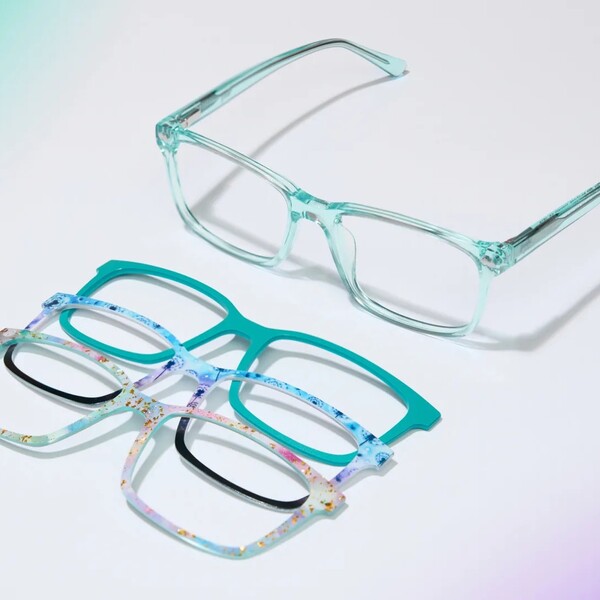
Pair highlights hand assembly in California and spring-loaded hinges that flex, which are practical build details tied to fit and comfort. The Base Frame is also positioned as the everyday anchor, with style changes handled through Tops rather than switching the whole prescription pair.
Traditional glasses
Daily-wear quality depends on the specific frame brand and how well the fit is adjusted at purchase. Many buyers prefer an in-person adjustment experience as part of this.
Verdict
Pair wins because the system is built around a single, consistent base frame that stays in rotation while the look changes around it.
Online ordering support
Online eyewear usually breaks down into two spots: choosing a frame that looks right on your face and getting the prescription set up right. A strong online experience reduces guesswork before checkout.
Pair Eyewear

Virtual Try On and Measure PD are part of the site’s shopping support, and the build process stays in a clear, ordered sequence so shoppers don’t lose track of their selections.
Traditional glasses
Support depends on where you buy. Online retailers vary in the tools they offer, while in-store buying typically relies on staff guidance and adjustments.
Verdict
Pair wins for online buyers because the support tools and built structure are integrated into the shopping flow.
New drops and collections
New releases matter for buyers who enjoy fresh styles and plan to add to their rotation later. It also matters because it shows whether “customization” stays active after the first purchase.
Pair Eyewear
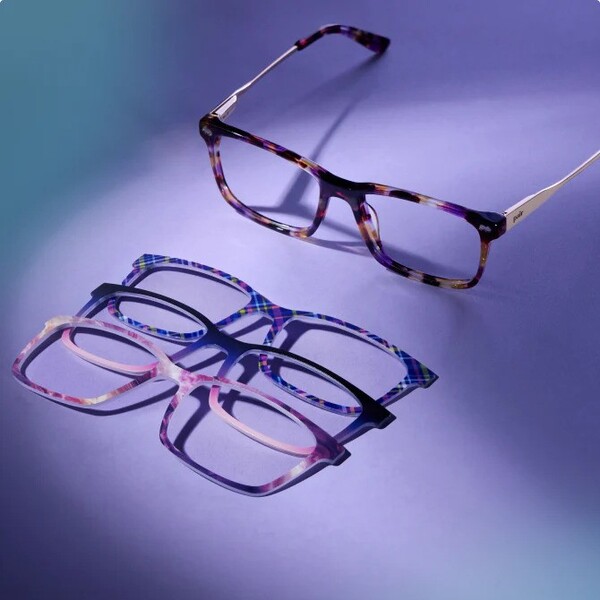
The site highlights ongoing collections and limited-edition drops, and the Twilight Moon campaign showcases a coordinated pairing built around Purple Confetti Tortoise, with matching tops and set discounts.
Traditional glasses
Newness depends on what a retailer stocks and how often shoppers return to browse new frames.
Verdict
Pair wins because new releases are tied directly to the Top Frame system, which keeps the customization model active over time.
Pros and Cons
Pair Eyewear
Pros
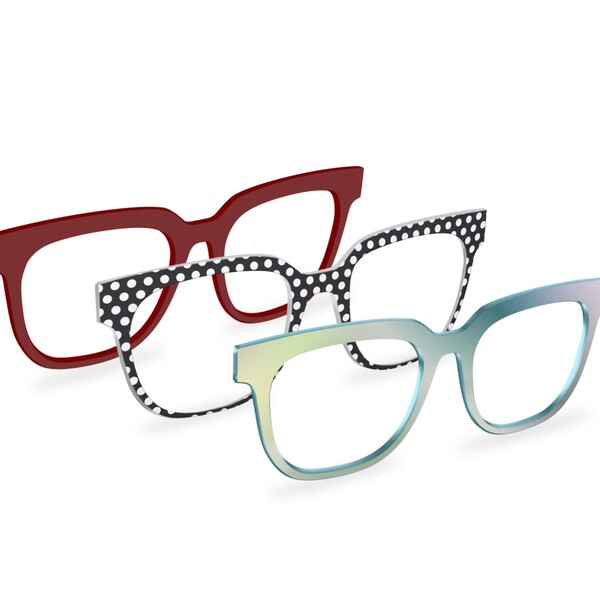
Pair gives you multiple looks without needing multiple prescription pairs, since the Base Frame holds the lenses and Top Frames swap the front style. Pricing also supports that “build over time” idea, with many Top Frames sitting in the $25 range and Premium designs at $30 in drops like Twilight Moon.
The buying flow is clearly structured, and tools like Virtual Try On and Measure PD are built into the shopping experience, which helps reduce online guesswork. FSA and HSA use is also spelled out with clear payment and reimbursement paths.
Cons
The system asks you to think in “parts,” meaning you’re buying a base plus add-ons rather than one finished look. Top Frames are also tied to specific base frame styles, so shoppers need to match the Top Frame to the correct Base Frame. Lens choices can also quickly change the total, especially for progressives, with the site listing progressives starting at $259.
Traditional glasses
Pros
Traditional glasses keep everything in one purchase, one frame, one set of lenses, one finished pair. That’s appealing for buyers who want a single decision and a simple replacement cycle. The in-person route also makes it easy to get hands-on adjustments and guidance during purchase.
Cons
Variety usually means buying another complete pair, since the prescription and style are tied together as one finished product. That can make “multiple looks” a larger commitment over time compared with adding a few style changes.
Discounts and promotions
Savings only matter if they show up in a normal cart, not as a vague promise. Pair runs a mix of sitewide promos, collection-based set deals, plus an optional membership that lowers prices for people who keep buying Tops.
Pair Eyewear

A sitewide promo offers a free Top on orders of $200 or more with code FREETOP, and free shipping on U.S. orders is shown on the site.
Drop-based deals show up, too. Twilight Moon includes a pairing set that saves 15 percent when bundling the Purple Confetti Tortoise base frame with three Twilight Moon Tops, plus a topper set deal that saves 10 percent.
Pair+ is the longer-term savings option. It is a monthly membership in which a $30 payment converts to 300 Pair Points as store credit, and members get 15 percent off eligible items, with exclusions for gift cards, PairCare, and bundles.
Traditional glasses
Discounts depend on where you buy. Some retailers run seasonal sales, some bundle lenses, some do nothing at all.
Verdict
Pair wins because discounts show up in clear formats that match how people actually shop, a sitewide promo, set deals tied to new drops, and an ongoing membership for repeat buyers.
Shipping and returns
Online glasses only feel like a good decision when shipping and returns are simple. Nobody wants a complicated policy when the fit is not right.
Pair Eyewear
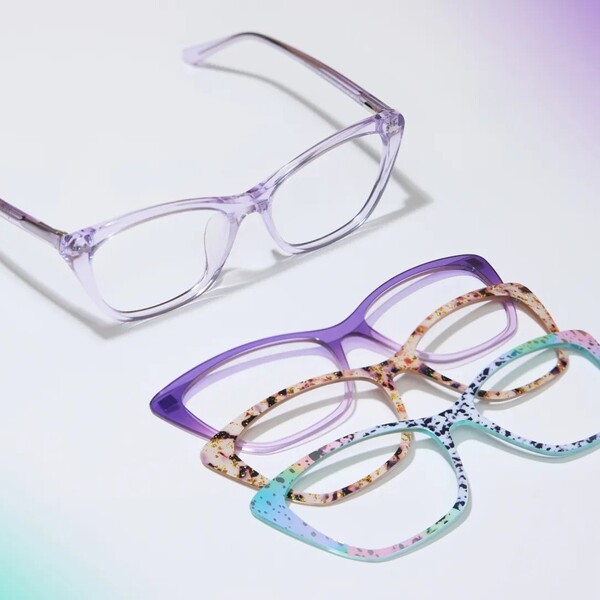
Pair promotes free U.S. shipping on the site and also highlights free 30-day returns.
Traditional glasses
Shipping and returns depend on the shop. In-store purchases usually follow the store’s return rules, while online retailers vary widely in terms of return windows, fees, and what’s returnable.
Verdict
Pair wins because the policy messaging is straightforward and visible during shopping, which lowers friction for first-time buyers.
Who Should Choose Which

Pair Eyewear fits the buyer who wants variety within a single prescription pair and plans to add styles over time. The Base Frame plus Top Frame system supports that approach directly, and the release calendar keeps it active through ongoing collections and drops like Twilight Moon. Pair also appeals to shoppers who want a structured online process, because the build flow stays consistent and tools like Virtual Try On and Measure PD are part of the experience.
On the other hand, traditional glasses fit buyers who want a single finished pair, a single look, and a simple replacement cycle. Many people also prefer the local shop experience and in-person adjustments during the purchase, since it keeps the product simple and hands-on.
As a verdict, Pair is the stronger choice for anyone who wants multiple looks without buying multiple prescription pairs, and for anyone who prefers a guided online build process over picking one frame and being locked into it.
Explore your options for eyewear with these top brands:



Ask the community or leave a comment
WRITE A REVIEWCustomer Reviews
Leave a review