Thriftbooks vs Abebooks: What Readers Should Know Before Choosing

Table of Contents
About ThriftBooks
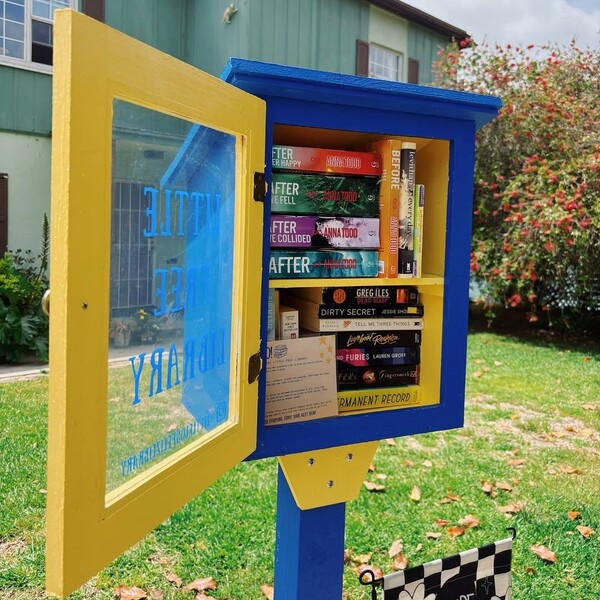
ThriftBooks is an online bookseller built around direct ownership of inventory rather than third-party listings. It buys, grades, and ships its own books, which keeps pricing, condition standards, and fulfillment consistent across the catalog. The selection leans heavily toward everyday reading, including fiction, nonfiction, children’s books, and textbooks, with millions of titles available at prices that make repeat buying realistic. Free shipping thresholds and centralized support keep the buying process predictable.
The brand also extends beyond sales by supporting reading as an ongoing habit. ReadingRewards, yearly reading challenges, page tracking, and personalized picks live inside a single account and reward long-term use rather than one-time purchases. Partnerships with libraries and book donation programs give unsold inventory a second life, reinforcing the company’s role in keeping books circulating and accessible.
About AbeBooks
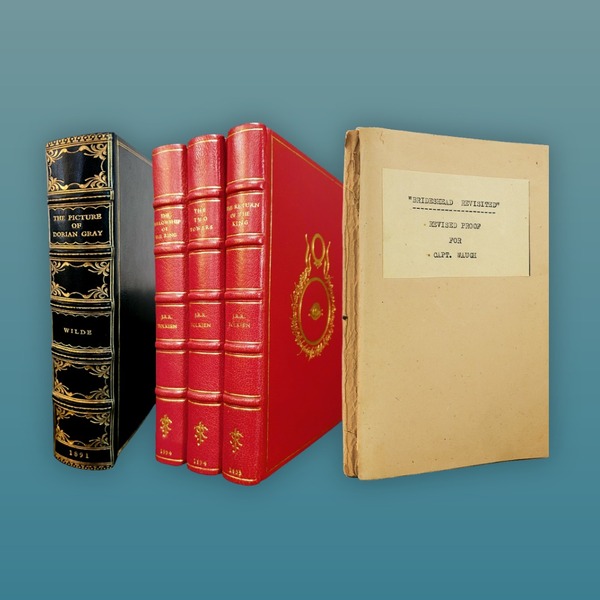
AbeBooks operates as a global marketplace that connects buyers with independent sellers. Rather than owning inventory, the platform provides search tools and buyer protections while individual sellers handle pricing, shipping, and fulfillment. The catalog strongly emphasizes rare, vintage, and collectible items, including first editions, signed copies, antiquarian books, art, and paper collectibles.
The platform exists primarily to support discovery and trade between collectors and booksellers. Because listings come from thousands of sellers worldwide, the experience varies by order, with differences in shipping costs, delivery times, and condition standards. AbeBooks suits readers and collectors searching for specific editions or hard-to-find items rather than those focused on routine reading or repeat purchases.
What to Consider?
Side-by-side comparisons work best when you slow things down and look at how each platform actually behaves in everyday use. Small details add up fast once you start browsing, ordering, and coming back again.
Some differences matter more depending on how you read and buy books. Consistency, flexibility, and ease all show up in subtle ways, so it helps to walk through them one at a time. The sections below do exactly that, laying out how each platform handles the same situations before stepping back to see which approach feels better in practice.
Platform Structure
Platform structure affects how books are sourced, how orders are handled, and how consistent the experience feels over time. It determines who controls inventory, who sets standards, and who takes responsibility once an order is placed. Even when two platforms sell the same book, this underlying setup can lead to very different outcomes for the buyer.
ThriftBooks
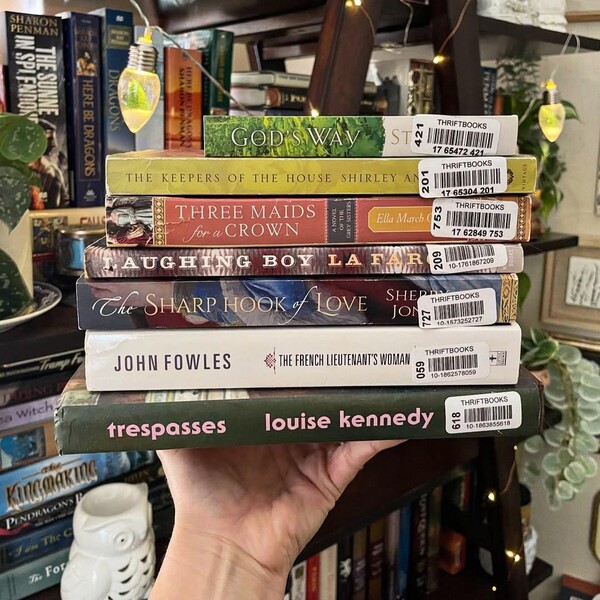
ThriftBooks operates as a direct retailer. It owns its inventory, processes books through its own facilities, applies a single grading system, and ships orders directly. Pricing, condition standards, and fulfillment are handled by a single internal system across the site.
AbeBooks
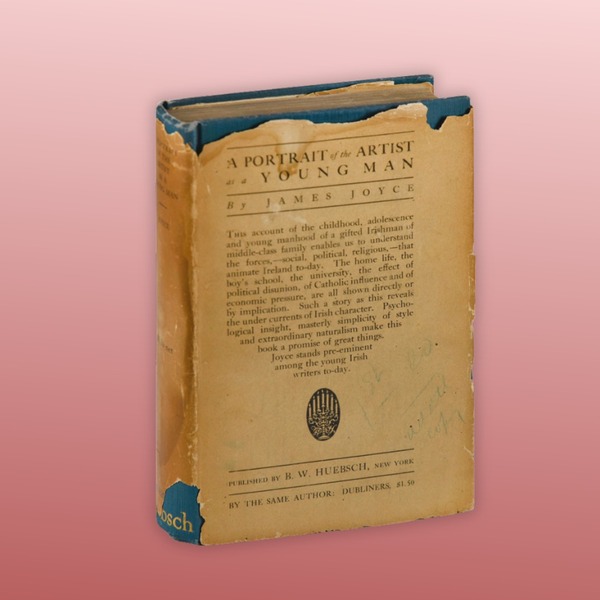
AbeBooks operates as a marketplace. Independent sellers list their own inventory, describe the condition in their own terms, set prices, and ship orders themselves. AbeBooks provides the platform and buyer protections, but each transaction depends on the individual seller involved.
Verdict
ThriftBooks has the advantage here because its centralized structure delivers a more consistent, predictable buying experience.
Book Condition Standards
Condition grading sets expectations before a book ever arrives. Clear standards help readers decide whether a lower price is acceptable or whether condition matters more than savings. Consistency becomes especially important when buying used books repeatedly.
ThriftBooks
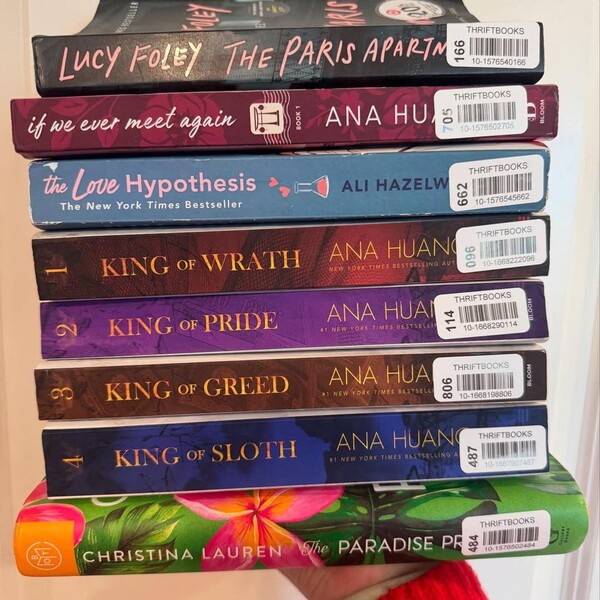
ThriftBooks uses a single grading scale across its catalog, typically ranging from Like New and Very Good to Good and Acceptable. Each condition level follows defined criteria, which helps buyers understand what wear, markings, or damage to expect regardless of the title.
AbeBooks
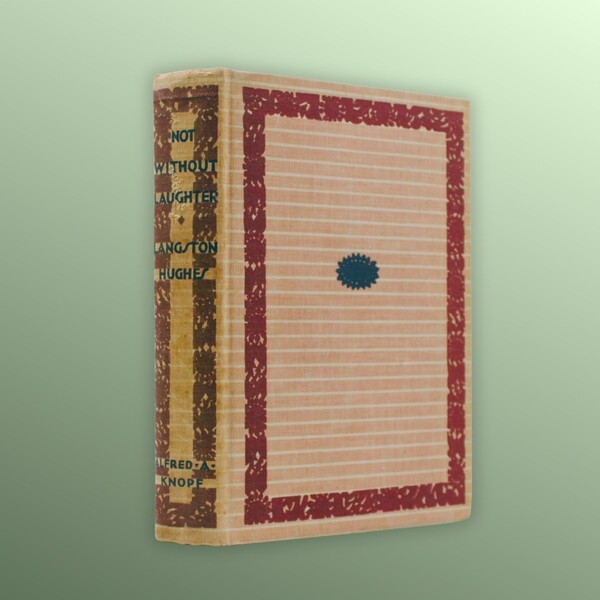
AbeBooks relies on seller-written condition descriptions. Many sellers provide detailed notes, but terminology and thoroughness vary. One seller’s “Very Good” may differ from another’s, and condition clarity depends entirely on how the individual listing is written.
Verdict
ThriftBooks has the edge because its standardized grading system reduces guesswork for most everyday readers.
Account Features and Extras
Account-level features shape how useful a platform feels beyond a single purchase. Tools like saved lists, rewards, and reading trackers can influence whether a site becomes part of a regular reading routine or just a one-off stop.
ThriftBooks
ThriftBooks builds multiple reader-focused features into one account. ReadingRewards points accumulate with purchases and convert into free books. Users can save lists, receive personalized recommendations, join annual reading challenges, track pages or books read, and earn badges tied to progress. Everything lives under the same login and updates automatically over time.
AbeBooks
AbeBooks keeps accounts largely transactional. Users can track orders and save basic information, but there are no built-in rewards, reading challenges, progress tracking, or platform-wide incentives tied to continued use.
Verdict
ThriftBooks stands out here because its account features add ongoing value that extends beyond buying individual books.
Long-Term Value for Repeat Buyers
Long-term value shows up after the first few orders. It’s about whether a platform gives readers reasons to come back, keeps past activity useful, and makes repeat buying feel easier instead of repetitive.
ThriftBooks
ThriftBooks is clearly built with repeat use in mind. ReadingRewards points continue to accumulate across purchases, saved lists remain accessible, and recommendations adjust based on reading and buying history. Reading challenges and progress tracking also carry forward over time, so past activity keeps paying off rather than resetting with each order.
AbeBooks
AbeBooks treats purchases as separate transactions. While accounts retain order history, there are no platform-wide incentives, rewards, or reader tools that build value from repeated use. Each visit starts largely from scratch.
Verdict
ThriftBooks has the advantage here because its ecosystem rewards consistency and makes long-term use feel intentional rather than incidental.
Search and Discovery
Search and discovery affect how easily readers find what they want, whether they’re hunting for a specific title or browsing for something new. The way results are presented can shape how much effort it takes to move from curiosity to checkout.
ThriftBooks
ThriftBooks emphasizes ease of browsing. Search results are clean, filters are simple, and recommendations surface quickly based on past activity. Lists, categories, and personalized picks make it easy to stumble into new reads without needing detailed search criteria.
AbeBooks
AbeBooks focuses on precision. Advanced search tools allow filtering by edition, binding, condition, publication year, and seller location. That depth works well for collectors or buyers seeking exact versions, though it can feel more technical for casual browsing.
Verdict
ThriftBooks comes out ahead for everyday discovery because its search experience feels more approachable and repeat-friendly for most readers.
Pricing Approach
Price only makes sense when it’s specific. Looking at real numbers helps set expectations, especially for readers buying common titles rather than collectibles. The way prices are structured also affects how predictable the final total feels at checkout.
ThriftBooks
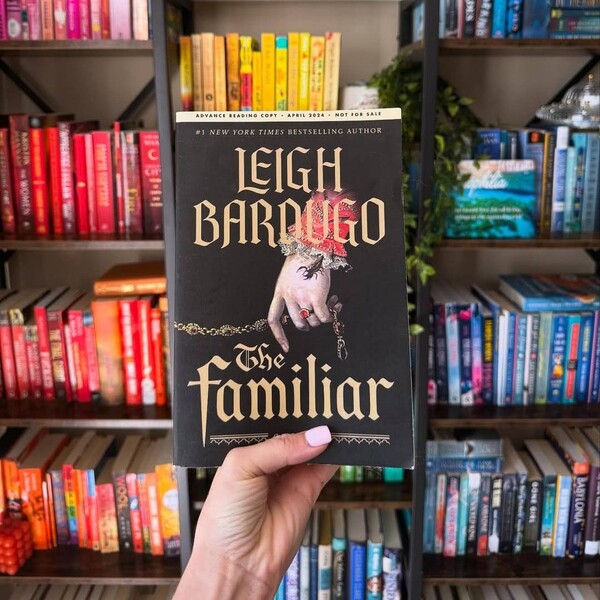
ThriftBooks prices most used books in clearly defined ranges. Mass-market paperbacks often fall between $3.99 and $6.99, while used hardcovers commonly land between $6.99 and $12.99, depending on condition. Children’s books and older paperbacks frequently appear for under $5. Free standard shipping applies to U.S. orders over $15, which keeps multi-book orders easy to plan.
AbeBooks
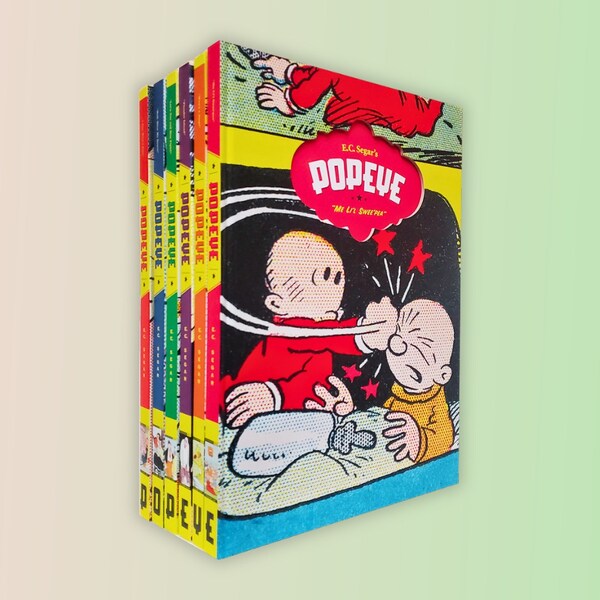
AbeBooks pricing varies by seller. Common paperbacks may start as low as $4 to $6, but individual shipping fees often range from $3 to $8 per item. Hardcovers and textbooks regularly climb into the $15 to $30+ range once shipping is added. Totals can rise quickly when ordering from multiple sellers, since each seller sets their own pricing and shipping.
Verdict
ThriftBooks has the advantage for everyday affordability because its pricing and shipping structure keeps totals lower and more predictable for common titles.
Best Fit by Reader Type
Different platforms serve different reading habits. Looking at who each site works best for helps tie all the previous differences together without forcing a one-size-fits-all conclusion.
ThriftBooks

ThriftBooks fits readers who buy books regularly, read across multiple genres, and care about keeping costs down over time. The platform supports everyday reading through lower prices on common titles, predictable shipping, rewards that build, and tools that make it easier to keep track of what’s next.
AbeBooks
AbeBooks matches buyers with specific goals, especially collectors seeking rare, signed, first-edition, or antiquarian books. The marketplace model shines when the priority is finding a particular item rather than building a long-term reading routine.
Verdict
For the majority of readers who read often and buy frequently, ThriftBooks aligns more closely with real-world reading habits and ongoing use.
Reader Engagement and Reading Challenges
Reader engagement goes beyond buying books. Some platforms stop once an order ships, while others stay involved by helping readers build momentum, track progress, or stay motivated over time. That difference matters for anyone trying to read more consistently rather than just shop occasionally.
ThriftBooks
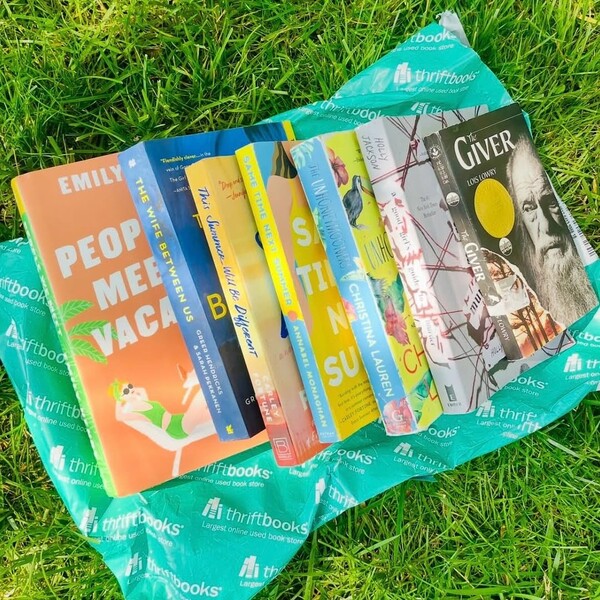
ThriftBooks treats reading as an ongoing activity, not just a transaction. Its Reading Challenge lets users set personal goals by books or pages and track progress throughout the year. The 500 Billion Page Challenge adds a shared component, where individual reading contributes to a larger collective goal. Books counted toward these challenges do not need to be purchased from ThriftBooks, which keeps participation flexible. Progress updates automatically inside the account, alongside reading history and rewards.
AbeBooks
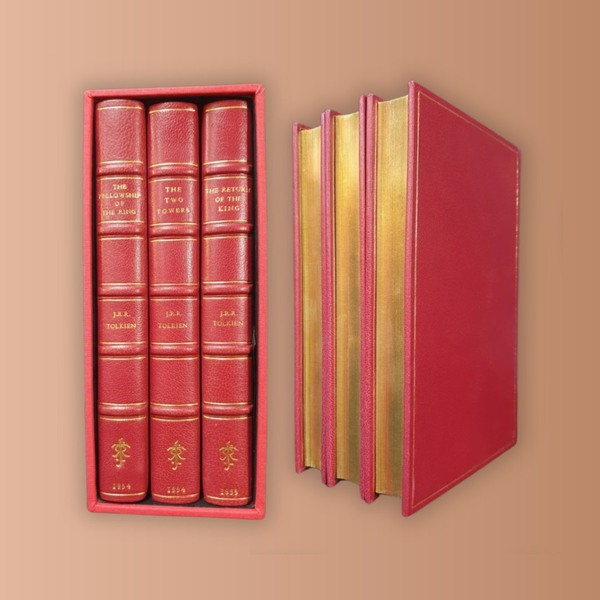
AbeBooks does not provide platform-level reading challenges or tools tied to reading habits. While the site lists many books that include the word “challenge” in titles or publisher names, those are products for sale rather than engagement features. AbeBooks accounts focus on browsing, purchasing, and order management, with no built-in goal setting or reading progress tracking.
Verdict
ThriftBooks leads in this area by actively supporting reading as a habit, not just a purchase, through tools that stay relevant after checkout.
ThriftBooks vs. Abebooks: What Do Customers Think?
Customer feedback helps fill in the gaps that specs and feature lists miss. Reviews tend to reveal how a platform feels in real use, where it works smoothly, and where small frustrations emerge over time. Looking at recent feedback gives a clearer picture of what buyers actually experience after placing orders.
ThriftBooks
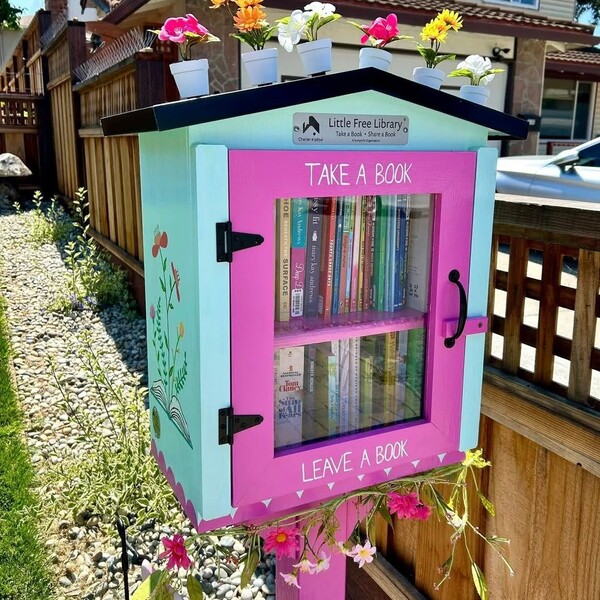
ThriftBooks feedback consistently centers on reliability, condition accuracy, and long-term trust. Many customers report that books arrived in the condition they expected, often noting that used or ex-library copies still matched the listed grading. Timely delivery also comes up often, including international orders, with several reviewers calling out accurate tracking updates and early arrivals. Longtime buyers frequently mention repeat purchases over years without major issues, which points to steady service rather than one-off success.
Service and value appear just as often. Customers talk about responsive support when something goes wrong, credits being applied correctly, and shipping costs staying reasonable compared to other sites. Features like wish lists, availability alerts, and small extras included with orders also show up in reviews, adding to the overall experience without being the main reason people return.
A few examples from recent reviews illustrate these points clearly:
“Once again fantastic quality collectable books… Rate Thriftbook an excellent source to go to for whatever book you’re looking for.”
“The shipping cost was reasonable to Canada and the book even arrived one day earlier than estimated.”
“I have NEVER had ANY problems with ThriftBooks and I have been buying books from them for years.”
“They received my message and replied back in a timely manner and reconciled the situation.”
Abebooks

Feedback around AbeBooks tends to center on value, access to hard-to-find titles, and experiences that depend heavily on individual orders. Many customers describe being pleasantly surprised by pricing, especially for older, niche, or out-of-print books, and often mention that items arrive in better condition than expected. Several reviews also highlight responsiveness when customer service is contacted, particularly in resolving order issues.
Some buyers emphasize affordability and savings as a key takeaway. One reviewer shared, “I ordered 3 books. They arrived and the price was amazing… I saved a considerable amount of money.” Others echo similar sentiments when sourcing specific titles that are difficult to find elsewhere, noting both availability and cost. As one customer put it, “Abe had exactly what I needed… one of the books came today, like new, for a fraction of the cost.”
Customer service and problem resolution also appear repeatedly in positive reviews. One long-time user noted, “I had a poor experience recently… got a fast reply that was both positive and evidence of upholding quality.” Another described support as “extremely helpful, trying to locate a book that I’d ordered… eventually the book was located and sent out straight away.” Overall, AbeBooks customers often frame their experience as reliable when searching for specific or uncommon books, with value and access standing out as recurring themes.
Thriftbooks vs Abebooks: Promotions and Discounts
When it comes to discounts and promotions, the difference between ThriftBooks and AbeBooks mostly comes down to how savings are structured and delivered. Both platforms can offer good value, but they approach incentives in fundamentally different ways, which shapes how predictable and accessible those savings feel to buyers over time.
ThriftBooks
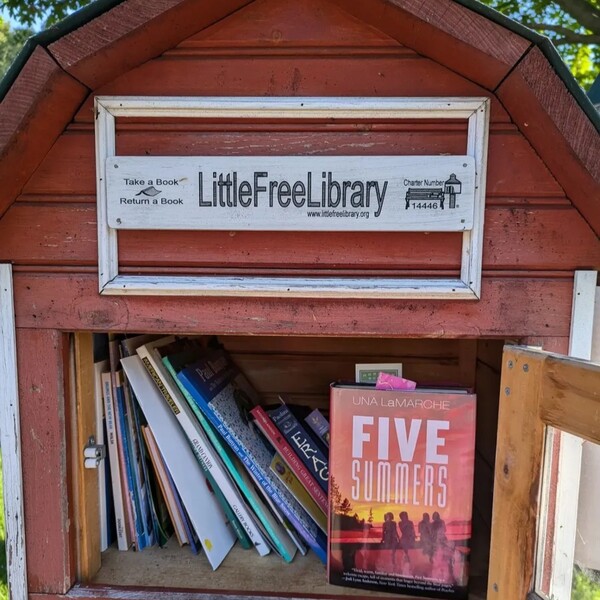
ThriftBooks runs promotions at the platform level. Discounts are built into everyday pricing, then reinforced through sitewide sales, seasonal deals, and its ReadingRewards loyalty program, where purchases earn points toward free books. These promotions apply consistently across the catalog and are visible at checkout, so buyers generally know what they’re getting without extra steps. In addition, reading challenges and bonus-point events add non-price incentives that still translate into tangible savings over time.
AbeBooks
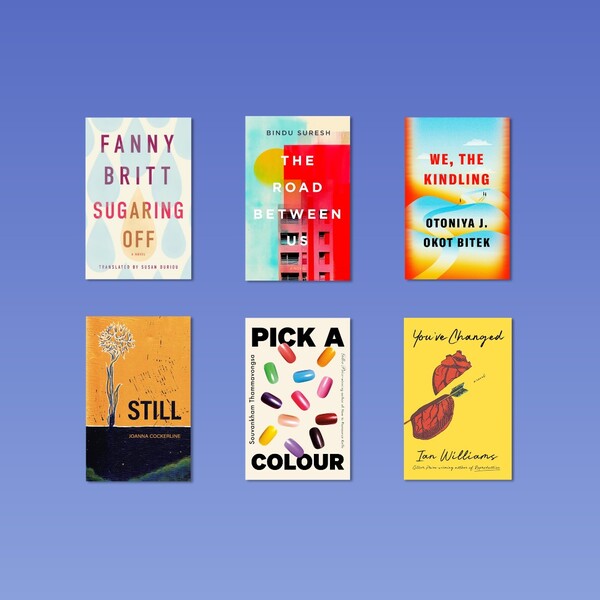
AbeBooks, on the other hand, does not operate a centralized promotions system. Pricing and discounts are set by individual sellers, which means deals vary widely by listing. Some sellers may offer competitively low prices on specific titles, but shipping fees are usually separate, and promotions are not coordinated across the platform. As a result, savings on AbeBooks tend to come from finding the right listing, rather than benefiting from ongoing or repeat-customer incentives.
Overall, ThriftBooks’ discount model is structured around consistency and long-term value, while AbeBooks’ savings are more opportunistic and listing-specific, depending largely on individual sellers rather than platform-wide promotions.
Thriftbooks vs Abebooks: Shipping and Returns
Shipping and returns shape how predictable and manageable a purchase feels from start to finish. Both ThriftBooks and AbeBooks ship worldwide and offer buyer protections, but they handle logistics in very different ways, which leads to distinct experiences for readers.
Shipping
ThriftBooks
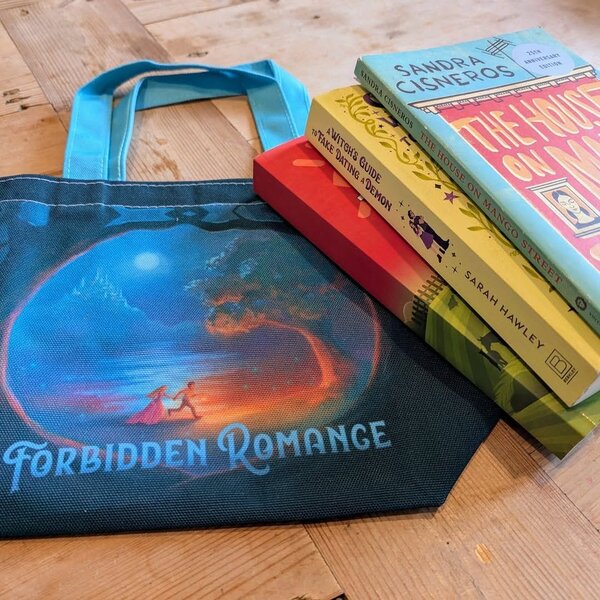
ThriftBooks manages shipping directly through its own fulfillment system. In the U.S., standard shipping is free on orders over $15, with delivery typically taking 4–10 business days.
Orders under $15 incur a $1.99 per item fee, or $1.49 per item for ReadingRewards members. Faster options are clearly priced: $6.99 per item for Express shipping (1–6 business days, used books only) and $12.99 per item for Expedited shipping (2–3 business days on eligible titles). International shipping is also available, usually within 7–20 business days, with costs and eligibility shown at checkout.
AbeBooks
AbeBooks operates as a marketplace, so shipping is handled by individual sellers rather than the platform itself. Each seller sets their own shipping fees, delivery methods, and timelines. As a result, shipping costs can vary widely, especially for international orders. It is common to see relatively low book prices paired with $7–$15 or higher shipping fees per item, depending on the seller’s location and policies.
Returns and Buyer Protection
ThriftBooks returns
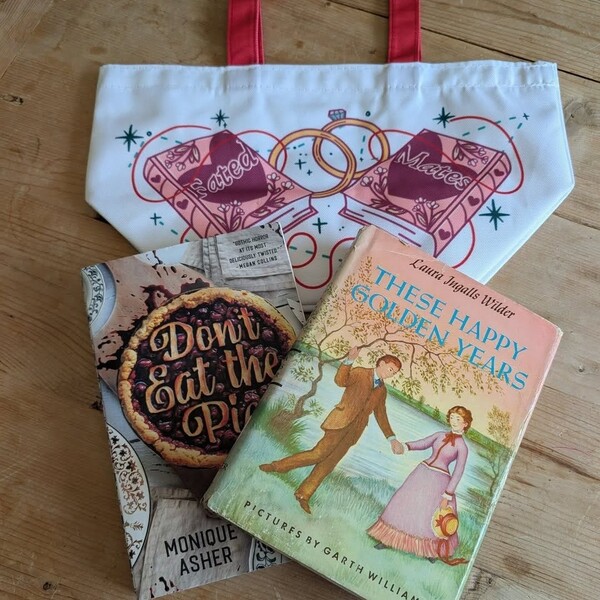
ThriftBooks offers a 30-day return window for issues such as incorrect items, damage, or delivery problems. Returns are handled directly through ThriftBooks’ customer support, and refunds are typically issued as store credit. The process is uniform across orders, which helps set clear expectations.
AbeBooks returns
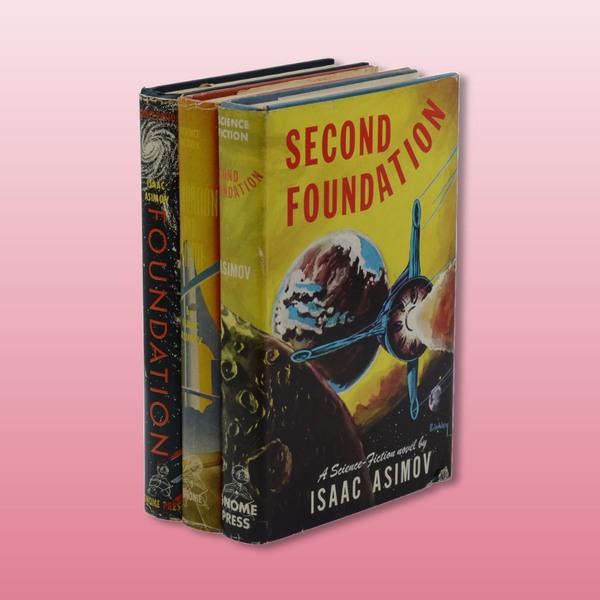
Return policies on AbeBooks depend largely on the individual seller, though the platform provides buyer protection if a book fails to arrive or does not match its description. Because books are shipped directly from sellers, return approval, timelines, and refund methods can differ from one order to another.
Verdict
ThriftBooks has the advantage in shipping and returns due to transparent pricing, predictable delivery timelines, and a centralized return policy. AbeBooks remains functional and reliable for many buyers, particularly those seeking rare or specialized titles, but its marketplace structure naturally introduces more variation.
Who Will You Shop With?

For readers who buy books often, ThriftBooks fits naturally into the routine. The experience is straightforward: prices are clear, condition labels are consistent, and shipping expectations are easy to understand. There’s no extra effort required to compare sellers or decode fine print. You find a book, you know what you’re paying, and you move on.
What really stands out is how accessible reading feels on ThriftBooks. The catalog is huge, but it never feels overwhelming, and the pricing encourages exploration. Picking up an unfamiliar author or adding an extra title to the cart doesn’t feel risky. Over time, this changes how people shop for books. It becomes less about hunting for a deal and more about reading more, more often.
ThriftBooks also rewards loyalty in a way that actually feels useful. Credits build up quietly in the background, free shipping thresholds are realistic, and repeat visits feel acknowledged rather than pushed. It’s a store designed for people who read regularly, not just occasionally.
At the end of the day, ThriftBooks works because it removes friction. It doesn’t ask readers to overthink the purchase. It simply makes getting books easy, affordable, and repeatable, which is exactly what most readers are looking for.
Check out some of our other recently published articles:


Ask the community or leave a comment
WRITE A REVIEWCustomer Reviews
Leave a review