Aetrex vs Vionic: Which Is Better for All-Day Arch Support?

Table of Contents
About Aetrex
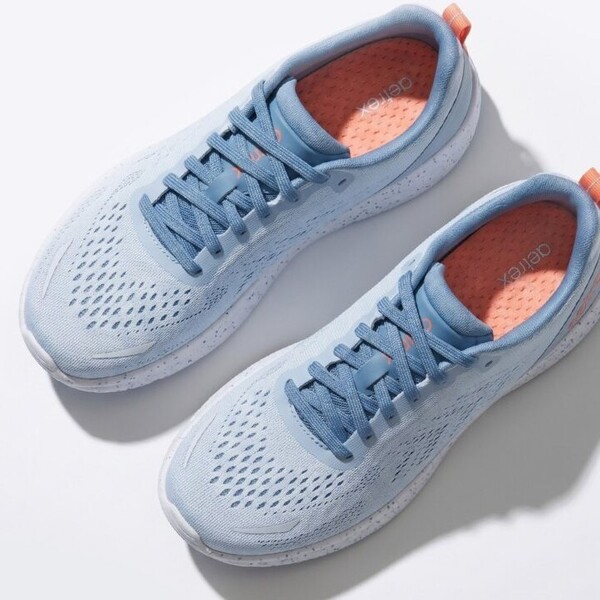
Aetrex is a family-owned footwear company from New Jersey that has made arch-support shoes and orthotics since 1946. Feet are the entire business. Alongside its footwear, it produces the orthotics once sold as Lynco and now branded Aetrex Orthotics, which have sold more than 30 million pairs and turn up regularly in podiatry offices.
The brand pairs its shoes with foot-scanning technology. Its 3D foot scanners sit in shoe stores around the world and have captured over 50 million foot scans, data the company uses to build its footbeds and match shoppers to the right support.
At the core of every Aetrex shoe is Aetrex Signature Arch Support, the brand’s defining comfort feature. Unlike many shoes that place support in the middle of the foot, Aetrex positions its arch support beneath the highest point of the arch, helping promote proper alignment, distribute pressure more evenly, and provide lasting comfort throughout the day. The design is informed by the company’s foot-scan data and is built into nearly every footwear style it makes.
Aetrex sells through its own site and retailers like Zappos and Nordstrom. Its footwear leans premium, with support tech built into everyday styles, and it backs purchases with a 30-day guarantee that allows returns if it isn’t a great fit.
About Vionic
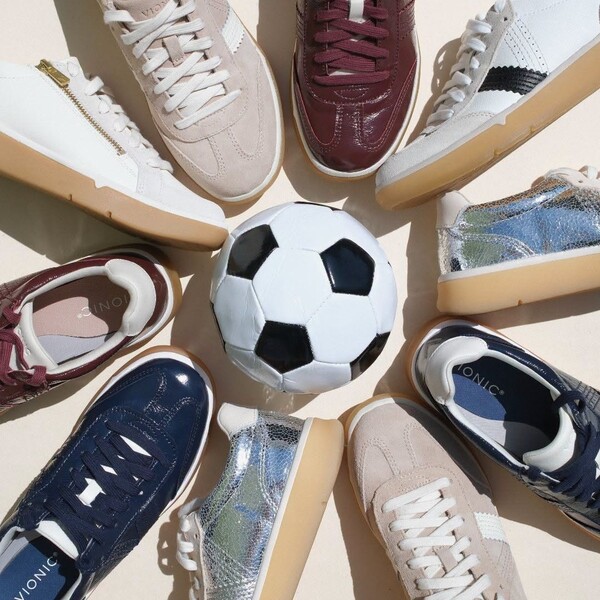
Vionic traces back to 1979, when Australian podiatrist Phillip Vasyli started a company called Orthaheel around a biomechanical footbed of his own design. The business moved to the United States in 2008 and took the Vionic name in 2014. Its footwear grew out of clinical podiatry rather than fashion, and that origin still defines the brand.
At the center of every Vionic shoe is its Vio-Motion support system, formerly Orthaheel technology. It uses a three-zone footbed built to steady the heel, cushion the step, and hold the arch, spreading weight across the foot based on how people actually move. The same podiatrist-designed support is used in sandals, sneakers, slippers, walkers, and standalone insoles.
Vionic sells online and through department stores and shoe retailers, positioning itself as supportive footwear that looks like normal shoes. Most of its range sits in the mid-price tier, and it offers free 30-day returns through a national network of drop-off points.
What to Consider?
Both brands promise the same core thing, a normal-looking shoe that supports your arch through a long day. The differences show up in how that support is designed, how closely it matches your specific feet, how many styles you can pick from, and what you pay. The breakdown below weighs the parts that decide whether a pair actually earns a place in your closet.
1. Arch Support and Orthotic Pedigree
Arch support is the reason to buy either brand, so the depth of that support counts. Both build a contoured orthotic into the shoe rather than leaving you to add one, but they arrive from different histories and with varying levels of clinical backing.
Aetrex
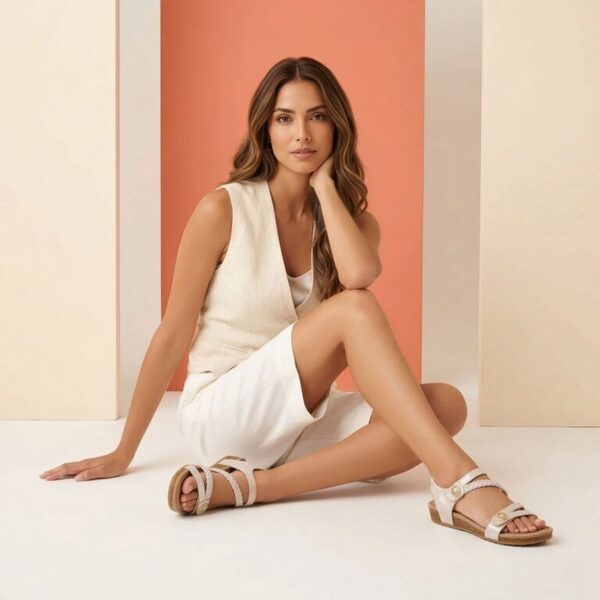
Aetrex builds its Signature Arch Support into every pair of shoes, bringing the same foundation found in its successful orthotics to everyday footwear. From supportive sneakers and sandals to its bestselling wedges, every style is designed to help improve alignment, distribute pressure more evenly, and deliver lasting comfort. The company has sold more than 30 million pairs of orthotics and still makes a full clinical line, including its Compete orthotic, which showed a 52.6% reduction in plantar fasciitis pain in the brand’s own clinical testing when wearing aetrex compete orthotics and flips. That orthotic heritage feeds directly into how its shoes are built.
Vionic
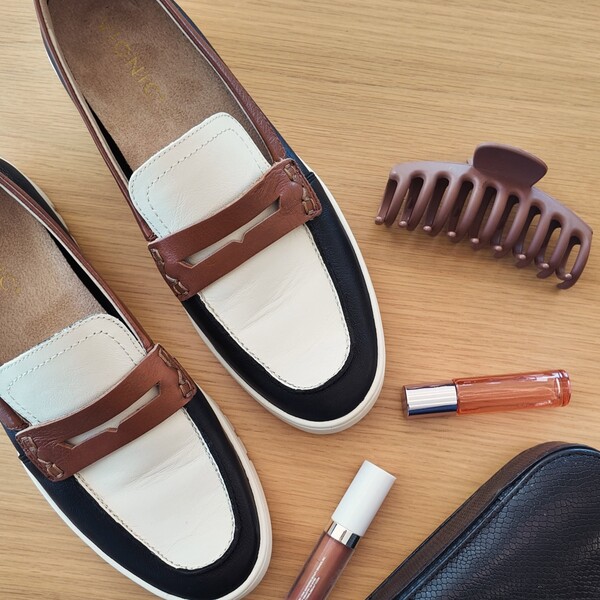
Vionic‘s support comes from its Vio-Motion system, the modern version of the Orthaheel footbed, a podiatrist-designed in 1979. It uses a three-zone footbed engineered around human biomechanics to stabilize the heel, cushion the step, and cradle the arch. It is genuine podiatrist-designed support, built into every pair, though Vionic leans more on that design pedigree than on published clinical data.
Verdict
Aetrex takes the lead here. Both deliver real, built-in arch support from a foot-health background, but Aetrex combines that foundation with over 50 million foot scans, a deeper orthotics catalog, and decades of podiatry expertise. Its Signature Arch Support is informed by one of the world’s largest foot-scan datasets and built into everything from orthotics to everyday footwear, including its popular wedges and sneakers. Vionic’s podiatrist roots are genuine, but Aetrex brings more foot-health data innovation.
2. Foot-Scanning and Personalized Fit
Support only helps if it lands under the right part of your foot, which makes fitting as important as the footbed itself. One of these brands has turned fitting into a technology in its own right.
Aetrex
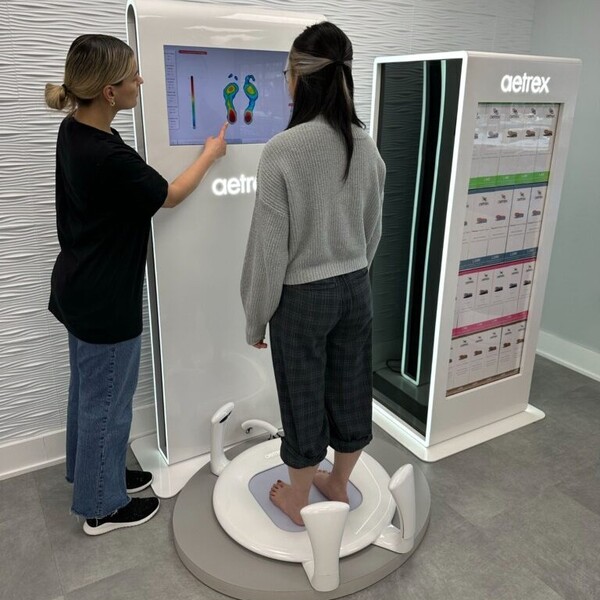
Aetrex runs the Albert foot scanner, a 3D and pressure-mapping system found in thousands of footwear stores around the world. Since 2002, Aetrex has placed more than 12,000 scanners across 63 countries and collected over 50 million unique foot scans. In about 20 seconds, Albert can capture detailed measurements of your feet, including length, width, arch height and pressure distribution, then use that information to recommend footwear and orthotics for your individual needs.
But all those scans do more than help the person standing on the machine. They give Aetrex an unusually large real-world dataset showing how feet actually vary in shape, size, arch height and pressure. Aetrex uses insights from that data to inform the design of its footwear and orthotics, helping determine where support, cushioning and pressure relief are needed across different foot types. So even if you’ve never stepped on an Albert scanner yourself, the millions of feet that have help shape the products you’re wearing.
Vionic
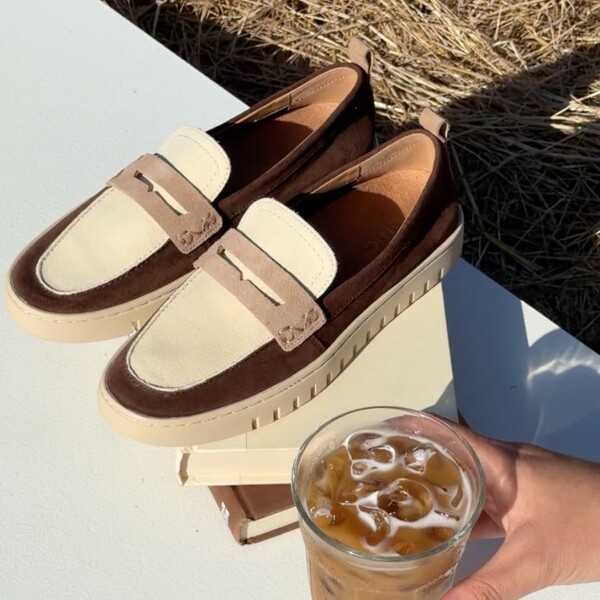
Vionic offers no in-house scanning system. Its shoes are engineered around general biomechanical principles and a single built-in footbed per style, so fit comes down to standard sizing and the brand’s published guidance. Buyers rely on reviews and the return window to dial in the right pair rather than a personalized scan.
Verdict
Aetrex is the clear winner. The Albert scanner is a real point of difference that Vionic has no answer for, turning a guess into a measured fit. For anyone unsure of their arch type, that alone can be the deciding factor.
3. Style Range and Width Options
A supportive shoe only works if it comes in a style you will actually wear and a size that fits properly. The breadth of the catalog and the availability of widths decide how likely you are to find your pair.
Aetrex
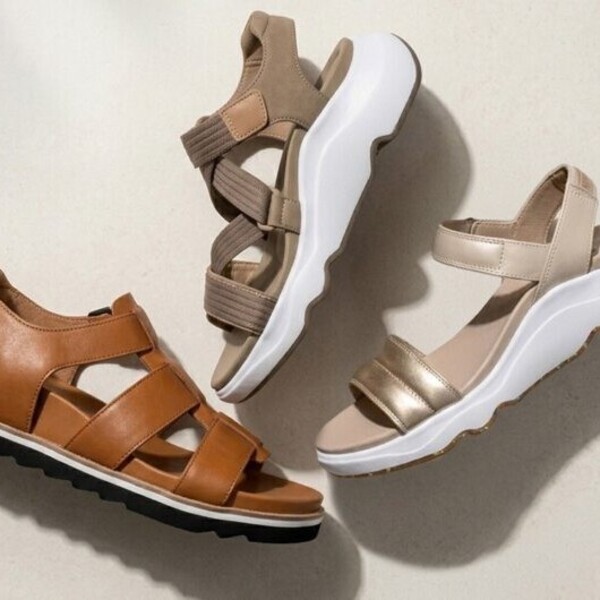
Aetrex carries a wide catalog, well over a hundred women’s styles across sandals, sneakers, boots, flats, and dress shoes, and it offers width options on many of them. That range makes it easier to find a supportive shoe for a specific occasion or a hard-to-fit foot. The honest caveat is that several Aetrex styles run small, so sizing up or by width is often needed.
Vionic
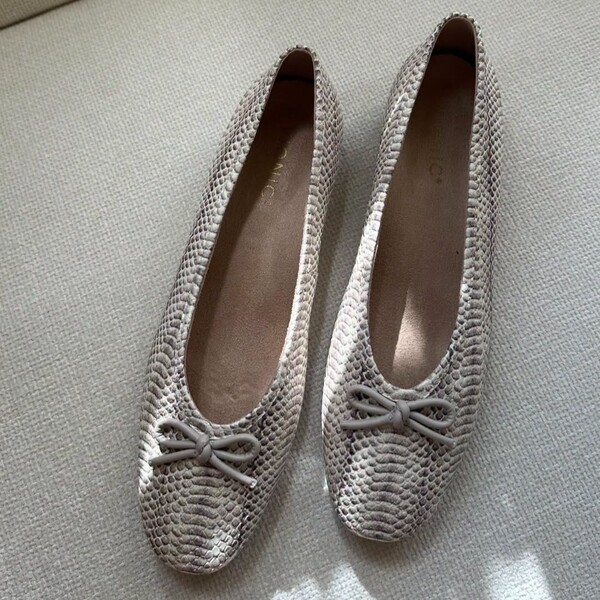
Vionic‘s catalog is smaller, closer to fifty women’s styles, though it still spans the core categories of sandals, sneakers, slippers, and walkers. Width choices are more limited than Aetrex’s. Its sizing tends to run slightly large, which some buyers manage by going down half a size.
Verdict
Aetrex wins on selection. More styles and broader width options give it the edge for shoppers with specific needs, even with its tendency to run small. Vionic covers the essentials well, but it asks you to choose from a shorter list.
4. Foot-Health Depth and Conditions Addressed
Comfort shoes get bought to solve specific problems, from plantar fasciitis to bunions to ball-of-foot pain. How precisely a brand targets those conditions separates a general comfort shoe from a therapeutic one.
Aetrex
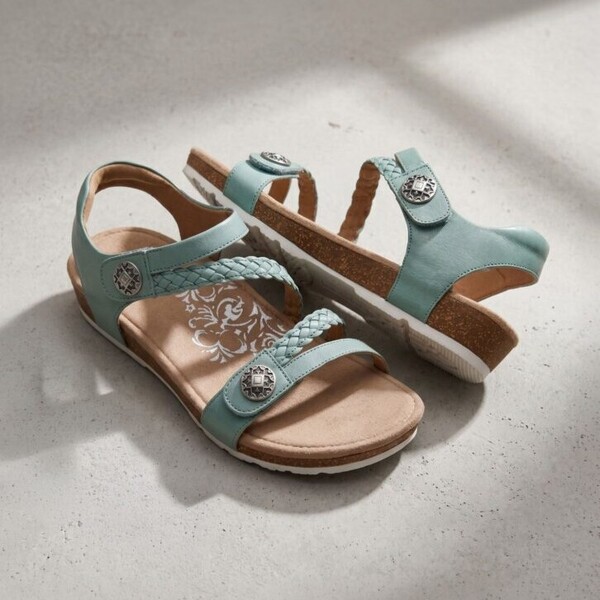
Aetrex designs around named conditions. Its footwear folds in features like built-in metatarsal pods for ball-of-foot pain and dual-adjust straps for bunions and swelling, and it lists the specific issues each style helps with, including plantar fasciitis, metatarsalgia, Morton’s neuroma, hammer toes, and high insteps. Its orthotics are sorted by arch type and forefoot pressure, Fit A through D, so the support can be matched to the diagnosis.
Vionic

Vionic addresses foot health through a single, well-regarded support system rather than condition-specific features. The three-zone footbed aims at general alignment and arch relief, which helps many common complaints, and the brand also sells Relief and Active insoles for extra support. It covers the broad need for stability more than the specific pressure points a particular foot problem creates.
Verdict
Aetrex takes the win. Its condition-specific features and graded orthotic system give people with a particular diagnosis more to work with. Vionic’s all-purpose support is very good, but Aetrex offers a more targeted answer for problem feet.
5. Durability and Materials
Support footwear is a repeat purchase only if it holds up, and premium comfort shoes are expected to last more than a season. Materials and build quality decide whether the support fades before the shoe wears out.
Aetrex
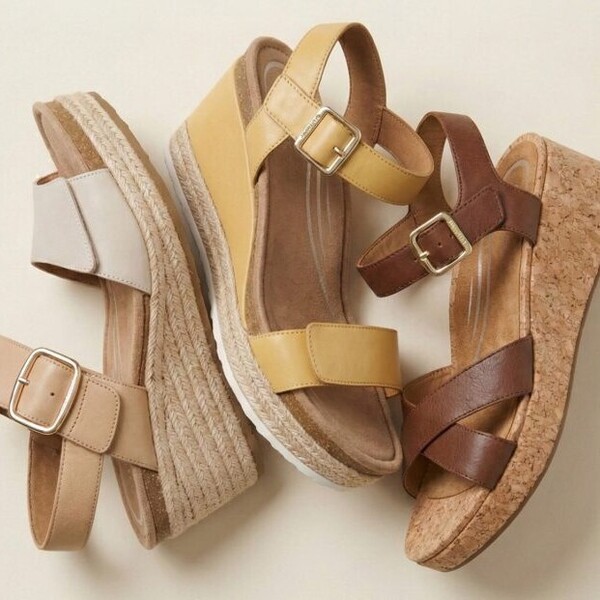
Aetrex builds with genuine leather uppers, cork and memory-foam midsoles, and antimicrobial linings, a combination reviewers regularly call hard-wearing. The cork settles to the foot over time rather than flattening, and the leather softens without falling apart. That construction is part of why the brand can charge a premium.
Vionic
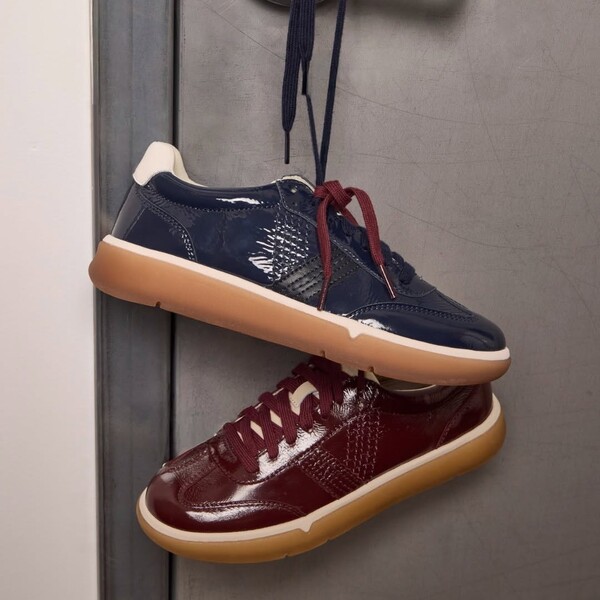
Vionic uses EVA midsoles, cork, and leather or textile uppers, depending on the style, materials that keep costs down and feel comfortable out of the box. Some comparisons and owners note that Vionic shoes show wear a little sooner than the priciest comfort brands, particularly on heavily used everyday pairs. For lighter or seasonal wear, durability is rarely a complaint.
Verdict
Aetrex is the safer bet on longevity. Its genuine leather-and-cork build tends to outlast, which softens the sting of the higher price over a few seasons. Vionic holds up well for most wearers, just not quite to the same standard on heavily worn pairs.
6. Price and Value
Price is where these two separate most clearly, and the cheaper option is not automatically the better value. What each dollar buys in support, fit, and durability is the real question.
Aetrex
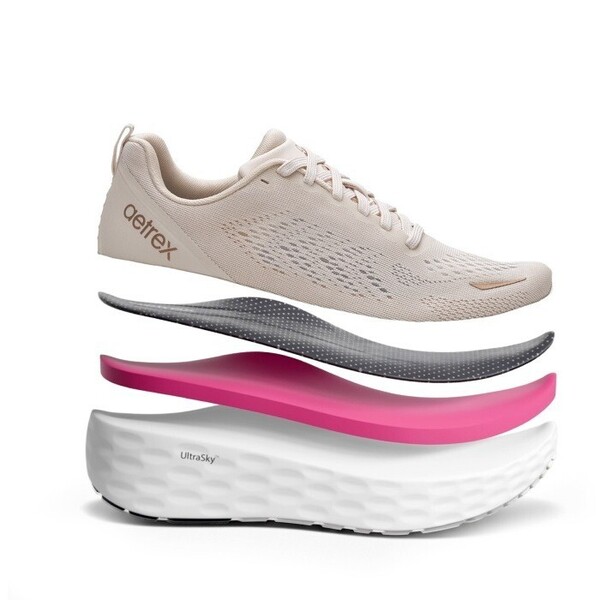
Aetrex sits at the premium end of the comfort footwear market. Its shoes and sandals commonly run from around $50 up to $160, with its marquee sandals near the top of that range. You pay more, but the price folds in the scanning system, the orthotic pedigree, the width options, and the durable materials above.
Vionic
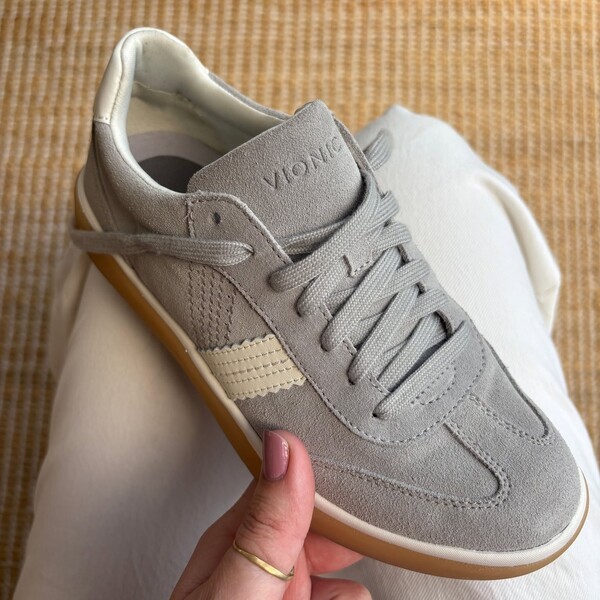
Vionic is easier on the wallet. Its range runs roughly $40 to $130, with most shoes landing between $65 and $110, noticeably below Aetrex’s headline styles. For a shopper who wants solid, built-in arch support without the premium, Vionic delivers real value at a lower entry price.
Verdict
Vionic wins on upfront cost, and that is worth saying plainly. Aetrex earns it back in value over time, since the scanning, deeper support, wider width range, and longer-lasting build justify the premium for someone buying these shoes to fix a real foot problem. If budget is a concern, Vionic is the smart pick. If the goal is the most support and the best fit for a foot that needs it, Aetrex is worth the extra cost.
Aetrex vs Vionic: What Do Customers Think?
Aetrex and Vionic have earned devoted followings built on the same promise of pain relief, and the reviews reflect it. Here is what owners of each brand tend to say once the shoes have logged some real miles.
Aetrex

Aetrex owners talk about relief more than looks, especially people who have given up on comfortable shoes. Plantar-fasciitis sufferers are the loudest, with one writing that after months of pain, “I have been able to walk!!!” once they switched. Another dealing with several foot issues said, “Not only are these sandals comfortable, but they seem to be helping the foot overall.” A common thread is all-day wear without ache, summed up by a reviewer with plantar fasciitis and heel spurs: “I can wear them all day without any issues. The arch support is perfect.”
Vionic
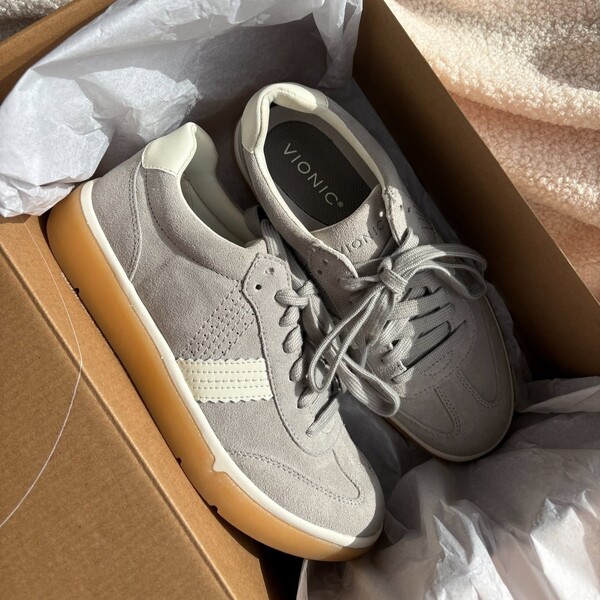
Vionic draws similar loyalty, particularly from people who cannot tolerate flat, unsupportive shoes. One long-term owner pointed to durability, writing that a pair bought the previous summer “still look and wear like new.” Others single out pain relief and endurance, with one saying “my feet do not hurt a bit and I can walk for a really long time,” and another, an arch-pain sufferer, adding “I usually can’t wear flats because they hurt my arch. Not the case” with Vionic.
Aetrex vs Vionic: Promotions and Discounts
Neither brand leans on constant deep discounts, so the savings come from seasonal sales, loyalty perks, and the occasional new-customer offer. How each one helps you bring the price down is where they separate.
Aetrex
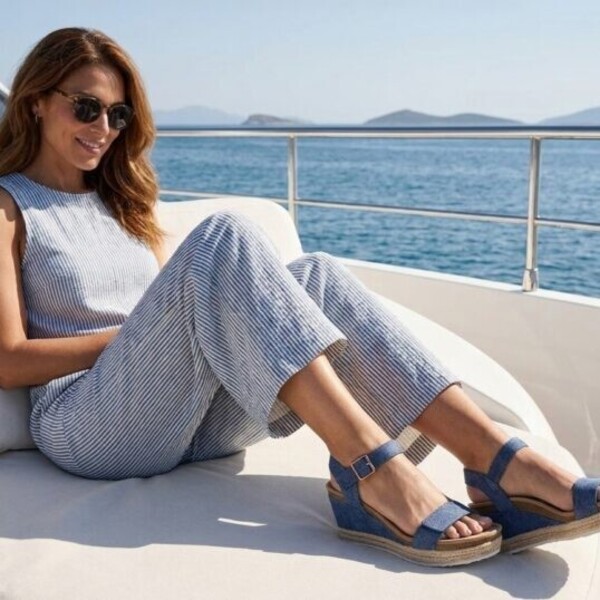
- Seasonal sales, like its Big Summer Sale, mark down select styles and colors at up to 60% OFF.
- Aetrex Access rewards program plus email sign-up for first-order offers and early sale access and exclusive discounts
- Refer a friend, give your friends $20 off their first order of $49.95+ and get $20 (in points) for each successful referral
- Pay in four interest-free installments at checkout
- Free shipping on orders
- HSA/FSA products can be purchased using HSA/FSA funds
- GovX discount for eligible military members, first responders, government employees, teachers and other qualifying groups
Vionic
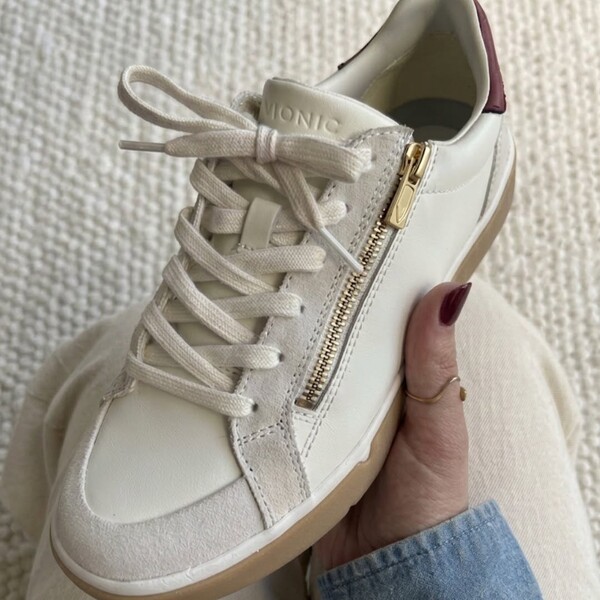
- A regular sale section and outlet with marked-down past-season styles
- Email sign-up discount for new customers
- Frequent seasonal and holiday promotions
- Free returns through nationwide drop-off points
Verdict
Aetrex edges this one. Both run steady sales, but Aetrex layers in a rewards program and pay-in-four financing that spread the cost of a premium pair. Vionic’s lower base prices mean you may rely less on discounts, which is its own kind of win.
Aetrex vs Vionic: Shipping and Returns
Aetrex
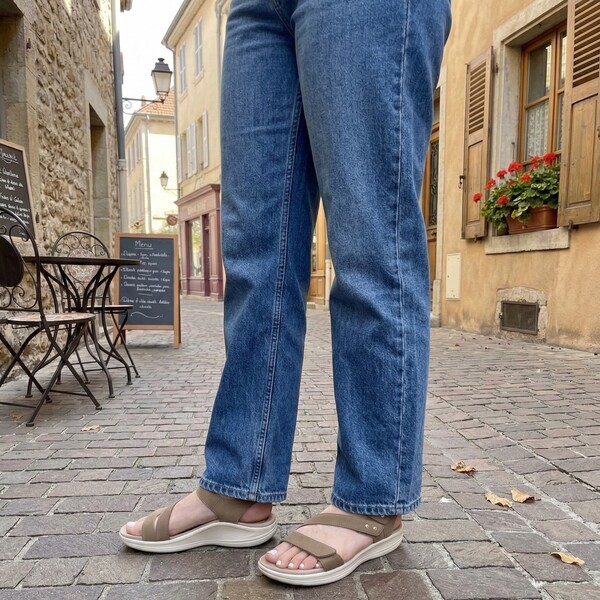
Aetrex ships orders free and backs them with a 30-Day Healthy Guarantee, which lets you return shoes even after wearing them if they do not work out. For a support purchase, you need to actually walk in to judge, being able to wear-test and still return is a meaningful safeguard.
Vionic
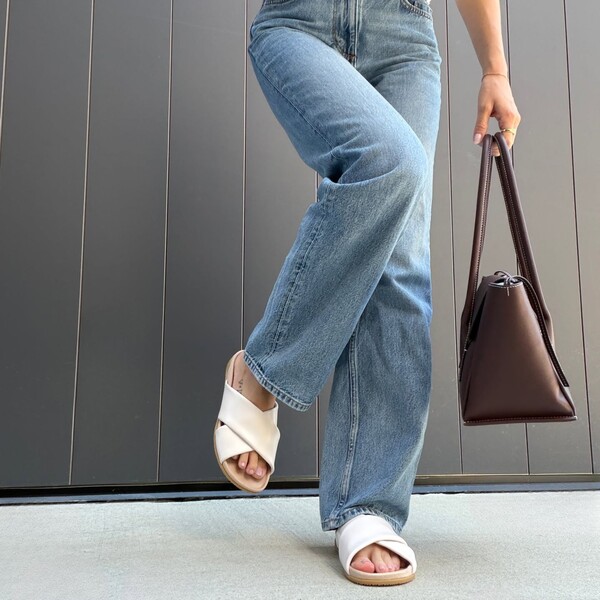
Vionic also offers free 30-day returns, handled through more than 2,600 Happy Returns drop-off points or by mail for a $9.95 fee, with refunds to the original payment. It markets a 30-day challenge to try the support, though its policy requires the original shoe box and does not spell out wearing them as clearly as Aetrex does. Original shipping is non-refundable.
Verdict
Aetrex takes it, just. Both offer a month and free returns, but Aetrex’s guarantee explicitly states that worn shoes can be returned, which is exactly the reassurance an arch-support buyer wants. Vionic’s drop-off network is convenient, so this one is closer than most.
Who Will You Shop With?
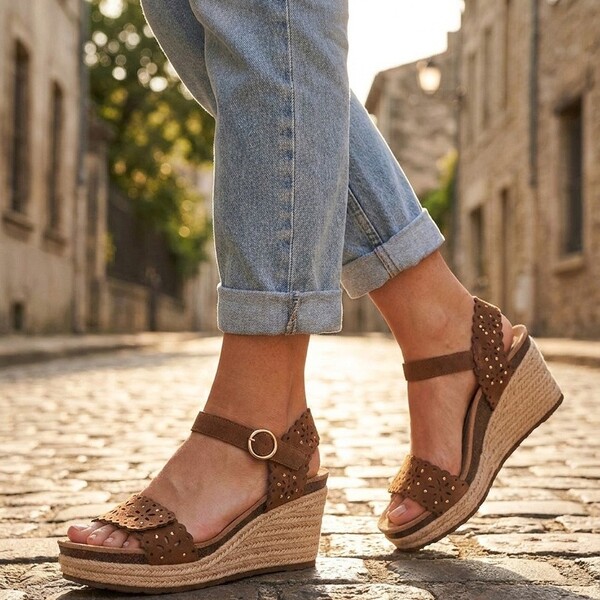
For anyone buying shoes to solve a real foot problem, Aetrex is the stronger choice. It brings the deepest orthotic pedigree in mainstream comfort footwear, a foot-scanning system no rival matches, and a catalog wide enough, with the width options, to fit hard-to-fit feet. Those three strengths line up exactly with what a support shopper needs.
The premium price is real, but it buys more than a logo. The scanning matches you to the right footbed, the leather-and-cork build lasts, and the 30-day guarantee lets you wear the shoes and still send them back, a safety net that takes the risk out of spending more. For a foot that genuinely needs help, that combination is hard to beat.
None of this makes Vionic a wrong answer. Its podiatrist-designed support is the real thing, its shoes cost less, and its drop-off returns are easy, which makes it a smart pick for a budget-conscious buyer who wants dependable arch support. But for the person who wants their feet measured, their condition matched, and their shoes to last, Aetrex is the one worth building a closet around.
Keep your options open and check out these other seriously comfortable footwear brands:


Ask the community or leave a comment
WRITE A REVIEWCustomer Reviews
Leave a review