AirDoctor 4000 vs Jaspr: Which Purifier Checks More of the Right Boxes

I started looking into serious air purifiers after realizing how much time my family actually spends indoors. Between a dog that sheds, kids with seasonal allergies, and the occasional haze of wildfire smoke that drifts through, clean air at home started to feel less like a “nice to have” and more like something worth investing in.
When I went down the rabbit hole of research, two names kept coming up: AirDoctor and Jaspr. Both claim to handle the stuff regular purifiers can’t, including smoke, VOCs, mold spores, bacteria. But they go about it in completely different ways.
I haven’t bought it yet, but I’ve been comparing them side by side to figure out which one makes the most sense for my home.
Table of Contents
About AirDoctor
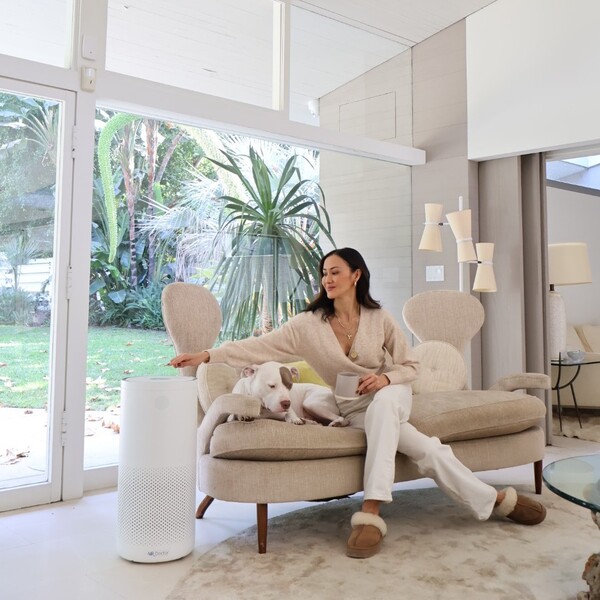
When I first started reading up on AirDoctor, what stood out to me was that they’re not some new startup. They’re part of a bigger wellness company called Ideal Living that’s been around for years, making products for clean air and water. The founders, Peter Spiegel and Katie Williams, have put out multiple purifier models already, smaller ones for bedrooms, bigger ones for open floor plans, even wall-mounted versions.
The AirDoctor 4000 is the newest one. It was on pre-sale until recently and is expected to start shipping in October. From what I can see, it’s designed for medium to large spaces, with a new 360° intake and their 3-stage filtration that claims to trap particles way smaller than what a normal HEPA filter can handle. They’ve published independent lab results for their other models, so that gives me some confidence that the 4000 will probably live up to what they’re promising.
About Jaspr
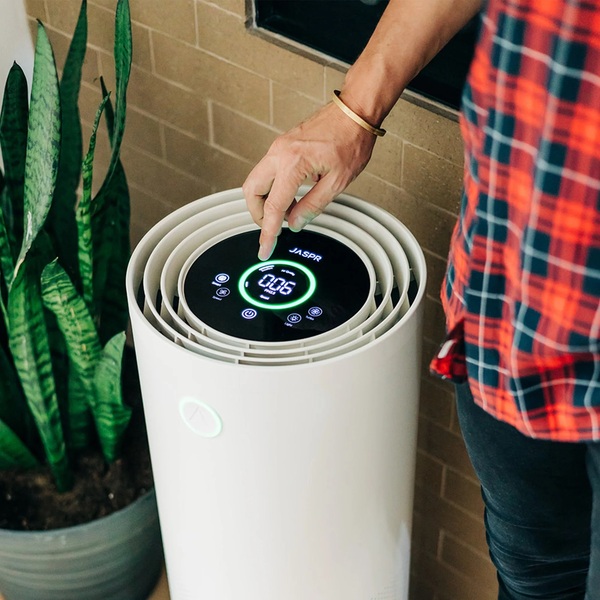
Jaspr is a totally different story. Instead of offering a whole line of machines, they’ve put all their energy into one product: the Jaspr air scrubber. I learned that the founder, Mike, worked in wildfire and flood restoration, so he saw first-hand how regular air purifiers weren’t cutting it. The only machines that worked were those big, loud scrubbers used by contractors. He set out to build something with the same kind of power, but quiet and good-looking enough to actually keep in a house.
The Jaspr machine is made of steel instead of plastic, runs quietly enough for a bedroom, and uses a heavy three-layer filter that weighs about four pounds. Instead of buying filters whenever you remember, you’re put on a subscription where they send a new one every six months. That subscription also keeps the lifetime warranty active, so it’s pretty much part of the deal.
What to Consider?
There are a lot of specs thrown around in purifier ads, but not all of them really matter. I narrowed it down to the points that actually tell me how well a machine will keep the air clean: performance, CADR, particle size, filter design, price, yearly costs, and the way each company handles the buying experience.
1. Performance
Performance is the big one. At the end of the day, an air purifier has one job: get rid of the stuff in the air that you don’t want to be breathing. That means everything from smoke and pet dander to bacteria and viruses.
AirDoctor 4000
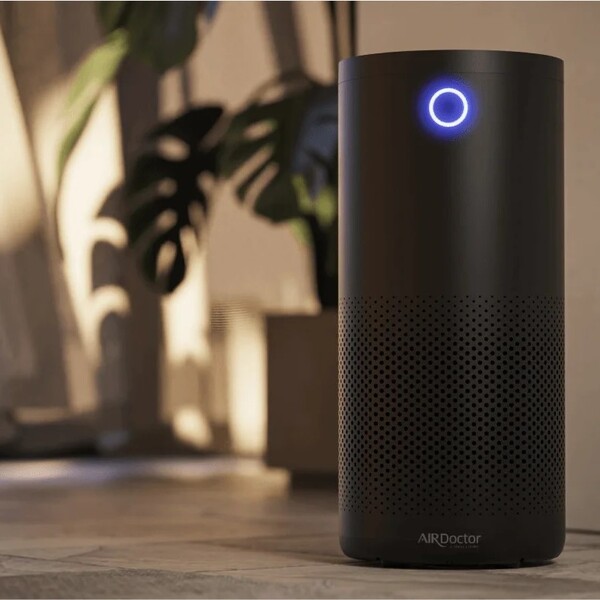
AirDoctor 4000 spells things out clearly. Their UltraHEPA filter is rated to trap 99.99% of particles as tiny as 0.003 microns. That’s far smaller than what a standard HEPA filter is required to catch, and they’ve had independent labs test their other models against viruses, bacteria, and smoke. Since the 4000 is part of that same family, I’d expect it to deliver the same kind of results.
Jaspr
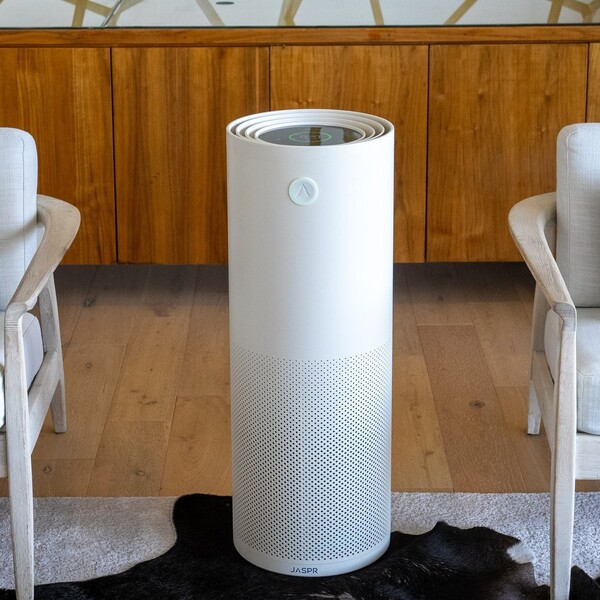
Jaspr talks less about particle size and more about real-world situations. In lab tests, their air scrubber cleared almost all airborne mold within a few hours and handled things like wildfire smoke and pet dander effectively.
Verdict
For me, AirDoctor has the edge here. Jaspr may do well against specific pollutants, but AirDoctor publishes exact numbers and backs them with lab testing. That kind of transparency makes it easier to know what I’m actually getting.
2. CADR (Clean Air Delivery Rate)
CADR is short for Clean Air Delivery Rate. It’s basically the industry’s way of measuring how quickly and effectively an air purifier can clean the air in a given space which is determined through thorough testing. A higher CADR means the machine can handle more pollutants in less time. For me, that number matters because it’s an easy way to compare brands without getting lost in vague marketing claims.
AirDoctor 4000
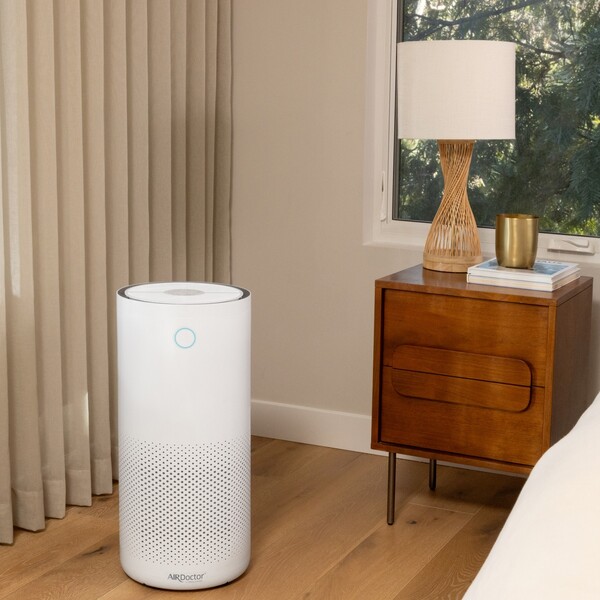
AirDoctor 4000 lists a CADR of 370 for smoke. Along with that, it’s designed to circulate the air in a 694-square-foot room four times every hour. That combination tells me two things: it’s built for medium to large rooms, and it’s going to be moving a lot of air through its filter system on a steady basis.
Jaspr
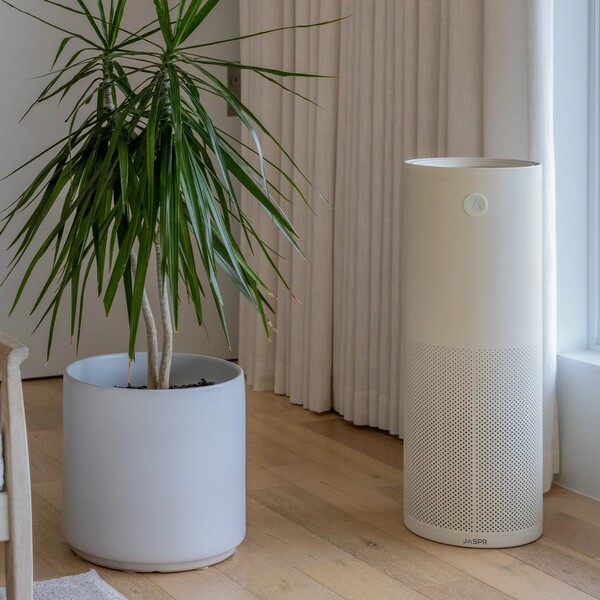
Jaspr, on the other hand, doesn’t highlight a CADR score. Instead, they promote that the machine can cover up to 1,600 square feet. That sounds impressive, but without a standard measurement like CADR, it’s harder to know how fast or thoroughly the air is being cycled in the room size they advertise.
Verdict
I lean toward AirDoctor here. The CADR score gives me something solid and measurable, and it matches the coverage claims with data. Jaspr may be powerful, but without that standard rating, I’m left guessing at the details.
3. Particle Size
Another key factor is the size of the particles a purifier can actually trap. The smaller the particle size, the more protection you’re getting from things you can’t even see, like fine smoke particles or certain types of bacteria and viruses.
AirDoctor 4000
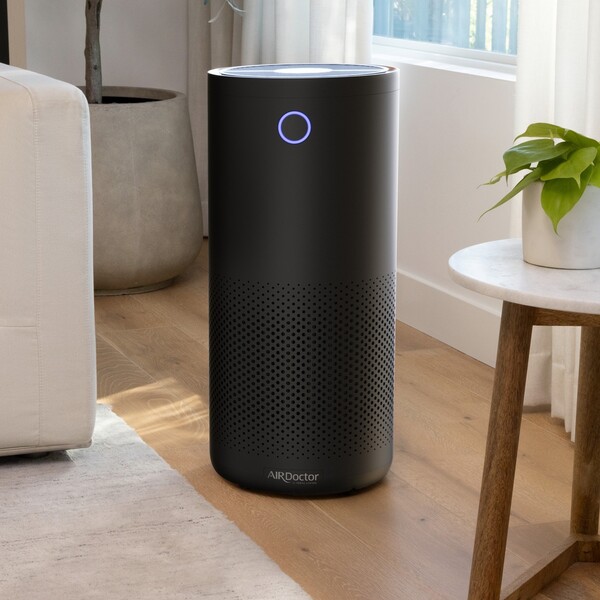
The AD4000 uses an UltraHEPA filter that’s been tested to capture particles as tiny as 0.003 microns. To put that into perspective, standard HEPA filters are usually rated for 0.3 microns. That’s a big difference, and it means AirDoctor is going after the ultrafine stuff that slips through regular filters.
Jaspr

Jaspr doesn’t publish a specific micron rating the way AirDoctor does. Instead, they point to lab tests that show their scrubber clears mold, smoke, and dander effectively. That suggests it handles the larger and more common pollutants well, but again without an exact figure, it’s harder to know how it performs against the really small particles.
Verdict
AirDoctor takes this one. Having a clear micron rating down to 0.003 gives me confidence that it can handle the tiniest pollutants, not just the obvious ones. Jaspr’s results look good, but I’d rather see the hard numbers spelled out.
4. Carbon Filter and Filter System
Filters aren’t all built the same. Some are light and easy to swap, others are bigger and heavier but meant to last longer. I paid attention to how each brand designs its system, since that affects both performance and day-to-day convenience.
AirDoctor 4000
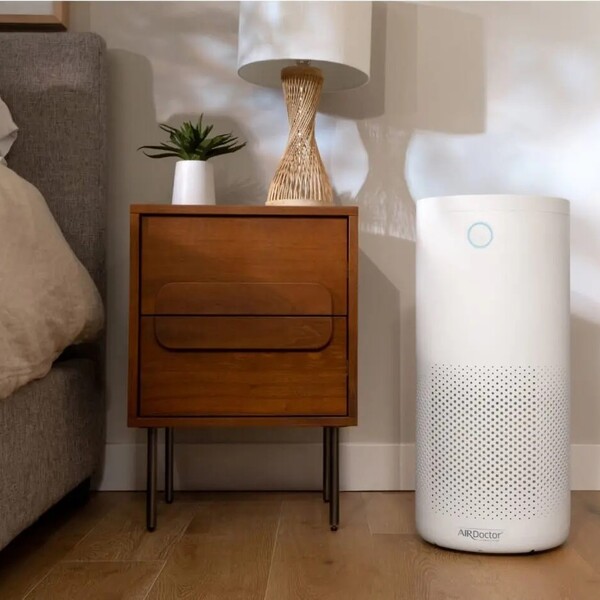
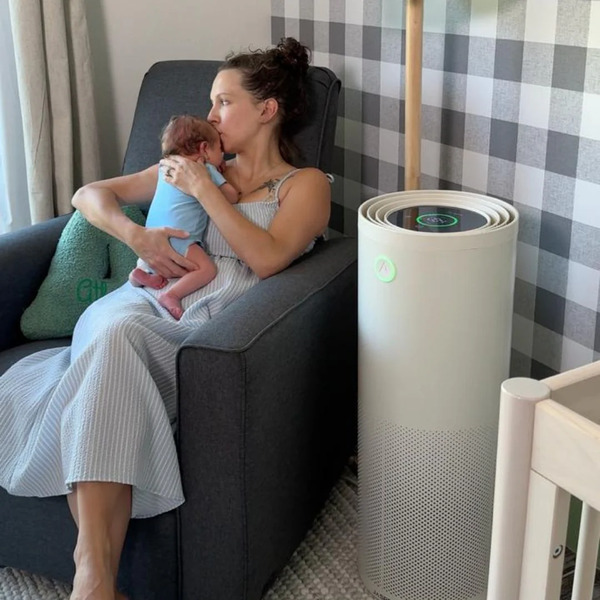
The AD4000 uses a three-part system: a pre-filter for bigger debris, a carbon layer for gases and odors, and the UltraHEPA filter for fine particles. The machine tracks filter life and gives alerts when it’s time for a change, which takes away the guesswork. The design makes it easy to slide the filter in and out without a hassle.
Jaspr
Jaspr goes for a heavy-duty build. The filter itself weighs about four pounds and combines multiple layers, including HEPA and activated carbon. It feels industrial compared to most home purifiers, and it’s built into a steel housing. Filters are sent automatically every six months as part of their subscription, so you don’t have to remember to reorder.
Verdict
AirDoctor wins here for practicality. Jaspr’s filter is beefy and tough, but heavier doesn’t always mean better for everyday use. I like that AirDoctor makes the process straightforward with alerts and a lighter filter system, while still giving me the option to buy replacements on my own schedule.
5. Price (Initial Purchase)
The upfront cost matters a lot, especially if you’re trying to outfit more than one room. A purifier can be packed with features, but if it’s priced out of reach, it’s hard to justify.
AirDoctor 4000
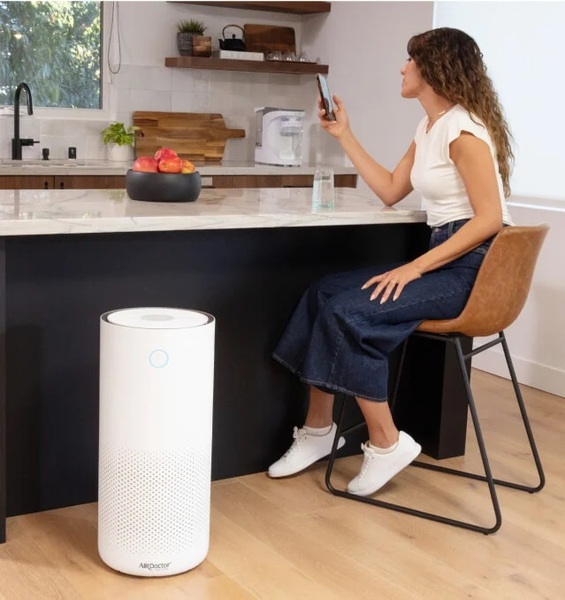
Right now the AD4000 is listed at $799 retail. Even at full price, it sits in the middle range for large-room purifiers. Compared to what other premium brands charge, it feels more accessible.
Jaspr

The Jaspr is priced higher at $1,199 for the machine, which includes the first filter. Sometimes there are sales, but you’re always locked into mandatory filter replacements.
Verdict
AirDoctor is the clear winner on price. The pre-sale makes it especially attractive, but even at the regular retail cost it’s still far less than Jaspr’s upfront investment.
6. Annual Costs (Filters)
Buying the machine is just the start. Filters need to be replaced regularly, so the yearly cost can add up fast. For me, it’s just as important to know what the long-term expense looks like as well as the upfront price.
AirDoctor 4000
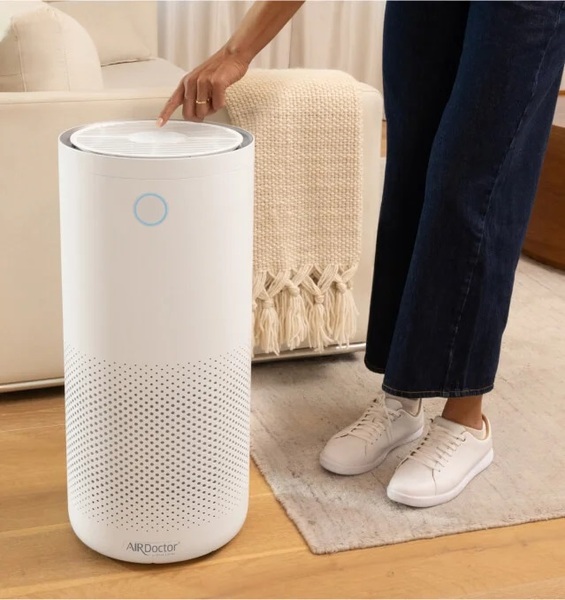
AirDoctor doesn’t lock you into a subscription. You can buy filters as you need them, and they typically last 6 months, depending on usage. Each filter replacement is $89.95, with flexibility on when to replace sooner or later. It will probably come out to be much lower than paying into a mandatory price.
Jaspr
Jaspr takes the opposite approach. Filters are only available through their subscription plan, which runs $199 every six months. That works out to about $398 a year. The subscription also ties directly to the warranty. If you stop paying, you lose the lifetime coverage.
Verdict
AirDoctor comes out ahead because it gives me control. I like having the option to buy filters when I want, instead of being locked into nearly $400 a year just to keep the warranty valid. Jaspr’s system is simple, but it’s expensive and mandatory.
7. Purchase Options
How a company handles the buying process makes a difference. Some people want the simplest “buy it once and forget it” model, while others prefer flexibility with upgrades or add-ons.
AirDoctor 4000

With AirDoctor, I get choices. The AD4000 can be bought outright without any strings attached. Filters are available individually. They also have a 30-day trial period and a one-year warranty, so there’s some safety net if I change my mind.
Jaspr
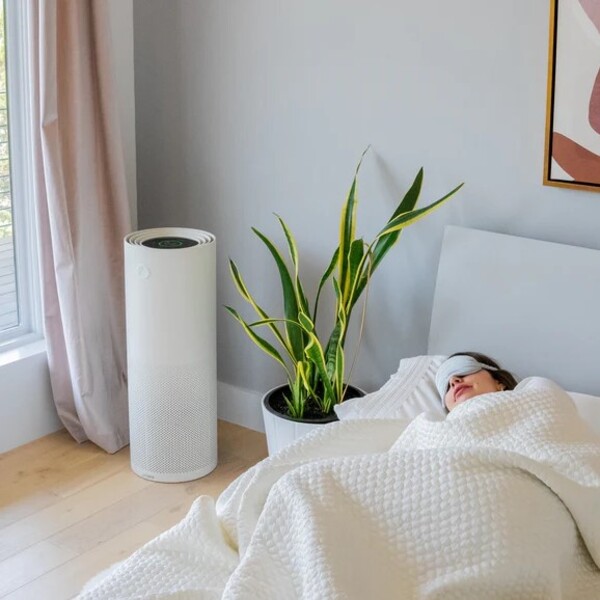
Jaspr is more all-or-nothing. They only sell the one model, and the subscription is built into the deal. The subscription does make filter replacements automatic and keeps the warranty active for life, but it leaves no room to opt out.
Verdict
AirDoctor wins here again. The freedom to buy outright, add a subscription only if I want it, and pick from different models across their lineup makes it feel more flexible. Jaspr’s system is simple, but I’d rather not be tied to one machine and one plan.
AD4000 vs Jaspr: Promotions and Discounts
Deals and discounts aren’t the main reason I’d buy a purifier, but they can make a big difference in how affordable it feels. Both AirDoctor and Jaspr run promotions, but the way they do it is pretty different.
AirDoctor 4000

The AD4000 started shipping in October. The retail price is $799, but right now it’s available for $549, and they offer payment plans through Affirm that break the cost down to around forty bucks a month. They also tend to run seasonal sales on their other models, so I wouldn’t be surprised if the AD4000 sees more of those.
Jaspr
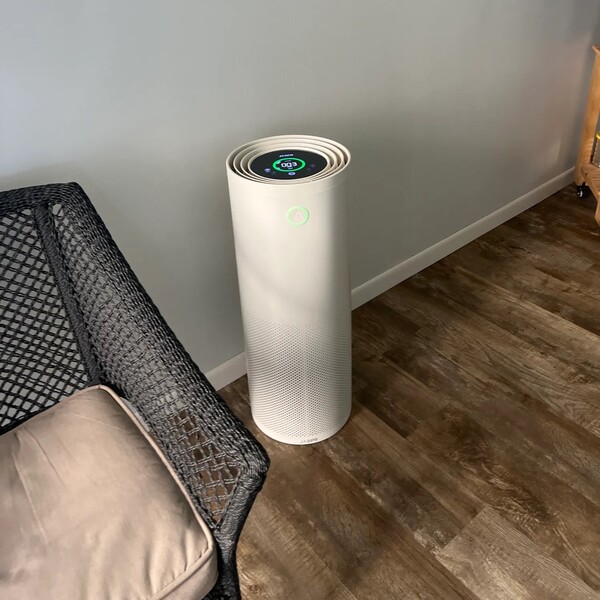
Jaspr goes the seasonal route, too. I’ve seen them knock $200 off during sales like Labor Day, which brings the unit down from $1,199 to $999. That’s a solid discount, but since the filter subscription is mandatory, you’re still signing up for about $400 a year in ongoing costs on top of the machine.
Verdict
AirDoctor’s pricing lands lower than Jaspr’s, And I’m waiting to see what promotional deals may come out on the AD4000. Jaspr’s discount helps, but the ongoing subscription costs keep the total price higher in the long run.
AD4000 vs Jaspr: Shipping and Returns
Buying something this expensive online, I always check how the company handles shipping and what happens if I decide it’s not for me.
AirDoctor 4000
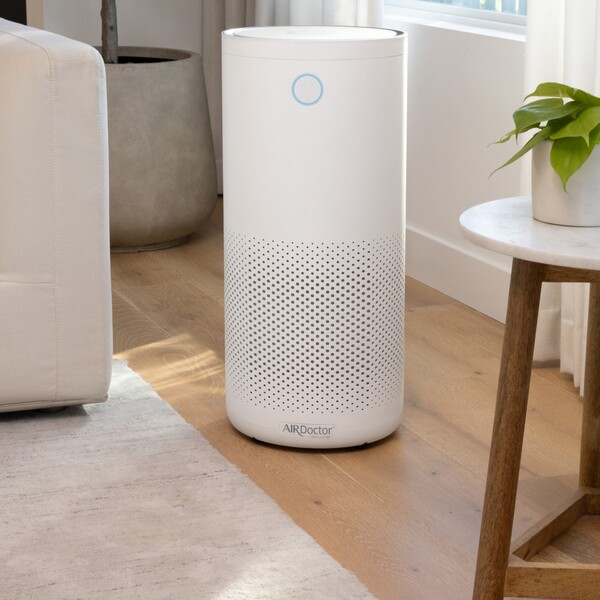
AirDoctor ships in a 3-5 day window to customers and offers a 30-day ‘Breathe Easy’ guarantee, allowing returns if it doesn’t feel like the right fit. The standard warranty is one year, shorter than Jaspr’s, but I like that I’m not locked into anything beyond the trial period.
Jaspr
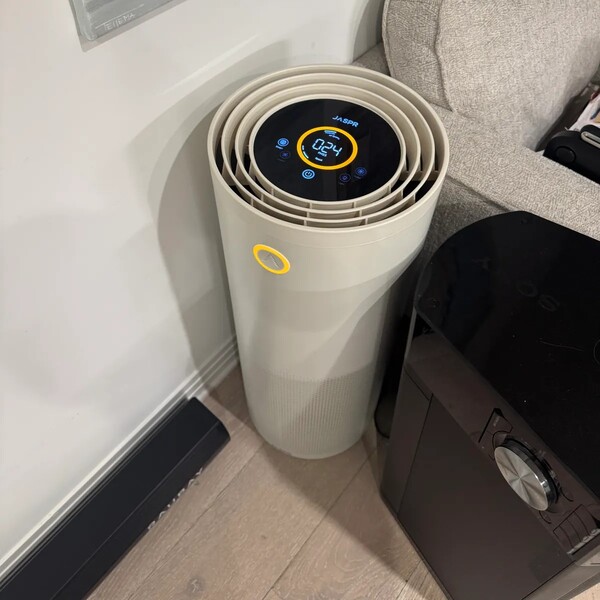
Jaspr ships free within the U.S. and Canada. The difference is in the returns and warranty. They have a 30-day money-back guarantee, but after that, the lifetime warranty only stays valid if I keep paying into the filter subscription. Filters arrive automatically every six months with free shipping, so at least that part is convenient.
Verdict
AirDoctor feels more straightforward here. I get a clear 30-day window to test it out, no subscription strings attached. Jaspr’s lifetime warranty sounds great, but it only works if I commit to the subscription long-term, which makes the return and warranty policy feel less flexible.
Who Will You Shop With?
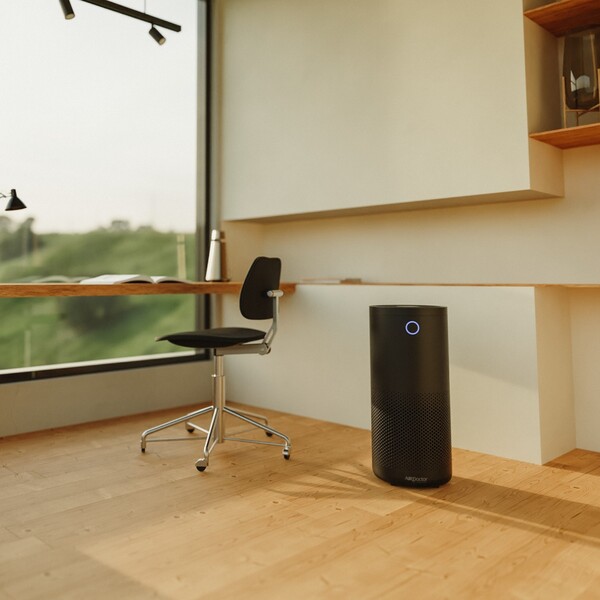
After all the comparisons, the AirDoctor 4000 is the purifier that makes the most sense to me. It’s built for medium to large rooms, circulating the air four times an hour in spaces up to 630 square feet. The 360° intake keeps air moving through its triple-filter system, which combines an UltraHEPA layer rated down to 0.003 microns with a carbon filter for odors and VOCs. That means it’s set up to handle everything from smoke to allergens to bacteria.
It’s also quiet, starting at just 20 decibels, so it can run in the background without being noticed. There’s no subscription lock-in, just a straightforward filter replacement system with alerts built in.
I’m looking forward to setting it up once it ships this fall. For me, the AD4000 strikes the right balance of performance, design, and cost. If cleaner air is the goal, this is the purifier worth choosing.
Check out similar brands you might find useful:




Ask the community or leave a comment
WRITE A REVIEWCustomer Reviews
Leave a review