Brooks Glycerin Flex vs. Glycerin 23: Which One Fits Your Run Style?

Table of Contents
About Glycerin Flex
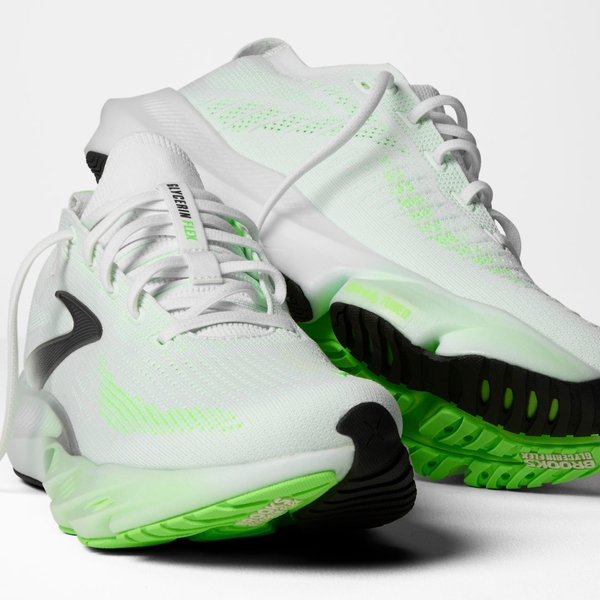
Glycerin Flex sits inside Brooks’ Glycerin lineup, which is basically their go-to series for soft, cushioned road shoes. Brooks has been around forever (since 1914), and they’re all about running. That’s their thing.
Within the Glycerin family, the Flex is the one built to move a bit more. It’s made for road miles, everyday runs, longer efforts, and even some gym work if you mix that into your training.
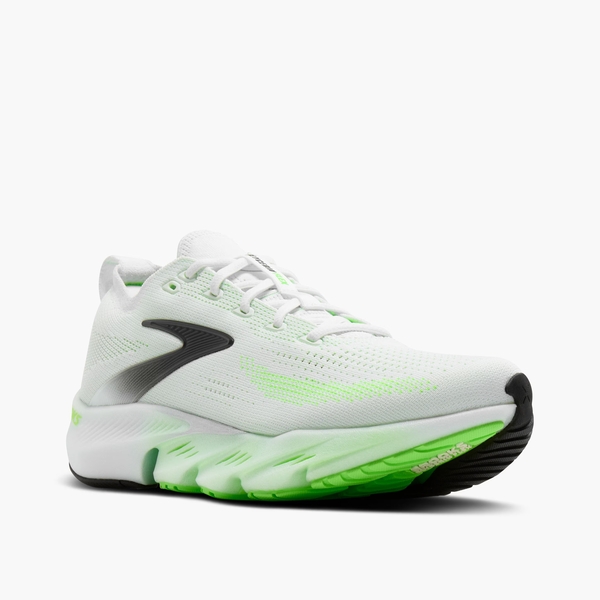
It has a 6 mm drop and weighs 9.1 oz in the men’s version, so it doesn’t feel overly bulky for a cushioned shoe. Brooks labels it as “Plush” with “Flexible support,” and the big difference is the flex groove through the midsole. That groove lets the shoe bend more naturally, so it doesn’t feel like a stiff block under your foot.
About Glycerin 23
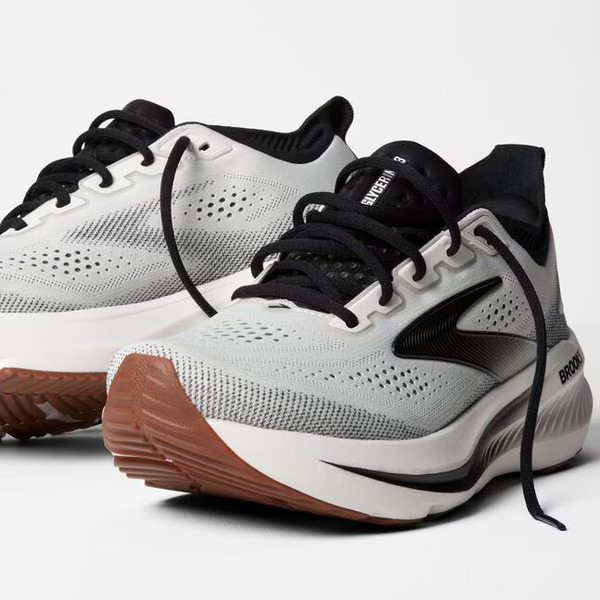
The Glycerin 23 23 is the more traditional option in the Glycerin lineup. If you think of “classic cushioned daily trainer,” this is the one most people picture. Like the Flex, it comes with Brooks’ 90-day trial, so you can actually run in it before deciding.
It’s designed mainly for road miles and longer runs. The drop is 8 mm, which is slightly higher than the Flex’s, and the men’s version weighs 10.6 oz. So it feels a little more substantial underfoot.
It still uses DNA Tuned cushioning, but the setup is more unified and slightly thicker in the forefoot than the previous version. The overall feel leans soft and steady, with a secure heel and a smooth transition through each step.
What to Consider?
Since both shoes are part of the Glycerin family, they look pretty similar at first. The real differences show up once you get into the details. Things like drop, weight, how the cushioning is built, and even width options can change how the run feels.
Purpose and Use Cases
One easy way to tell these two apart is to look at what they’re really built for. Some shoes are strictly road-mile machines. Others can handle a bit more variety in your training.
Glycerin Flex

Brooks lists the Glycerin Flex for road running, everyday miles, long runs, and even gym workouts. That tells you it’s meant to be a bit more versatile than a typical daily trainer.
It’s still a road shoe at its core, but it’s designed to move well if you mix in treadmill sessions or strength work. That gym crossover mention is what makes it stand out a little within the Glycerin lineup.
Glycerin 23
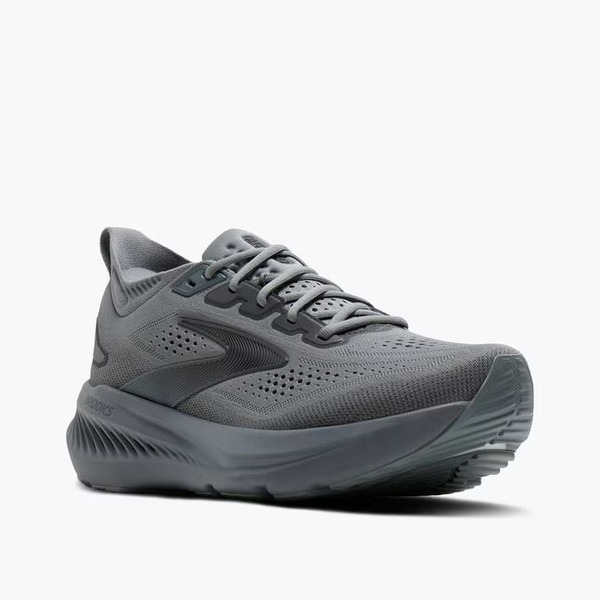
The Glycerin 23 is built mainly for road running and longer miles. It focuses on steady, consistent training rather than versatility.
If most of your runs are on pavement and you want a soft, cushioned feel that stays predictable from start to finish, this model fits that type of routine.
Verdict
The Glycerin Flex works well for both road runs and gym sessions, while the Glycerin 23 is more focused on road running and daily miles.
Drop (Heel-to-Toe Offset)
Drop is just the difference in height between the heel and the front of the shoe. It changes how the shoe feels when you land and roll forward through your stride.
Glycerin Flex
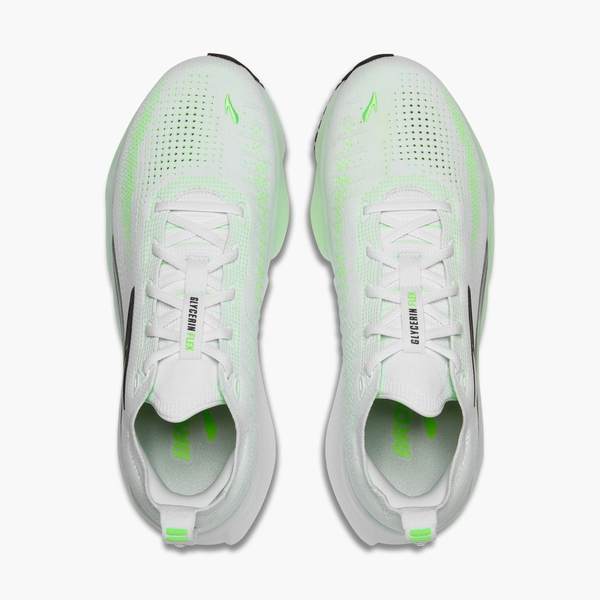
The Glycerin Flex has a 6 mm drop, which gives it a slightly flatter feel underfoot. It can feel a bit more natural, especially if you prefer landing closer to your midfoot or don’t like a shoe that tips you forward.
Glycerin 23
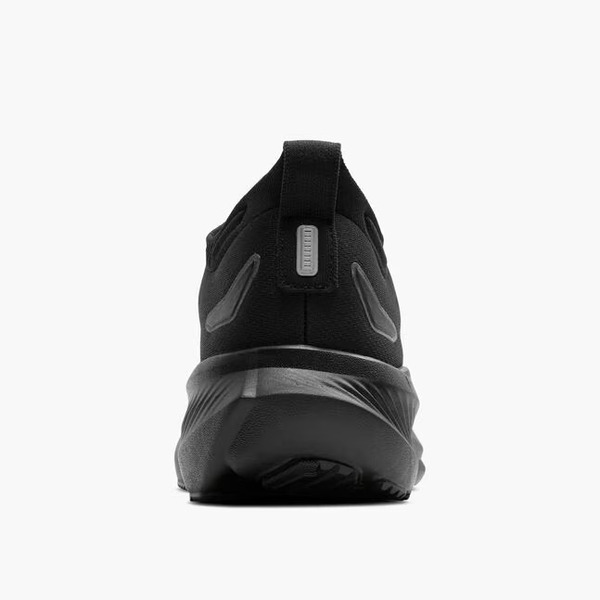
The Glycerin 23 comes in at 8 mm. That’s closer to what most traditional daily trainers use, so it may feel more familiar if you’ve worn standard running shoes for years.
Verdict
If you like a flatter feel and something that stays closer to level under your foot, the Flex will probably suit you better.
Then, if you prefer a bit more heel lift or you’re used to classic training shoes in the 8–10 mm range, the Glycerin 23 may feel more comfortable right away.
The difference isn’t that huge, but there are some runners who notice it immediately.
Weight
Weight affects how a shoe feels over distance. Like, a heavier model can feel more grounded and substantial underfoot. Then, a lighter one often feels easier to turn over, especially late in a run. In fact, the difference doesn’t automatically make one better, but it does change the overall experience.
Glycerin Flex
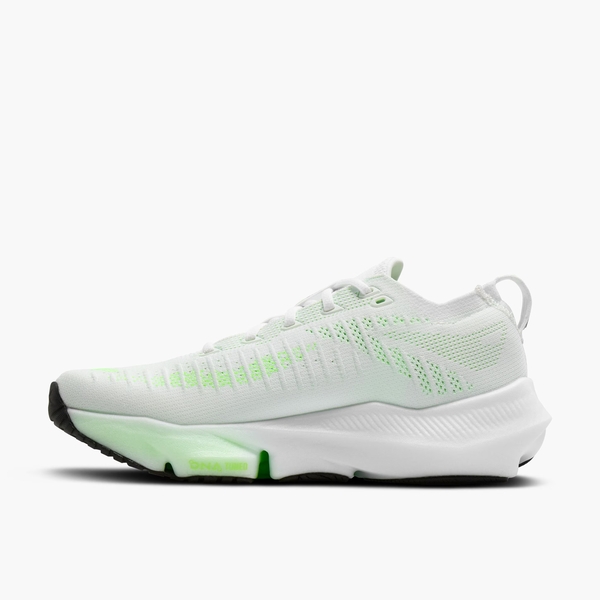
The men’s Glycerin Flex The Glycerin Flex weighs 9.1 oz in the men’s version. For a cushioned shoe, that’s fairly light. It feels easier to move in and doesn’t feel like it’s dragging on longer runs.
Glycerin 23
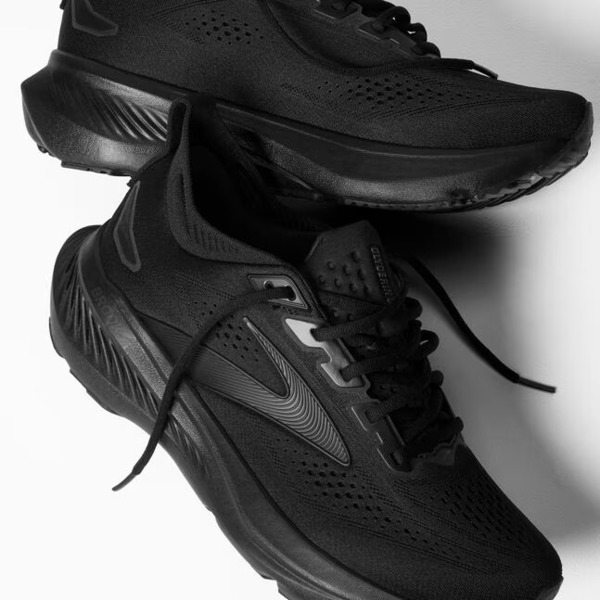
The men’s Glycerin 23 weighs 10.6 oz for men. It has a bit more substance underfoot, which some runners prefer because it feels stable and steady.
Verdict
The Glycerin Flex is lighter. The Glycerin 23 carries more weight. So, the gap is noticeable and may influence how nimble or grounded the shoe feels during longer efforts.
Cushion Construction
Cushioning is about how that foam is arranged and how it behaves under load. Two shoes can both be labeled “plush” and still feel different because of how their midsoles are built.
Glycerin Flex
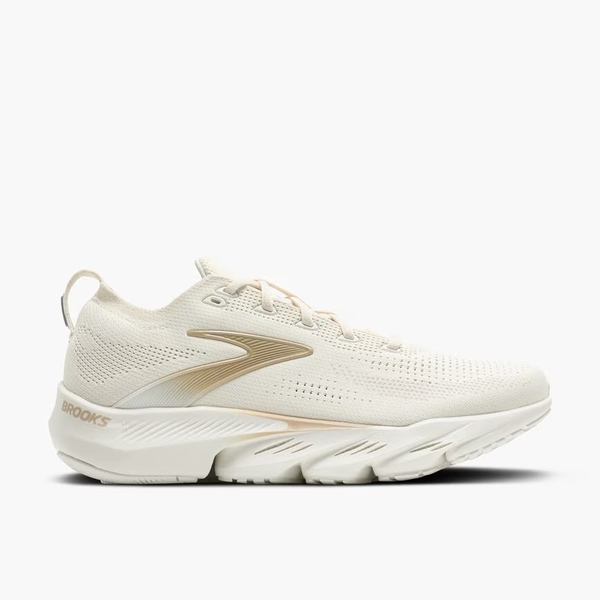
The Glycerin Flex uses DNA-Tuned foam and incorporates a midfoot flex groove with segmented areas across the platform. The structure allows the shoe to bend more through the middle and forefoot rather than acting as a single continuous slab. Thus, you get a combination of softness with noticeable articulation underfoot.
Glycerin 23
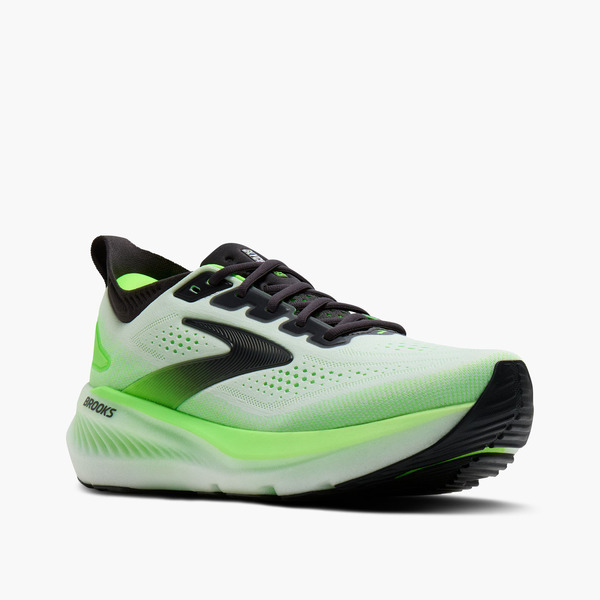
The Glycerin 23 uses dual-cell DNA Tuned cushioning and adds 2 mm of foam in the forefoot compared to the previous version. The setup focuses on delivering plush landings and smoother transitions through a more unified platform. The added forefoot foam increases softness in that area without introducing segmentation.
Verdict
Yes, both models use DNA Tuned cushioning. The Flex builds movement into the structure through grooves and segmentation, while the 23 builds additional softness into the forefoot within a more traditional platform.
Upper and Fit
The upper determines how the shoe feels the moment you put it on and how it holds your foot through a run. The material choice, padding, tongue design, and width availability all affect comfort and lockdown.
Glycerin Flex
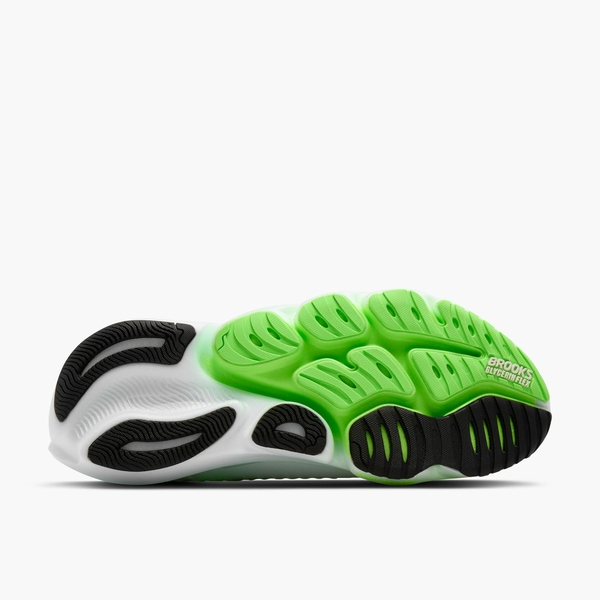
The Glycerin Flex uses a flat-knit upper that feels flexible right away. It has some stretch, especially through the forefoot, so it moves more naturally with your foot instead of holding it tightly in place. The version shown comes in Medium (1D) width, and the overall feel leans lighter and less structured.
Glycerin 23
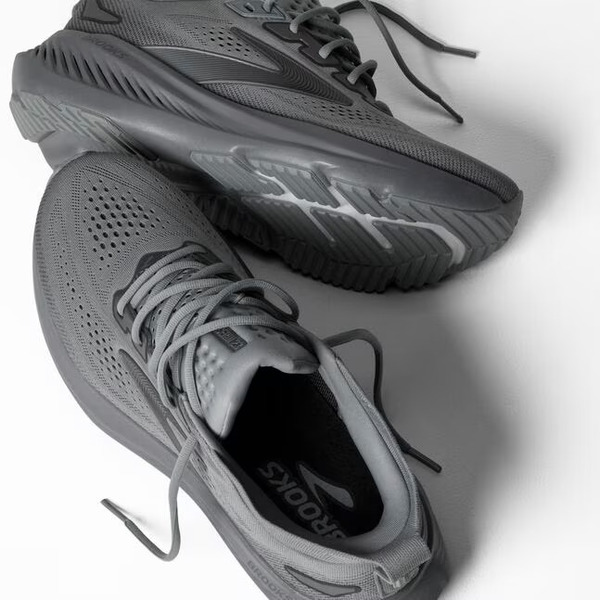
The Glycerin 23 has a more padded setup. There’s extra cushioning around the heel collar and a thicker tongue, which gives it that soft, step-in comfort feel when you first put it on. It also comes in more width options, including Medium (1D), Wide (2E), and Extra Wide (4E), so it’s easier to dial in the fit if you need more room.
Verdict
Go with the Flex if you want something that feels softer and less structured on top.
If you prefer more padding around the heel and tongue, or you need wider sizing, the Glycerin 23 is likely the safer choice.
Outsole and Traction
The outsole is what actually hits the ground, so it affects grip and how stable the shoe feels, especially on turns or damp roads.
Glycerin Flex
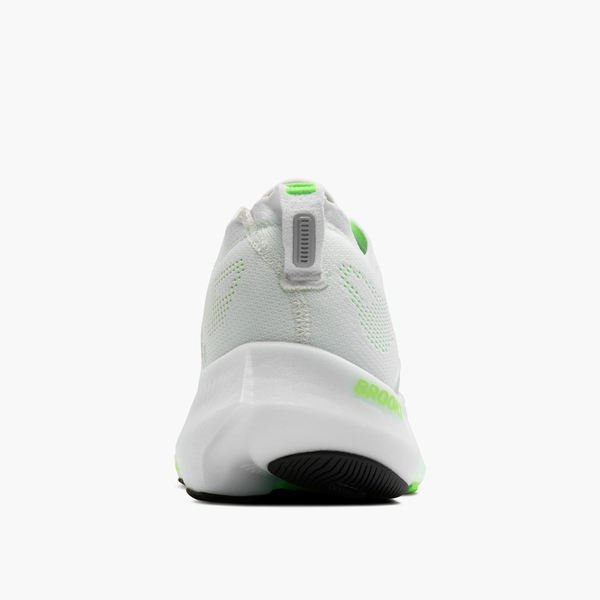
The Glycerin Flex uses a standard rubber outsole made for road miles. You can expect that it handles everyday pavement and light gym work without anything overly aggressive in the tread.
Glycerin 23
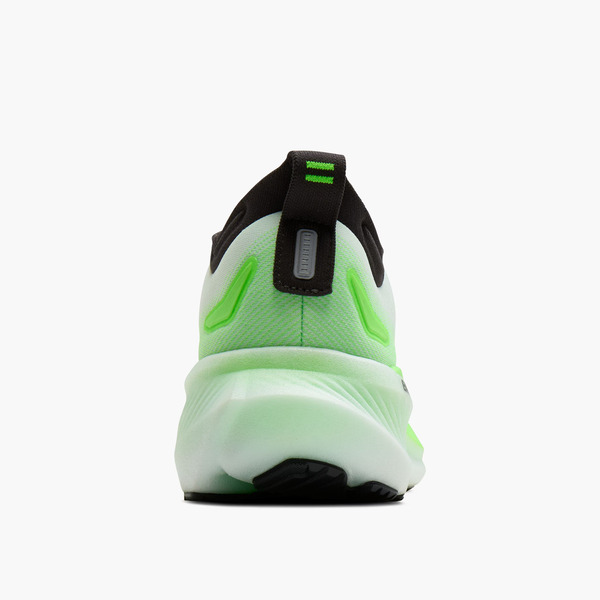
The Glycerin 23 comes with an updated outsole pattern compared to the previous version. Some runners have reported improved grip, especially in wet or cold conditions. So, it feels a bit more planted underfoot when the road isn’t perfectly dry.
Verdict
Most road runs won’t expose a huge difference between these two. After all, they’re both built for pavement and everyday miles. The 23 just feels a bit more dialed in when the ground isn’t perfect. The Flex feels standard and reliable.
Width Availability
The fit can make or break a shoe. Some runners need more room in the forefoot. Others are fine in a standard width. That alone can decide things before you even think about cushioning or drop.
Glycerin Flex
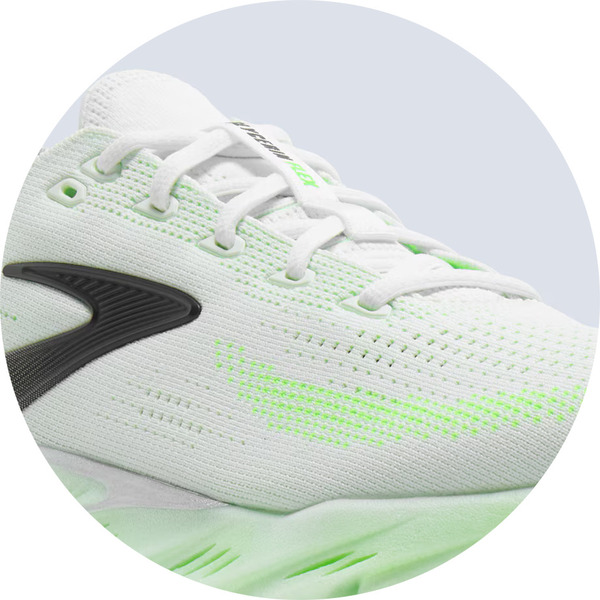
The Glycerin Flex is currently listed in Medium (1D). If you usually wear standard-width shoes, that may be fine. But there aren’t broader width options mentioned here.
Glycerin 23
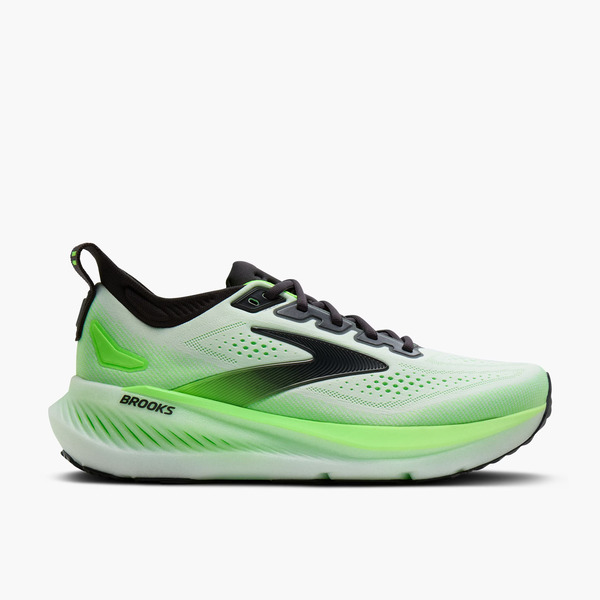
The Glycerin 23 is available in Medium (1D), Wide (2E), and Extra Wide (4E) in the men’s version shown. That broader sizing range allows more flexibility for runners who need additional room.
Verdict
This one’s pretty simple. If you need Wide or Extra Wide sizing, the Glycerin 23 gives you that option. If you’re comfortable in a standard width, either shoe could work.
Durability and Long-Term Use
When you’re buying a daily trainer, you want it to last. If you’re running a few times a week or stacking up miles, the shoe needs to hold up.
Glycerin Flex
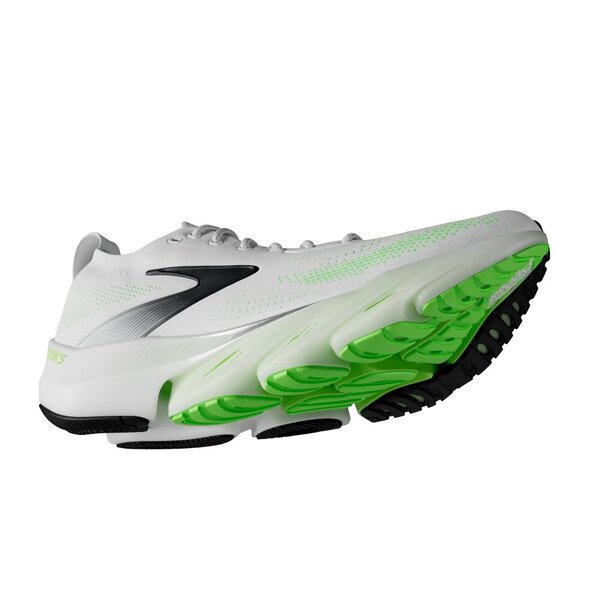
The Glycerin Flex uses the same DNA Tuned foam and a standard road outsole. It’s meant to handle regular mileage and even some gym work without falling apart. Nothing overly reinforced, but nothing fragile either.
Glycerin 23
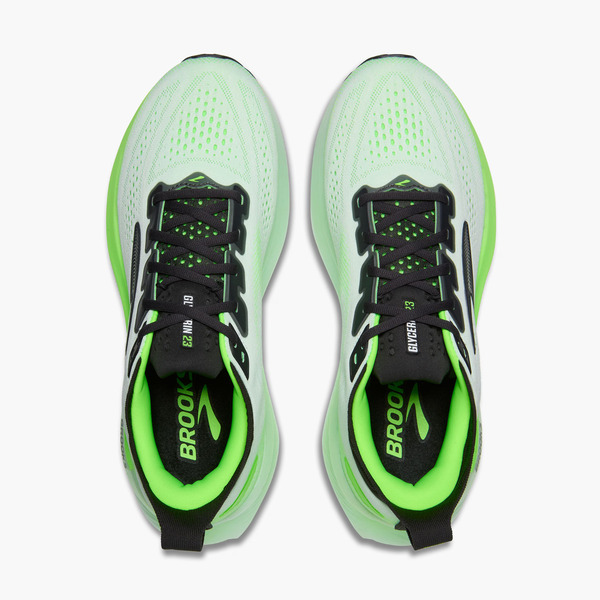
The Glycerin 23 has a slightly heavier, more traditional build. Reviews suggest it holds up well over steady road miles, and the updated outsole should help with wear over time. It feels a bit more substantial overall.
Verdict
In real life, both of these are built to take regular road miles. Neither one feels delicate. The 23 has a slightly more solid, built-up feel overall. The Flex feels lighter and a bit more forgiving.
Ride Feel and Flex
Two shoes can both be labeled “plush” and still feel completely different once you start moving. What really changes things is how much the shoe bends and how smooth the transition feels from landing to push-off.
Glycerin Flex
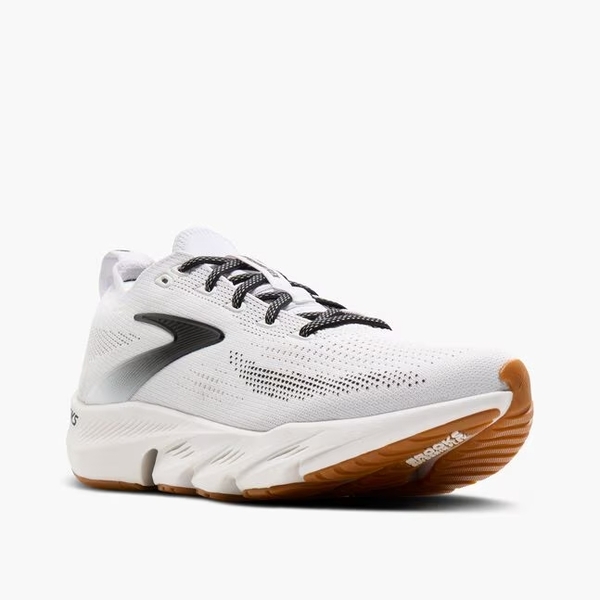
Brooks builds flex into the platform through a midfoot flex groove and FlexZone™ design. The structure is meant to bend more and let the foot move through the stride with less stiffness under the midfoot.
Glycerin 23
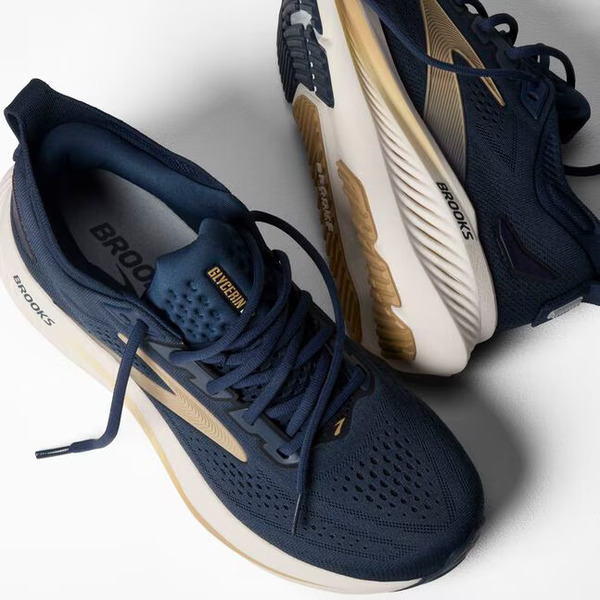
Brooks frames the ride around smooth, stable transitions with a secure heel and dynamic forefoot. It rolls smoothly, but it doesn’t bend as much through the midfoot. So, the ride can feel steady and consistent rather than flexible.
Verdict
Some runners like feeling the shoe flex under them. Others prefer that steady, locked-in feel that just keeps things consistent. So, t really comes down to what you’re used to.
The Flex bends more through the middle, so your stride feels a bit looser and less controlled. The 23 feels more solid from heel to toe. It rolls smoothly, but it keeps everything a little more contained.
Color Variety and Style Options
Color availability matters for practical reasons, too. Some runners want something neutral they can wear anywhere. Others prefer brighter options for visibility. It can also make a difference if your size only shows up in certain colorways.
Glycerin Flex
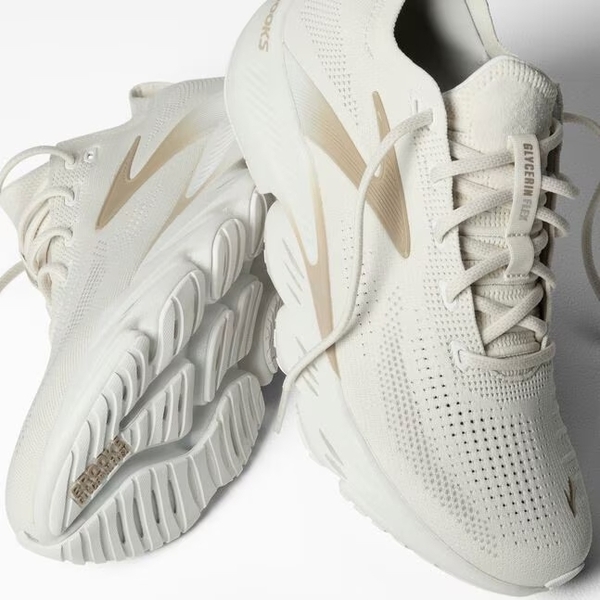
The men’s Glycerin Flex comes in four main color options, including combinations like White/Green Gecko/Phantom, Coconut/Starfish/Chateau, White/Black/Gum, and Spellbound/Starfish/Coconut. The selection isn’t huge, but there’s a mix of lighter neutrals and slightly bolder choices.
Glycerin 23
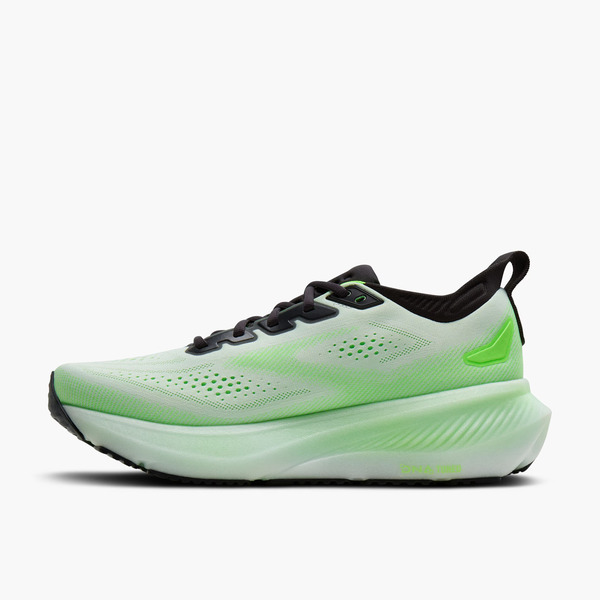
The Glycerin 23 offers more variety overall. The men’s version shows eight color options, including several black-based designs along with white, grey, coconut, and blue variations. There’s simply more to choose from.
Verdict
If having more color choices matters to you, the Glycerin 23 gives you more flexibility. The Flex keeps things more limited but still covers the basics.
Price
When two shoes sit close in cost, the differences in construction and positioning become more important than the dollar gap itself.
Glycerin Flex
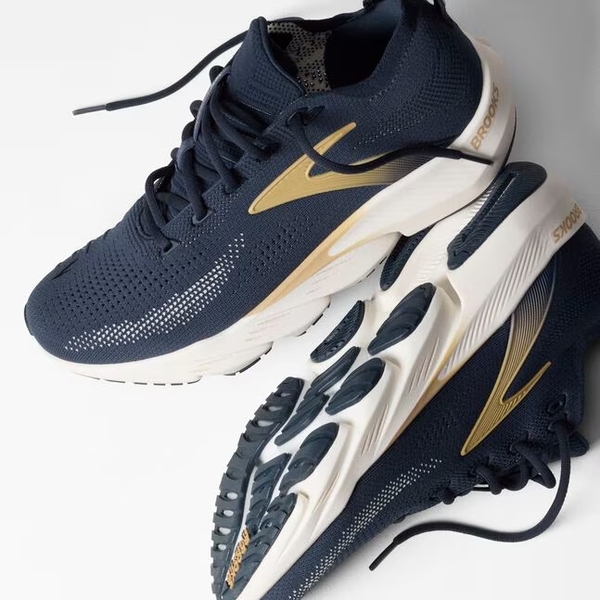
The Glycerin Flex is priced at $170. That puts it right in line with most premium daily trainers.
Glycerin 23
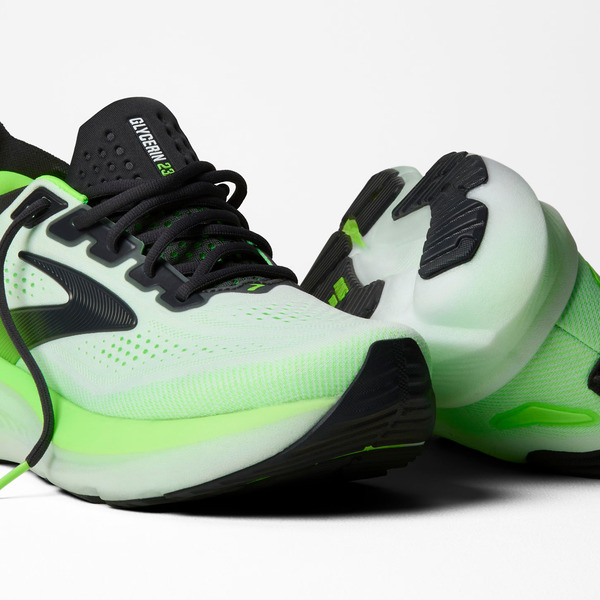
The Glycerin 23 comes in at $175, so it’s just slightly higher.
Verdict
The price difference is $5. Both sit in the premium daily trainer range and come with the same return policy.
Brooks Glycerin Flex vs. Glycerin 23: What Do Customers Think?
Customer feedback gives a different kind of insight than specs. It shows how the shoes feel once people actually run in them, break them in, and use them for daily training. Below is what buyers are saying about each model.
What Customers Are Saying About Glycerin Flex
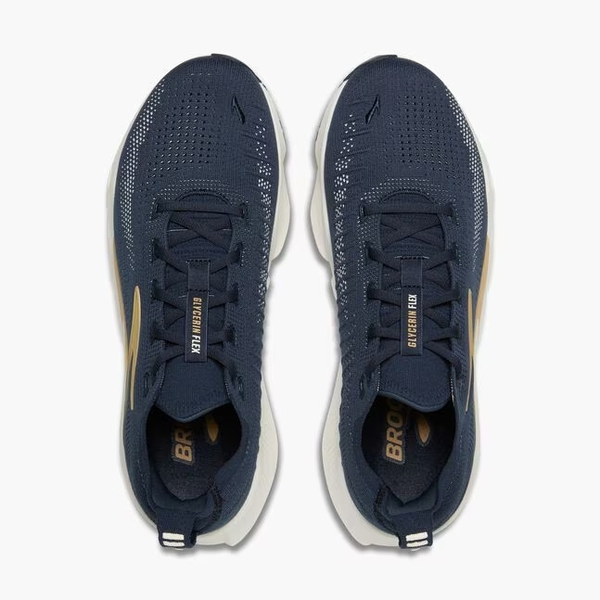
Customer feedback around the Glycerin Flex keeps circling back to three things: comfort, flexibility, and toe room.
One runner put it this way:
“These shoes are perfect for me. They have a moderate heel to toe drop, are super flexible, provide good cushioning, have a wonderful stretchy upper, and the toebox is wide enough to accommodate bunions or wide feet.”
Another runner noticed how quickly the shoe felt comfortable:
“Supportive, comfortable out of the box and was surprised how naturally my feet adapted to them.”
Also, several reviews mention the balance between softness and stability:
“These feel surprisingly stable for a maximum cushioning shoe and feel comfortable in all ways.”
Plus, toe space comes up again, especially for runners who need room up front:
“Wide enough at the toe box to give my toes freedom to absorb each impact. The drop is perfect.”
And for those using it beyond easy miles, responsiveness gets mentioned too:
“Glycerin Flex feels incredibly springy and responsive, giving great energy return for runs while staying stable during sled pushes and lunges.”
What Customers Are Saying About Glycerin 23
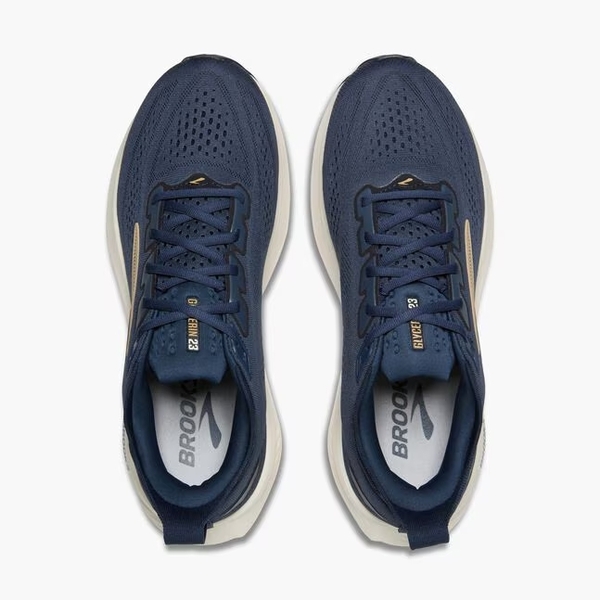
Feedback for the Glycerin 23 centers around cushioning, support, and overall comfort during daily miles.
One customer wrote:
“I really like the cushioning which felt super comfortable but not bulky or slow. I still felt fresh after 7-8 miles.”
Another described the balance of feel underfoot:
“Springy with cushion but plenty of support.”
Support was noticeable right away for some:
“Put them on and instantly felt the support as soon as I took the first step I knew these were different.”
Fit satisfaction appears as well:
“They fit my feet so perfect.”
Overall enthusiasm shows up clearly in this comment:
“This Glycerin 23 absolutely is a home run.”
Common threads include comfort over longer runs, supportive cushioning, and positive fit feedback.
Brooks Discounts and Promotions
Brooks keeps pricing steady on core models, especially newer releases in the Glycerin line. Still, there are a few clear ways buyers can find savings throughout the year.
- Seasonal Sales
Major retail events, such as Black Friday and end-of-season clearances, often feature select Brooks models. Older colorways or previous versions typically see discounts first. - Brooks Membership Perks
Creating an account on the Brooks website is free. You can unlock perks like free shipping, birthday rewards, and early access to select releases. These benefits are part of the brand’s free Brooks Run Club, which also includes challenges, prizes, and other member experiences. - Retailer Promotions
Authorized running retailers sometimes run independent sales. Pricing and availability may vary depending on location and stock levels.
Brooks Shipping and Return
Ordering directly from Brooks comes with clear policies, especially for U.S. customers. Here’s how it works.
Shipping
Brooks ships across all 50 U.S. states, U.S. territories, and APO/FPO addresses. Orders are processed Monday through Friday, and the cutoff for Express or Next Day shipping is 2 p.m. ET.
Standard shipping typically takes 5–8 business days.
- Non-members: $5
- Brooks Run Club members: Free
- Discount groups: $10
Express shipping (2 business days):
- $20 for non-members
- $15 for members, free on orders over $160
Next Day shipping (1 business day):
- $30 for non-members
- $25 for members
Orders going to P.O. Boxes, APO/FPO addresses, U.S. Territories, or Puerto Rico must ship through USPS and can’t be expedited.
And, orders start processing quickly, so changes usually aren’t possible after checkout. You’re only charged once the order ships.
Returns
Brooks offers what they call the Run Happy Promise. Customers can take their gear for a 90-day trial run. If it doesn’t work out, returns are free. Yes, that means no shipping or restocking fees.
Returns can be started through the Brooks Returns Center using the order number and email address. Customers can also log in to their account to initiate a return.
If a product is believed to be defective, Brooks directs customers to complete a Product Support form. Gift exchanges require contacting customer service directly.
Which Brooks Glycerin Shoes Should I Choose?
Deciding between the Brooks Glycerin models really comes down to how you like your daily runs to feel underfoot.
The Flex leans toward movement and adaptability. It has a lower 6 mm drop, a lighter build, and a flex groove that lets the shoe bend more naturally through the midfoot. It feels less rigid and more in tune with the stride, especially for runners who don’t want a stiff, rocker-heavy ride. It also crosses over well for gym sessions or treadmill work because it doesn’t feel bulky.
On the other hand, the Glycerin 23 sits closer to the traditional daily trainer formula. It carries a bit more weight, an 8mm drop, and a steadier, more structured feel through the platform. Its cushioning is plush and consistent from heel to toe, and the ride feels smooth and predictable. Runners who prefer a slightly higher drop or who spend most of their time on steady road miles may find that reassuring. It’s the kind of shoe built for routine mileage without asking much from the runner.
In fact, both models fall into the same premium daily category and are priced similarly. The difference is all about how you will feel using them. Like, the Flex favors natural motion and lighter turnover. The Glycerin 23 favors stability, comfort, and a more classic daily rhythm.
All in all, the better choice is simply the one that matches how someone likes their stride to unfold over miles.
Check out similar reviews you might find useful:
Brooks Adrenaline GTS 25 Review




Ask the community or leave a comment
WRITE A REVIEWCustomer Reviews
Leave a review