Brooks vs Asics: Which Running Brand Deserves Your Miles?

I’ve spent a lot of time around runners. The kind who log miles before sunrise and the ones who lace up just to clear their head after work. No matter what kind of runner you are, you probably recognize the same two names showing up again and again: Brooks and ASICS. They’re both staples in the running world, trusted by beginners and marathoners alike.
I’ve worn shoes from both brands over the years, and it’s interesting how each one feels like it was built with a different mindset. Before we delve into performance, comfort, and everything else that matters on the road, it’s helpful to understand who these brands are and what they stand for.
Table of Contents
About Brooks
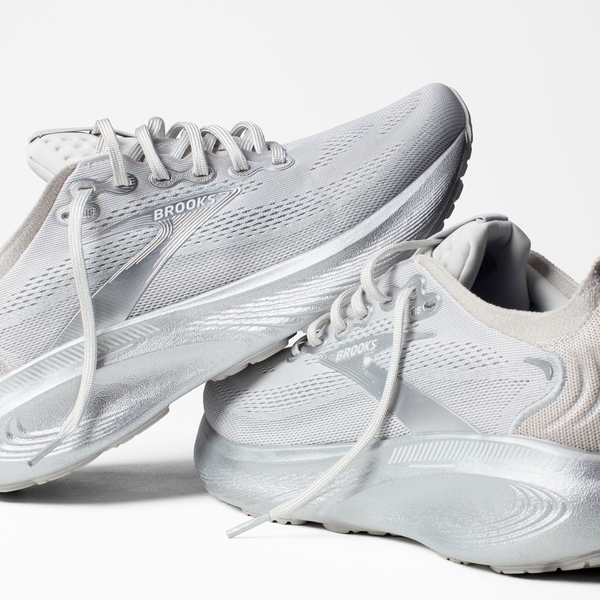
Brooks has been a part of the running community for over a century. The company began in 1914 with a focus on general footwear before shifting its entire focus to running. That focus has guided everything since.
Brooks designs gear around how people actually move. From its nitrogen-infused midsoles to its GuideRails™ support system, every feature comes from studying real runners and what keeps them steady mile after mile. The brand’s goal is simple. Make running feel better and help people enjoy the process.
Brooks keeps its attention on what matters most to runners. It stands behind its gear with a 90-day Run Happy Promise that lets you test products and return them if they don’t fit right. It also offers programs for healthcare workers, military members, and other community heroes. The brand’s identity stays close to the ground. Straightforward. Focused. Made for runners by people who understand the rhythm of running.
About ASICS
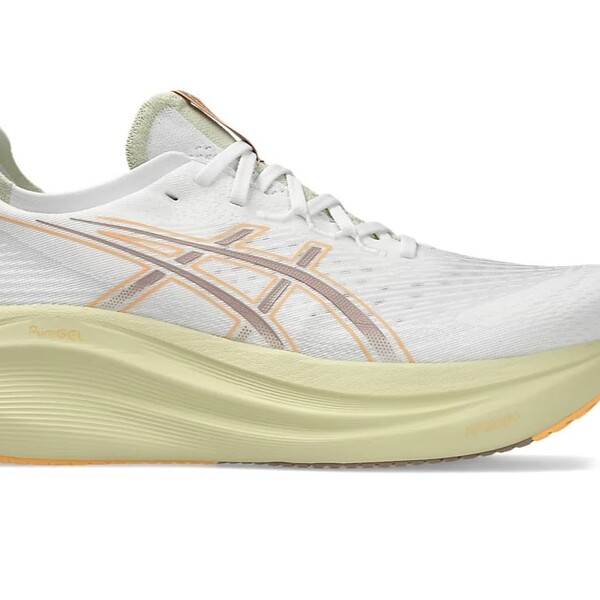
ASICS was founded in Japan in 1949. Its name comes from a Latin phrase that means “a sound mind in a sound body.” That idea still defines the brand today. It’s built around the connection between physical movement and mental wellness.
ASICS has grown into a global sports brand with shoes and apparel for running, tennis, training, volleyball, and more. It’s known for its GEL and FlyteFoam technologies, which give its shoes a structured and supportive feel. The company also conducts studies on the impact of exercise on mental health and athletic performance.
The brand balances tradition with research. It continues to expand its reach across various sports and communities, while maintaining consistency in quality and design. ASICS represents discipline, precision, and a steady commitment to helping people move with purpose.
What to Consider?
Choosing between Brooks and ASICS can feel like comparing two sides of the same coin. Both have history, trust, and loyal runners behind them. The difference shows up in how each brand approaches comfort, support, and the small details that make a run easier. Here’s how I think they stack up across key areas.
1. How They Feel on Foot
A running shoe’s feel can make all the difference. It’s not only about cushioning but also about how it moves with your stride after a few miles.
Brooks
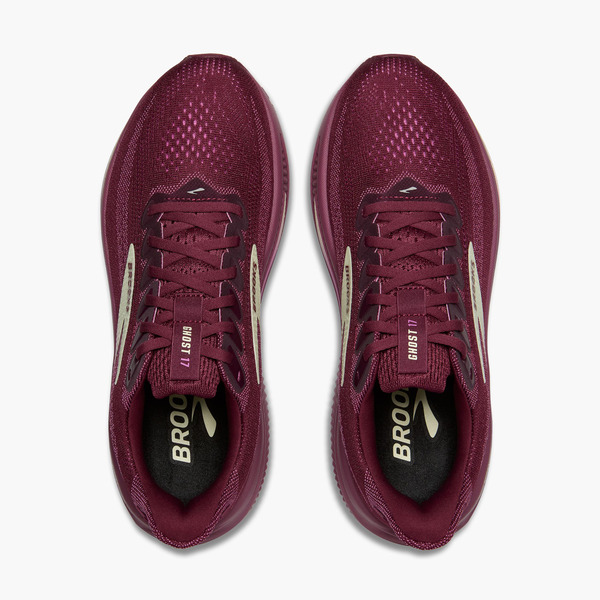
I’ve always liked how Brooks shoes seem to settle in fast. The DNA Loft v3 cushioning feels soft but still responsive. It almost feels like it knows how much you need to give with each step. They don’t need much breaking in, which I appreciate. After a few runs, the fit feels familiar. It’s snug where it should be and roomy enough in the toe box. It feels stable without getting in the way.
ASICS
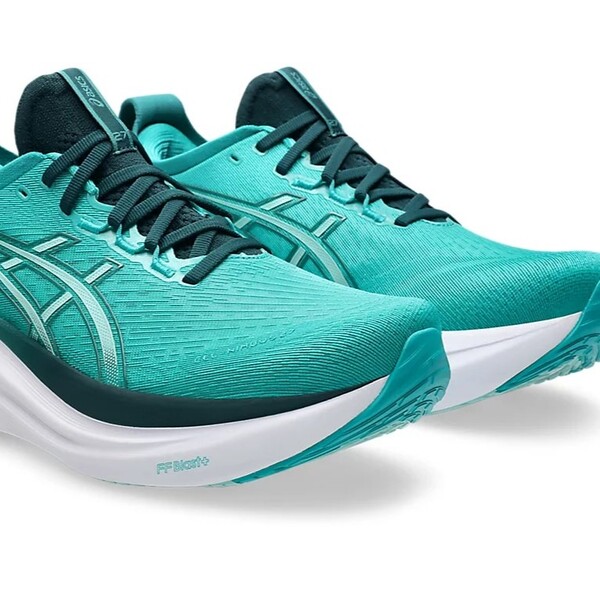
ASICS shoes lean more toward structure. The GEL and FlyteFoam setup gives them a firm base that feels steady on impact. The fit is tighter and more supportive, which can be great for runners who want extra control. I’ve found them a bit stiff on longer runs. They hold their shape well, though.
My Verdict
Brooks takes the edge here. The comfort feels more natural and balanced, especially during longer runs. It adapts to your stride without forcing it. Each mile feels easier and smoother underfoot.
2. Stability and Support
Good stability can make a long run feel effortless. It’s what keeps your stride aligned and your legs fresh after miles on the road.
Brooks

I’ve always thought of Brooks as the steady hand of running shoes. Their GuideRails™ system quietly keeps your movement in check without making it feel forced. It’s there when you need it, but easy to forget about when you don’t. That balance works well for runners who tend to roll inward or require extra support without compromising their natural stride. The shoe feels planted and secure on corners and uneven pavement.
ASICS

ASICS goes heavier on structure. Its Dynamic DuoMax support system is firm and noticeable. It provides strong arch support and keeps your foot stable, which can be beneficial for overpronators. The tradeoff is that it feels more rigid underfoot. You can tell it’s built for stability first and comfort second.
My Verdict
Brooks wins this one for balance. The stability feels built into the shoe rather than stacked on top of it. It corrects your stride without calling attention to itself. After long runs, that difference shows.
3. Performance and Durability
A good running shoe isn’t just about how it feels on day one. It’s about how it holds up after months of use. Durability and performance go hand in hand, especially for runners who put in serious mileage.
Brooks
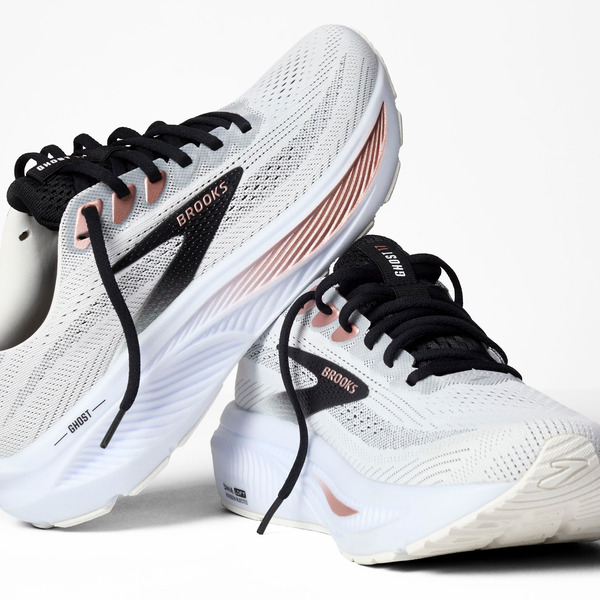
Brooks shoes have always held up well for me. The Adrenaline line especially seems built for consistency. The cushioning remains responsive even after prolonged use, and the outsole effectively handles both road and treadmill runs without wearing down too quickly. I’ve taken pairs through training cycles and still had them feel solid after a few hundred miles. They hold their shape and maintain a balanced ride from start to finish.
ASICS

ASICS shoes perform well out of the box. The cushioning feels firm and protective, which is ideal for absorbing impact. However, I’ve noticed that the midsole tends to lose some of its bounce more quickly over time. The rubber outsoles are tough, though, and provide good grip across various surfaces. They’re dependable but can feel heavier after extended use.
My Verdict
Brooks edges ahead here. The performance stays more consistent over time. The cushioning lasts longer, and the shoe keeps its comfort and structure even after heavy training. It’s a reliable choice for runners who want something that performs just as well on mile 300 as it did on mile one.
4. Design and Build Quality
Aside from its appearance, design is about how well it’s put together and how the materials hold up against weather, sweat, and miles.
Brooks
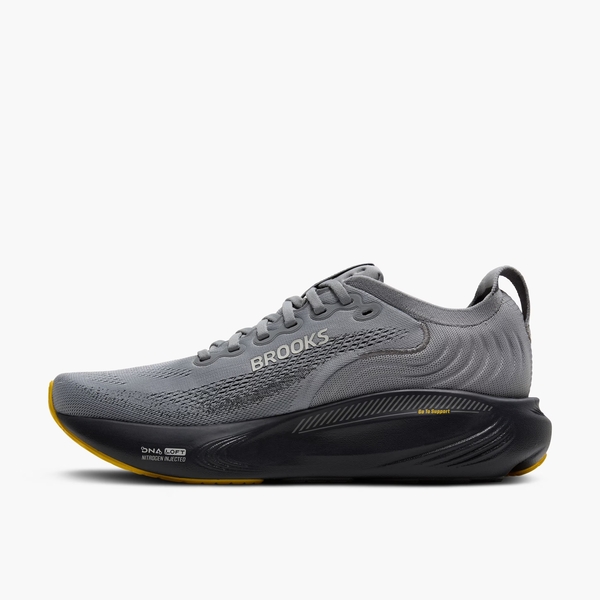
Brooks shoes feel thoughtfully built. The Adrenaline line, in particular, has a solid upper that stays breathable while still feeling secure. The stitching is tight and clean, and the overlays don’t peel or warp over time. The materials feel built for real use, not just to look good on the shelf. Every part of the shoe seems to have a purpose, from the cushioned collar to the flexible sole.
ASICS

ASICS shoes give off a more technical look. The build feels firm and structured, with a clear focus on stability. They tend to use thicker overlays and a stronger upper, which gives a durable feel but adds a bit of weight. The finish is neat and consistent, although it can sometimes be less breathable compared to Brooks.
My Verdict
Brooks wins for overall build quality. The construction feels strong but natural. The materials are lighter, more flexible, and durable over time. It’s the kind of design that supports performance without feeling over-engineered.
5. Weight and Responsiveness Technology
I always pay attention to the gear’s underlying tech because it directly affects how the shoe moves. Weight affects how long you can stay comfortable on a run. Responsiveness decides whether each stride feels sharp or dull. Both matter more than most people realize.
Brooks

Brooks uses DNA Loft v3 foam. It’s nitrogen-infused, which makes it lighter and gives a soft but springy feel. The foam adapts to the pressure of each step without losing shape over time. Their GuideRails™ system adds structure around the heel to keep the stride steady. It doesn’t feel restrictive, and that balance of support and flexibility helps the shoe stay responsive no matter the pace.
ASICS
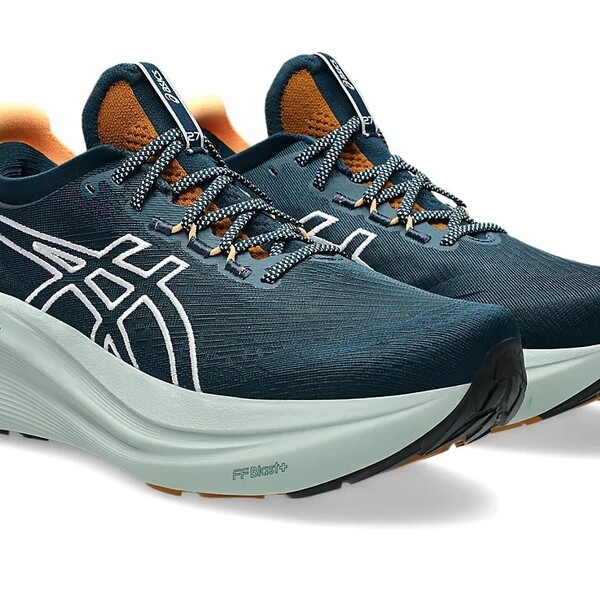
ASICS relies on FlyteFoam and GEL technology. The foam gives solid impact protection while the GEL absorbs shock under the heel and forefoot. The ride feels steady and dependable, especially for runners who prefer a firmer base. But the extra layers add a little weight, and the rebound isn’t as lively after long runs.
My Verdict
Brooks comes out ahead here. The DNA Loft v3 cushioning keeps things light and reactive. It makes every stride feel smooth without losing control. ASICS excels in terms of stability and structure, but Brooks offers a cleaner blend of comfort, bounce, and long-term consistency.
6. Traction and Grip Tech Breakdown
Traction is one of those things you don’t think about until the ground gets slick. The outsole decides whether a shoe keeps you steady or makes every step cautious.
Brooks

Brooks uses a mix of blown rubber and carbon rubber on its outsoles. It gives a solid grip without adding extra weight. The Adrenaline and Ghost lines both use segmented crash pads that flex with each stride, so you get better control on uneven surfaces. I’ve noticed they hold traction well on wet roads, gym floors, and light trails. The grooves feel natural, not sticky or stiff. The tread pattern also wears down slowly, which helps the shoe stay stable even after months of use.
ASICS
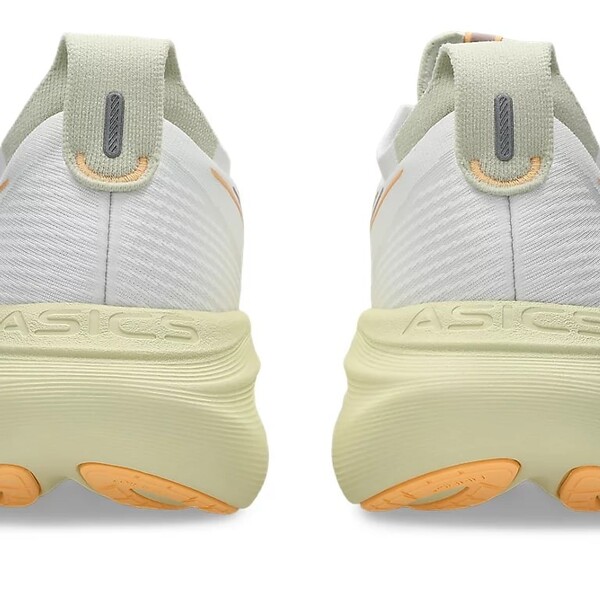
ASICS relies on its AHAR rubber compound, short for ASICS High Abrasion Rubber. It’s dense and built for longevity, especially on hard pavement. The traction feels reliable underfoot, and it grips well once you’re moving at a steady pace. But because the rubber is thicker and firmer, it can feel less flexible in the forefoot. The break-in period is longer, and the outsole can feel a bit heavy until it softens up.
My Verdict
Brooks gets the advantage for smoother traction and adaptability. The grip feels more natural, especially for runners who shift between surfaces. ASICS delivers strength and durability, but Brooks offers a better balance of control, flexibility, and comfort under varying conditions.
7. Breathability and Upper Comfort
I pay close attention to the upper on any running shoe. It’s what keeps the foot cool, steady, and comfortable during long sessions.
Brooks

Brooks uses engineered mesh that feels soft yet remains structured enough to maintain its shape. The padding around the ankle and heel feels plush without overheating. The Adrenaline, Ghost, and Glycerin lines all have uppers that adapt to the foot and stretch in the right places. I can wear them for hours without pressure spots or rubbing. They dry quickly after wet runs, too.
ASICS
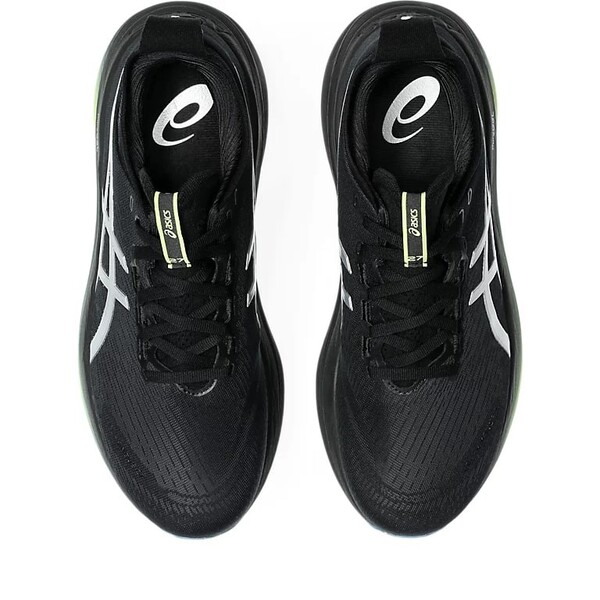
ASICS builds its uppers with engineered mesh, often reinforced with overlays for added structure. The fit feels snug and secure, especially in the midfoot. The materials feel slightly thicker and less airy than those of Brooks, though the extra layer adds a sense of protection. Breathability is decent, but the shoes can feel warmer on longer runs.
My Verdict
Brooks takes the lead again. The mesh feels lighter and more breathable, and the comfort stays consistent even after hours of wear. The upper hugs the foot naturally, keeping things cool and steady without that heavy or enclosed feel.
8. Price
Price isn’t everything, but it does help you understand what kind of experience to expect. I look at both cost and how long the shoes actually perform the way they should.
Brooks

Most Brooks running shoes, including the Adrenaline, Ghost, and Glycerin lines, sit between $140 and $160. That’s right in the middle of premium territory. They last a long time too. I’ve easily pushed past 400 miles before I noticed wear on the cushioning or outsole. Even then, the comfort stayed consistent. The build feels dependable, and that makes the price easier to justify.
ASICS
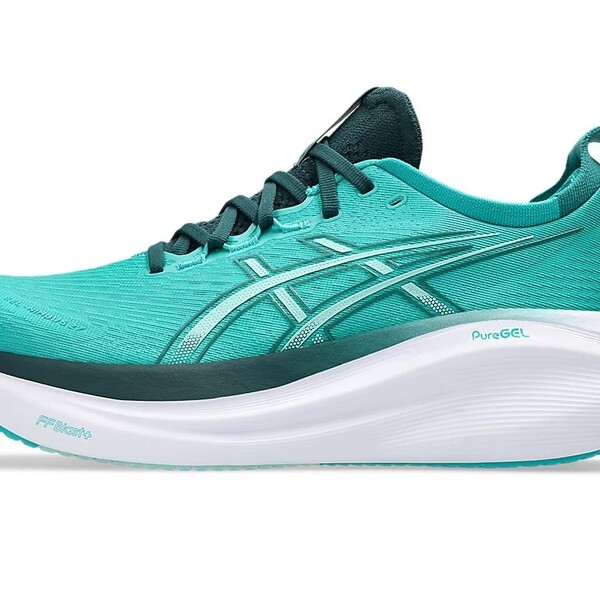
ASICS covers a wider range. You can find solid entry-level pairs around $70 to $100, while their high-end models like the Gel-Kayano or Metaspeed reach $180 or more. The performance holds up well early on, but the midsole sometimes loses its bounce sooner than Brooks. They’re well-made shoes, but longevity can vary depending on the model and how often you run.
My Verdict
Brooks gives the stronger value. The price matches the performance and durability you get. The shoes keep their comfort and structure longer, which makes them feel like a better investment over time.
Brooks vs Asics: What Do Customers Think?
I can test shoes all day, but real-world feedback tells the bigger story. Thousands of runners, walkers, and gym-goers wear these brands daily. Their experiences show how each brand performs outside the lab and past the first few runs. Let’s see what people who actually bought and logged miles in these shoes are saying.
Brooks
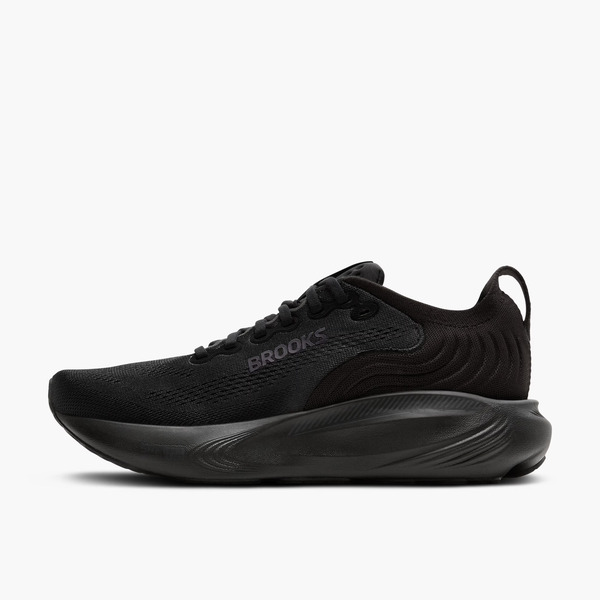
Brooks gets a lot of love for being reliable, comfortable, and built to last. Many runners say the brand may not look flashy, but it performs exactly how a running shoe should. On Reddit, people describe Brooks as the type of brand you trust for your everyday miles. One runner put it best: “They are solid and reliable… Daily trainers are more durable and comfortable than many ‘exciting’ shoes. So when I need to slog out 45 easy miles a week, I’m going to reach for a Ghost or Glycerin that will last 2–3 months vs an ‘exciting’ shoe that will lose its pizazz after 4–6 weeks.”
Another Reddit user compared them head-to-head: “With your eyes closed, have someone put a Brooks Glycerin 20 on one foot and an ASICS Gel Nimbus 25 on the other… I enjoy the Glycerin way more. Also feels 10x better than the Pegasus.”
On Trustpilot, the feedback tilts strongly positive. Most reviewers highlight the brand’s responsive customer service and the Run Happy Promise, which makes returns simple and stress-free. Comments often mention how quickly issues are resolved and how supportive the team is. One customer said, “I had an issue with my Brooks runners and contacted them. Fatma was brilliant and so helpful. Fantastic service.” Another added, “The true sign of a good company is how they resolve issues, and there is nothing more Brooks could have done.”
Across platforms, Brooks stands out for consistency and comfort that lasts over hundreds of miles. People describe the brand as dependable and fair. They provide qualities that matter when you’re investing in shoes meant to carry you far.
ASICS

ASICS fans love the brand’s comfort and performance. Many runners talk about how easy the shoes are to wear straight out of the box and how supportive they feel on long runs. “Very comfortable shoes, value for money,” one Reddit comment said. Others describe their ASICS as “the best sneakers on the planet.”
Trustpilot reviews highlight the same satisfaction, especially in-store. “Excellent customer experience by Liam and his team,” wrote one shopper. Another mentioned, “The Asics Novablast 5 can pick up the pace and wow they really can.” Customers also talk about how smooth and quick their shopping experience was, with fast deliveries and helpful staff who knew how to match them with the right model.
ASICS gets plenty of credit for comfort and style, with many people calling it their go-to brand for running and daily wear. The positive energy around the brand shows that it has a strong following built on quality and performance that people can count on.
Brooks vs Asics: Promotions and Discounts
Both brands take care of their loyal customers, but they do it in very different ways. Brooks leans into steady programs that reward runners and professionals all year long, while ASICS focuses on member perks and seasonal deals. Here’s how each brand helps you save a little without cutting corners on quality.
Brooks
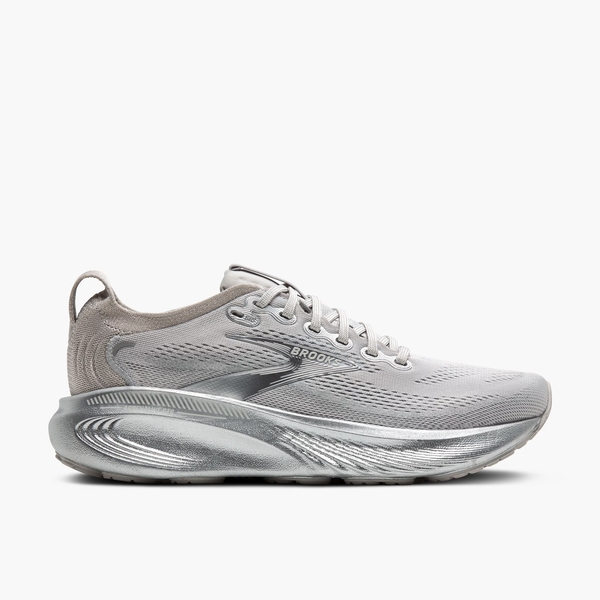
Brooks doesn’t rely on flash sales or random coupons. Instead, it runs steady programs that reward loyal customers and professionals, all backed by a strong satisfaction guarantee.
1. Run Happy Promise
Every Brooks purchase comes with a 90-day test run. You can wear your gear anywhere, and if it doesn’t work for you, return it for free. No fees, no questions asked.
2. Email Sign-Up Perks
Subscribers get early access to sales, limited-edition drops, and occasional exclusive discounts—making it worth joining the Brooks Run Club loyalty program.
3. Community Heroes Program
Military members, nurses, and first responders get 25% off full-priced products after verifying through ID.me. Each member receives up to three single-use codes per year.
4. Sports Medicine Ambassador Program
Licensed sports medicine professionals can access a 40% discount on eligible items (up to $1,000 annually) plus educational resources.
5. Sale Section
Brooks’ website has a sale area featuring previous models like the Adrenaline GTS 24 or Ghost 15, usually discounted between 10% and 40%.
Asics

ASICS keeps things straightforward with member perks and steady discounts rather than frequent markdowns. Here’s what they offer:
1. OneASICS Membership
Free to join and includes benefits like free shipping, returns, and access to exclusive offers throughout the year.
2. New Member Discount
First-time members usually get 10% off their first order when they sign up.
3. Seasonal Sales
ASICS runs promotions during key times of the year, though the selection can vary. Popular lines like GEL-Nimbus and Novablast sometimes go on sale, but newer colorways or builds may not be included.
4. Return Policy
Members get 45 days to test their gear with free returns, which gives enough time to decide if the fit and feel are right.
Brooks vs Asics: Shipping and Returns
Brooks and Asics make it easy to shop online, but their shipping and return policies take slightly different paths. Brooks builds trust with an experience that feels more personal and risk-free, while ASICS keeps things straightforward with traditional options and solid member perks.
Brooks
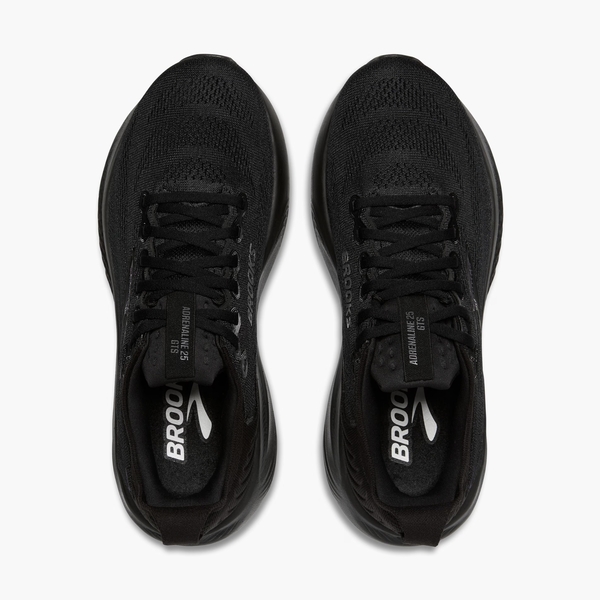
Brooks offers free standard shipping for members of the Brooks Run Club, while non-members pay $5. Express and next-day delivery are available for an extra fee. What really sets Brooks apart is the Run Happy Promise. It’s a 90-day trial on any product you buy directly from their site. You can wear your shoes on roads, trails, or the treadmill and still return them for free if you’re not satisfied. No restocking fees, no fine print.
ASICS

ASICS provides standard shipping within four to seven business days, with a flat $10 fee for non-members. One ASICS members get free standard shipping on orders over $50 and access to faster options for an added cost. Returns are accepted within 90 days, but free returns are only available to members. Non-members pay $4.99 if returning by mail, though in-store returns are free where available.
Who Will You Shop WIth?
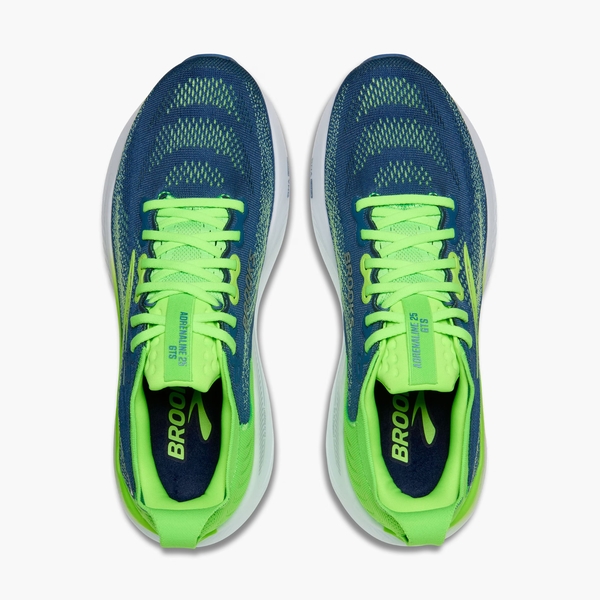
I’ve tested both brands enough to know they each have their strengths. ASICS has history, structure, and some great lines that runners have relied on for years. Their shoes are consistent, and if you’ve worn them before, you already know what to expect. But the more I ran in both, the more I started to notice the little things that make Brooks different.
Brooks feels built around real runners. The fit is more forgiving. The cushioning feels balanced instead of overly soft or too firm. And that 90-day Run Happy Promise? It changes how you buy shoes online. You can actually take them out for a real run, not just a walk around your living room, and still return them if something feels off. That kind of confidence says a lot about how much they trust their own gear.
ASICS still makes solid shoes, but Brooks wins me over because they never stop focusing on the person wearing them. The designs feel thought-out, the customer support is quick and human, and every pair I’ve owned has lasted longer than I expected. So if I had to pick, I’d stick with Brooks. It’s the brand that makes running feel simple again.
Check out similar brands you might like:

Ask the community or leave a comment
WRITE A REVIEWCustomer Reviews
Leave a review