
Table of Contents
About Caraway
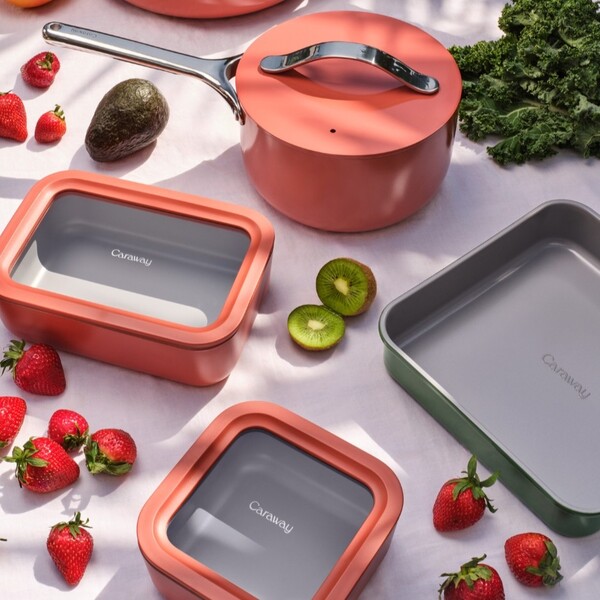
Caraway is a kitchenware brand built for people who want a more polished, more put-together home kitchen. Its lineup covers cookware, bakeware, food storage, airtight storage, kitchen tools, accessories, and bundles, so it reaches well past a single product type. The brand puts a lot of weight on cleaner material language, coordinated collections, and a kitchen setup that feels easy to live with day to day.
Jordan Nathan has tied the brand’s start to concerns around traditional non-stick cookware, and that backstory still shapes how Caraway presents itself now. Across the site, the company keeps returning to third-party testing, material claims, and products made to look good on the counter as well as work in daily use. That wider home angle gives Caraway a more inviting feel, especially for shoppers who care about design, organization, and a kitchen that feels consistent from cookware to storage.
About Made In

Made In is a premium kitchenware brand with a stronger performance-driven identity. Its range includes cookware, bakeware, knives, tabletop, accessories, and sets, with a big emphasis on stainless clad, carbon steel, CeramiClad non-stick, enameled cast iron, and chef-style tools. The brand clearly speaks to shoppers who care a lot about cooking performance and professional kitchen standards.
The company ties its roots to a fourth-generation kitchen supply business and a long family background in restaurant supply. That history shows up all over the brand’s message, along with references to chef customers, editorial recognition, and restaurant-quality cookware for home cooks. Made In comes across as credible and serious, though its tone feels more utilitarian and less home-centered than Caraway’s broader kitchen-and-lifestyle approach.
What to Consider?
Caraway and Made In are both premium kitchen brands with broad product lines and a clear point of view behind their offerings. Each one goes beyond a few standalone items and presents itself as a bigger kitchen brand with cookware, sets, and other categories that build out the overall shopping experience. Looking at them side by side makes more sense once the comparison stays focused on the main parts of the brand, the product mix, and the kind of shopper each one seems built for.
1. Brand Focus
Brand focus matters because it shows what a company is really trying to do and who it seems built for. It helps explain why certain products get more attention, why the shopping experience feels a certain way, and why one brand may connect more naturally with a particular kind of buyer. Before getting into materials, pricing, or product types, it helps to look at the bigger direction behind each brand.
Caraway
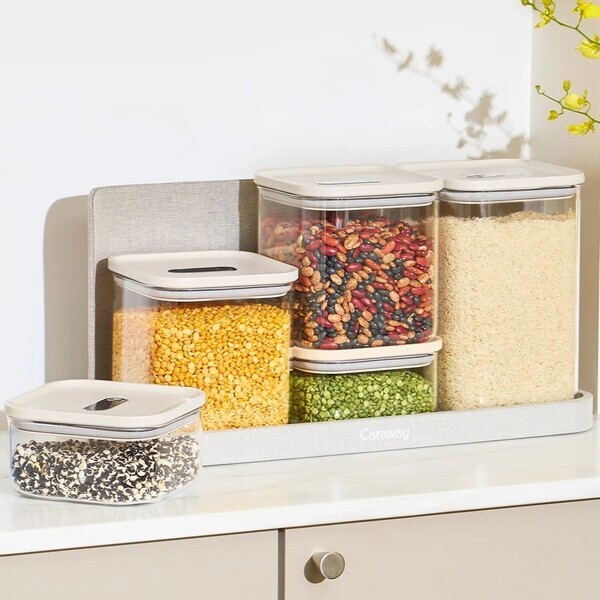
Caraway presents itself as a modern kitchenware brand for the home. Its lineup reaches across cookware, bakeware, food storage, airtight storage, kitchen tools, accessories, and bundles, which gives it a broad household feel instead of a narrow cookware-only identity. The brand also puts a lot of attention on cleaner material language, coordinated collections, pantry organization, and products that feel consistent across the kitchen.
The way Caraway talks about itself also makes that direction pretty clear. It leans into design, daily ease, and a kitchen setup that feels more put-together overall. Even when the brand is talking about cookware, it still keeps one foot in the home and lifestyle side of the category, which gives it a wider and more approachable identity.
Made In
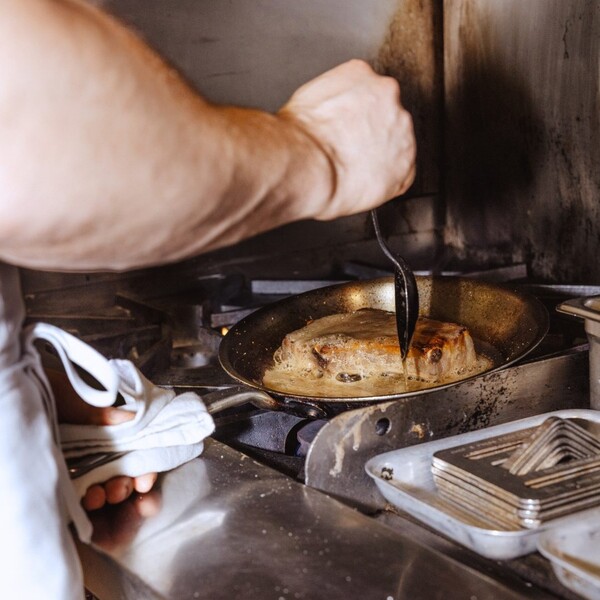
Made In presents itself as a premium kitchenware brand with a much stronger focus on cooking performance. Its range includes cookware, knives, bakeware, tabletop, accessories, and sets, though the center of gravity feels more tied to chef use, restaurant-quality standards, and serious cooking tools. The brand’s message keeps circling back to professional kitchens, raw materials, and the products chefs use.
That gives Made In a more specialized identity. It still has a wide catalog, though the overall feel is more technical and more cookware-driven. Compared side by side, Made In reads like a brand built first for cooking performance, while the other categories support that core focus.
Verdict
Caraway takes this category because its brand focus feels broader, warmer, and easier to connect with for the average home shopper. It does not just sell kitchen products. It sells a fuller kitchen experience that feels more cohesive from cookware to storage to the overall look of the space.
2. Product Range
The product range is worth looking at because it shows how much ground a brand actually covers. A wider range can make it easier to stick with one brand across different kitchen needs, while a narrower or more focused range may appeal more to shoppers who already know exactly what they want. It also says a lot about whether a brand is trying to be a full kitchen name or more of a specialist.
Caraway
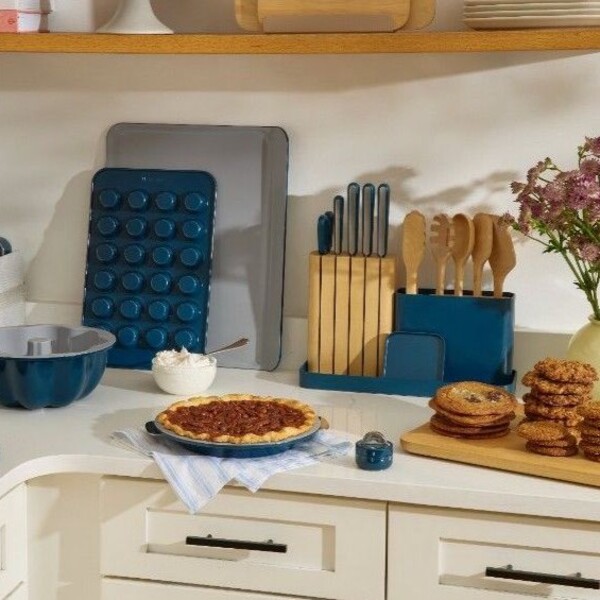
Caraway covers a wide range of kitchen categories, including cookware, bakeware, food storage, airtight storage, stainless steel cookware, enameled cast iron, kitchen tools, linens, accessories, and bundles. That gives the brand a broad home-kitchen presence and makes it easier to shop across categories without leaving the same ecosystem.
The lineup also feels built for shoppers who want matching products across the kitchen rather than one or two isolated purchases. Sets, singles, storage, and add-ons all sit under the same umbrella, which gives Caraway a more rounded range for everyday home use.
Made In
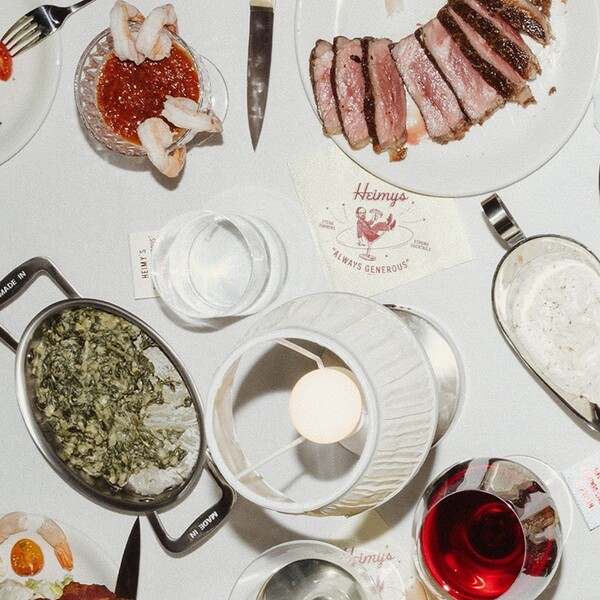
Made In also offers a broad range, with cookware, bakeware, knives, tabletop, and accessories forming the core of the catalog. Its material mix is especially deep, with stainless clad, carbon steel, CeramiClad non-stick, enameled cast iron, copper, and knife collections all playing a visible role.
The range is strong, though it feels more centered on cooking tools and tableware than on a full kitchen organization setup. Even with the wide catalog, the brand still reads as cookware first, with the other categories branching out from that main base.
Verdict
Caraway gets the edge here because its range feels more complete for the home kitchen as a whole. Made In covers a lot, though Caraway stretches more naturally from cookware into storage, organization, and other parts of daily kitchen life, which makes the lineup feel more all-around.
3. Design and Color Options
Design and color options matter because kitchen products do not just get used. They also sit out on counters, shelves, stovetops, and tables every day. The way a brand handles shape, finish, and color can make it easier to match pieces, build a consistent look, and choose products that feel right in a real home.
Caraway
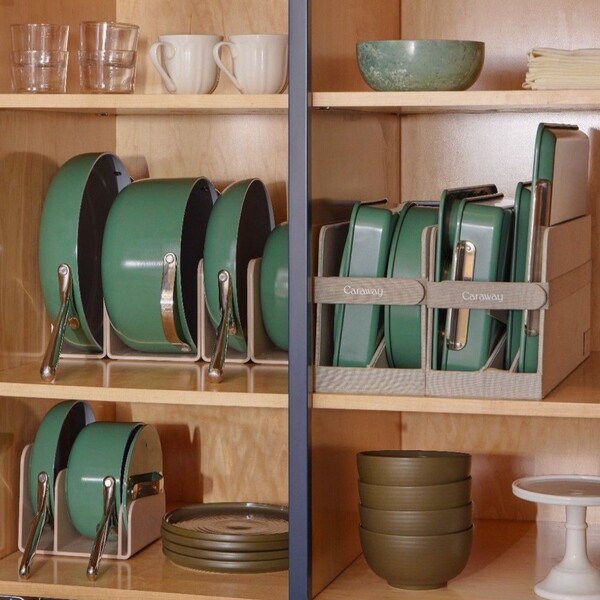
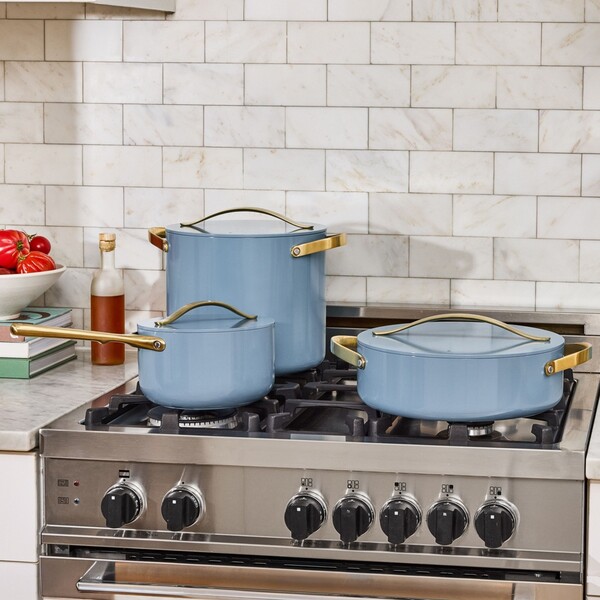
Caraway pays close attention to color and visual consistency across its lineup. The brand offers cookware and storage in shades like Cream, Sage, Gray, Mist, Navy, Periwinkle, Marigold, White, and Black, and those choices appear across multiple categories rather than being limited to one or two items. That gives the brand a more coordinated look from stovetop pieces to pantry storage.
The overall design direction feels clean, soft, and very home-friendly. The shapes are smooth, the collections look meant to sit together, and even the storage products are styled to feel like part of the kitchen instead of something to hide away. For shoppers who care about a kitchen that looks pulled together, Caraway offers more visual options.
Made In

Made In takes a more restrained approach. The brand has some finish and color variation, especially with stainless steel, graphite, antique brass details, Harbour Blue, Willow Green, Marigold Yellow, Made In Red, Antique White, and rim options in tabletop lines. Still, the visual identity leans more toward classic cookware materials and pro kitchen styling than a color-led home setup.
That gives Made In a look that feels more utility-driven. The products come across as serious and polished, though the brand does not seem as focused on building a fully matched color story across the kitchen. Shoppers can still find attractive pieces here, just in a more limited and less coordinated way.
Verdict
Caraway wins this one. It gives shoppers more color choice, a more consistent visual identity across categories, and a kitchen setup that feels easier to match from cookware to storage.
4. Materials and Cleaner Cooking Angle
Materials matter because they shape how a product is used, cared for, and understood by shoppers. They also tend to reveal what a brand wants to emphasize most, whether that is performance, ease, durability, or a cleaner cooking story. Looking at materials helps show how each brand frames its products and what priorities underlie its lineup.
Caraway
Caraway places a lot of emphasis on cleaner, more concise language across its site. Ceramic-coated cookware sits at the center of the brand, though the lineup also includes stainless steel cookware, enameled cast iron, borosilicate glass storage, and BPA-free storage lids. The brand repeatedly ties its products to lower concern around PTFE, PFOA, PFAS, BPA, BPS, and microplastics, and it also points to third-party testing as part of that message.
That gives Caraway a materials story that feels easy to understand for the average home shopper. The message is less technical and more about helping people feel better about what they are cooking with and storing for everyday use. The cleaner cooking angle is clearly one of the main ways the brand defines itself.
Made In

Made In takes a broader and more performance-led materials approach. Its product line includes stainless clad, carbon steel, CeramiClad non-stick, enameled cast iron, copper, and a wide mix of knife materials and tabletop pieces. The site talks more about raw materials, chef standards, and professional quality than about a single cleaner materials message running across the whole brand.
That gives Made In a deeper technical spread, though the overall story feels less unified from a shopper messaging standpoint. The brand clearly cares about materials, but it presents them more through the lens of cooking performance and pro use than through a cleaner kitchen angle.
Verdict
Caraway takes this category because its materials story feels clearer, more cohesive, and easier for home shoppers to connect with. The cleaner-cooking angle is more visible and central to the brand as a whole.
5. Storage and Organization Options
Storage and organization options are worth comparing because they reveal whether a brand stops at cookware or extends to how a kitchen actually functions day to day. For a lot of shoppers, the kitchen is not just about cooking. It is also about keeping food, tools, and counters in better order.
Caraway
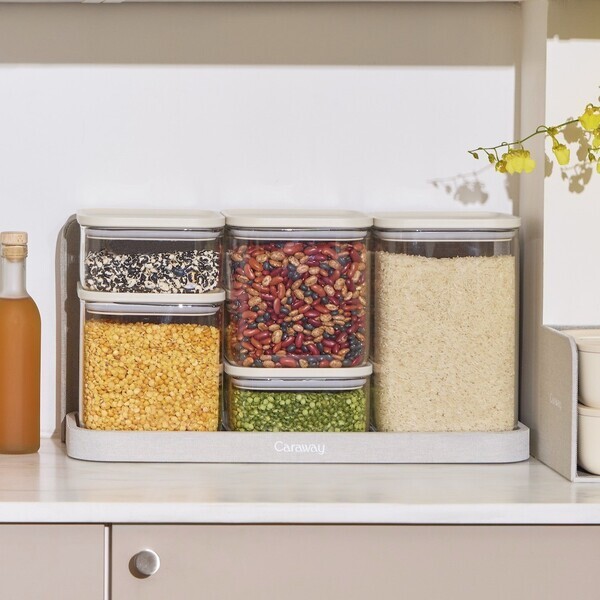
Caraway has a clear advantage in storage and organization. The brand sells food storage, airtight storage, organizers, and storage-focused bundles alongside its cookware and bakeware. Products like the Glass Airtight Storage Set and the broader pantry collection show that Caraway is trying to support not just cooking, but the way ingredients and kitchen spaces are kept in order.
That gives Caraway a more complete kitchen feel. The storage side is not tucked away as a minor extra. It is a visible part of the brand and one of the reasons the lineup feels broader and more home-centered.
Made In
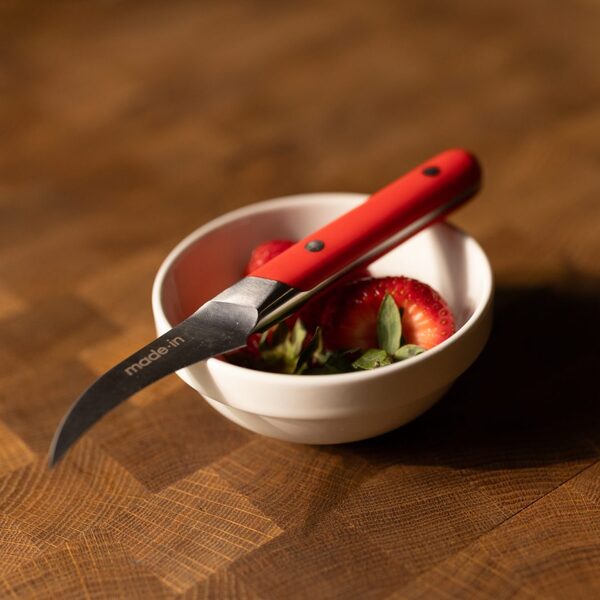
Made In has some accessories and organizational pieces, though storage is not a major part of the brand’s identity. The site is much more centered on cookware, knives, bakeware, tabletop, and related cooking tools. There are supportive extras in the catalog, but not the same pantry or storage system angle that shows up with Caraway.
That makes Made In feel more focused on cooking equipment than on kitchen organization as a whole. For shoppers mainly thinking about cookware, that may be enough. Still, the storage side is not nearly as developed here.
Verdict
Caraway wins easily in this category. It gives shoppers real storage and organization options that go well beyond cookware, making the brand feel more useful throughout the kitchen.
6. Everyday Ease
Everyday ease is worth considering because even strong products can lose appeal if they feel fussy to use or awkward to live with. This part of the comparison examines how naturally a brand fits into everyday home cooking, cleaning, storage, and day-to-day kitchen routines. Ease often matters just as much as product depth once the products are actually in use.
Caraway
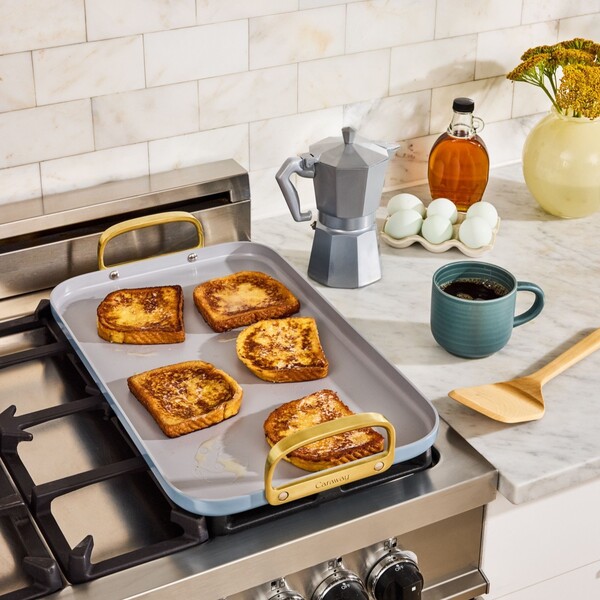
Caraway presents itself as easy to live with. The brand puts a lot of attention on organized sets, simpler daily cooking, coordinated add-ons, and home-friendly guidance around care and use. Even its cookware descriptions lean toward everyday meals, common cooking tasks, and products that fit naturally into weeknight routines and smaller kitchen decisions.
The same goes for storage. Clear containers, including accessories, and matching setups all point to a brand trying to make kitchen routines feel less cluttered and more manageable. There is a stronger sense that Caraway is built around how people use a kitchen every day, not just how they want it to perform under pressure.
Made In

Made In can absolutely work in daily use, though its message leans more toward performance and chef standards than everyday convenience. The catalog includes many practical pieces, but the overall feel is more serious and cooking-focused. That gives the brand strength, though it can also make it feel a little more specialized in tone.
For shoppers who enjoy that kind of equipment-first approach, the brand will likely feel appealing. Still, its everyday-ease story is less front and center than Caraway’s, which spends more time showing how the products fit into everyday home use.
Verdict
Caraway gets the edge here because it feels more naturally built around daily home kitchen use. The products, sets, and surrounding guidance all come across as easier to fold into an everyday routine.
7. Kitchen Setup and Coordination
Kitchen setup and coordination matter a lot because many shoppers are not buying a single piece in isolation. They are trying to build a kitchen that feels consistent, practical, and visually connected across different categories. This part of the comparison looks at how well each brand supports that kind of full setup rather than a one-off purchase.
Caraway

Caraway is very strong here. The brand clearly wants its cookware, storage, tools, and accessories to feel like parts of one connected system. Matching colors, coordinated bundles, pantry storage, organizers, add-ons, and cookware sets all help create a kitchen that fits together rather than a cabinet full of unrelated pieces.
That coordinated feel is one of the brand’s biggest strengths. A shopper can move from cookware to food storage to accessories without losing the same visual style or general product logic. It makes the whole brand feel more complete.
Made In
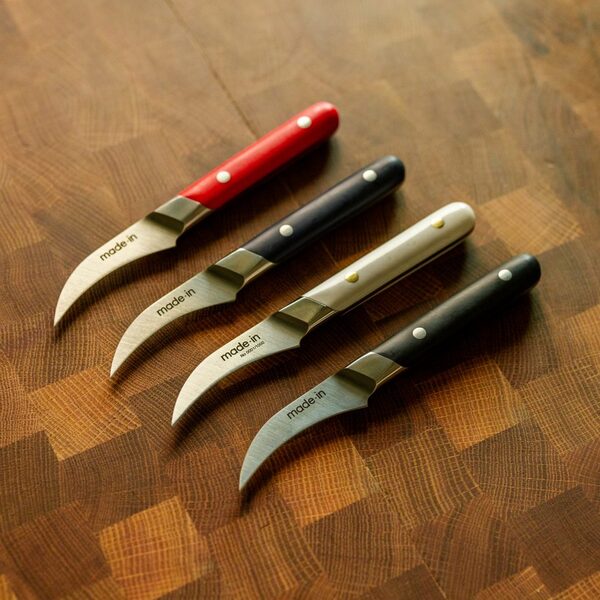
Made In has a broad catalog, and shoppers can definitely build out a serious kitchen with it. There are cookware sets, knives, tabletop items, bakeware, and accessories, so the range is there. The difference is that the brand feels more category-based than coordinated as one full home kitchen system.
That does not make the lineup weak. It just gives it a different feel. The focus is more on selecting strong individual pieces and material types than on building a visually matched kitchen across the home.
Verdict
Caraway wins this one because it feels more intentionally built as a coordinated kitchen setup. The pieces connect more naturally across categories, which gives the brand a stronger all-around identity for home use.
8. Pricing
Looking at actual price ranges helps show where each brand sits, how wide the catalog really is, and what kind of buyer each pricing structure seems built for.
Caraway

Caraway’s pricing starts in the lower hundreds for individual cookware pieces and climbs into the higher hundreds and low four figures for sets and bundles. On the cookware side, pieces like the Fry Pan are listed at $120, the Sauce Pan at $135, the Sauté Pan at $165, and the Dutch Oven at $165. Larger pieces like the Stock Pot reach $215, while full sets such as the Cookware Set sit at $445 on sale from $675, the Cookware & Minis Set at $595 from $945, and the Cookware, Cookware+ & Minis Duo Set at $1,215 from $1,670.
The storage side also adds to the range. The 13-piece Glass Airtight Container Set is listed at $275 from $375, while the 26-piece Ultimate Glass Airtight Storage Set is listed at $590 from $750. Overall, Caraway runs from about $120 for core single-cookware pieces to about $1,215 for major bundled sets in the material shared here. The value angle comes through in coordinated sets, matching collections, and a more all-in-one kitchen setup.
Made In

Made In has a wider spread in both directions, with entry pricing that can stay fairly accessible for single pieces and top end pricing that climbs much higher for full kitchen systems. Individual items like the Sheet Pan start at $19, the Wooden Spoon is $29, the 8 Inch Chef Knife is $129, and the 10-inch Stainless Clad Frying Pan is $139. From there, cookware pieces keep climbing, with products like the 5 QT Stainless Clad Saucier at $199, the Round Enameled Cast Iron Dutch Oven at $299, and the Copper Saucepan at $299.
Sets push the pricing much further. The Stainless Set 10-piece is listed at $799, the 13-piece Stainless Set at $1,199, and the Complete Kitchen bundle at $2,999 from $3,689. That puts the range in the shared material at about $19 on the low end and up to $2,999 for the biggest set. Made In clearly gives shoppers more room to buy piece by piece, though the top end can stretch well beyond Caraway once full professional style setups enter the picture.
Verdict
Caraway comes out ahead here because its pricing feels easier to follow and easier to connect to a full home kitchen setup. The range is still premium, though it stays more contained, and the brand does a better job of packaging cookware, storage, and coordinated value into prices that feel more approachable than Made In’s top end.
9. Best Fit for Different Shoppers
Best fit is one of the most useful comparison points because not every premium kitchen brand is trying to serve the same person. A brand can be strong and still feel wrong for a certain type of buyer. Looking at shopper fit helps pull the comparison back to real life and makes it easier to see who is likely to feel most at home with each brand.
Caraway
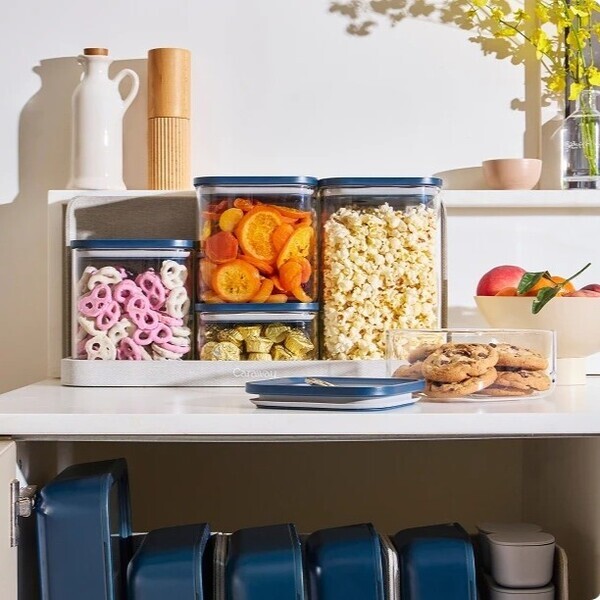
Caraway fits shoppers who want a kitchen that feels coordinated, polished, and easier to manage day to day. The brand makes sense for people who care about cookware, pantry order, cleaner material messaging, matching sets, and products that feel natural in a modern home. It also suits buyers who want the shopping process to feel straightforward rather than highly technical.
That makes Caraway especially appealing for home cooks who want products that look good, feel approachable, and work across more than one corner of the kitchen. The brand has a wider lifestyle pull, which helps it connect with a broader everyday audience.
Made In
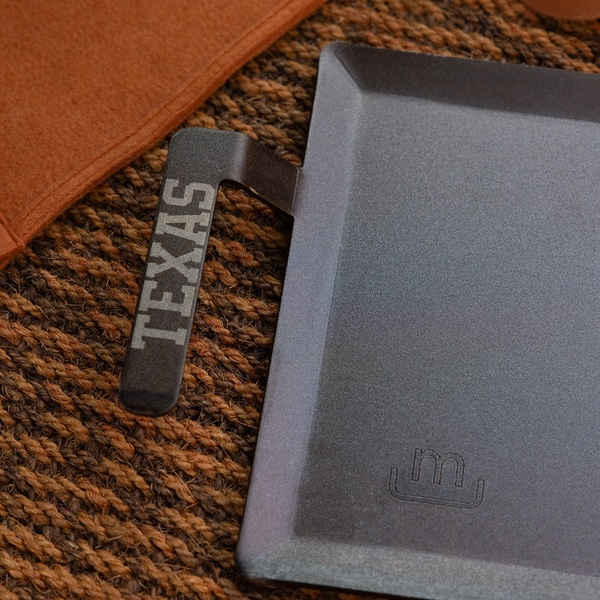
Made In fits shoppers who are drawn to cookware performance, chef-style credibility, and a more material-specific shopping mindset. The brand makes a lot of sense for people comparing stainless-clad, carbon-steel, or pro-style pans and want products that feel close to restaurant or test kitchen equipment.
That gives Made In a clear audience, though it feels somewhat narrower. The brand reads most naturally for people who are shopping with cooking performance first and the rest of the kitchen second.
Verdict
Caraway wins here because it feels like the easier fit for a wider range of shoppers. The brand is more approachable, visually cohesive, and better aligned with the needs of the average home kitchen.
Caraway vs Made In: What Do Customers Think?
Customer feedback helps fill in the parts that product pages cannot fully show on their own. It gives a better sense of what stands out once the products are in real kitchens, how people talk about them after using them, and which strengths keep coming up again and again. In this case, both brands receive strong praise, though the positive feedback tends to focus on different aspects for each.
Caraway

Caraway gets a lot of positive attention for how its products look, how easy they feel to use, and how smoothly they fit into daily kitchen life. The brand’s review page shows an overall 4.8 out of 5 stars based on 176,090 reviews, which points to a very strong response across the lineup. A lot of the praise leans toward appearance, ease of cleaning, and the feeling that the cookware is pleasant to have out in the kitchen.
People also seem to like how approachable the products feel from the start. The reviews often mention that the cookware looks beautiful, works well, and feels easy to enjoy from the start. Some of the clearest examples are “Perfect! So easy to clean!” “Looks so good and works so good” and “Good quality and packaged really well :)” Taken together, the positive feedback suggests that Caraway’s biggest strengths are visual appeal, easy cleanup, and an overall experience that feels polished and home-friendly. The quoted lines here are copied word for word from the review content you shared, with only italic styling added.
Made In

Made In draws positive feedback for different reasons, with much more attention on cooking performance, build quality, and durability. The brand’s review page shows an overall 4.8 out of 5 stars based on 158,347 reviews, and it also highlights over 100,000 five-star reviews, which gives it a very strong review profile as well. The tone of the praise feels more performance centered, with people focusing on heat response, solid construction, and long-term use.
A lot of the best feedback points to cookware that feels dependable and capable in real cooking situations. Reviewers talk about fast heating, even cooking, easy cleanup, and products that feel sturdy without being too heavy. A few quotes sum that up well, including “Great solid pans. Easy to clean, heat fast and not too heavy to handle.” “The quick and even heat cooks things very well.” and “Unbeatable quality at a fair price!” Overall, the positive response around Made In suggests that people value its performance, durability, and serious cookware feel.
Caraway vs Made In: Promotions and Discounts
A sale can shift a set from a maybe to a serious option, and bundle extras can make a bigger order feel easier to justify. Looking at Caraway and Made In side by side, both brands use discounts, though they do it a little differently.
Caraway

Caraway’s current promo window feels more structured around featured collections and coordinated sets. The clearest markdown in the material shared is the Signature Ceramic Collection at 42% off from April 16 through May 11. Beyond that, Caraway is also putting extra attention on the Organized Pantry Collection, Better Baking Trio, and On the Go Essentials, while adding an Airtight Storage Duo with a $675 purchase. That gives the brand a mix of direct savings and higher cart incentives tied to a fuller kitchen setup.
There is also a strong pattern of marked-down sets across the site. The Cookware Set is listed at $445 from $675, the Cookware & Minis Set at $595 from $945, and the Cookware, Cookware+ & Minis Duo Set at $1,215 from $1,670. On the storage side, the 13-piece Glass Airtight Container Set is listed at $275, down from $375, while the 26-piece Ultimate Glass Airtight Storage Set is $590, down from $750.
Made In
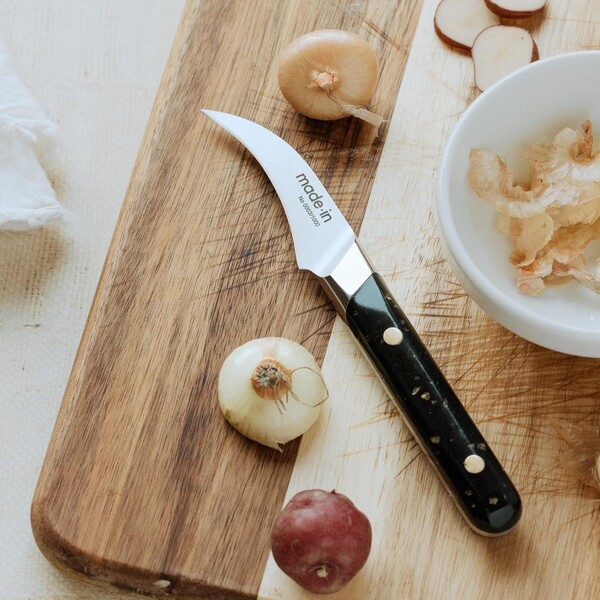
Made In also runs discounts across the site, though the structure feels more spread out across individual products, sets, and material categories. There are deals on larger cookware sets, smaller pan bundles, knives, tabletop, bakeware, and even grill gear, so the savings are not concentrated in one part of the catalog. The 10-piece Stainless Set is listed at $799 from $1,024, the 13-piece Stainless Set at $1,199 from $1,458, and the Complete Kitchen bundle at $2,999 from $3,689.
The same pattern shows up in smaller buys too. The 3-piece Stainless Clad Frying Pan Set is $299 from $417, the 7-piece CeramiClad Non Stick Cookware Set is $599 from $806, and the 3-piece Seasoned Carbon Steel Frying Pan Set is $279 from $347. That makes Made In feel more flexible for shoppers who want to buy piece by piece or jump into a full set, depending on budget.
Verdict
Caraway’s promotions feel more curated and easier to follow, especially for shoppers looking at coordinated kitchen upgrades. Made In offers shoppers more deal variety across materials and categories, which works well for shoppers looking for a specific tool or cookware type. So the better discount setup depends on how someone shops. Caraway feels cleaner and more set-driven. Made In feels broader and more item-driven.
Who Will You Shop With?
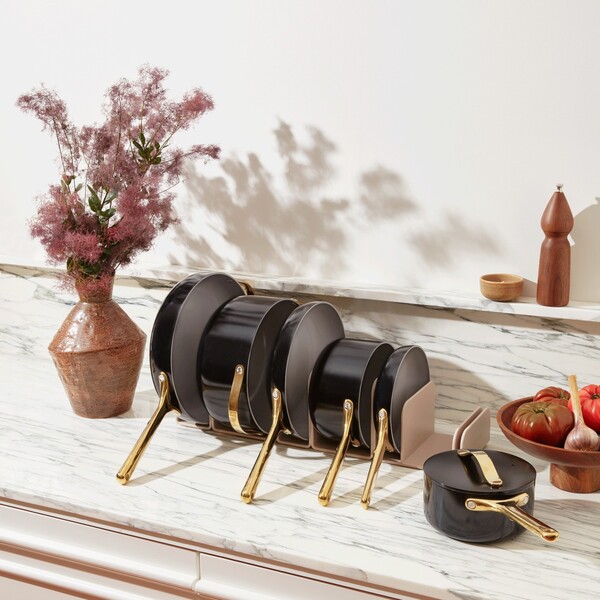
Caraway will make more sense to many home shoppers. The brand feels easier to step into, easier to picture in a real kitchen, and easier to build around if the goal is a setup that looks pulled together without feeling too technical. Cookware, storage, tools, and bundles all sit under one roof, giving the brand a more complete feel from the start. For someone who wants products that look good, feel approachable, and fit naturally into daily cooking and kitchen organization, Caraway seems like the easier choice.
On the other hand, Made In still has a strong place, especially for shoppers who care most about stainless steel, carbon steel, and a more performance-driven cookware feel. Still, taken as a whole, Caraway feels like the better fit for the broader home kitchen. It covers more of the daily experience, not just the cooking part, and that wider appeal gives it a stronger finish in this comparison.
Looking for more cookware options? Check out these great alternatives below:
Misen Cookware





Ask the community or leave a comment
WRITE A REVIEWCustomer Reviews
Leave a review