EltaMD vs La Roche-Posay: Which Sunscreen Is Better for Sensitive, Breakout-Prone Skin?

Table of Contents
About EltaMD
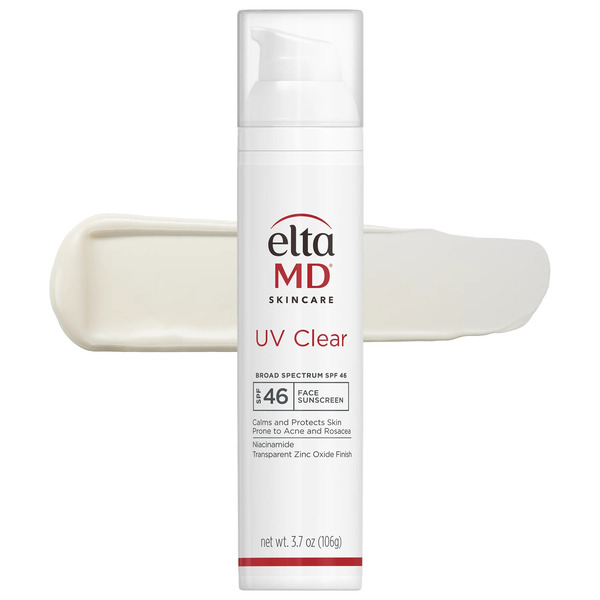
EltaMD makes professional sun and skin care centered on zinc oxide. The brand goes back to 1988, when its founders made healing skincare for hospitals and burn centers, and it added sun protection in 2007. It grew into the leading physician-dispensed sun care brand in the United States, sold through dermatologists, medical spas, and authorized retailers rather than the drugstore aisle.
Since 2017, EltaMD has been part of CP Skin Health Group, a division of Colgate-Palmolive. Its sunscreens lean on zinc oxide as the active ingredient, in two styles: mineral-based formulas that pair zinc with a chemical filter and a fully mineral line. The catalog is organized by skin concern, with separate products for acne-prone, dry, sensitive, redness-prone, and post-procedure skin, plus a Deep Tinted range made for deeper skin tones.
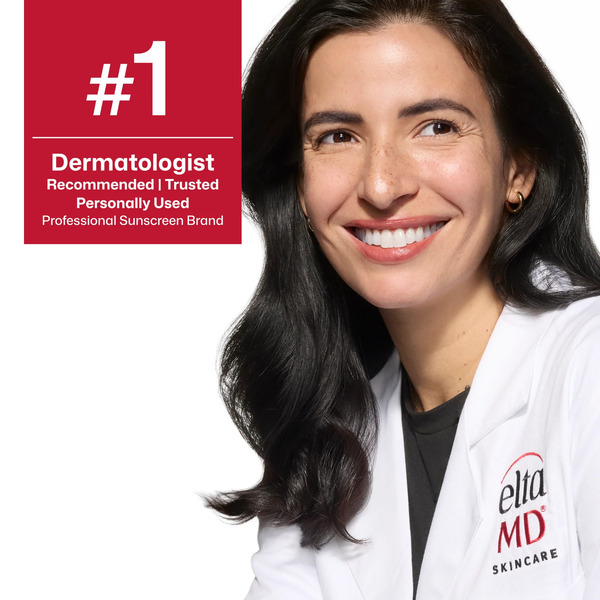
The company pairs the products with sun-safety work, including a mobile skin-cancer screening program, and markets itself as the #1 dermatologist-recommended professional sunscreen brand. Bottles generally run $43 to $52.
About La Roche-Posay
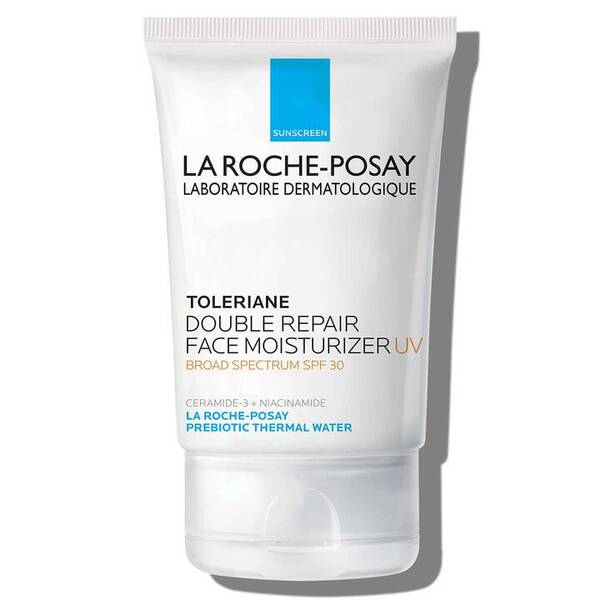
La Roche-Posay is a French dermatological brand built around the thermal spring water of the town that bears its name, in central France. That water is rich in selenium, an antioxidant the brand uses across its products. A French pharmacist started La Roche-Posay Laboratoire Dermatologique in 1975, and L’Oréal took a majority stake in 1989. Today, the brand is part of L’Oréal’s Active Cosmetics Division.
Its sunscreen line, Anthelios, is the part most shoppers know. Anthelios covers face and body, with most formulas built on chemical filters and the brand’s Cell-Ox Shield antioxidant system, alongside a smaller set of 100% mineral options. The lineup includes an oil-free option for acne-prone skin (Clear Skin Dry Touch SPF 60), a hydrating daily face sunscreen (UV Hydra SPF 50), a body sunscreen (Melt-In Milk SPF 60), and a mineral-tinted fluid sold in four shades through Deep.
La Roche-Posay sells widely through drugstores, mass retailers, and dermatologists’ offices, and it is recommended by tens of thousands of dermatologists worldwide. Face sunscreens typically run about $20 to $40.
What to Consider?
EltaMD and La Roche-Posay land on the same dermatologist shortlists, so the real choice comes down to what your skin needs and how much you want to spend. Filter type, added skincare ingredients, how a formula finishes on different skin tones, where you buy it, and price all pull in different directions. The breakdown below outlines the points that set them apart, with sensitive, breakout-prone skin in mind.
1. Formulas for Sensitive, Acne-, and Rosacea-Prone Skin
Reactive skin punishes the wrong sunscreen fast. A formula that stings, clogs pores, or triggers redness gets abandoned, and the protection goes with it. For acne-, rosacea-, and eczema-prone skin, the base ingredients and what’s left out of them carry as much weight as the SPF number.
EltaMD
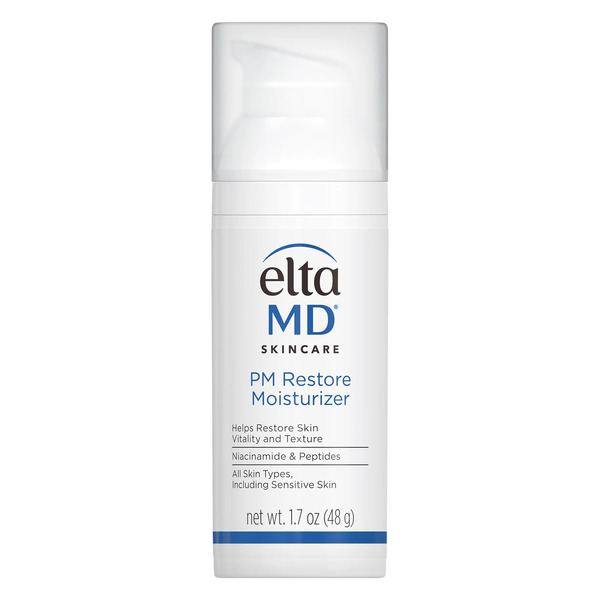
EltaMD‘s UV Clear SPF 46 is the product dermatologists reach for most with this skin type. It is oil-free, noncomedogenic, and carries 5% niacinamide to calm redness and the look of blemishes, plus hyaluronic acid and lactic acid for a smooth finish. The formula is gentle enough that clinics hand it to patients with active rosacea and to skin recovering from procedures, where irritation is not an option.
La Roche-Posay

La Roche-Posay‘s answer for breakout-prone skin is Anthelios Clear Skin Dry Touch SPF 60, an oil-free formula with a mattifying, oil-absorbing finish aimed at very oily skin. A newer Anthelios UV Clear SPF 50 adds azelaic acid to target acne. Both are solid for oil control, though the focus is on mattifying rather than calming, and the chemical filter base can be less forgiving on the most reactive or post-procedure skin.
Verdict
EltaMD takes this one. The niacinamide and the gentle, zinc-based formula make UV Clear the safer bet for rosacea, sensitivity, and post-treatment skin, which is why it shows up in so many treatment rooms. La Roche-Posay’s Clear Skin is the better pick if your main issue is heavy oil and you want a flat matte finish.
2. Mineral vs Chemical Filters
Sunscreen filters split into two camps. Mineral filters like zinc oxide and titanium dioxide sit on the skin and are usually the gentler choice for sensitive or post-procedure skin. Chemical filters absorb UV and tend to feel lighter and more invisible. Plenty of people do fine with either, but reactive skin and recent procedures often steer toward mineral.
EltaMD

Zinc oxide is the foundation of the whole EltaMD range. The mineral-based formulas pair zinc with a chemical filter for a lighter feel, and the fully mineral options, such as UV AOX Elements, UV Physical, and UV Skin Recovery, drop chemical filters entirely. Anyone who wants or needs zinc has several EltaMD products to pick from.
La Roche-Posay
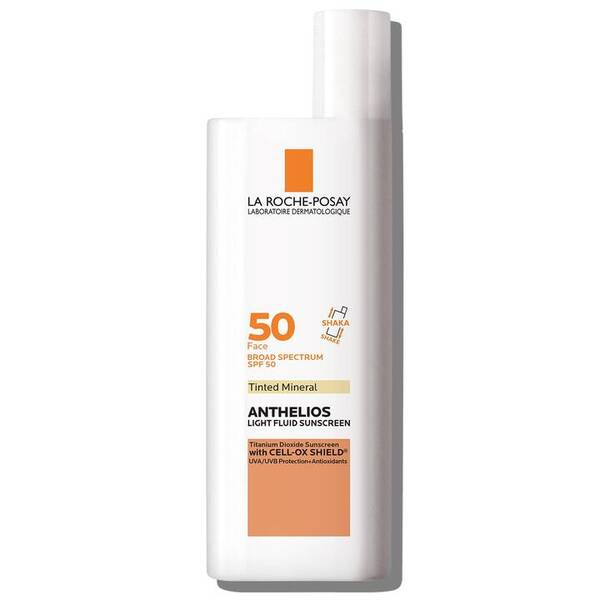
Most of the US Anthelios lineup is chemical, built on filters like avobenzone, homosalate, and octisalate under the Cell-Ox Shield system, which is part of why those formulas feel so light. The brand does make 100% mineral options, including the Mineral Tinted fluid and a Mineral Gentle Lotion, but they are a smaller slice of the range than EltaMD’s mineral selection.
Verdict
EltaMD is the clear choice for a mineral or zinc-focused buyer. The whole catalog is built around zinc oxide, with real, fully mineral options across several skin concerns. La Roche-Posay’s chemical formulas are genuinely elegant, but the mineral picks are fewer.
3. Added Skincare Benefits
A daily sunscreen is also an opportunity to treat the skin, and both brands load their formulas with more than just UV filters. The question is how targeted those extras are to a specific concern.
EltaMD

EltaMD tends to build each formula around a concern. UV Clear’s 5% niacinamide targets redness and blemishes, UV Skin Recovery uses calming ingredients for compromised skin; and the Red Color-Correcting version neutralizes visible redness while it protects. The actives line up with who the product is for.
La Roche-Posay
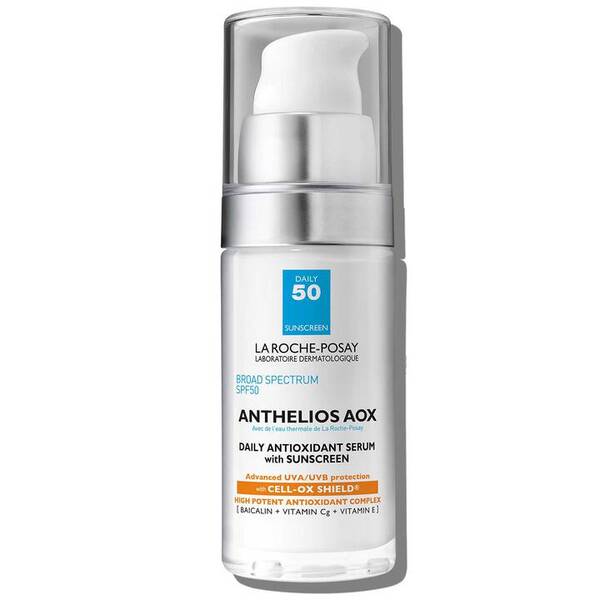
La Roche-Posay leans on its antioxidant story. Cell-Ox Shield adds antioxidant defense across the Anthelios line; the selenium-rich thermal water aims to soothe, and newer formulas like UV Tone fold in niacinamide for discoloration. The extras are real, though they are spread more evenly across the range than tied to one concern at a time.
Verdict
EltaMD takes a narrow lead. When a specific active line up with a specific skin problem, like niacinamide for rosacea or a green tint for redness, the benefit is easier to shop for. La Roche-Posay’s antioxidant system and thermal water are a real strength, so this one is close.
4. Tinted Options and Deeper Skin Tones
Untinted mineral sunscreen is the classic source of a gray or ashy cast on medium and deep skin, which is why iron-oxide tints have become the fix. A good tint also helps with discoloration and adds a light, makeup-like finish.
EltaMD
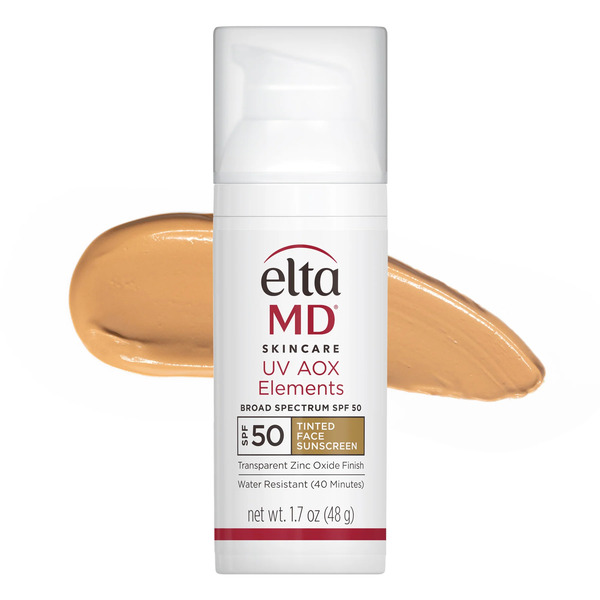
EltaMD‘s Deep Tinted line, including UV Clear SPF 46 and UV Daily SPF 40, was developed and tested specifically for deeper skin tones, with a transparent zinc oxide finish that blends rather than chalks up. It keeps the niacinamide and oil-free base of the standard UV Clear, so deeper complexions get the same skin benefits without the cast.
La Roche-Posay
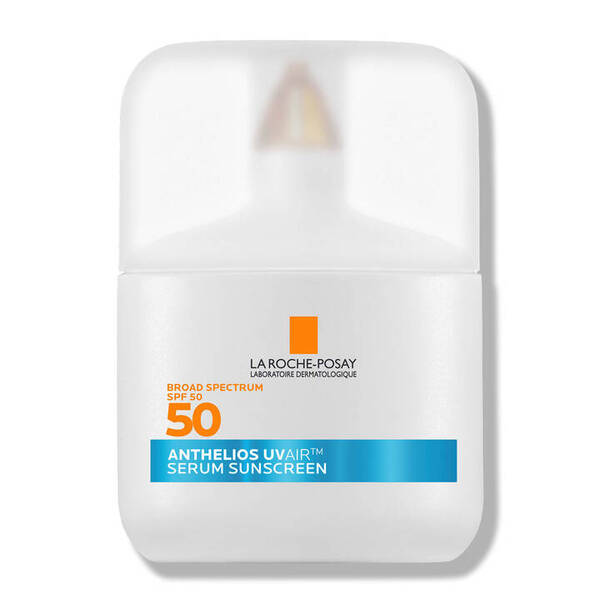
La Roche-Posay‘s Anthelios Mineral Tinted fluid uses iron oxides and comes in four shades: Tinted, Medium, Medium-Deep, and Deep. That shade range is a genuine advantage for matching a specific complexion, and reviewers with medium and deep skin generally report a clean, no-cast finish.
Verdict
EltaMD edges this, but honestly. The Deep Tinted formulas were engineered and tested for deep skin tones and carry the treatment benefits of UV Clear, which gives them the edge for breakout-prone deep skin. La Roche-Posay’s four-shade range is the better option if precise shade-matching is your priority.
5. Dermatologist Trust and Where You Buy It
A dermatologist endorsement sits on each label, but the two reach you in different ways, and that changes how much guidance comes with the purchase.
EltaMD
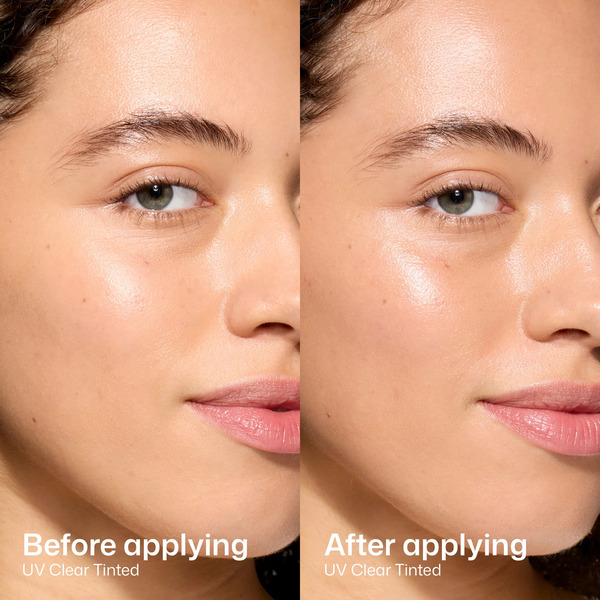
EltaMD is the #1 dermatologist-recommended professional sunscreen brand, available through dermatology offices, medical spas, and authorized retailers. A lot of buyers meet it on a provider’s recommendation, matched to their skin in the office, which is a different experience from grabbing a bottle off a shelf.
La Roche-Posay
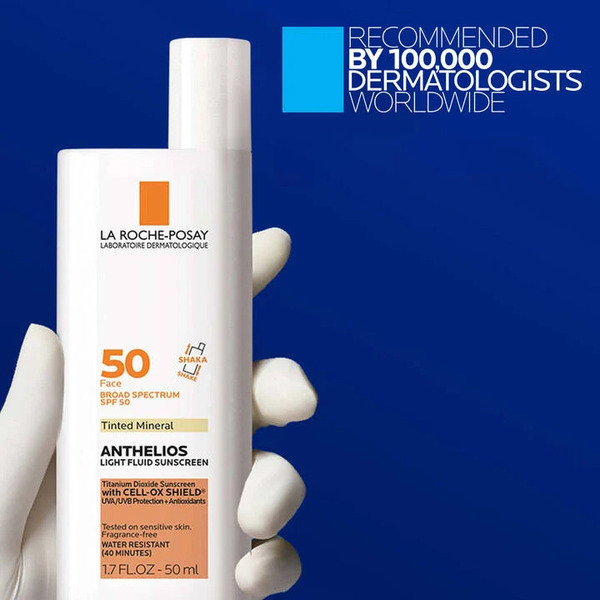
La Roche-Posay is recommended by tens of thousands of dermatologists worldwide and carries strong clinical credibility too. Its model is mass reach, sold in nearly every drugstore and big-box store, which makes it easy to buy but usually without the in-person matching that comes through a professional channel.
Verdict
EltaMD wins for the buyer who values the professional channel and concern-matched guidance. La Roche-Posay’s reach is its own kind of advantage, which carries straight into the next point.
6. Price
Sunscreen only protects when you use enough and reapply, so the real cost is less about the sticker and more about what each bottle does for your skin and how often you reach for it. A cheap sunscreen that sits in a drawer protects no one, and a pricier one that gets used daily can be the better deal.
EltaMD
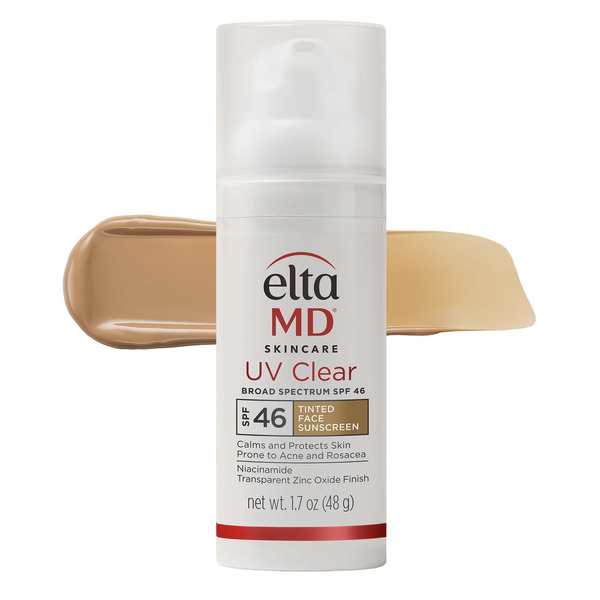
EltaMD runs $43 to $52 a bottle, and the price buys treatment-grade actives, like the 5% niacinamide in UV Clear, in a formula matched to a specific skin concern. For sensitive or breakout-prone skin, that often replaces a separate redness or barrier product, so one bottle does two jobs. Free samples come with orders, Subscribe & Save trims 10% off refills, and the brand runs deep promotions like the current 50% off its Deep Tinted line, all of which lower the real cost per use.
La Roche-Posay
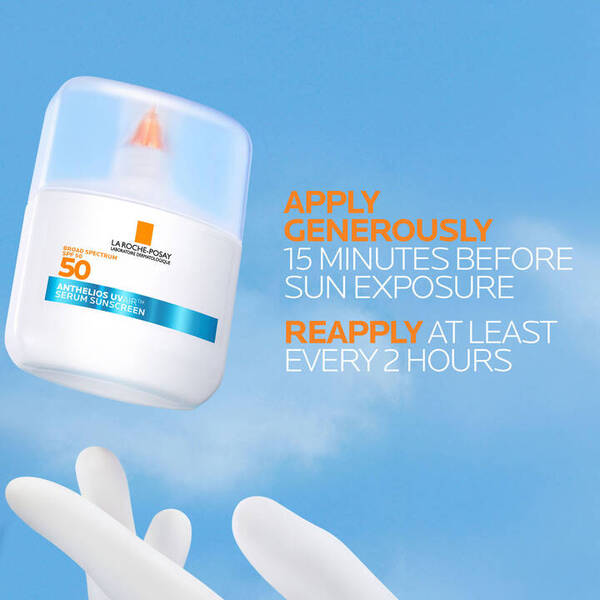
La Roche-Posay is cheaper upfront. Anthelios Clear Skin SPF 60 runs around $20, roughly two-thirds the price per ounce of EltaMD’s UV Clear, and it sells at Target, Walmart, CVS, and most drugstores, so restocking is easy. The lower price makes generous daily application easier on a tight budget, though the formulas are built more for protection and oil control than for treating a specific concern.
Verdict
EltaMD takes it on value for its intended buyer. The higher price comes with concern-specific actives, daily wearability that gets the bottle used, and samples plus subscription savings that soften the cost. La Roche-Posay is the better call if the lowest upfront price is all that counts, but for sensitive, breakout-prone skin, EltaMD does more per bottle.
EltaMD vs La Roche-Posay: What Do Customers Think?
EltaMD
EltaMD draws a loyal following in skincare communities, especially for UV Clear, where the recurring praise is for a sunscreen that disappears on the skin and does not trigger reactions. One Reddit user with oily, sensitive skin put it this way:
“EltaMD is the only skin care product I consider perfect enough to call holy grail. I’m fairly oily with some sensitivity to random ingredients. Elta just disappears into my skin; matte finish with light but adequate moisturizing, no sensitivity at all.”
The most common complaint is the price relative to how fast a bottle goes. In a thread weighing whether to buy, one commenter was blunt:
“It’s nice enough but if you actually use enough and apply often enough you’ll be going through so many bottles of it a year.”
La Roche-Posay
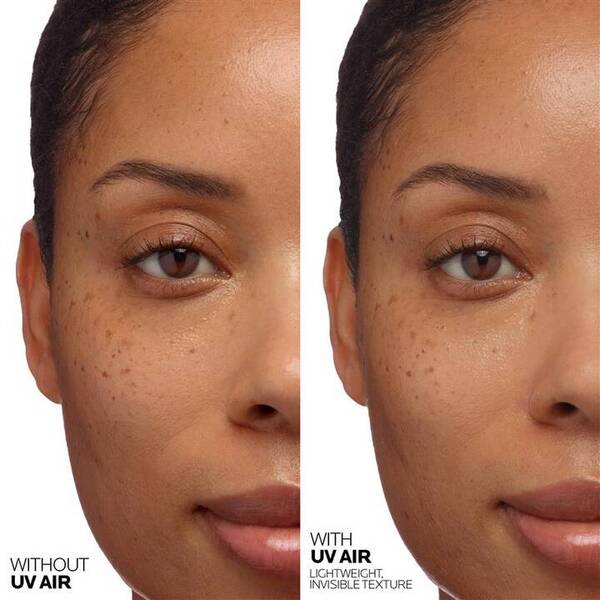
La Roche-Posay’s Anthelios Mineral Tinted holds about 4.6 out of 5 across 500-plus reviews on Influenster, with users praising the light, makeup-like finish and the lack of breakouts. One reviewer wrote:
“It doesn’t feel greasy, my skin doesn’t have any breakouts after using it, is perfect for work days!!!”
The tint earns repeat praise for doubling as light coverage, though some want more options. As one four-star review noted:
“This is a great sunscreen when you want to look more put together as if you’re wearing makeup. Coverage is great, I would like to see more shade ranges.”
EltaMD vs La Roche-Posay: Promotions and Discounts
Neither label asks you to pay full price for long, though they discount through different channels. One leans on its own site, the other on the stores that carry it.
EltaMD
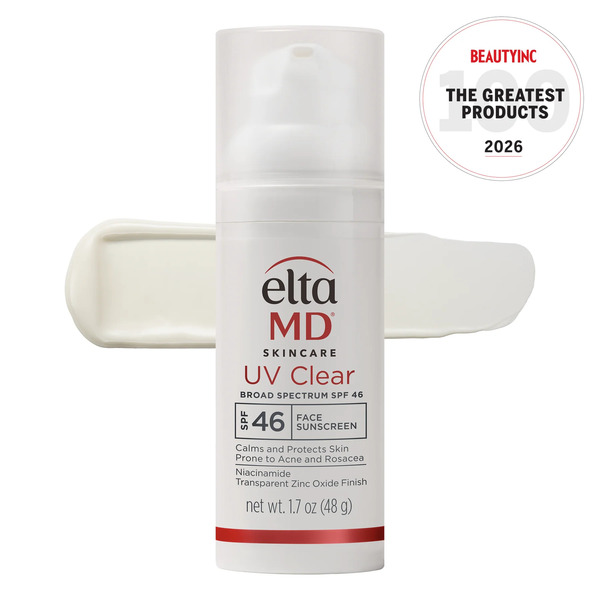
- A limited-time 50% off on the Deep Tinted UV Clear SPF 46 and UV Daily SPF 40.
- Subscribe & Save, which takes 10% off recurring orders.
- The Sunny Day Rewards loyalty program.
- Free shipping on orders over $75, with free samples included.
- Prime Day deals on EltaMD products through Amazon during the event.
La Roche-Posay
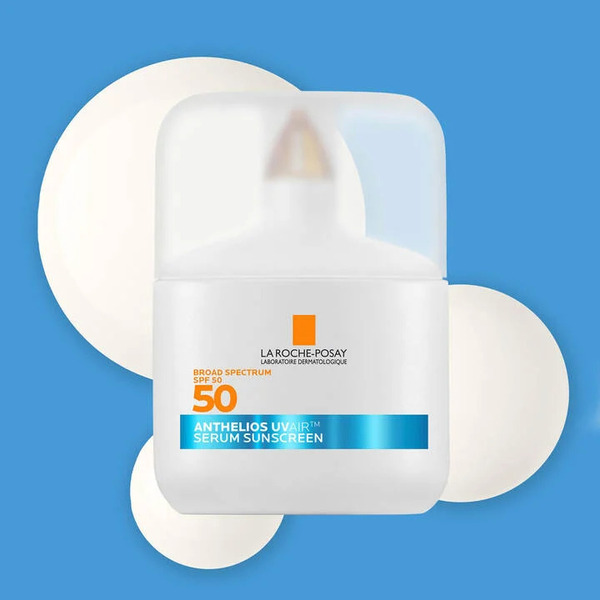
- Frequent retailer sales and gift-with-purchase sets at Ulta, Target, and others.
- A loyalty program on laroche-posay.us with points and member offers.
- Auto-replenish subscriptions on the brand site.
- Manufacturer coupons and drugstore promotions through CVS and Walgreens.
Verdict
EltaMD has deeper direct offers right now, between the 50%-off Deep Tinted promo and Subscribe & Save on its own site. La Roche-Posay leans on retailer sales instead, though its everyday low price means there is less of a gap to close in the first place.
EltaMD vs La Roche-Posay: Shipping and Returns
How each brand gets the product to you, and takes it back, depends mostly on where it sells.
EltaMD
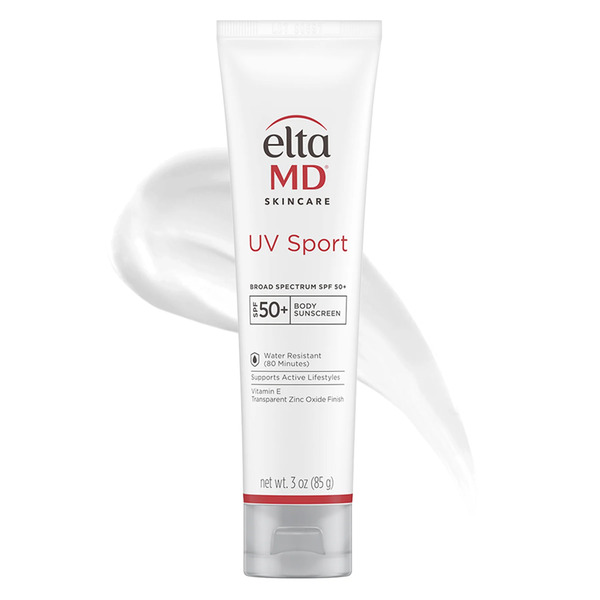
EltaMD ships from its own site, offering free shipping on orders over $75 and free samples tucked into each order, plus a 90-day replacement policy for defective products. Buyers can also order through authorized retailers like Dermstore and Amazon, each with its own return terms.
La Roche-Posay
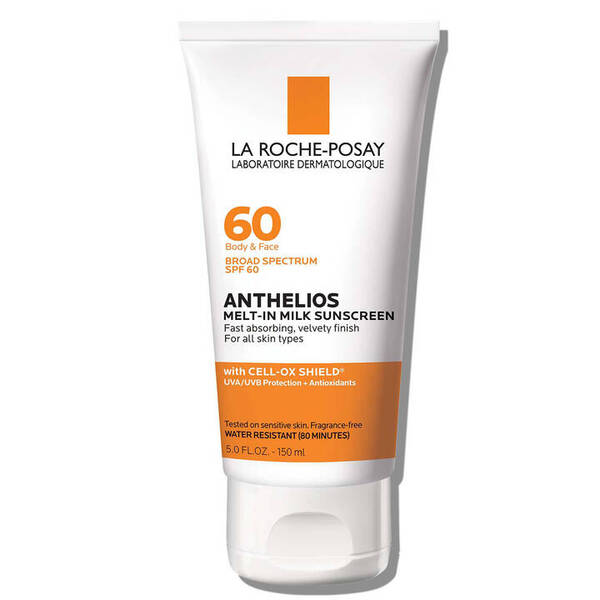
La Roche-Posay ships from laroche-posay.us and is stocked in nearly every major retailer, so returns can happen locally at a drugstore or big-box store rather than by mail. The brand site carries standard return terms, and the sheer number of stockists makes exchanges convenient.
Verdict
EltaMD edges it on the brand-direct experience, thanks to free samples and a clear defective-product policy. La Roche-Posay’s advantage is the ability to buy and return almost anywhere, which some shoppers will value more.
Who Will You Shop With?
For sensitive, acne-, and rosacea-prone skin, EltaMD is the stronger choice. The zinc-based formulas, the niacinamide in UV Clear, the fully mineral options, and a Deep Tinted line built and tested for deeper skin tones all point at the same buyer: someone whose skin reacts to the wrong product and wants protection that calms rather than irritates. The dermatologist channel adds a layer of guidance that a drugstore shelf can’t.
That professional backing is the real safety net. A provider who matches an EltaMD formula to your skin lowers the odds of a bad reaction, and the concern-by-concern range means there is usually a product made for your exact issue, whether that is redness, post-procedure recovery, or breakouts.
If your skin tolerates chemical filters and your priorities are price, easy restocking, and a light invisible finish, Anthelios is an excellent value and available almost everywhere.
For skin that flares at the wrong sunscreen, though, EltaMD is the one worth paying up for, and the kind of protection you will actually keep wearing every day.
Looking for other amazing skincare brands? Here are a few others we suggest:




Ask the community or leave a comment
WRITE A REVIEWCustomer Reviews
Leave a review