HP All-In Plan vs Epson ReadyPrint: Which Plan Makes More Sense for Me?

Printing has always been one of those tasks I never wanted to think too much about, until I had to. Between buying new cartridges, keeping paper stocked, and dealing with setup headaches, it often felt like more trouble than it was worth. That’s why the idea of subscription print plans stood out to me. Instead of juggling supplies and unexpected costs, you sign up once and let the service handle the rest.
Two of the biggest names in this space are HP with its HP All-In Plan and Epson with its ReadyPrint program. Both aim to take the stress out of printing, but they go about it in very different ways.
I’ve spent some time looking closely at what each brand brings to the table, how they price their plans, what kind of support they offer, and what the day-to-day experience is actually like. Here’s what I found when I stacked them side by side.
Table of Contents
About HP
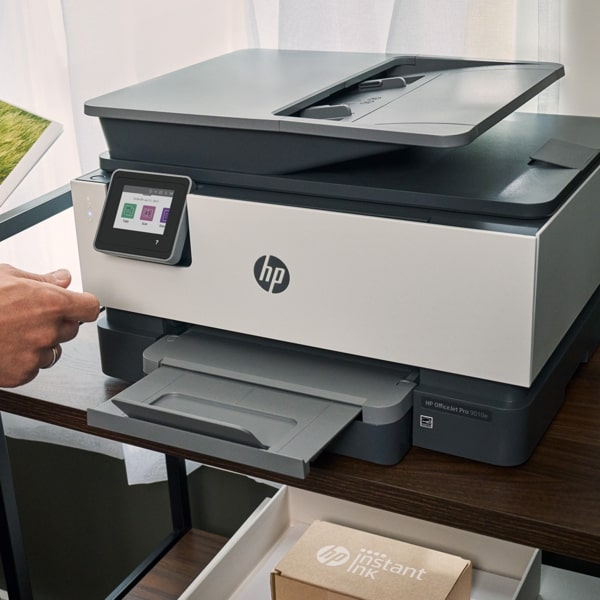
HP has long been recognized as a global leader in personal computing and printing solutions. Founded in 1939, the company has evolved from a small garage startup into a trusted name in technology, serving individuals, families, and businesses around the world. Today, HP continues to push boundaries with its mix of hardware, software, and subscription services designed to simplify everyday work and life.
One of the company’s more recent innovations is the HP All-In Plan, which reimagines how people access printers and supplies. Instead of buying a printer outright and worrying about ink, users can subscribe to a plan that bundles the hardware, ink replenishment, and support into one predictable monthly payment. This approach reflects HP’s broader mission: to create technology that makes life easier and more sustainable. With a focus on reliability, convenience, and adaptability, HP positions itself as a brand that understands how printing fits into the rhythm of both home and office life.
About Epson
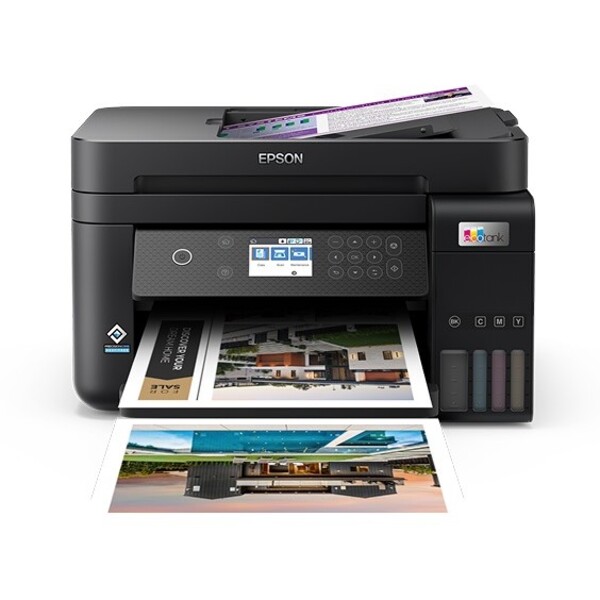
Epson, a Japanese company established in 1942, has built a reputation for precision-driven technology, particularly in printing, imaging, and projection. Known for its commitment to efficiency and eco-conscious solutions, Epson designs products that balance innovation with environmental responsibility. Its range spans printers, projectors, scanners, and robotics, making it a versatile name in tech.
The company’s ReadyPrint program builds on its EcoTank printer line, offering subscription-based access to a device and ongoing ink replenishment. Customers pay a flat monthly fee and benefit from features like unlimited color printing and automatic supply shipments. This service highlights Epson’s mission to provide cost-effective, worry-free printing, while reinforcing its identity as a brand that blends engineering expertise with sustainable practices.
What to Consider?
Subscription printing services can seem almost identical on the surface, but the real value becomes clear once you look at how each plan handles important details. Factors like contract terms, delivery process, customer support, and extra perks make a big difference in the day-to-day experience. Below, I’ll break down key aspects that help show how HP All-In Plan and Epson ReadyPrint compare.
1. Printer Flexibility
When I was looking into subscription plans, one thing stood out: not all printers are created equal. Some people like traditional inkjets for occasional printing, while others need a tank printer for heavy use. How flexible a plan is in supporting different printer types can really affect your experience.
HP All-In Plan
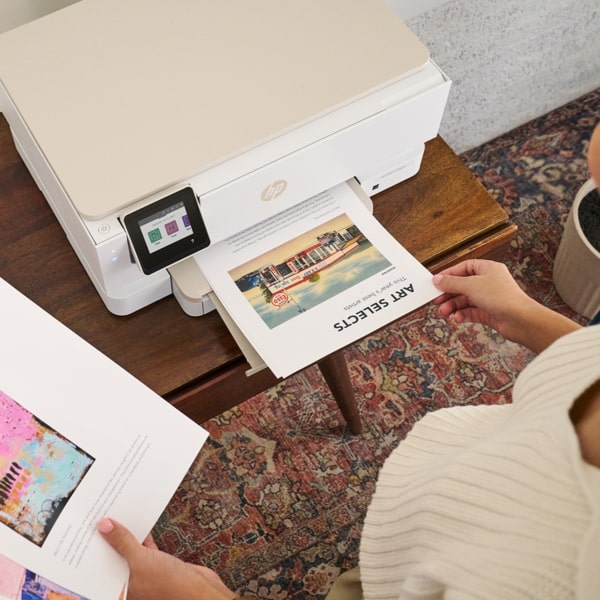
The HP All-In Plan lets you choose between inkjet or tank printers. I liked that because it means I could pick what works best for me—occasional home printing with cartridges or bulk printing with a tank model. Having both options just makes the whole subscription feel a lot more adaptable.
Epson ReadyPrint
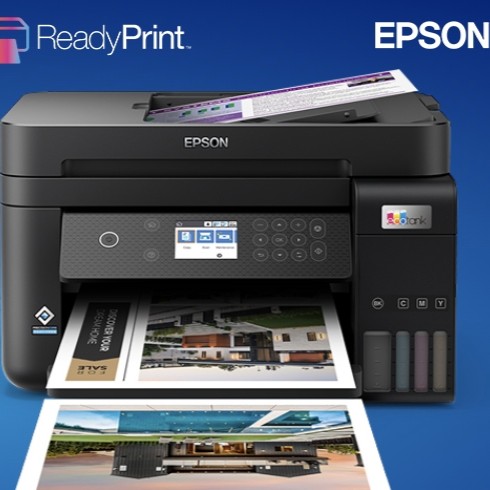
Epson ReadyPrint only works with EcoTank printers. They’re great if you print a lot and care about reducing waste, but you don’t get the option to use a regular inkjet. If you already have a cartridge printer or just prefer inkjets, that’s a hard limit.
Verdict
Flexibility wins here. The HP All-In Plan gives you real choice, so you can pick the printer that fits your habits.
2. Contract Flexibility
When I first started looking at subscription print services, one of my biggest questions was how much freedom I’d have if my needs changed. Printing isn’t always predictable—some months I go through stacks of pages, and other months I barely print at all.
HP All-In Plan

With the HP All-In Plan, I liked that it runs on a simple month-to-month basis. If I need to scale up or down, I can do it without being tied to a long agreement. That flexibility takes a lot of pressure off, because I don’t feel like I’m locked into something I might outgrow.
Epson ReadyPrint
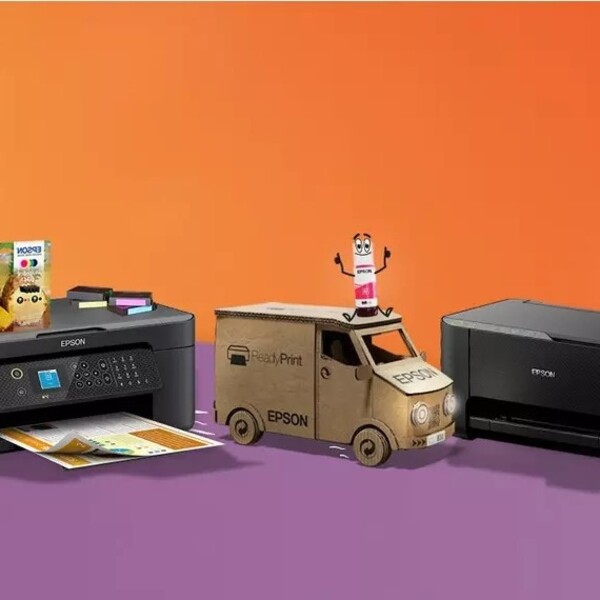
Epson ReadyPrint requires a two-year commitment for its unlimited printing plans. While subscribers may have options to pause shipments or make adjustments, these changes are limited during the first two years. For me, that still feels like a big ask, as committing to two years of something—especially something as unpredictable as printing—limits flexibility compared to other plans.
Verdict
The HP All-In Plan clearly came out ahead for me. Having the ability to adjust or cancel whenever I need to makes the whole subscription feel more customer-friendly, while Epson’s two-year lock-in felt a little too rigid for my taste.
3. Pricing Transparency
Cost is usually the deciding factor, so I took time to break down exactly what each brand charges and what I’d get in return.
HP All-In Plan
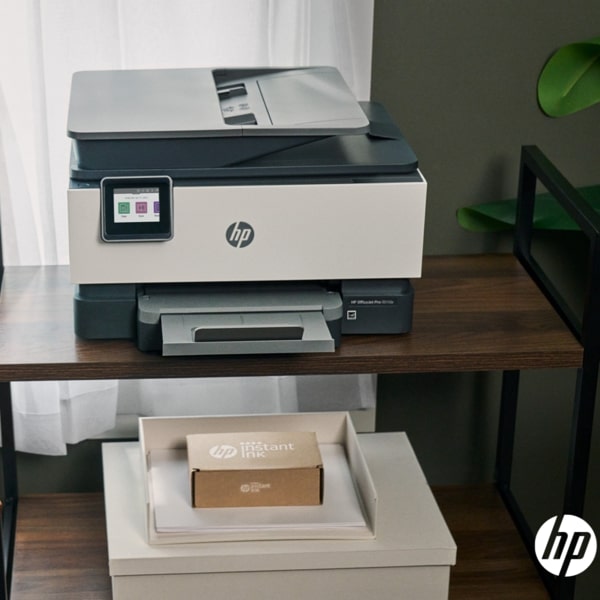
HP All-In Plan pricing is based on print volume, which makes it easy to choose a plan that fits without overpaying. Plans start at $7.99 per month for light printing, making it a good option for occasional home use. For moderate printing, the plan for 100 pages/month costs $12.99 per month, which is what I went with. Higher-volume plans are available for those who print a lot each month, letting users scale up without switching services. Adding the paper plan costs just a few extra dollars, so ink and paper both arrive when needed. The price includes the printer (in my case, HP OfficeJet Pro), automatic ink shipments, and full service coverage. Moving to a higher or lower tier is easy if printing needs change. That kind of flexibility makes the plan feel predictable and fair.
Epson ReadyPrint
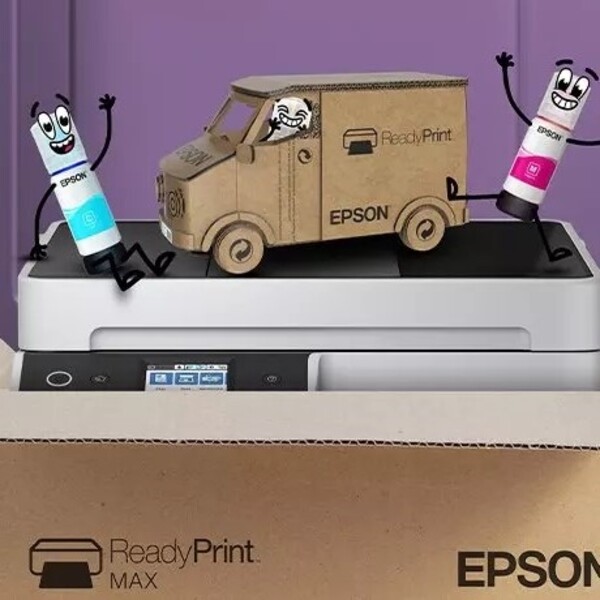
Epson’s subscription starts at $14.99 per month for the EcoTank ET-2980U printer. Higher-tier plans include $19.99 for the ET-3850U, $39.99 for the ET-5850U, and $54.99 for the wide-format ET-16650U. While the fee covers unlimited color printing, each printer has a functional monthly limit between 2,000 and 8,300 pages. The bigger catch is the required two-year commitment, which locks customers into the same rate even if their needs change.
Verdict
HP All-In Plan comes out ahead thanks to its lower entry price and flexible structure. My $12.99 Moderate Plan with the OfficeJet Pro and added paper plan is cheaper than Epson’s starting tier, and I can adjust it anytime. Epson’s flat fees look straightforward but come with higher costs and a long contract that doesn’t adapt well to shifting usage.
4. Supply Management
Running out of supplies at the wrong time is one of those things that can completely throw off a workday. So, I paid close attention to how each service handles replenishment.
HP All-In Plan
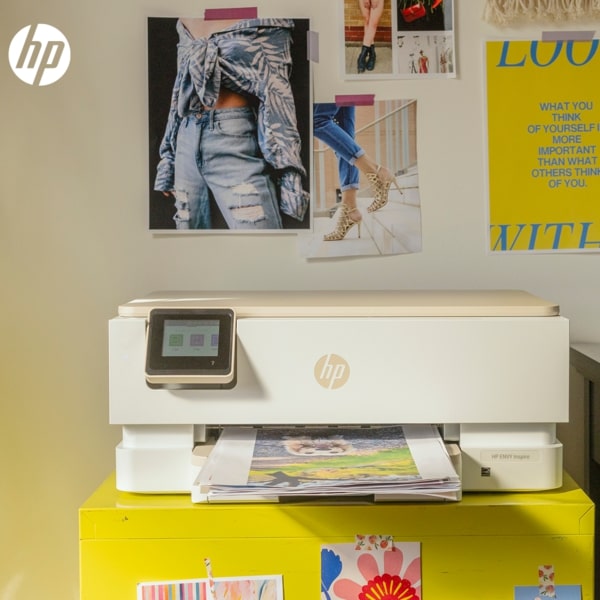
With HP, the printer tracks ink levels and automatically orders replacements before I ever run out. If I opt into the paper plan, paper shows up alongside the ink in one shipment. Having both arrive together felt surprisingly convenient because I didn’t have to think about juggling two separate supplies. It’s essentially a set-and-forget system that keeps me from scrambling during busy weeks.
Epson ReadyPrint
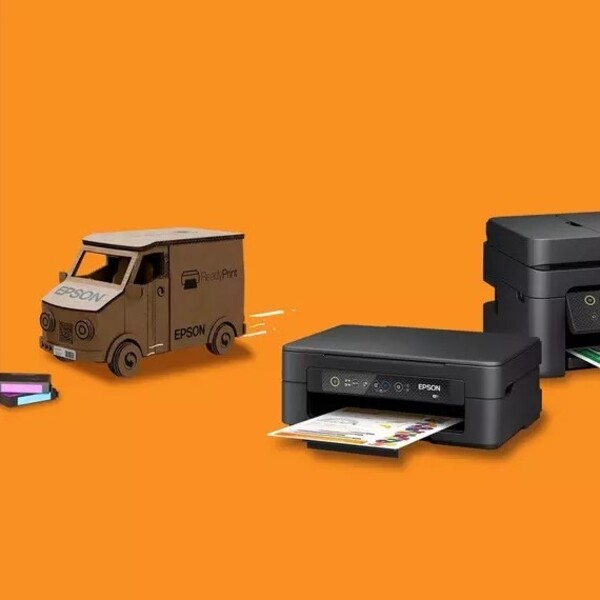
Epson also offers automatic ink delivery, which is helpful. The catch is that paper isn’t part of the deal… you’re still responsible for keeping that stocked yourself. It might sound like a small detail, but when deadlines are tight, one missing ream of paper can be just as disruptive as running out of ink.
Verdict
For me, HP wins here. Bundling ink and paper into the same subscription gives me a complete solution instead of leaving half the responsibility on my shoulders.
5. Support and Service
No matter how reliable the printer is, I always ask myself: What happens when something goes wrong? That’s where customer service really proves its value.
HP All-In Plan
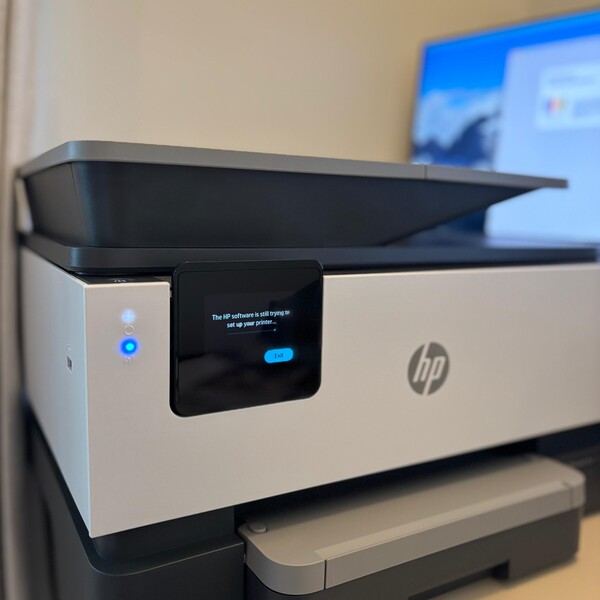
With HP, the experience starts strong right from delivery. The printer, ink, and even paper (if you add the paper plan) arrive quickly in one package, so there’s no waiting around for missing pieces. I found the setup smooth — the ink was simple to install, and the printer was ready in minutes. Beyond the hardware, HP’s service really stands out: subscribers get 24/7 support, and if a problem can’t be fixed remotely, a replacement printer is shipped as soon as the next business day. That means minimal downtime and far less stress if something goes wrong.
Epson ReadyPrint
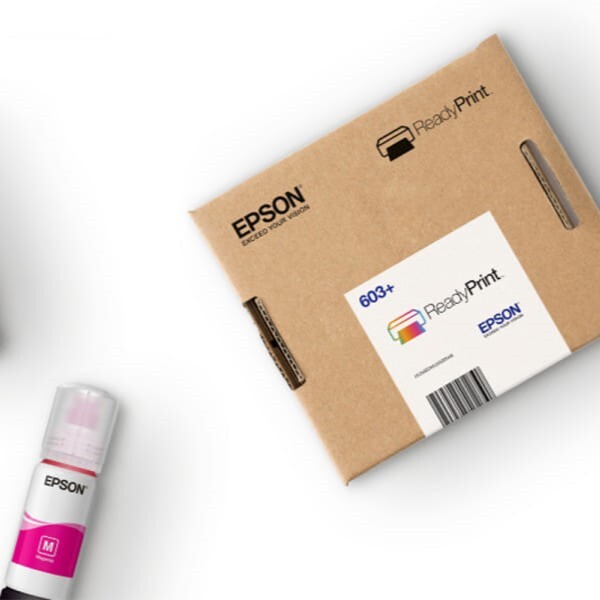
Epson ships the printer and ink to get you started, and support is available during the week. Replacement coverage is included in the plan, but hours are limited to Monday through Friday, 7 a.m. to 4 p.m. PST. This could leave you waiting longer if an issue crops up outside of business hours.
Verdict
HP All-In Plan clearly provides more reassurance. Fast shipping of everything you need, round-the-clock support, and next-day replacement combine to create a reliable service that keeps you printing without interruptions.
6. Technology and App Experience
The printer itself is only part of the subscription. How easy it is to manage the plan makes just as much of a difference.
HP All-In Plan
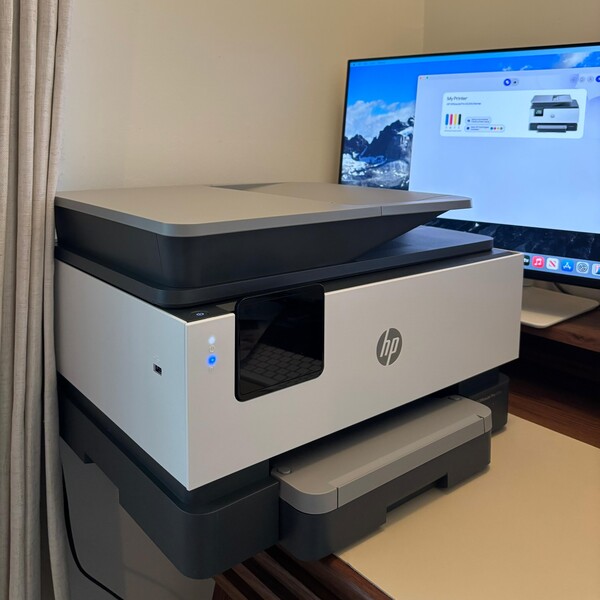
The HP App makes the entire process feel effortless. Using the guided setup, I had the printer connected in just a few minutes. From the app, I can see everything in one place: ink levels, paper supply, billing, and plan details. It also doubles as a hub for managing print jobs and accessing customer support. Having all of this integrated into a single interface means there’s no guesswork. I always know where my plan and supplies stand.
Epson ReadyPrint
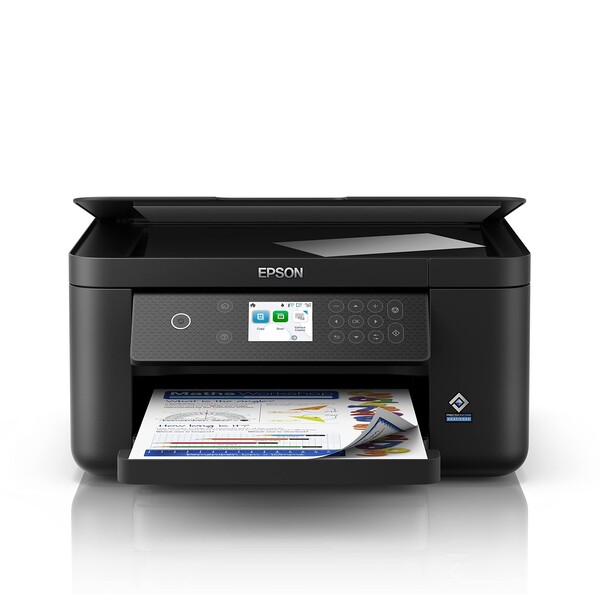
Epson also offers app support that lets you send print jobs and check on ink levels. While it works well for basic functions, it doesn’t provide the same step-by-step setup or consolidated view of subscription details that HP offers. Managing the service often means switching between different tools or relying on email notifications.
Verdict
HP All-In Plan delivers a more polished and complete app experience. By combining setup, plan management, supply tracking, and support into one platform, it saves time and makes the service feel truly seamless.
7. Sustainability Efforts
Eco-friendly practices are something I look for in any long-term subscription, especially when printing can generate waste.
HP All-In Plan
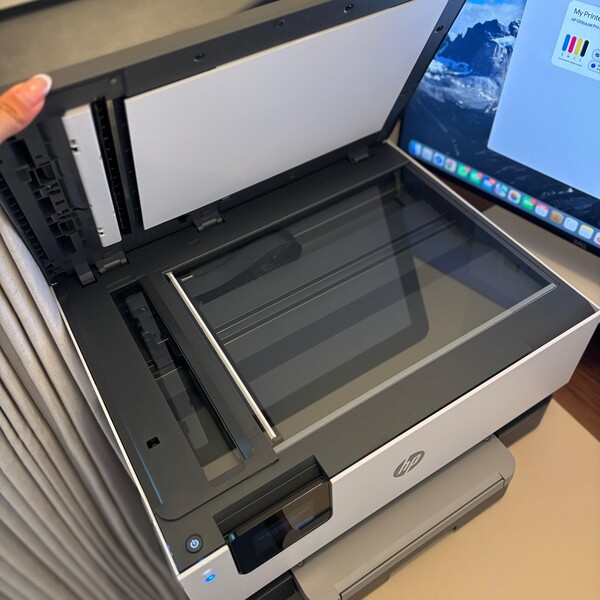
HP makes recycling part of the package. When I’m done with ink cartridges, I can return them directly through the program, and they even offer printer recycling. The fact that it’s tied into the subscription means I don’t have to go out of my way to be eco-conscious. It’s just built into the process.
Epson ReadyPrint
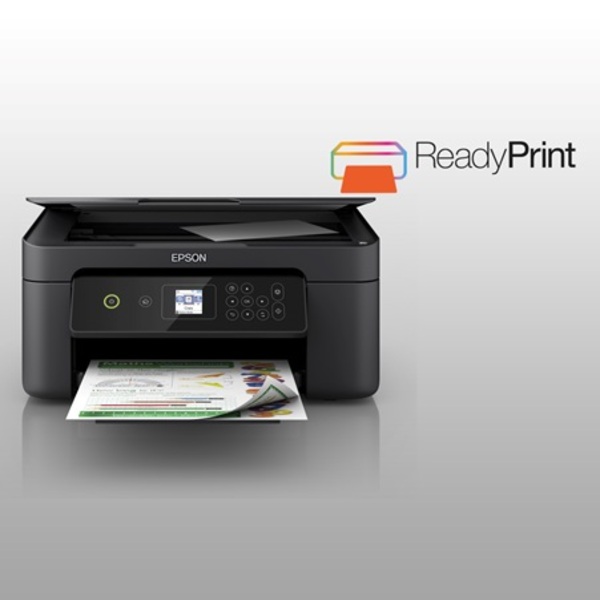
Epson highlights its EcoTank printers, which rely on refillable ink bottles instead of traditional cartridges. That does cut down on plastic waste and is a genuine environmental advantage. But the recycling side of things isn’t as directly linked to the subscription experience, so I’d need to handle that separately if I wanted to go the extra mile.
Verdict
Both brands put thought into sustainability, but HP makes it easier by integrating recycling into the plan itself. For me, that made eco-friendly choices feel effortless.
HP All-In Plan vs Epson ReadyPrint: What Do Customers Think?
When I was looking into both services, I wanted to see what real people were saying. Reviews can tell you things that product descriptions don’t, so I spent some time reading through customer feedback on both HP and Epson. Here’s what stood out to me.
HP
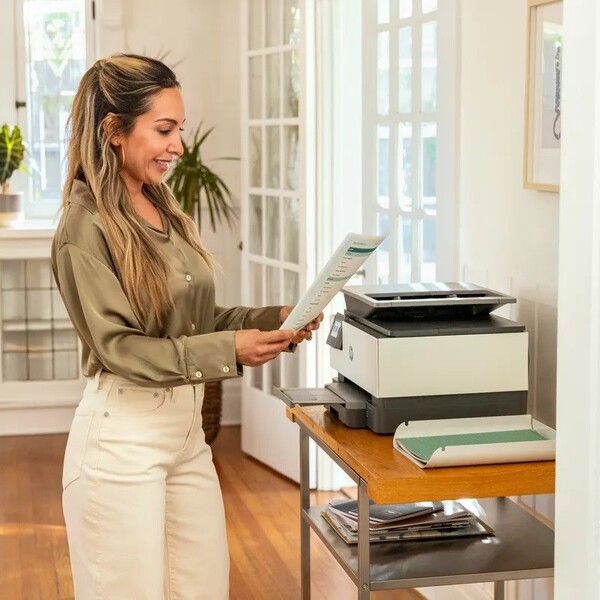
What struck me right away was how many customers emphasized peace of mind. One review I came across said, “The automatic ink delivery makes printing stress-free, since the printer orders cartridges before they run out.” That really matched what I wanted in a subscription: no surprises, no last-minute store runs.
People also talked about HP’s support. Someone mentioned, “HP offers 24/7 customer support and even next-day replacement service,” which means downtime is rarely an issue. That kind of reassurance is hard to put a price on.
Another theme that came up often was flexibility. Reviewers liked being able to adjust their plan. One person wrote, “I was able to upgrade when my usage went up, and the unused pages rolled over.” That made the service feel practical and adaptable.
The HP App also got a lot of love. Users described it as simple and reliable, with one review highlighting the “step-by-step setup and clear tracking for pages, billing, and supplies.” On top of that, trial offers were appreciated. Someone summed it up well: “The free month let me test the service with zero risk.”
Overall, the feedback leaned toward HP being dependable, flexible, and designed to make home printing as stress-free as possible.
Epson
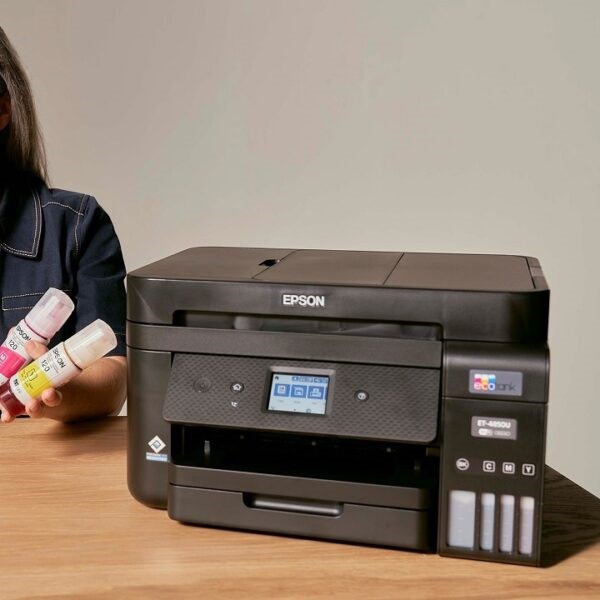
Epson’s reviews leaned more toward affordability. One user said, “The cost and value of the program is unmatched by any other company.” Others echoed that sentiment, pointing out savings compared to buying ink cartridges outright. Families especially liked that, with one parent writing, “This plan helps us save up to 70% on ink.”
Flexibility was mentioned by some customers, but it’s important to note that any adjustments or pauses are limited during the first two years of the unlimited printing plans. One review noted, “It’s nice that I can adjust my plan as my printing loads shift from month to month” but readers should understand this applies after initial limitations are lifted.
Automatic ink replenishment also got good feedback. Someone put it simply: “No guesswork or no worries. I know my printer will always be up and running.”
Finally, Epson’s eco-conscious design stood out. Reviewers liked the refillable EcoTank bottles and the energy efficiency of the printers. One person wrote, “I appreciate that Epson’s technology is better for the environment.”
Altogether, customers described Epson as a budget-friendly and eco-aware option that works well for families and home offices.
Verdict
After going through customer reviews, I felt even more confident that the HP All-In Plan was the right choice for me. People highlighted the peace of mind it provides with automatic ink delivery, 24/7 support, and next-day replacements when issues came up. I also appreciated the flexibility—being able to adjust my plan or cancel without a long-term commitment made it feel genuinely user-friendly. Epson ReadyPrint impressed with its affordability and long-lasting EcoTank ink, but the higher monthly price two-year commitment and limited flexibility during this period, combined with less integrated support, make it feel more rigid compared to HP’s All-In Plan.
Overall, HP’s combination of reliability, affordability, convenience, and adaptable service really stood out, and that’s why it came out on top for me.
HP All-In Plan vs Epson ReadyPrint: Shipping and Returns
Getting your printer and supplies on time is just as important as the plan itself. Both HP and Epson include shipping in their subscription services, but the experience differs when you look closer at speed, reliability, and how returns are handled.
HP All-In Plan
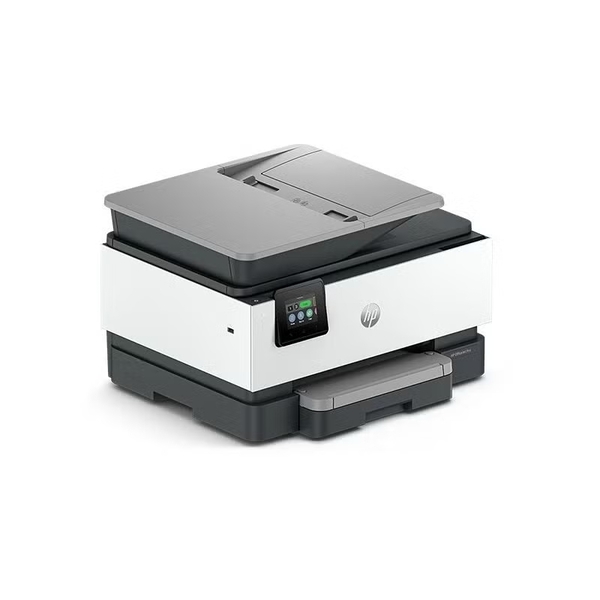
HP ships the printer, ink, and even paper (if you add the paper plan) together, so you’re ready to start printing as soon as your package arrives. Customers often note how fast and seamless the delivery feels, with everything showing up in one box rather than trickling in separately. On top of that, HP offers a 30-day risk-free trial, with free shipping and free return shipping if you decide the service isn’t for you. The company also provides a straightforward recycling and returns process—subscribers can easily send back used cartridges or even a printer through HP’s recycling channels, making the return process part of the service rather than an afterthought.
Epson ReadyPrint
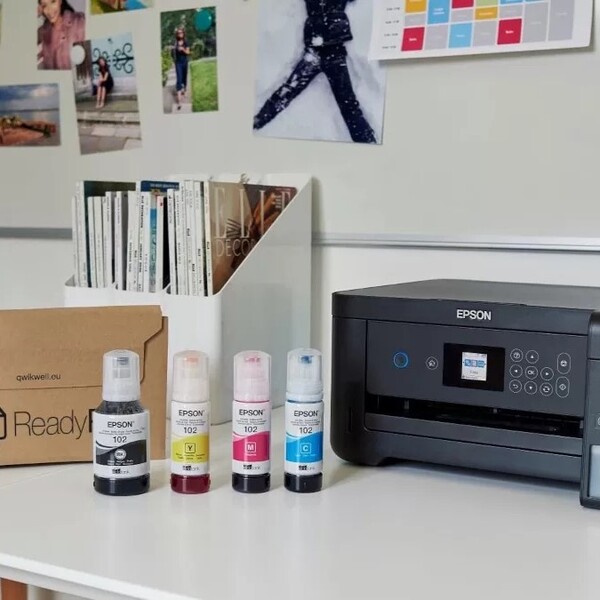
Epson delivers a new EcoTank printer and a set of ink bottles when you subscribe. Ink refills are automatically shipped before you run out, ensuring a consistent supply. While shipping is included, Epson’s return options are less tied into the subscription itself. Recycling programs exist, but customers must handle returns separately from the ReadyPrint plan, which adds an extra step if you want to send back used equipment.
Verdict
HP stands out for combining fast delivery, bundled supplies, and simple recycling into one streamlined process. Epson covers the basics with automatic ink shipments, but its returns feel more disconnected from the subscription experience.
Who Will I Subscribe With?
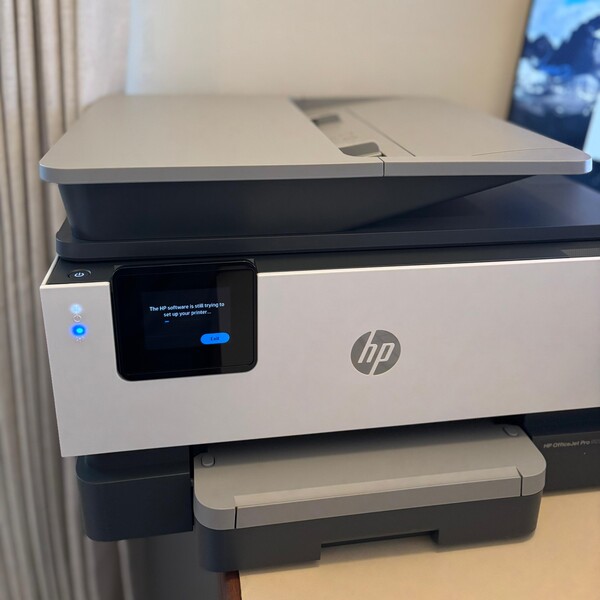
For me, the HP All-In Plan feels like the smarter choice. I don’t just get a printer, I get a complete service that takes the stress out of keeping my home office running. Ink shows up before I even notice it’s low, and with the option to include paper, I don’t have to worry about rushing to the store for supplies. Another thing I liked is that HP lets me choose between inkjet or Tank printers, while Epson ReadyPrint only works with EcoTank models—having both options made the subscription feel more flexible and suited to my printing habits.
The price also makes sense. At $12.99 a month for around 100 pages, it’s an easy entry point, and I like knowing I can adjust my plan if my printing needs change. I’m not tied to a long contract, which gives me the freedom to use the service on my own terms. That flexibility is important because I want a plan that adapts to me, not the other way around.
The HP App has also made things simpler than I expected. I can set up my printer, track my usage, and even handle billing in just a few taps. And if something ever goes wrong, I know I can count on 24/7 support and even a next-day replacement.
All of that makes HP the plan I feel most confident subscribing to—it’s reliable, flexible, and built around real convenience.
Next, check out other reviews that you might also like:




Ask the community or leave a comment
WRITE A REVIEWCustomer Reviews
Leave a review