Pendulum Next-Generation Probiotics vs. Seed Probiotics: Where These Probiotics Take Different Paths

Table of Contents
About Pendulum

Pendulum is a microbiome company built around bacteria that most supplements never touch. The focus is on strains that live in the colon and don’t survive even brief exposure to oxygen. Those microbes connect to metabolism, gut lining strength, and blood sugar signaling. Making them usable required custom, oxygen-free production and tight control from lab to capsule.
The product lineup is structured around distinct use cases. Each formula has a clear job and a short list of strains chosen for specific effects, not familiarity. One supports daily metabolic health. One centers on gut lining support. One ties directly to blood glucose markers in a human study. Pendulum exists for people looking for more defined goals instead of a general-use probiotic.
About Seed

Seed‘s DS-01® Daily Synbiotic is described on its website as a “daily probiotic + prebiotic clinically proven to relieve bloating, gas, and irregularity, plus long-term benefits for immune, skin, and heart health.” The formula contains 24 probiotic strains combined with a prebiotic component.
Seed’s website also describes its capsule-in-capsule delivery system, ViaCap®, and references survivability testing in a simulated digestive model. The brand includes strain research summaries and quality control information within its product materials. DS-01® is presented as a daily-use synbiotic.
What to Consider?
Looking at these two brands side by side means paying attention to how each one approaches gut health. The differences don’t show up in slogans or strain counts. They show up in how the formulas are built and what each product is meant to support.
The sections below focus on those practical differences. Each point highlights a specific factor that affects how a probiotic works in the body, where it acts, and what kind of results it aims to support. Taken together, they give a clearer picture of how these two approaches diverge.
Type of Bacteria Used
The kind of bacteria in a probiotic matters more than most labels suggest. Different microbes behave differently in the gut. Some help with basic digestion. Others interact with the gut lining or create compounds that impact metabolic processes. Looking at strain type helps clarify what a product can realistically support.
Pendulum

Pendulum works with a small group of bacteria that do not tolerate oxygen and live mainly in the colon. These strains tend to appear in newer microbiome research on metabolism, gut lining strength, and blood sugar regulation. Some of them have never appeared in supplements before because keeping them alive outside the body posed real technical problems.
The formulas stay focused. Each strain is included for a defined biological role, with selection based on its function in the gut.
Seed
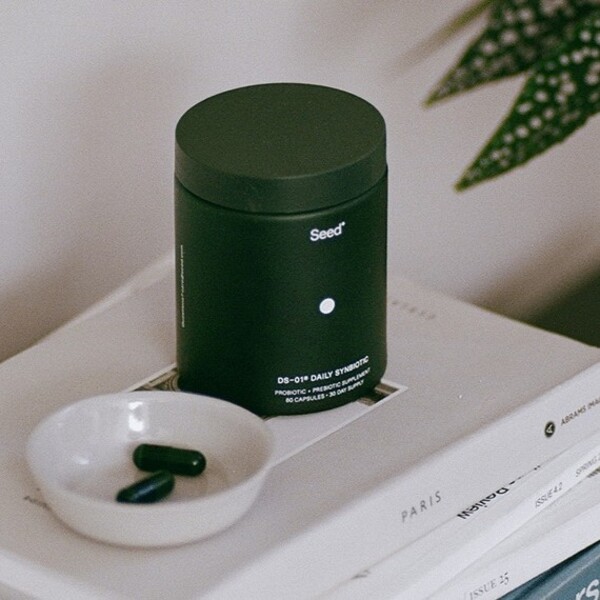
Seed uses 24 probiotic strains combined with a prebiotic in its DS-01® Daily Synbiotic. The product is described on its website as a “daily probiotic + prebiotic clinically proven to relieve bloating, gas, and irregularity—plus long-term benefits for immune, skin, and heart health.” Clinical studies referenced by the brand examine digestive comfort, immune markers, skin measures, and cardiovascular-related indicators.
Multiple strains are included in a single formula, and clinical studies examine digestive comfort, immune markers, skin measures, and cardiovascular indicators. DS-01® is presented as a general daily-use product intended to support multiple aspects of gut health over time.
Where the Bacteria Work in the Gut
Location matters. Different parts of the gut do different jobs. Some bacteria act earlier in digestion, while others function later, where the gut lining and metabolic signaling come into play. Looking at where strains are active helps explain the kind of support a probiotic can realistically provide.
Pendulum

Pendulum’s strains are selected to function in the colon, where many metabolic and gut barrier activities take place. Akkermansia muciniphila, for example, resides in the mucus layer of the gut lining and is studied for its role in gut barrier integrity and metabolic signaling. Other strains in the lineup contribute to short-chain fatty acid production and related metabolic pathways.
Because these bacteria act in the later stages of digestion, the formulas are built to deliver them intact to the colon. Placement aligns with the biological roles these microbes are known to support.
Seed

Seed’s DS-01® is formulated with 24 probiotic strains combined with a prebiotic, and clinical studies have examined digestive comfort, immune markers, skin measures, and cardiovascular-related indicators.
The product is positioned as a general daily-use probiotic designed to support multiple aspects of gut health over time.
Intended Use Case
Probiotics serve different roles depending on how they’re built. Some are meant to act as a daily baseline for general gut support, while others are designed around a specific outcome.
Pendulum

Pendulum separates its products by use case. Metabolic Daily targets everyday metabolic support alongside gut health. Akkermansia centers on gut lining support through a single keystone strain. Glucose Control focuses on blood sugar markers and is backed by a clinical trial tied to that goal.
Each product lines up with a defined purpose. The structure makes it easier to choose based on a specific need rather than defaulting to a one-size approach.
Seed

Seed positions DS-01® Daily Synbiotic as a daily probiotic + prebiotic. One formula, taken daily, meant to support digestion and overall gut balance over time.
Number of Strains
Strain diversity refers to how many distinct bacterial strains are included in a probiotic formula. It does not indicate the amount of each strain present. Quantity is listed separately on the label, typically as AFU or CFU. Strain diversity and dosage measure different things.
Pendulum

Pendulum organizes its products around smaller strain groupings. Each strain is selected for a defined biological role, and products are separated by function. Instead of maximizing diversity within a single capsule, the lineup distributes strains across different products aligned with specific goals.
Seed
Seed structures DS-01® around a multi-strain formulation that combines numerous probiotic strains with a prebiotic. The emphasis is on microbial diversity within a single daily-use synbiotic. The product is positioned to support digestive health and overall gut balance by combining multiple bacterial strains in a single formula.
Relationship to Metabolic Health
Metabolic health and gut health are closely connected in microbiome research, but brands frame that relationship differently. Looking at how each company positions its products helps clarify what type of support is being emphasized.
Pendulum

Pendulum’s formulas are designed with metabolism in mind. Strains such as Akkermansia muciniphila are studied in connection with gut lining integrity and metabolic signaling pathways.
Pendulum Glucose Control is backed by a clinical trial to reduce A1c for the nutritional management of type 2 diabetes. Metabolic Daily and Akkermansia are positioned around metabolic and gut barrier support through defined strain combinations selected for those biological functions.
Each product is organized around a specific research focus, and the framing varies by formulation.
Seed

Seed presents metabolic health within the broader context of overall gut and systemic wellness. DS-01® Daily Synbiotic is positioned as a daily probiotic + prebiotic intended to support digestive health, immune function, skin health, and cardiovascular-related markers.
The clinical studies referenced on Seed’s website evaluate digestive comfort, immune markers, skin measures, and heart health indicators. The product is structured as a general daily-use synbiotic supporting multiple aspects of gut function over time.
Role of Delivery Systems
Delivery matters because bacteria need to survive the trip through digestion to do their job. Different brands solve that problem in different ways. Looking at delivery helps explain what each product is designed to protect and why.
Pendulum

Pendulum delivery design is shaped by the biological characteristics of its strains. Several of the bacteria used in its formulations are anaerobic, meaning they do not tolerate oxygen and require controlled production conditions.
The company describes manufacturing processes designed to protect these strains through production and delivery so they remain viable until reaching the colon. The delivery approach aligns with the intended location of activity for the strains included in each product.
Seed
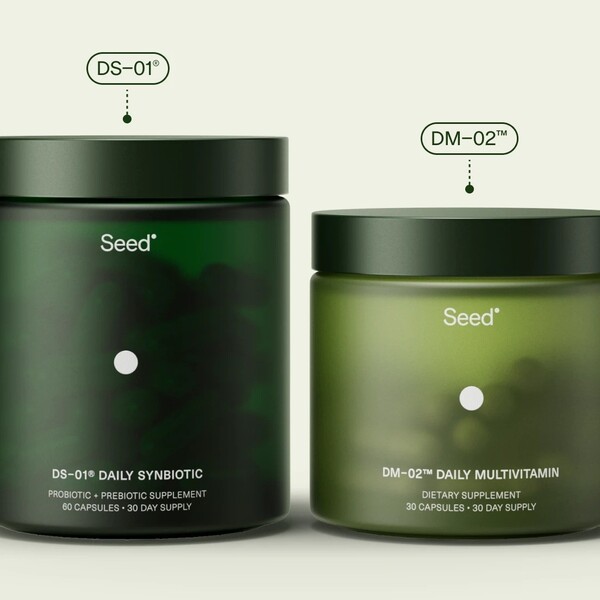
Seed emphasizes delivery technology as part of its formulation design. DS-01® uses a capsule-in-capsule system called ViaCap®, which is described as protecting probiotic strains as they move through digestion and enabling release in the colon.
Seed references survivability testing, including evaluation in a simulated digestive model, to assess how strains remain viable through the gastrointestinal tract. The delivery system is positioned as supporting the stability and activity of the strains included in the formula.
Presence of Akkermansia muciniphila
Not all bacteria play the same role in the gut. Some are common and easy to replace through diet. Others show up less often and tend to decline with age, metabolic stress, or changes in gut health.
Pendulum

Pendulum includes live Akkermansia muciniphila across its lineup. This strain lives in the mucus layer of the gut and shows up in research tied to gut lining strength and metabolic signaling. Because it does not tolerate oxygen, it rarely appears in supplements and requires controlled anaerobic production to keep it viable.
Pendulum treats Akkermansia as a core strain. Products like Metabolic Daily and Akkermansia are built around its role in the gut.
Seed
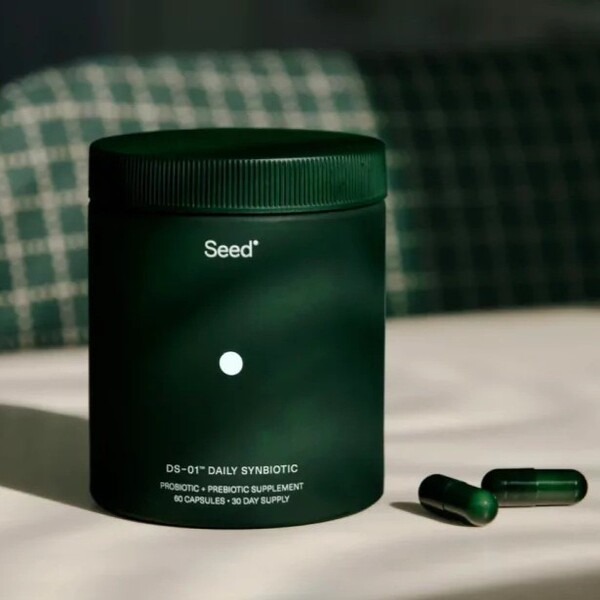
Seed’s DS-01® DS-01® does not list Akkermansia muciniphila among its strains. The formula includes multiple probiotic strains from genera commonly used in probiotic supplements. DS-01® is structured as a broad-spectrum synbiotic combining probiotic strains with a prebiotic.
The product is positioned around microbial diversity within a single daily-use formulation.
Connection to Fermented Foods
Many probiotic strains overlap with bacteria found in common fermented foods. That overlap can be useful for general gut support, but it can also limit how different a supplement can be from what someone already gets through diet.
Pendulum

Pendulum’s strains do not come from foods like yogurt, kefir, kimchi, or kombucha. The bacteria used tend to live deeper in the gut and do not survive typical food fermentation or exposure to oxygen. Because of that, these microbes usually do not show up through diet alone.
The separation from fermented foods reflects a focus on strains that play more specific roles in the gut.
Seed
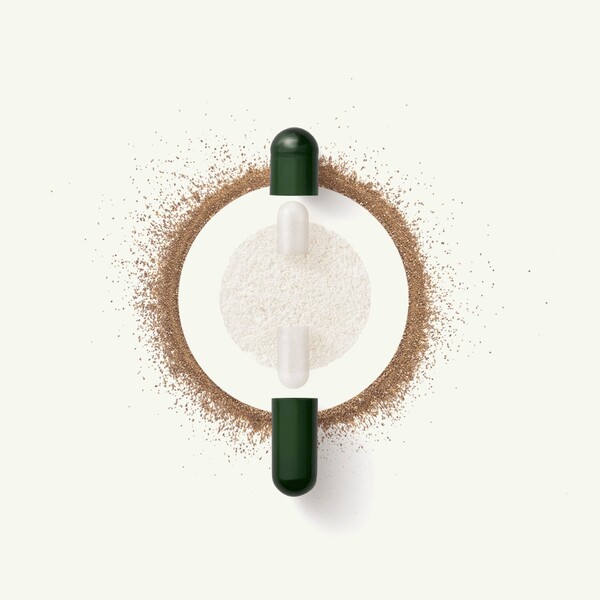
Seed’s formula includes 24 probiotic strains primarily from the Lactobacillus (now reclassified into related genera such as Lacticaseibacillus, Limosilactobacillus, and Lactiplantibacillus) and Bifidobacterium genera. These bacterial families are widely used in probiotic supplements and are also commonly found in fermented foods like yogurt and kefir.
What This Comparison Shows
Seed and Pendulum have two different approaches to probiotics.
Pendulum products center on specific bacteria chosen for defined roles in the gut. Metabolic Daily, Akkermansia, and Glucose Control each focus on a different outcome, using strains that don’t show up in foods and require controlled production to remain viable. One product, Glucose Control, is backed by a clinical trial and tied to blood glucose markers rather than general gut comfort.
Seed’s DS-01® follows a broad-spectrum synbiotic model. The formula includes 24 probiotic strains primarily from the Lactobacillus and Bifidobacterium genera, paired with a prebiotic component. Seed highlights its ViaCap® delivery system, engineered to protect the strains as they pass through stomach acid and digestive enzymes before reaching the colon.
The table below lays out those differences side by side. It’s not about which brand does more. It’s about how each one defines the job of a probiotic.
| Seed DS-01® | Pendulum Metabolic Daily | Pendulum Akkermansia | Pendulum Glucose Control | |
| Benefits | Broad-spectrum formulation for digestive health | 4-in-1 benefits to support gut health, metabolism, mood and energy | Targeted Akkermansia support for improved gut lining health | Clinically-studied formulation to lower A1C and post-meal glucose spikes* |
| Strains found in fermented foods? | Yes | No | No | No |
| Strains inside | 24 strains from the Lactobacillus and Bifidobacterium genera | 5 targeted, next-generation probiotic strains: Akkermansia muciniphila, Clostridium butyricum, Clostridium beijerinkii, Anaerobutyricum hallii, Bifidobacterium infantis | The keystone strain Akkermansia muciniphila | 5 targeted, next-generation probiotic strains: Akkermansia muciniphila, Clostridium butyricum, Clostridium beijerinkii, Anaerobutyricum hallii, Bifidobacterium infantis |
| *for the nutritional management of type 2 diabetes | ||||
Pendulum Next-Generation Probiotics vs. Seed Probiotics: Price
Price varies based on how each product is built and what it’s meant to support.
Pendulum
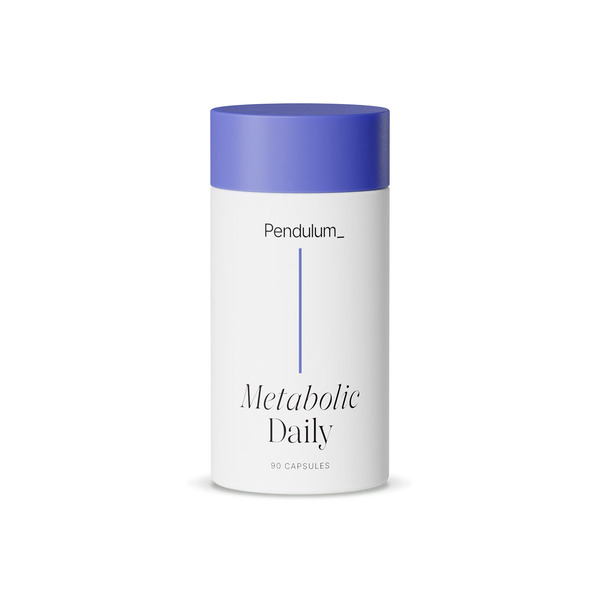
Pendulum’s pricing changes by formula. Metabolic Daily costs around $49 per month and functions as the closest option to a daily-use product. Akkermansia runs about $54 per month and centers on a single strain that requires controlled production. Glucose Control is priced at roughly $99 per month and focuses on blood glucose markers, with human study data tied to that outcome.
Seed

Seed’s DS-01® Daily Synbiotic sits at a single monthly price of about $49.99. One product covers general digestive and gut support.
Pendulum Next-Generation Probiotics vs. Seed Probiotics: Promotions and Discounts
Pendulum

Pendulum offers flexibility depending on the product and use case. Subscription orders often include free shipping, and certain products qualify for HSA and FSA spending, which can lower the out-of-pocket cost for people using health savings accounts. Bundles appear occasionally for products that are designed to work together, such as pairing a probiotic with a supporting supplement.
Seed

Seed sells DS-01® Daily Synbiotic through a subscription model, with a 30-day supply delivered monthly. The brand advertises free standard U.S. shipping and offers a 30-day risk-free guarantee for first-time orders.
Pendulum Next-Generation Probiotics vs. Seed Probiotics: Shipping and Returns
Shipping policies and return rules shape the overall experience, especially for products meant to be taken over weeks or months. Looking at how each brand handles delivery, refunds, and guarantees helps set expectations before the first order ships.
Pendulum

Pendulum offers free shipping on subscription orders within the United States. The structure reflects how the products are meant to be used over time.
Seed

Seed offers free standard shipping within the U.S., with an option to pay for expedited shipping on the first order.
Who Will You Shop With?

Both brands operate in the probiotic space, yet they frame gut health differently.
Seed positions DS-01® as a daily synbiotic built around strain diversity and general digestive support. The formula combines multiple probiotic strains with a prebiotic and is presented as a broad, lifestyle-oriented supplement meant for long-term use. Clinical references on the site point to markers tied to digestive comfort, immune response, skin measures, and cardiovascular indicators.
Pendulum, by comparison, structures its portfolio around defined microbial roles. Each product centers on specific bacteria selected for their function in the gut. Metabolic Daily focuses on gut and metabolic support. Akkermansia highlights gut lining function. Glucose Control has been studied in humans to reduce A1C for the nutritional management of type 2 diabetes.
So the distinction between these two brands reflects two different philosophies. One leans toward broad, daily microbiome support. The other builds products around targeted microbial functions and clearly defined outcomes.
For someone comparing the two, the real question becomes less about popularity or strain diversity and more about intention. Are you looking for a general daily synbiotic, or a formulation organized around specific metabolic or gut-barrier roles?
That difference ultimately shapes your decision.
Check out similar brands you might like:




Ask the community or leave a comment
WRITE A REVIEWCustomer Reviews
Leave a review