
Table of Contents
About Tonal

Tonal has been around since 2015, long before smart home gyms became a trend. It introduced a new way to train that didn’t involve free weights, gym commutes, or guesswork. Everything happens through a wall-mounted system that uses digital resistance and built-in coaching to guide your workout from start to finish.Now there’s Tonal 2. It keeps the same clean setup but steps up the experience in a big way. The resistance goes higher. The system feels smoother. The new features, like Smart View and Aero HIIT, make training more dynamic without adding more gear. It’s not trying to replace the gym. It’s doing something different. And for people who want to train consistently, it’s a setup that actually makes that possible.
About OxeFit

OxeFit, a newer entrant in the market, has quickly gained recognition for its versatile and data-driven approach to home fitness. Founded in 2020, OxeFit offers a range of smart gym solutions, including the XS1 and XP1, that combine digital weight resistance with various training modes and immersive content. Their emphasis on real-time feedback and performance tracking appeals to users seeking a data-driven and motivating workout experience.
What to Consider?
Home workouts have come a long way, and both Tonal and OxeFit are right in the middle of that shift. They’ve each built smart training systems that let you lift, move, and track progress without needing a full gym setup. On the surface, they seem pretty similar. They have digital weights, touchscreens, and guided programs. But once you get into the details, the experience starts to feel very different. Let’s break it down.
Which One Feels More Like a Real Coach?
AI-Powered Coaching
Tonal
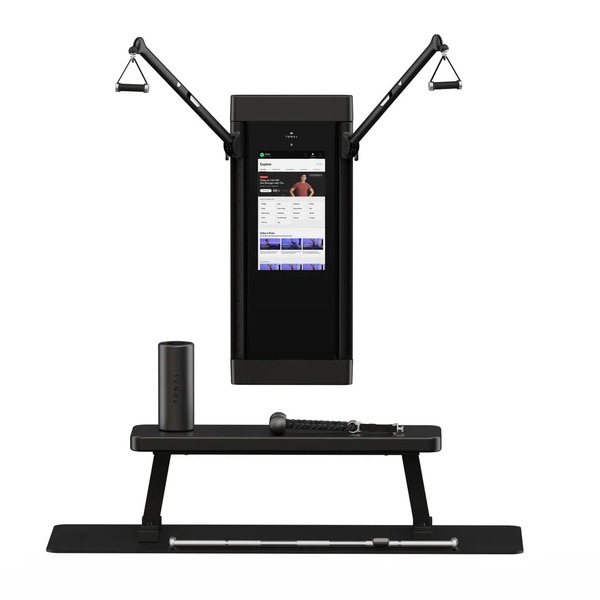
Tonal 2 watches how you move, adjusts the weight while you’re lifting, and gives you form feedback on screen as you go. It can tell when your pace drops and automatically lightens the load so you can finish the set without hitting a wall. The Smart View camera shows your form in real time, which makes a difference if you’re training alone. Over time, the system learns your patterns and keeps you in that middle ground between too easy and too much. It’s not pretending to be a human trainer, but the system does a solid job responding like one would.
Oxefit
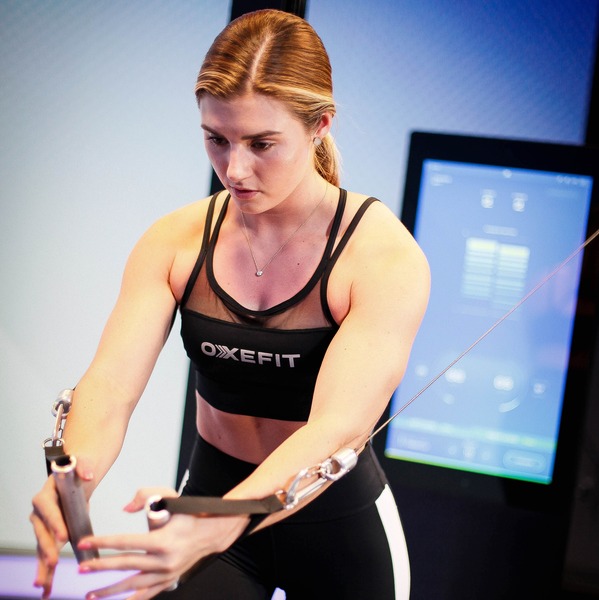
OxeFit has an AI coach too, and it does a decent job recommending workouts and tracking what you’ve done. It’s good for following a plan, but it doesn’t adjust your weight automatically or give you real-time feedback while you’re training. There’s no camera checking your form or built-in safety support like Tonal’s Spotter Mode. If you already know your way around a workout and just want structure and metrics, it’s fine.
But if you’re looking for something that reacts to how you train as you’re doing it, OxeFit feels a little more hands-off.VerdictTonal 2 responds while you’re lifting. It adjusts weight in real time, tracks form through the camera, and gives live cues to help you stay on track. OxeFit is more about structure and post-workout metrics. If you want a system that acts more like an active coach while you train, Tonal is clearly the more hands-on option.
Expert-Led Classes
Tonal
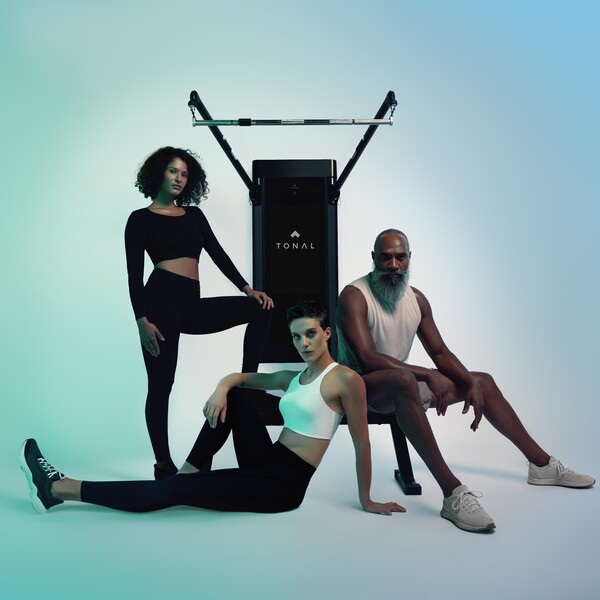
Tonal has a large library of coach-led workouts across different styles. Strength training is the main focus, but you’ll also find cardio, yoga, mobility, and a mix of recovery and stretching sessions. The coaches vary in style, and the platform lets you follow structured programs or jump into one-off classes depending on your schedule. It’s not flashy, but it’s consistent. The guidance is clear, and most workouts include cues, pacing, and movement breakdowns that make them easy to follow. If you want variety without having to think too much about programming, there’s plenty to work with.
Oxefit

OxeFit has coach-led classes too, mostly centered around strength, cardio, and some Pilates. The content is solid, especially for people who like more traditional gym-style sessions, but the variety doesn’t run as wide as Tonal. You’ll find fewer options outside of strength-focused training, and fewer instructors overall.
Verdict
Both platforms offer guided workouts, but Tonal has more variety and structure. If you’re looking for a wide mix of training styles with different coaches and program formats, Tonal gives you more to work with. OxeFit keeps things focused on lifting and cardio, which may be enough for some, but it doesn’t go as far outside that core. For broader training options, Tonal has the edge.
Which One Keeps Your Training Interesting?
Exercise Library
Tonal
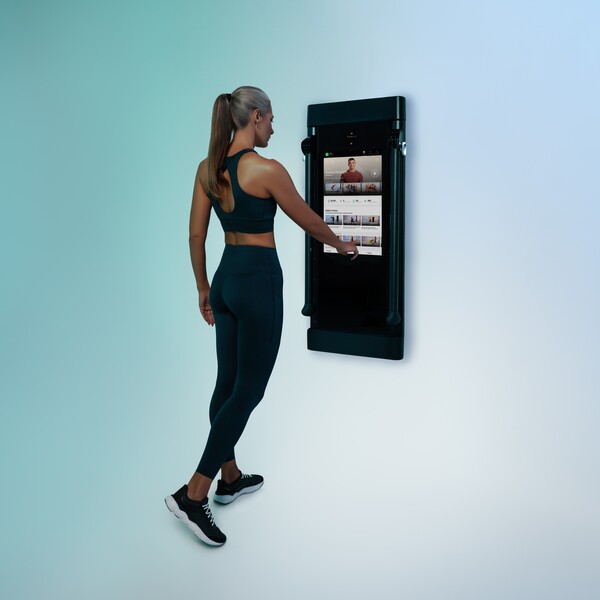
Tonal covers a wide mix of movements across strength, mobility, and cardio. You’ll find everything from basic presses and pulls to more dynamic, sport-based movements and recovery sessions. It’s not just strength training. You can also train with yoga, bodyweight circuits, core work, and mobility flows. The library is updated regularly, and most movements are built into programs or classes, so you don’t have to search too hard to use them.
Oxefit
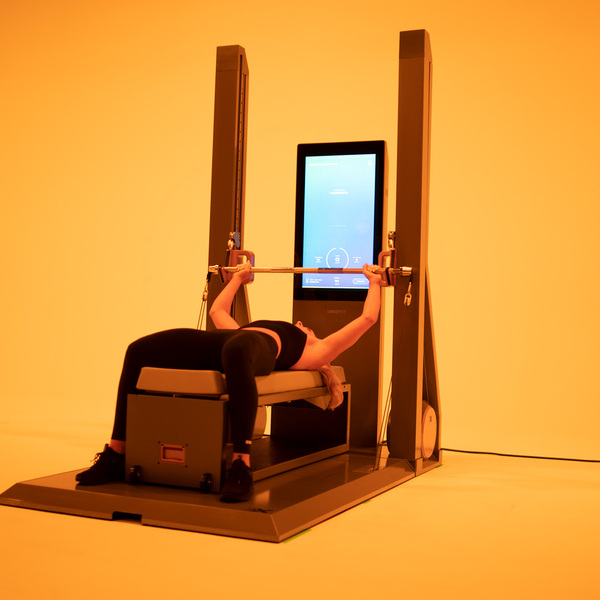
OxeFit also offers a diverse range of exercises and workouts, with a focus on strength training, cardio, and Pilates. Their library boasts over 280 strength training exercises and various options for cardio and Pilates enthusiasts.
Verdict
Tonal pulls ahead in variety. Both platforms cover strength well, but Tonal adds more movement styles, recovery options, and full-body programming that extends beyond just lifting.
Customization
Tonal
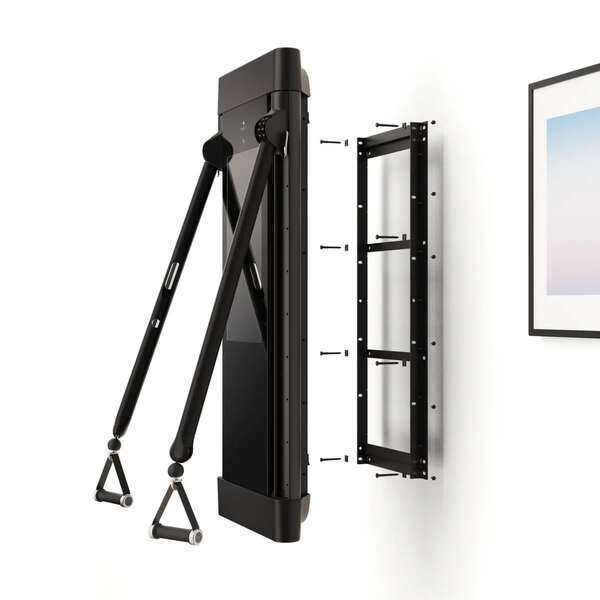
You can build your own workouts from scratch, adjust existing ones, or follow multi-week programs that are based on specific goals. The platform gives you a lot of control if you want it, but it doesn’t require manual setup unless you want to go that route. There’s flexibility without friction. Whether you’re focused on muscle growth, endurance, or just keeping things consistent, the system helps keep you on track.
Oxefit
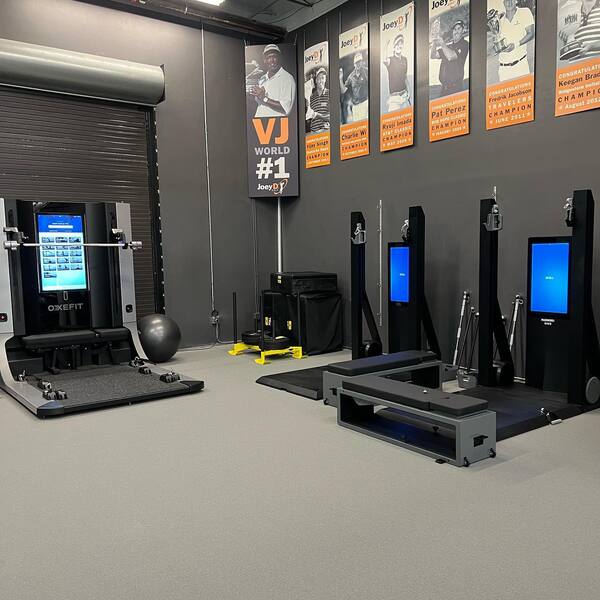
You can customize workouts on OxeFit too, mainly by selecting muscle groups or cardio focus. The options are there, but they don’t go as deep. You won’t see the same range of templates, goal-based plans, or integration between movement types. It’s more segmented, and best suited for users who know what they want to target each day.
Verdict
Both let you tailor your workouts, but Tonal makes it easier to do more without extra setup. Its programs and self-guided options give you more paths to choose from, whether you’re building something custom or just want to follow a smart progression.
Training Modes
Tonal

Tonal’s training modes include Spotter, Eccentric, Chains, and Drop Sets. These adjust resistance during the rep or throughout the set based on your performance. Spotter Mode reduces the load if you start to struggle. Eccentric adds extra weight on the way down. Drop Sets lower the weight mid-set so you can keep moving when fatigue sets in. These modes feel like subtle coaching tools as they push without being distracting.
Oxefit
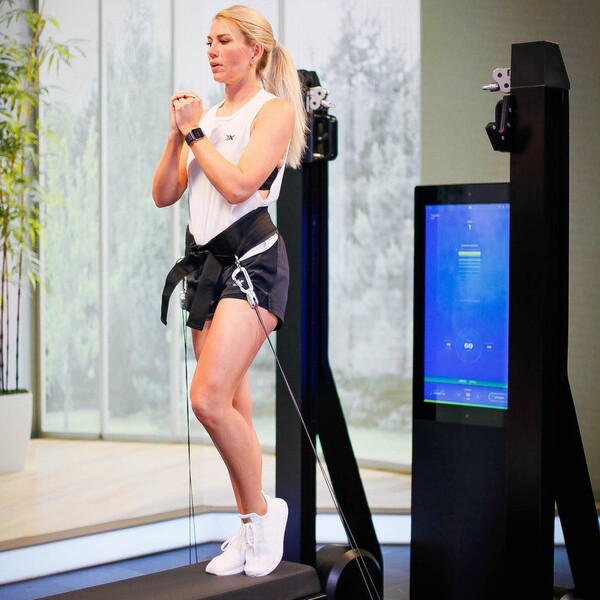
OxeFit includes modes like Chain Mode, Constant Mode, and Burnout Mode. These are focused more on pacing and resistance timing. They offer variety in how the weight is delivered, but they don’t respond to your form or fatigue the way Tonal’s modes do. You’re in control, but the system isn’t watching or adjusting based on how your body is reacting.
Verdict
OxeFit brings some solid training options, but Tonal’s modes feel more like an extension of the coaching. They react in real time and help keep the session moving when things get tough. That added feedback makes a difference, especially if you’re training solo.
Which One Feels More Dialed In?
Digital Weight System
Tonal
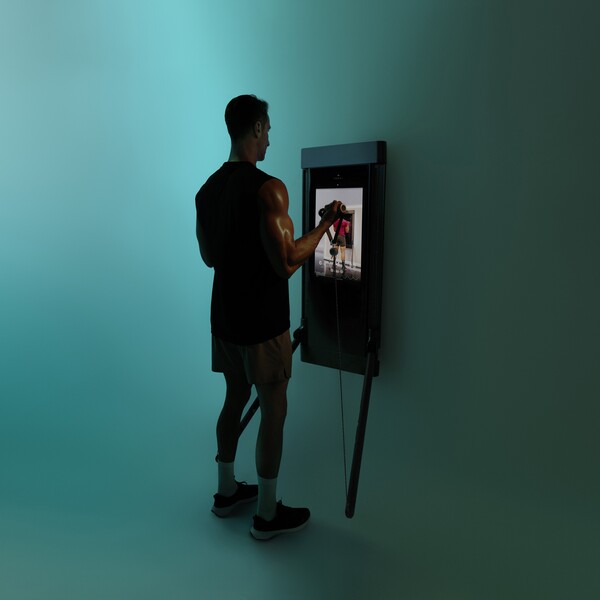
Tonal 2 uses electromagnetic resistance that adjusts automatically and moves smoothly through each rep. The weight is delivered digitally, not through plates or physical stacks, so you get a consistent feel whether you’re lifting light or pushing heavier loads. With the new max of 250 pounds, Tonal now supports a wider range of lifts, including deadlifts and heavier compound movements. The machine runs quietly, with no mechanical lag, and the design stays low-profile against the wall.
Oxefit
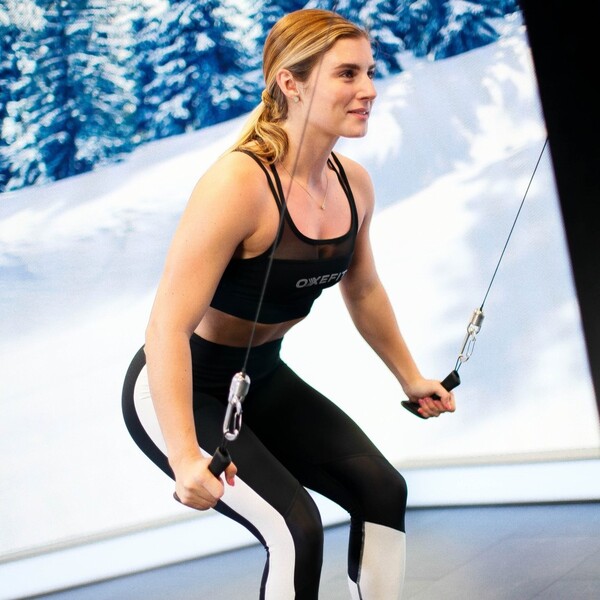
OxeFit’s cable system supports up to 220 pounds of resistance. It’s strong and feels solid during lifts, but it runs on a more traditional pulley setup. That means it may not feel quite as smooth as electromagnetic resistance and might require a little more upkeep over time. It’s capable, but it’s a different kind of system, like, more mechanical, less refined.
Verdict
Tonal’s setup feels cleaner and more controlled. With the higher weight limit and smoother transitions, it’s better tuned for consistent performance across different types of training.
Form Feedback & Safety
Tonal
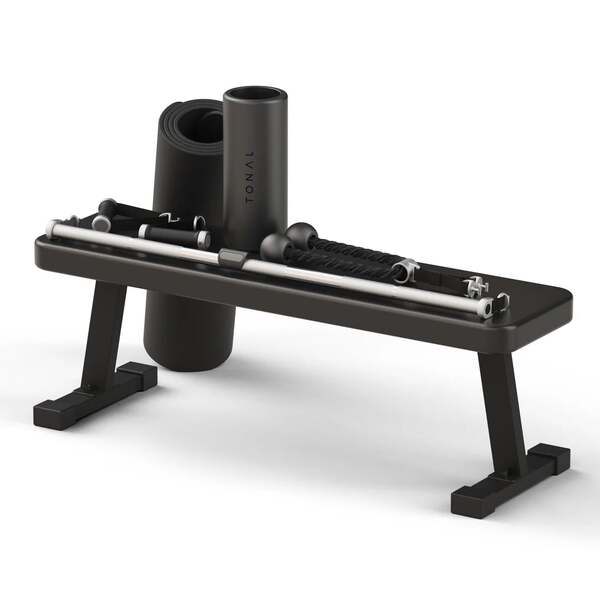
Tonal 2 tracks how you move and responds in real time. The Smart View camera gives you a live view of your form, and the system uses sensors to provide instant feedback if something’s off. It’ll cue you to adjust your range, slow down, or fix alignment. If you’re struggling, Spotter Mode automatically reduces the weight mid-rep. These tools help make solo training safer without slowing you down.
Oxefit
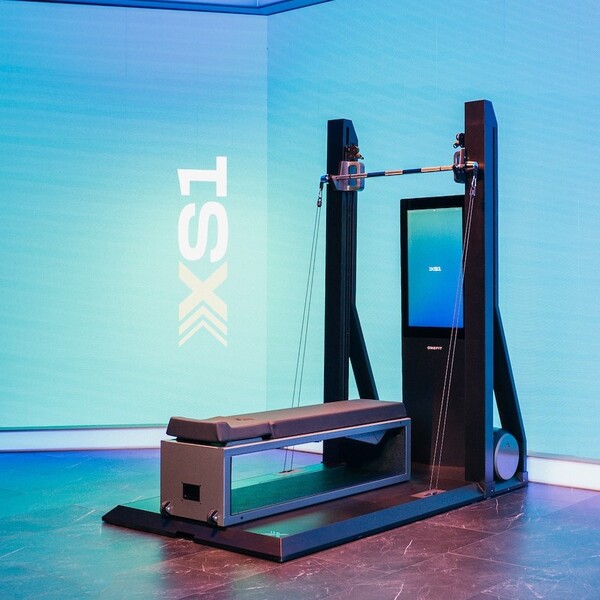
OxeFit also tracks movement and can provide form-related insights, but the feedback isn’t live or as detailed. You won’t get on-screen corrections mid-workout, and there’s no automated Spotter Mode. The system is built more for performance tracking than in-the-moment guidance, which means you’re more on your own during each session.
Verdict
If you want something that helps correct form while you’re lifting, Tonal offers more support. It reacts in real time and adds built-in safety features that matter, especially if you’re lifting alone or still refining your technique.
Data Tracking & Progress
Tonal
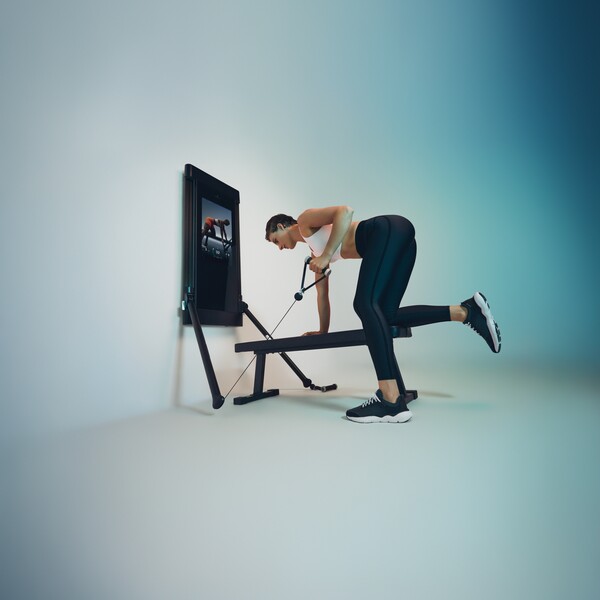
Tonal tracks a full spread of metrics like reps, sets, volume, range of motion, time under tension, and strength trends over time. You’ll see summaries after every workout and a clear view of how your numbers are moving week to week. You can also follow long-term Strength Score changes and see how different training blocks impact results.
Oxefit
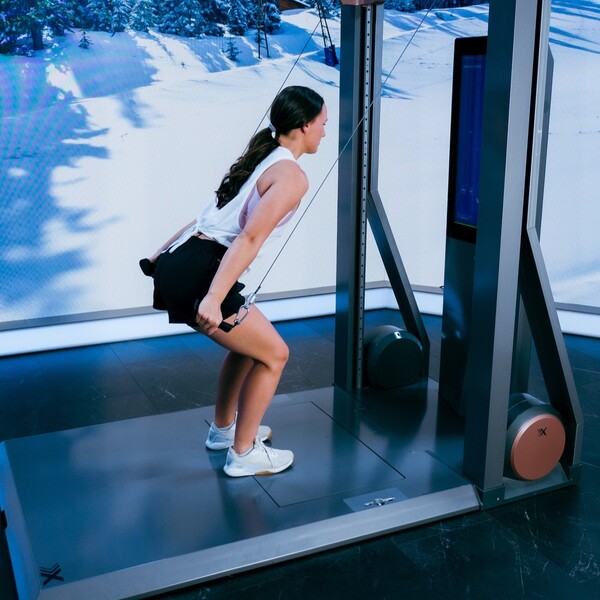
OxeFit leans more into performance data like velocity, power output, and balance. The tracking is solid, especially for athletes who want feedback on efficiency and speed. But it’s more technical and less focused on full-body trends or user-friendly summaries. If you like digging into raw data, it’s there. If you want simple, visual progress tracking, it’s not as dialed.
Verdict
Tonal takes a broader approach, offering tracking that’s easier to follow and more useful for everyday training. OxeFit’s metrics are strong but geared more toward performance testing than day-to-day motivation.
Price & Membership
Tonal
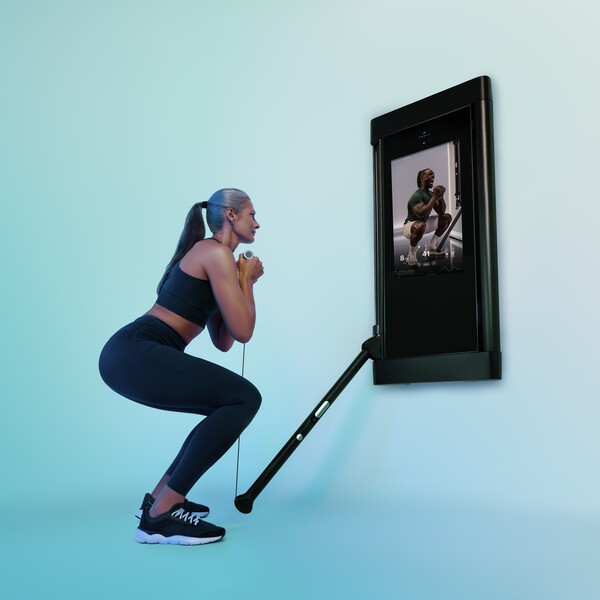
Tonal 2 is priced at $4,295, though eligible buyers — including active military, veterans, first responders, medical professionals, teachers, and government employees — receive $500 off through the Hero Discount. The Smart Accessories kit costs $495 and includes everything you’ll need for full use. Installation is required and handled by Tonal’s team. Financing is available through Affirm, with payments starting around $79 a month if approved. A 12-month membership is required at $59.95 per month, which gives you full access to all workouts, features, and profiles for everyone in your household.
Oxefit
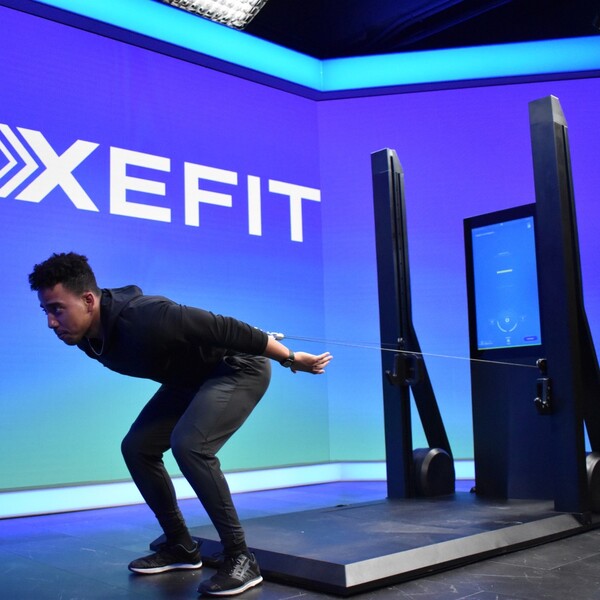
The XS1 starts at $3,999, though recent promotions have lowered it to $3,649 with free shipping and white-glove delivery. If you want a more advanced setup, their bundles range from about $5,000 to over $6,000 depending on what’s included. OxeFit also requires a monthly membership, currently $39.99, for access to workouts, tracking, and app features. Financing is available with various terms.
Verdict
Tonal 2 has the higher sticker price, but it delivers a more polished, all-in-one setup from the start. You’re paying for a well-integrated system, strong accessories, and coaching features that hold up over time. The monthly membership is on the higher side, but it includes everything, and there are no add-ons and no extra user fees.
OxeFit looks more affordable at first, especially with current discounts. But once you start adding accessories or move into the higher bundles, the cost can climb fast. The lower membership fee is a plus, though the overall experience might feel a bit more pieced together.
If you’re focused on up-front savings, OxeFit gets you in the door for less. If you want something that’s fully built to last with fewer compromises, Tonal makes a stronger case for the long run.
Tonal vs Oxefit: What Do Customers Think?
Tonal

Tonal members talk a lot about consistency. For many, it’s the first time they’ve been able to train regularly without skipping or falling off. One person said, “I’ve been using this machine consistently since I got it,” and that seems to be the trend — once it’s installed, it becomes part of their routine.A few compare it to working with a trainer. Not in the flashy sense, but in the day-to-day way that it keeps you on track. One review said, “Tonal has been a life changer. Easily the single greatest investment I ever made.” Another called it “a personal trainer on demand.”The press has picked up on the same things. Women’s Health called it “the smart home gym setup worth investing in.” Forbes said it was the first piece of digital equipment they’d used that actually helped improve performance. GQ wrote, “Tonal 2 has finally made me like strength training.”Across the board, the praise isn’t about hype or novelty. It’s about the fact that people are using it and sticking with it.
OxeFit
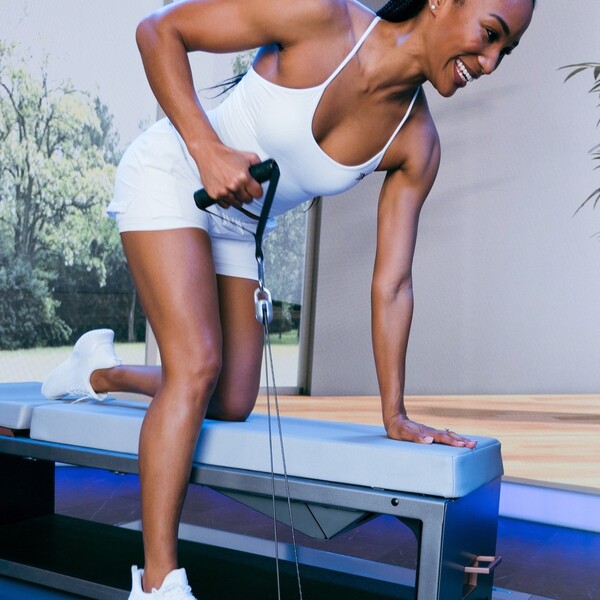
OxeFit customers also share positive experiences with the brand’s smart home gym solutions, particularly highlighting the effectiveness of its workouts and the convenience of having a compact, all-in-one system at home. One user raves, “The XS1 by OxeFit has been life-changing for me!” Another user appreciates the machine’s ability to target specific muscle groups, stating, “For the first time in my life, I felt my pectoral muscle working when I was working out.”
OxeFit’s unique training modes, such as Burnout mode, and the variety of exercise options are also frequently mentioned in positive reviews. Users appreciate the flexibility to customize their workouts and the immersive experience offered by the OxePlay platform. Additionally, OxeFit’s customer service receives high praise for its responsiveness and willingness to address user concerns.
Tonal vs Oxefit: Promotions & Discounts
Tonal

Tonal offers several ways to save, depending on the timing and your eligibility.
Referral Program: When someone buys Tonal through your referral link, they get $250 off, and you get three free months of membership. You can earn up to three rewards per calendar year.
Heroes Discount: Verified military members, first responders, healthcare workers, and teachers can get $500 off through the Hero Discount program (via VerifyPass).
Free Trial: Tonal offers a 30-day home trial with full refund if returned.
Financing: 0% APR financing available through Affirm, starting around $79/month for eligible buyers.
OxeFit
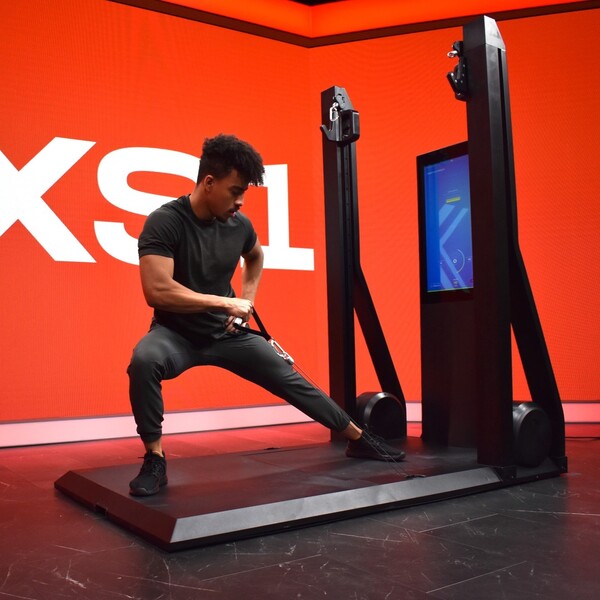
OxeFit also provides various promotions and discounts to make its smart home gyms more appealing.
- Free Lifetime Membership. Currently, a standout offer is the free lifetime membership bundled with every purchase of the XS1, eliminating ongoing subscription fees and providing significant long-term value.
- Discounts & Free Shipping. They are also running a promotion for $350 off the XS1 plus free shipping and white glove delivery (a $650 value) using the promo codes OXENOW and FREESHIP.
- Heroes Discount. OxeFit also extends a special discount to military personnel, first responders, government employees, and teachers through a partnership with GOVX ID. The exact discount amount may vary.
Tonal vs Oxefit: Warranty
Tonal
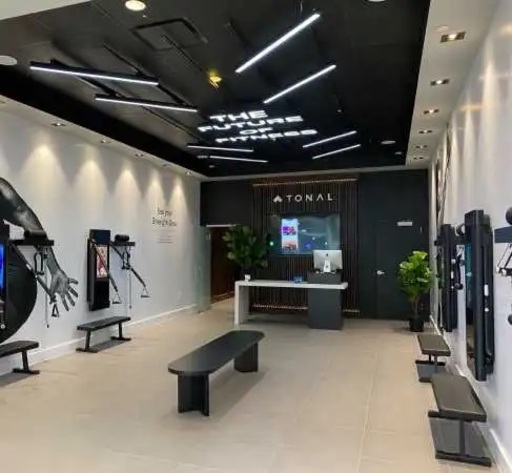
Tonal stands behind the quality of its product with a comprehensive 2-year warranty on the trainer itself, encompassing parts, shipping, and labor costs. This extended coverage period reflects Tonal’s confidence in its craftsmanship and commitment to customer satisfaction.
Additionally, Tonal offers a 1-year warranty on its smart accessories. That way, your entire system is protected. In the unlikely event of a defect or malfunction, Tonal provides repair, replacement, or refund at its discretion, further demonstrating its dedication to customer support.
OxeFit

OxeFit also offers a warranty for its XS1 system, but the coverage varies depending on the component. The frame boasts the longest coverage at 36 months, while the HD touchscreen, moving and electrical components, and accessories are covered for 12 months. While this warranty provides some protection, it’s worth noting that labor costs are only covered for repairs or replacements within the specified warranty period.
Both Tonal and OxeFit demonstrate a commitment to customer satisfaction by offering warranties on their products. However, Tonal’s more extensive coverage period for the main trainer unit and its inclusion of labor costs for the entire duration give it a slight advantage in this category. OxeFit’s warranty, while still valuable, may require additional expenses for labor or repairs outside the specified timeframe for certain components. Ultimately, both brands offer a level of protection for your investment, but Tonal’s warranty provides a more comprehensive sense of security.
Who Will You Sign Up For?
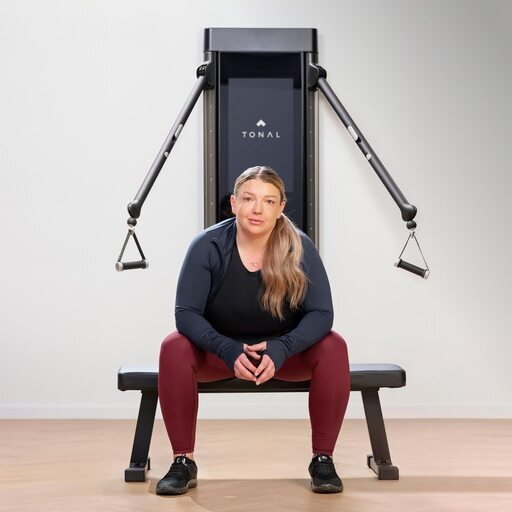
Tonal 2 is made for people who want to train seriously at home without needing to plan everything themselves. It keeps track of how you move, adjusts the weight while you’re training, and shows you exactly how you’re doing in real time. It’s not just logging sets and reps. It’s helping you stay consistent, stay safe, and actually make progress without needing to second-guess every part of your routine.
Then, the small things add up. Spotter Mode knows when you’re struggling and steps in. Smart View lets you check your form as you go. Drop Sets adjust the load automatically so you can push through fatigue without stopping. You don’t have to think about any of it. You just show up, train, and let the system take care of the rest.
On the other hand, OxeFit is strong in a different way. It’s built for people who want solid equipment and straightforward programming. You’ll get plenty of data and good structure, but the system stays in the background. It doesn’t respond in real time, and it doesn’t offer the same level of coaching or flexibility.
If you want a setup that feels hands-on, one that actually supports how you train day to day, Tonal makes more sense. It’s smarter, more responsive, and easier to stick with. That’s the difference.
Check out other comparison reviews you might enjoy:




Ask the community or leave a comment
WRITE A REVIEWCustomer Reviews
Leave a review